The mistake that kills transmissions during heavy mountain towing
I remember the exact moment I realized I had made a costly mistake during a heavy mountain tow with my RV. It was a steep, unforgiving ascent, and I was pushing my vehicle to its limits when suddenly, the transmission started slipping. The warning flasher blinked frantically on the dashboard, and my heart sank. That sinking feeling of helplessness—knowing that I might have just damaged something vital—hit home hard. Since then, I’ve become obsessed with understanding what goes wrong and how to prevent it.
Fixing Stressful Towing Fails Before They Happen
If you’re like me, managing the load during mountain towing can feel like walking a tightrope. Heavy loads demand a lot from your vehicle’s transmission, and without proper precautions, a seemingly minor mistake can turn into a major repair — or worse. I’ve learned the hard way that one common error—ignoring the importance of proper transmission maintenance—can be the difference between a smooth trip and a roadside breakdown. Today, I want to share what I’ve discovered through personal experience and expert insights to help you protect your transmission during those heavy-duty pulls.
Are You Overlooking The Critical Step? You Might Be Killing Your Transmission
Early in my towing adventures, I thought I could skip regular transmission fluid checks, trusting that the manufacturer’s specs were enough. But an ASE-certified technician once explained that neglecting even small fluid level fluctuations under heavy load can cause premature wear and failure. In fact, according to reputable sources, failed transmissions are often tied to overlooked maintenance issues instead of sudden catastrophic damage—something I learned the hard way after a costly repair. My mistake was assuming that heavy towing didn’t require extra caution; it does.
So, have you ever faced sudden transmission slipping during a steep climb? If so, you’re not alone. Many vehicle owners underestimate the toll mountain towing takes on their transmission, and ignoring routine checks can turn a manageable situation into a costly headache. Next, I’ll walk you through the vital steps to keep your transmission healthy and avoid that dreaded breakdown during your next mountain adventure. Want to learn more about proper maintenance? Check out expert insights on transmission troubleshooting to get started.
Check and Maintain Your Transmission Fluid Regularly
During my first big mountain tow, I ignored the importance of checking my transmission fluid, assuming it would suffice until the next service. That mistake nearly caused a breakdown. Set a routine: Before each long journey, especially under heavy load, check your transmission fluid level using the dipstick–think of it as monitoring blood pressure before a race. Ensure the fluid is at the recommended level and has a nice, transparent reddish hue. Dirty or low fluid is a red flag. If you’re unsure how to do this safely, consider consulting your vehicle’s manual or visiting a certified technician. Regular checks prevent overheating and slipping during steep climbs.
Flush and Refill with the Correct Oil Type
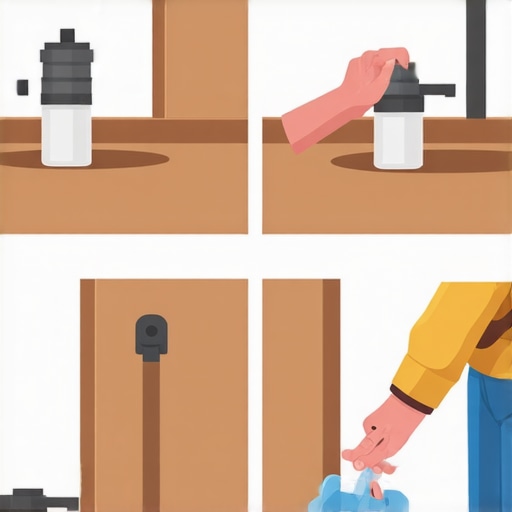
Once, I learned the hard way that using the right oil is crucial. I once topped off transmission fluid with a generic brand, and it felt like shifting gears through molasses. Think of transmission oil as motor oil for your gear system—lubricant and coolant rolled into one. It’s essential to use the manufacturer-recommended type, whether conventional or synthetic. Schedule a professional oil change if the fluid is dark, smells burnt, or contains particles. This often involves draining the old fluid with a specialized pump, then refilling it fresh, ensuring no air pockets are trapped—like replacing the lungs of the system. Skilled technicians will also inspect the transmission filter at this step to catch debris preventing smooth shifting.
Adopt Smooth Driving Techniques
In my mountain adventures, aggressive acceleration and abrupt braking compound strain on the transmission. Instead, focus on gradual acceleration—think of it as whispering to your engine—allowing coolant and oil to do their job. When descending, use engine braking rather than constantly riding the brake pedal. This approach distributes load evenly across gears, reducing stress. Practicing smooth driving habits can significantly extend the life of your transmission during hefty pulls.
Use the Right Driving Modes and Towing Equipment
Many modern vehicles have towing modes that optimize transmission and engine functions. Engage these settings—think of it as switching to ‘turbo boost’ tailored for heavy loads. Additionally, verify your trailer’s weight and distribute it evenly to prevent undue stress on one side, similar to balancing a canoe. Ensure your towing equipment is rated appropriately; overloading or improper hitch connections are a recipe for transmission trouble. During my last trip, I used a weight-distribution hitch that made the entire tow smoother and safer, giving me peace of mind on those rugged inclines.
Schedule Routine Professional Checks
Even with diligent DIY, regular professional maintenance is vital. An ASE-certified technician can perform diagnostic scans and inspect internal components for wear or damage—similar to a doctor’s full-body check-up. This is especially critical after an extreme tow to catch potential issues early before they escalate into costly repairs or breakdowns.
By integrating these concrete steps into your towing routine, you can confidently tackle mountain roads without the dread of transmission failure. Remember, proactive care and attentive driving are your best allies in preserving your vehicle’s health during demanding adventures.
When it comes to car service, many assume that an ASE certification guarantees flawless maintenance or that following basic oil change routines is enough to keep their vehicle in top shape. However, these assumptions often mask subtle pitfalls that can lead to costly repairs down the line. Let’s dig deeper into some common misconceptions and advanced nuances that even seasoned car owners tend to overlook.
Don’t Overestimate the Guarantee of ASE Certification
While an ASE (Automotive Service Excellence) certification signifies a technician’s competence, it isn’t an all-encompassing badge of perfection. Many believe that ASE-certified mechanics are infallible, but in reality, certification verifies specific skills and knowledge at a point in time. The complexity of modern vehicles — particularly with systems like transmissions and engine management — requires ongoing education. A mechanic might hold a certification, but their expertise in particular models or recent technological advancements might be limited. So, instead of relying solely on the badge, ask about their experience with your specific vehicle type or issue. For a deeper understanding of what ASE certification entails, check out this detailed overview.
Moreover, certifications don’t guarantee diagnostic accuracy. A mechanic might give a quick fix that addresses symptoms temporarily rather than solving root causes—especially true with complex transmission issues or nuanced oil system problems. Hence, fostering an informed dialogue with your technician can uncover insights they might overlook. Want to ensure your mechanic’s advice aligns with expert standards? Visit our contact page for guidance.
Myth: Car Service Always Means Routine Checks
This leads to another common myth: that regular service, such as oil changes, suffices for vehicle longevity. While routine maintenance is vital, ignoring the nuanced differences between maintenance routines for different driving conditions and vehicle ages can backfire. For example, many drivers neglect to adapt their oil change intervals based on driving habits or environmental factors. Short city trips with frequent stops and accelerations can degrade oil faster, while in colder climates, oil viscosity plays a bigger role. Furthermore, neglected transmission fluid, even in a vehicle with regular oil changes, can cause slipping or shifting problems over time. To get the most from your maintenance schedule, consider consulting with specialists or using tailored service plans—like those outlined in top oil change tips.
Another trap involves the misconception that extending oil change intervals automatically saves money. Although manufacturers often specify longer intervals, recent studies indicate that under severe conditions, traditional 3,000-mile changes can significantly extend engine life. Skipping or delaying these checks can subtly cause engine wear, leading to engine sludge or transmission strain—issues not immediately apparent, but costly over time. Therefore, proactive engagement with your vehicle’s needs, rather than just manufacturer’s recommendations, is essential.
How Can Complexity of Modern Vehicles Trick You?
If you’re still thinking that basic oil change and visual inspections are enough, consider the intricacies of modern transmission systems, which often involve electronics, sensors, and sealed units. For instance, many new transmissions use lifetime fluids; however, recent evidence suggests these fluids can degrade, leading to early failure—especially if the vehicle is subjected to heavy-duty towing or aggressive driving. A study from industry experts indicates that regular quality checks and expert diagnostics are crucial, even in ‘sealed’ systems.
Similarly, folks often overlook the importance of using the correct oil type or neglect the importance of fluid flushes at the designated intervals. Just because a transmission appears sealed doesn’t mean it’s maintenance-free. Instead, it might require specific procedures to ensure longevity—another layer of nuance that most drivers miss.
Have you ever fallen into this trap? Let me know in the comments. Navigating the world of car maintenance with awareness of these quirks can save you money and headache in the long run.
Keep Your Vehicle Running Smoothly with the Right Tools
Maintaining your vehicle’s transmission and oil system requires more than just basic knowledge; it demands precision tools and established methods. Personally, I rely heavily on a high-quality digital oil testing kit, such as the Kelvin K-450, which allows me to assess oil condition and contamination levels without dropping the pan. This proactive approach helps me identify early signs of wear, enabling timely interventions before small issues escalate into costly repairs. For transmission care, I use a professional-grade transmission fluid pump that connects directly to the vehicle’s fill port, ensuring a perfect refill every time and preventing air bubbles that could cause shifting issues.
Another critical tool is a OBD-II scanner — I particularly favor the BlueDriver for its detailed diagnostics and real-time data. It provides insights backed by OEM-level diagnostics, making it invaluable when troubleshooting complex transmission or engine issues. Using such tools regularly can extend the lifespan of your vehicle and keep costly breakdowns at bay.
Methods That Support Long-Term Vehicle Health
Beyond specific devices, adopting systematic maintenance routines is key. I schedule semi-annual oil analyses and transmission fluid tests to catch early signs of degradation. These methods, paired with professional inspections, help spot problems like sludge buildup or deteriorating seals that might not be evident during routine visual checks. For instance, knowing that modern sealed transmissions still benefit from periodic diagnostics can prevent surprise failures and costly repairs.
Looking ahead, I predict that the integration of AI-driven diagnostic tools will become standard. These systems will analyze data from multiple sensors to predict failures before they happen, shifting maintenance from reactive to proactive. Embracing these advancements can drastically improve reliability and safety on the road.
How can I maintain my transmission over time?
To keep your transmission performing optimally, adhere to scheduled professional inspections and always use OEM or manufacturer-approved fluids and filters. Investing in a digital diagnostic tool like the expert insights ensures you catch early warning signs, saving money and preventing breakdowns. Remember, consistent maintenance coupled with the right tools is your best strategy for a reliable vehicle for the long haul.

Lessons I Didn’t Expect From ASE Certification and Transmission Care
- One lightbulb moment was realizing even ASE-certified mechanics can miss subtle signs of impending transmission failure if I don’t communicate specific symptoms or ask targeted questions. It taught me that certification is a baseline, not a guarantee of expertise in every model or issue.
- Over time, I learned that routine DIY maintenance should not replace professional diagnostics—especially with the complexity of modern transmissions. Skipping comprehensive checks can hide brewing problems that small checks might miss.
- Investing in quality diagnostic tools has empowered me to spot issues early, saving thousands and avoiding roadside breakdowns. It’s a reminder that knowledge and proper tools are crucial for safeguarding your vehicle’s health.
- Better understanding what modern vehicle systems involve helped me reject the myth that lifetime fluids mean zero maintenance. Regular checkups are vital, even in sealed systems, to prevent costly damage.
- Lastly, I found that building a relationship with an ASE-certified technician who understands my specific driving patterns makes all the difference in long-term transmission health and overall car service satisfaction.
Gear Up: Tools and Resources That Keep My Car in Top Shape
- BlueDriver OBD-II Scanner: Its detailed diagnostics help me catch subtle warning signs before they turn into failures. Trusted because it offers OEM-level insights at home.
- Kelvin K-450 Oil Testing Kit: I rely on this device to monitor oil condition without unnecessary drainages. It’s essential for proactive transmission and oil system care.
- Expert insights on transmission troubleshooting: I’ve found expert-backed advice invaluable for understanding what my car needs and when.
- Guides on routine oil changes: They reinforce that consistent, tailored maintenance is the backbone of a reliable vehicle, especially under ASE standards.
Your Drive Starts Now—Stay Ahead of the Unexpected
Remember, embracing expert car service and understanding the nuances of transmission care can transform your driving experience from stressful to smooth. The journey to reliable vehicle performance is ongoing, but with the right knowledge, tools, and attitude, you’re more than prepared to face any road.
Have you ever overlooked a small transmission warning and faced a costly repair later? Share your story below, and let’s learn from each other’s experiences!
,