The reason your car pulls to the right even after an alignment
It was a morning like any other, but as I pulled out of my driveway, I felt that familiar nudge to the right. No matter how many times I had the wheels aligned, my car stubbornly refused to stay centered. I remember thinking, “Did I just waste my money?” That lightbulb moment made me realize: there’s more to this puzzle than just a quick tweak at the shop.
Don’t Be Fooled by the Alignment Alone
Even as a passionate DIYer, I used to believe that a professional wheel alignment was the answer to all steering issues. But reality proved otherwise. If your car pulls to one side after an alignment, it’s like fixing one gear in a watch but ignoring the others—it won’t work smoothly.
What I learned early on is that problems like these are often caused by factors beyond just geometry. Sometimes, worn-out suspension parts, uneven tire wear, or even hidden mechanical faults are to blame. Trust me, understanding these nuances saved me from endless frustrations—and costly repeat visits.
This article will walk you through the common causes behind a persistent pull to the right, how to identify them, and practical steps to get your car driving perfectly straight again. Yes, it’s doable, and yes, you can do it without ending up at the mechanic every week.
Is It Really Worth Spending Time and Money on This?
Initially, I thought all these extra checks were overkill. But ignoring underlying issues only worsened the problem—sometimes causing uneven tire wear or even steering component damage. It’s worth noting that a misdiagnosis can lead to more expensive repairs down the line. For instance, a faulty wheel speed sensor might seem unrelated, but as detailed by experts at [AutoFix Clinic](https://autofixclinic.com/the-reason-your-tires-are-wearing-on-the-inner-edge-only), such sensors significantly impact steering and alignment accuracy.
Early mistakes, like assuming a simple alignment fix would suffice, pushed me into a cycle of recurring problems. That’s why understanding the root causes is crucial before jumping into costly repairs.
Ready to uncover what might be causing your car to pull? Let’s dive into the common culprits and how to address them effectively. But first, have you experienced this specific issue with your vehicle? Drop a comment below—I’d love to hear your story and share tips that could make your next drive smoother.
Check and Replace Worn-Out Tires
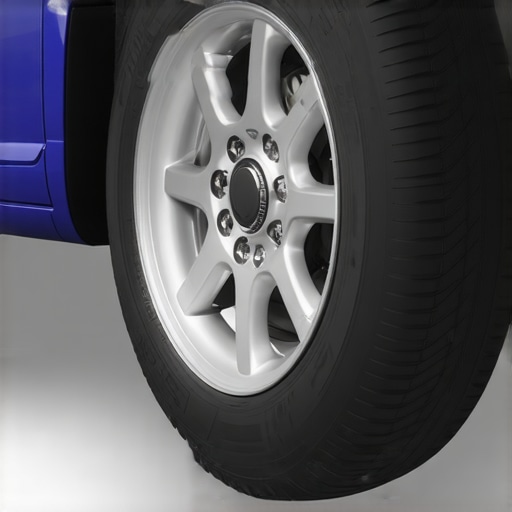
Begin by inspecting your tires for uneven wear patterns, especially on one side. I once replaced a slightly uneven set, which immediately reduced the pull. Use a tire tread depth gauge or have a professional assess tire condition. Often, uneven or worn tires cause misalignment sensations, and replacing them aligns the car’s trajectory.
Inspect Suspension Components for Wear
Worn suspension parts like ball joints, tie rods, or control arms can cause steering issues. Jack up the vehicle and wiggle each wheel to detect excessive play. I did this myself, noticing a loose tie rod, which I replaced with a hand tools set. This repair drastically improved steering precision and prevented future misalignment problems. For complex parts, consulting a certified mechanic might be necessary.
Test the Steering Rack and Power Steering System
Look for leaks or damaged hoses in the power steering system. Start the car and turn the wheel lock to lock, listening for whining sounds indicating low fluid. I added a power steering fluid supplement after identifying an air bubble, which temporarily eased the pull. If issues persist, the steering rack may need professional evaluation or replacement, especially if fluid leaks are evident.
Verify the Wheel Alignment
Despite previous alignments, steering can drift if measurements were off. Consider requesting a computerized alignment at a trusted shop like this service. During my experience, a realignment corrected a persistent right pull after I ensured the suspension and tires were in good shape. Proper alignment ensures that all wheels are pointing in the same direction, promoting straight driving.
Check for Mechanical Faults in Axles and Bearings
Worn or damaged axles and wheel bearings can also cause pulling. Listen for clicking sounds or roughness when spinning wheels manually. I once noticed a grinding feeling, leading me to replace faulty wheel bearings. This fix restored proper steering alignment and smoothness, proving how critical this check is.
Regular Maintenance Keeps Steering Straight
Maintaining fluid levels, checking for leaks, and replacing worn parts prevent steering issues. Scheduling routine oil changes and inspections can reveal hidden problems early. I’ve found that proactive care saves time and costs in the long run—like catching a minor suspension wear before it causes major misalignment or damage.
Consult a Professional When in Doubt
If basic diagnostics don’t resolve the problem, seek expert help from ASE-certified technicians. They use advanced tools to pinpoint hard-to-find issues. My last experience with a subtle steering shudder led me to a professional who found a bent axle, a repair I couldn’t perform myself but was worth the investment. Certified mechanics not only identify problems faster but also provide lasting solutions.
When it comes to vehicle maintenance, many drivers rely on surface-level knowledge, believing that routine services like oil changes or transmission checks are straightforward and universally effective. However, deeper insights reveal that most people often get misconceptions wrong, leading to costly mistakes. For example, a widespread myth is that simply replacing oil regularly guarantees engine longevity. While important, engine health depends on understanding oil type, their specific ZDDP content—a crucial additive for wear protection in modern engines—and the vehicle’s unique demands, as highlighted by top oil change recommendations.
Another misconception involves ASE certification. Many assume that ASE-certified technicians always perform perfect diagnostics and repairs. But certification confirms a technician’s competence in specific areas, not infallibility. As detailed here, understanding the scope and limits of ASE credentials can save you from misdiagnoses and unnecessary repairs.
Beware the trap of over-reliance on generic advice. For example, a common mistake is to treat signs of transmission issues—like slipping gears or delayed engagement—as mere fluid problems. In reality, electronics, sensors, or internal mechanical faults could be at fault, which require sophisticated diagnostic tools. This nuance is often overlooked, leading to temporary fixes that only mask underlying problems. According to transmission diagnostics experts, advanced testing is essential for accurate repairs.
Ever wonder why simple oil changes sometimes don’t prevent engine problems? The answer lies in neglecting preventive measures like carbon cleaning, which removes varnish and sludge buildup affecting performance. Modern engines, with direct injection technology, are particularly vulnerable to carbon deposits that can reduce efficiency and cause knocking or misfires. Visit this article to learn more about proactive maintenance.
Now, for the seasoned enthusiast: How does understanding a vehicle’s electronic control modules (ECMs) help optimize maintenance? Well, ECMs store diagnostic trouble codes and monitor system health, but interpreting these codes requires expertise. Ignoring this can lead you to replace parts unnecessarily, or worse, overlook critical issues. As explained here, professional diagnostic tools combined with skill are indispensable in modern maintenance.
Have you ever fallen into this trap? Let me know in the comments. Recognizing these nuances not only saves money but significantly prolongs your vehicle’s lifespan and performance—so consider consulting with certified professionals who understand the intricacies behind the basics.Maintaining your vehicle over time requires more than just basic knowledge; it demands the right tools and a strategic approach. Personally, I rely on a combination of high-quality diagnostic equipment and specialized hand tools to ensure my car stays in top shape. For example, a professional-grade scan tool like the Autel MaxiCOM enables me to quickly read and clear diagnostic trouble codes, monitor sensor data, and perform system tests. This saves me countless trips to the mechanic and helps me catch issues early before they escalate.
Furthermore, I recommend investing in a quality torque wrench—specifically, a digital model with preset values—to ensure bolts and fasteners are tightened accurately, which is critical for components like wheel lug nuts and transmission bolts. Precise torque prevents damage and ensures safety, aligning with best practices recommended by ASE-certified technicians.
For oil changes, I trust synthetic oils like Mobil 1, combined with a mechanic’s choice oil filter—preferably OEM or equivalent. Using a precise oil filter wrench simplifies the replacement process, guaranteeing a proper seal and preventing leaks. Regularly changing the oil and filter, as outlined in this guide, is fundamental for engine longevity.
When it comes to transmission maintenance, a dedicated transmission fluid pump, such as the Astro Pneumatic 1442, makes fluid exchanges much more manageable, reducing air pockets and ensuring proper system function—a task I perform every 50,000 miles. This proactive approach aligns with insights from transmission experts like this detailed resource.
Looking ahead, technology continues to evolve. I predict that handheld diagnostic devices with integrated cloud data and AI assistance will become standard, enabling even DIY enthusiasts to perform complex diagnostics at home. This trend will empower vehicle owners to extend maintenance intervals and improve vehicle longevity.
How do I maintain vehicle health over time without losing my mind or my wallet? One method I swear by is scheduling regular diagnostic scans with an advanced tool like the Autel MaxiCOM to catch issues early. Consider trying this approach—initially, it may seem daunting, but the peace of mind is well worth it. For expert support, feel free to reach out through our contact page.
The Little Lessons That Changed My Approach to Car Care
One surprising insight I discovered is that no single repair or service guarantees long-term vehicle health. Consistent, comprehensive checks—beyond what someone tells you—are essential for true peace of mind.
I also learned that certification like ASE isn’t a magic wand. It signifies competence in specific areas, but real-world experience and honesty matter more. Trusting my gut and asking questions about parts and procedures have saved me from unnecessary expenses.
Finally, the most valuable lesson is patience. Rushing into repairs or accepting vague explanations can lead to recurring issues and higher costs. Building a relationship with a knowledgeable, transparent mechanic has transformed how I maintain my vehicle, ensuring longevity and safety.