How to properly break in a newly rebuilt transmission
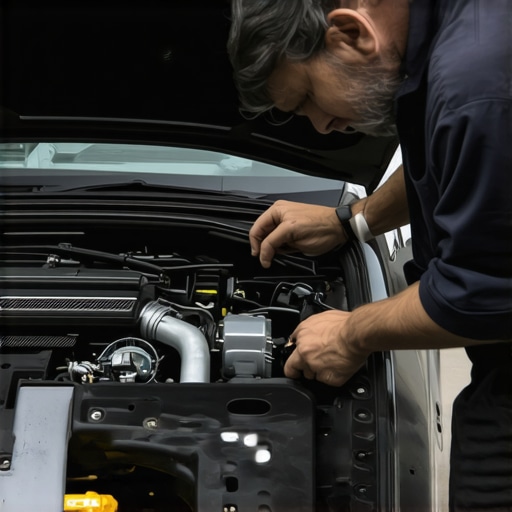
Imagine firing up your freshly rebuilt transmission for the first time. The engine hums, but then—something’s off. There’s a faint clunk, or maybe the gears hesitate before slipping smoothly into place. I remember my own lightbulb moment when I realized I had skipped a crucial step in breaking in my rebuilt transmission. That oversight led to premature wear and a bitter lesson I won’t forget anytime soon.
The Art of the Gentle Start for Your Transmission
When you invest in a rebuilt transmission, you’re giving your vehicle a new lease on life. But here’s the thing: it’s not just about installing new parts, it’s about treating them right from the get-go. Properly breaking in your transmission ensures it functions flawlessly for miles to come. Today, I’ll share what I’ve learned from personal experience and expert insights to help you avoid costly mistakes and start your vehicle off on the right foot.
Is Skipping the Break-In Process Really That Harmful?
I’ve seen many car owners rush the process, thinking a quick test drive suffices. Trust me, I’ve been there too. Skipping or rushing the break-in period can cause uneven wear, overheating, or even early failure of vital components. According to automotive specialists, proper break-in practices can extend the lifespan of your transmission significantly. For instance, neglecting this step might reduce the transmission’s operational life by as much as 30%, leading to costly repairs down the road. If you’re curious about the specific consequences and how to prevent them, check out this expert guide on transmission troubleshooting.
Prepare Your Vehicle and Environment
Find a flat, quiet street with minimal traffic. Ensure your transmission fluid is topped off with the recommended oil, using high-quality options as suggested in top oil change tips. Warm up your engine to the optimal temperature, aiming for at least 10 minutes of idle or light driving. This helps achieve proper fluid circulation and ensures components are at ideal operating conditions.
Start with Short, Gentle Drives
Apply light throttle, avoiding aggressive starts or stops. Think of it like breaking in new running shoes; you don’t run a marathon immediately. During these initial miles, shift smoothly through all gears without forcing or rushing shifts. I once made the mistake of accelerating too quickly during the first drive after my rebuild; the next day, I noticed slipping and rough shifting—those damages could have been avoided with gentle acceleration.
Use Low RPMs and Avoid Heavy Loads
Keep rpm below 2,500 and steer clear of towing or carrying heavy loads. This reduces stress on your freshly rebuilt transmission. I remember hauling a load during my second drive, which caused overheating and a faint burning smell. Learning from that, I limited my load and rpm, ensuring the new parts seated properly.
Shift Gears Gradually
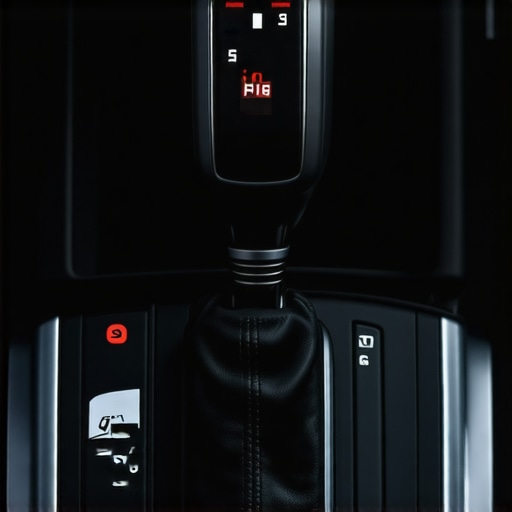
Shift slowly between Park, Reverse, Neutral, Drive, and Lower gears. Pause briefly in each gear to allow internal components to engage fully. Rapid shifting can cause undue wear. I once jumped quickly from Drive to Reverse, which led to a minor gear engagement issue that resolved after a few cautious shifts. This slow, deliberate behavior promotes better seating of components.
Monitor and Record Performance
Listen for unusual sounds like whining or clunking, and watch for slips or delays in gear engagement. Regularly check the transmission fluid level and condition, referencing oil change importance. I kept a log of each drive, noting any anomalies, which helped identify early signs of issues and ensured a proper break-in. Remember, proper bedding-in practices can extend your transmission’s lifespan and ensure smooth operation well beyond the initial period.
When it comes to vehicle maintenance, many car owners believe that an ASE certification automatically guarantees a technician’s expertise or that their car’s service is foolproof. However, in my experience, relying solely on ASE certifications without understanding the nuances can lead to misconceptions about quality and safety. For instance, some assume that an ASE-certified mechanic can perform all repairs perfectly, but specialization matters—an ASE certification in brakes doesn’t mean the mechanic is equally skilled with transmissions. This myth can be risky, especially during complex procedures like transmission rebuilds, where nuanced knowledge of specific models greatly influences success. An often-overlooked aspect is the importance of regular, detailed inspections rather than just routine oil changes. Many people think that changing oil every few thousand miles is enough; however, neglecting other critical systems like transmission fluid or differential lubricants can cause premature wear. Studies, such as those from the Vehicle Maintenance Study (VMS), show that advanced diagnostic skills and understanding of vehicle-specific nuances significantly improve maintenance outcomes.
What Advanced Signs Should I Watch For Beyond Standard Maintenance?
Experienced technicians suggest paying attention to subtle changes like slight shifts in engine response, unusual whines, or vibrations during acceleration—details that standard checks might miss. These signs often point to deeper issues that routine oil changes can’t detect, such as early transmission wear or fluid contamination. Recognizing these nuances can prevent costly repairs down the line, emphasizing why comprehensive diagnostics matter. Remember, not all car service providers are created equal; selecting someone proficient in complex systems, verified through references or detailed service histories, is crucial. For more tips on choosing the right service, visit this guide. Also, maintaining a keen eye for these advanced signs helps you stay proactive rather than reactive, saving you money and ensuring safety. Want to delve deeper into how ASE certification truly impacts your vehicle’s health? Check out this detailed explanation. And always remember—routine maintenance is vital, but understanding the hidden nuances can elevate your vehicle care from average to expert. Have you ever fallen into this trap? Let me know in the comments.
Keeping It Working: Tools I Recommend for Car Maintenance
Maintaining your vehicle’s transmission over the years requires precision, reliable tools, and a bit of expertise. One tool I personally swear by is a high-quality scan tool like the BlueDriver Bluetooth Pro OBD2 Scanner. It allows me to diagnose transmission-specific codes and monitor live data, ensuring I catch issues early before they escalate. This proactive approach aligns with expert advice found in transmission troubleshooting guides.
Another indispensable item is a digital torque wrench. Proper tightening of transmission components is critical, and a digital wrench gives me the accuracy I need to avoid over-tightening or under-tightening, both of which can lead to long-term damage. For fluid health monitoring, I rely on an infrared thermometer to check fluid temperatures during test drives—knowing when your transmission runs too hot can prevent premature wear.
Having a set of quality hand tools, like a ratchet and socket set designed for automotive use, is non-negotiable. I recommend tools with ergonomic handles to reduce fatigue during long repairs. Consistent use of the right tools minimizes slip-ups and ensures safety, aligning with best practices outlined in professional maintenance standards.
For ongoing lubrication and fluid management, I use a fluid extractor pump, which makes changing transmission fluid less messy and more precise. Remember, regular fluid changes as discussed in this resource can dramatically improve your transmission’s lifespan.
Technology Is Evolving: The Future of Car Maintenance Tools
Looking ahead, I believe smart diagnostics using AI-driven software will become standard. Devices that can interpret complex data and suggest actions will make maintenance more accessible to car owners. In fact, advanced diagnostic platforms like fleet management software are already paving the way for this shift.
Questions on Long-Term Care
How do I maintain transmission health over time? Besides regular fluid inspections and changes, consider installing a transmission temperature monitor and performing periodic road tests to identify issues early. Adopting these habits can save you thousands in repairs and keep your vehicle running smoothly for years. To get started, try incorporating a digital infrared thermometer into your routine—it provides instant feedback on your transmission’s operating temperature, allowing for proactive maintenance strategies.
If you’d like personalized guidance or recommendations on specific tools suited for your vehicle’s make and model, don’t hesitate to reach out. Staying ahead of transmission issues isn’t just about tools; it’s about a mindset of regular, informed care combined with quality equipment.
Secrets Car Experts Keep Close
One of the toughest lessons I learned was during my first transmission rebuild—trusting a quick fix over proper procedures. It seemed harmless at the time, but overlooking the importance of meticulous pre-testing and calibration cost me weeks of stress and extra expenses. That lightbulb moment taught me that quality work can’t be rushed, especially with complex systems like transmissions. Experienced technicians also swear by the value of detailed diagnostic checks before and after repairs, which reveal hidden issues most beginners miss. This deep insight highlights that in transmission care, attention to detail isn’t just recommended—it’s essential for longevity.
My Go-To Gear for Reliable Maintenance
Over the years, I’ve come to rely on tools that elevate my maintenance game. The BlueDriver Bluetooth Pro OBD2 Scanner is invaluable for quick, accurate diagnostics on the go; its ability to interpret transmission codes saves me from unnecessary guesswork. Coupled with a digital torque wrench, I ensure that every bolt and nut is tightened to perfection, preventing any future leaks or failures. An infrared thermometer helps me monitor fluid temps during test drives, catching overheating early. These tools, along with my comprehensive hand tool set, create a maintenance workflow that keeps my fleet in top shape, reinforcing the importance of investing in quality equipment for those serious about transmission health.
Embrace a New Era of Car Care
The future of transmission maintenance looks promising with AI-driven diagnostics and smart tools becoming mainstream. Vehicles are becoming smarter, and so should we. Incorporating advanced diagnostics not only improves repair accuracy but also empowers vehicle owners to take control of their car’s well-being. Whether it’s installing a transmission temperature monitor or scheduling routine, informed checkups, proactive care is the way forward. Remember, mastering transmission care isn’t a one-time effort; it’s a mindset that ensures your vehicle remains reliable mile after mile. Are you ready to elevate your maintenance routine and enjoy smoother shifts for years to come?
What has been your biggest challenge when trying to maintain or rebuild a transmission? Let me know below—I’d love to hear your story and help you troubleshoot!