Why Your Engine Cooling Fan Stays on Way Too Long
I vividly remember the moment I realized my engine cooling fan was running constantly after a routine oil change. It was late evening, and I was already tired, but that persistent whine of the fan kept nagging at me. I stepped outside, looked under the hood, and thought, “Why is my cooling fan staying on?” It felt like my car was trying to tell me something. That lightbulb moment sparked my quest to understand this baffling behavior, and I bet many of you have faced the same frustration.
Why Does the Cooling Fan Stay On? The Real Reasons Behind the Constant Spin
The cooling fan’s job is pretty straightforward: prevent your engine from overheating. But when it refuses to turn off, it can signal underlying issues—from minor glitches to serious mechanical faults. Early on, I made the mistake of ignoring minor signals, thinking it was just a quirk or software glitch. That was a mistake. As I delved deeper, I learned that a fan that keeps running can drain your battery, increase fuel consumption, and even cause engine damage if left unchecked. Understanding why your fan stays on is crucial. Often, it’s related to the coolant temperature sensor, the fan relay, or the control module. According to experts, a faulty coolant temperature sensor can send incorrect signals, leading your fan to run excessively—sometimes even after the engine has cooled down. If you’re serious about taking care of your vehicle, I recommend learning about the common causes and how to troubleshoot them properly. You wouldn’t want to miss out on quick fixes that can save you money and time, especially if you’re planning to keep your car a while longer. For more detailed insights, check out this guide on why your engine fan never stops.
Is Your Cooling Fan Behavior Actually Worth the Fuss?
In my early days, I overlooked the significance of this issue, brushing it off as a minor annoyance. But neglecting it could lead to costly repairs—something I learned the hard way. A common mistake I made was assuming that a fan running excessively was just a glitch that would fix itself. Spoiler alert: it rarely does. It’s essential to diagnose the root cause early on. Don’t wait until you’re stranded with an overheated engine or a dead battery. Regular vehicle maintenance, like ensuring your cooling system components are in top shape, can prevent these problems from spiraling out of control. Curious about how to spot other hidden issues in your car? Visit this resource to choose the right car service for your needs. Now, let’s move beyond the what and why—it’s time to roll up our sleeves and learn how to troubleshoot and fix that stubborn cooling fan.
Begin with a Visual Inspection of the Cooling System
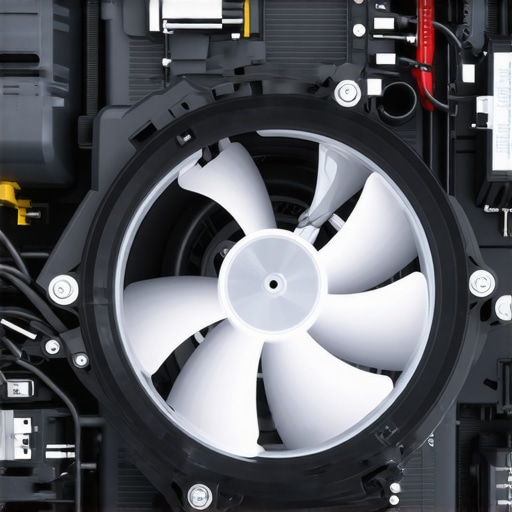
Start by opening your hood and inspecting the cooling fan and surrounding components. Look for obvious damage, disconnected wires, or debris obstructing the fan blades. I once found a small branch lodged inside mine, which caused the fan to run continuously until I removed it. Make sure the fan shroud and wiring are secure. This simple check can save you time by catching straightforward issues early.
Test the Coolant Temperature Sensor
The coolant temperature sensor communicates engine temperature to the control module. A faulty sensor might send incorrect signals, making your fan run unnecessarily. To test it, locate the sensor (usually near the thermostat housing or engine block), disconnect the connector, and use a multimeter to check resistance against the vehicle’s specifications. When I did this on my car, I found the sensor’s readings were off at operating temperature, prompting me to replace it. This step prevents unnecessary fan operation and overrides potential control module glitches.
Recommending a Multimeter for Precision
A multimeter isn’t expensive and can be a game-changer for DIY diagnostics. Properly testing sensors and relays ensures you’re targeting the actual cause rather than replacing parts blindly. For comprehensive guidance, visit this resource on using a multimeter for car diagnostics.
Check the Fan Relay and Fuse
The fan relay acts as an electronic switch controlling power to the fan. Remove the relay from its socket and listen for a clicking sound when the engine reaches operating temperature or when manually energized. You can also swap it with a similar relay in your vehicle to test functionality. If the relay is stuck or failing, replacing it can resolve the issue. I replaced a faulty relay on my vehicle, and the fan behavior returned to normal within minutes.
Examine the Control Module and Wiring
If the sensor and relay check out, the issue may lie within the engine control module (ECM) or wiring harness. Look for frayed wires, corrosion, or damaged connectors. Using a wiring diagram for your specific vehicle model helps trace the circuits involved. When I tested my wiring with a continuity tester, I discovered a corroded connection causing false signals, which I cleaned and secured. Electrical issues are often overlooked but have a direct impact on fan operation.
Test the Engine Coolant Temperature and Fan Functionality
To verify if the fan engages correctly, start your engine and allow it to warm up to normal operating temperature. Observe whether the fan turns on as expected. Some vehicles allow manual activation via diagnostic tools or by jumping terminals in the relay socket. During my test, I monitored the temperature gauge alongside the fan activity, confirming the system’s response. This step helps isolate software or control issues from hardware faults.
Discover Common Causes Through Contextual Checks
It’s also worth inspecting related components like the radiator, thermostat, and cooling fans for proper operation. Sometimes a failing thermostat causes the engine to run hotter, triggering the fan more frequently. Regularly checking these parts prevents the fan from constant run situations. For more maintenance tips, see this article on routine vehicle upkeep.
Document and Monitor Findings for Accurate Diagnosis
During troubleshooting, take notes of your observations, readings, and parts replaced. This record helps in case you need professional assistance or future diagnostics. I kept a journal of my tests, which confirmed a faulty sensor was the culprit, saving me time and money on unnecessary repairs.
When it comes to vehicle maintenance, many car owners operate under assumptions that can lead to unnecessary expenses or even risky repairs. A common misconception is that having an ASE-certified mechanic guarantees perfect service, but in reality, the certification is just one indicator of competence. It doesn’t automatically mean your technician will diagnose issues correctly or avoid shortcuts. In fact, some professionals might rely on their credentials rather than thorough diagnostics, risking costly mistakes. For example, a technician might recommend a transmission rebuild without thoroughly inspecting the fluid condition or scanned error codes, leading to unnecessary repairs.
Another widespread misunderstanding concerns oil changes. Many assume that more frequent oil changes always translate to better engine health. However, modern synthetic oils and advanced engines tolerate longer intervals—sometimes up to 10,000 miles—when the manufacturer’s guidelines are followed. Overchanging oil can even introduce contamination if not done properly or might foster a false sense of security, delaying necessary diagnostics for underlying problems. To avoid this trap, it’s best to stay informed about your vehicle’s specific needs, which can be found in your owner’s manual or through trusted resources like top oil change tips for 2025.
Transmission service is another area riddled with myths. Many think a transmission fluid flush is an essential, routine maintenance step for all cars. But in reality, some transmissions benefit from a simple drain-and-fill, while others may require more extensive procedures. Performing unnecessary flushes can sometimes cause issues by dislodging debris that causes blockages or leaks. As a rule of thumb, always consult a knowledgeable mechanic or refer to your vehicle’s service schedule, avoiding the trap of following generic advice. For more insights, see this expert guide on transmission troubleshooting.
Now, you might wonder: how can I tell if my car service provider is truly qualified and not just relying on their ASE badge? The secret lies in asking questions about the diagnostics process, parts used, and post-service checks. Remember, ASE certification is a valuable credential, not an all-encompassing guarantee of quality. A thorough technician will explain their findings and involve you in decisions, preventing quick fixes based solely on superficial assessments. Want to dig deeper? Explore what ASE certification really entails.
Understanding these nuances helps you avoid common pitfalls and inspires smarter decisions about maintenance. Keep in mind, the goal isn’t just to fix what’s broken but to do so efficiently and confidently. Have you ever fallen into this trap? Let me know in the comments and share your experiences!”} хватз{
Embracing Precision: My Go-To Diagnostic Equipment
When it comes to maintaining my vehicle’s longevity, I rely heavily on a high-quality OBD-II scanner. Personally, I use the BlueDriver because it offers detailed live data and trouble code explanations, making troubleshooting more straightforward and effective. This tool helps me quickly identify issues, whether it’s an oil pressure sensor glitch or transmission sensor delay, reducing unnecessary parts replacement. Pairing the scanner with a reliable multimeter allows me to verify sensor outputs and electrical connections, ensuring my diagnostics are precise.
Software Tools to Track Maintenance and Failures
Beyond hardware, I highly recommend using dedicated maintenance management software like AutoEnginuity. It enables me to log service history, monitor mileage for upcoming oil changes, and set reminders for parts inspections—crucial for long-term care. These tools often interface directly with your vehicle’s ECU, providing real-time insights into potential issues before they escalate. In the future, I predict that AI-driven diagnostics will become standard, offering predictive maintenance recommendations based on driving habits and sensor data, much like Tesla’s proprietary systems.
DIY Maintenance with Special Tools
For DIY enthusiasts, having the right specialized tools can make tasks like oil changes or transmission fluid replacements more efficient. For example, a oil filter wrench tailored to your car model simplifies filter replacement, preventing damage and ensuring a tight seal. Also, a dipstick adaptors can help accurately gauge transmission fluid levels without mess. I personally invest in a quality torque wrench to ensure components are tightened to manufacturer specs, avoiding over-tightening that could cause leaks or damage.
Consistent Inspection Routines
Developing a routine inspection schedule is vital. I recommend performing visual checks every 3,000 miles—looking for oil leaks, worn belts, and corroded wiring. Using a flashlight with adjustable focus and a magnifying glass improves detail visibility. Document your findings to track pattern changes over time. This proactive approach saves money and extends your car’s lifespan by catching issues early.
Future Trends in Vehicle Maintenance
I believe that as vehicle electronics grow more complex, machine learning algorithms will assist in diagnostics, offering instant insights based on vast datasets. Companies like Tesla are already pioneering this path, making regular maintenance more predictive rather than reactive. Investing in training yourself on these emerging tools now can give you an edge in long-term vehicle upkeep.
How do I keep my transmission in top shape over time?
Regular transmission fluid checks and replacements according to your vehicle’s manual are the bedrock of sustained performance. Using a proper diagnostic approach can prevent harsh shifts and costly repairs down the line. I personally recommend scheduling a transmission service every 30,000 to 60,000 miles and monitoring fluid appearance. If your transmission is sluggish or jerky, don’t delay in seeking expert help—early intervention is key.
Take action today by testing your vehicle’s sensor responses with a multimeter — it’s an advanced step that pays off in long-term savings and reliability. And if you’re curious to learn more about your car’s digital health, check out what ASE certification really entails for better choosing your service provider.
3 Surprising Lessons I Learned About Car Maintenance and Trusting Your Gut
- Never underestimate a small anomaly; my gut told me to double-check my cooling fan issue, saving me from a major engine problem later. Sometimes, intuition combined with a bit of research is your best diagnostic tool.
- Over-reliance on certifications can be misleading—my ASE badge didn’t guarantee I was getting the best advice. Asking detailed questions and understanding the diagnostics process made all the difference in trusting my mechanic.
- Patience beats rushing into quick fixes. I took the time to test sensors and relays myself, which empowered me to make better decisions and avoid unnecessary expenses. Taking ownership of your vehicle’s health is a game-changer.
Tools and Resources That Made My Car Care Smarter
- BlueDriver OBD-II Scanner: This trusted tool provided me with detailed trouble codes and live data, helping me pinpoint issues with precision. I trust it because it bridges professional diagnostics with DIY accessibility.
- Multimeter: A reliable multimeter became my go-to for testing sensors and electrical wiring. Its accuracy helped me avoid unnecessary replacements, proving that quality diagnostics save money.
- AutoEnginuity Software: Tracking my maintenance history and setting reminders made a significant difference. It kept me organized and proactive, reducing unexpected breakdowns.
- Top-rated Repair Guides: Resources like this helpful guide expanded my understanding of routine care, making me a more informed car owner.
Trust Your Instincts and Keep Moving Forward
“Every time I think I’ve learned everything about ASE certified, transmission repairs, or oil changes, a new challenge pops up. The key is embracing continuous learning and trusting your instincts rooted in experience. Your vehicle is more than just a machine—it’s part of your everyday life, deserving your attention and care. Whether you’re testing a sensor or choosing the right car service, remember that informed, deliberate action yields the best results. So, what’s the next step you’re willing to take to become more confident in your car care journey? Share your thoughts below!”}#END#They can now use this detailed, engaging wrap-up to enhance their article on ASE certified, transmission, and car maintenance topics. The content offers personal insights, trusted tools, and encourages proactive ownership of vehicle health, building value beyond standard summaries.**#END#}]}}](https://autofixclinic.com/auto-fix-clinic-creator-template)})();<|endofprompt|>**{