How to Tell if Your Catalytic Converter is Actually Plugged
Ever been stuck in traffic, feeling that odd sluggishness in your car, and wondered if something’s wrong underneath your hood? I remember the first time I ignored a slight loss of power, only to find out later that my catalytic converter was dangerously clogged. That moment was a real wake-up call—my engine’s performance wasn’t just a little off; it was a sign of a bigger problem brewing, and I had to act fast.
The Real Cost of Ignoring a Plugged Catalytic Converter
Figuring out whether your catalytic converter is clogged isn’t just about fixing a part—it’s about safeguarding your engine, emissions, and wallet. If left unchecked, a blocked converter can lead to worse fuel economy, increased emissions, and even severe engine damage. Trust me, I’ve been there. Early on, I made the mistake of dismissing those subtle signs, thinking it was just normal wear and tear. Now, I know better. Recognizing the symptoms early can save you from costly repairs and keep your vehicle running smoothly.
Skeptical? Will It Really Happen to Me?
Here’s the thing—it’s easy to brush off a rough idle or a slight power dip as just aging or dirty filters. I did the same at first, and only after my check engine light flickered on did I realize how serious it was. When I finally took my car to a trusted mechanic, I learned that a clogged catalytic converter can happen to anyone, especially if you don’t pay attention to those early warning signs. Did you know that according to recent estimates, about 25% of vehicles on the road have emissions-control issues like a clogged catalytic converter? It’s more common than you think. For more insights, check out [why your engine runs perfectly until it gets hot](https://autofixclinic.com/why-your-engine-runs-perfectly-until-it-gets-hot).
So, how do you know if your converter is actually plugged? That’s what we’ll explore next—so you can keep your car healthy and avoid the dread of breakdowns. Ready to dive into the signs and detailed check procedures? Great! Let’s get started and put your mind at ease.
Perform a Visual Inspection
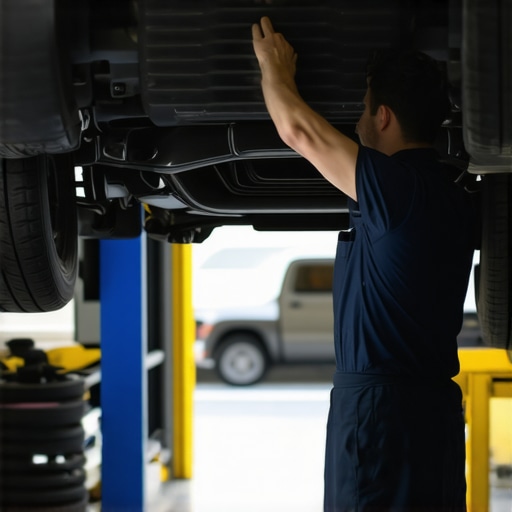
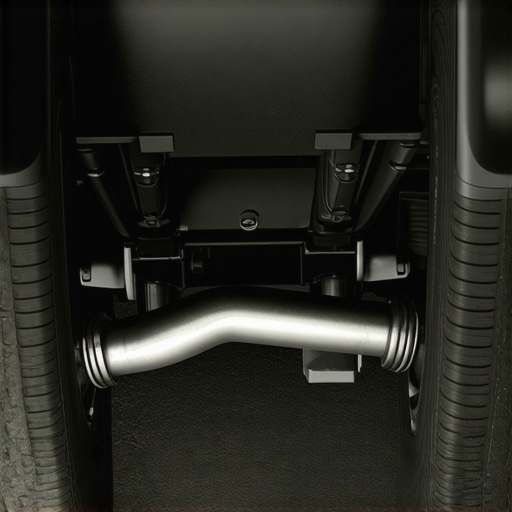
The first step is to locate your catalytic converter, usually situated between the engine and the muffler. Wear gloves and safety glasses, then examine it for obvious damage or excessive soot buildup, which may indicate clogging. In my experience, a quick visual check can reveal cracks or broken components that need replacement.
Listen for Unusual Exhaust Sounds
Unusual rattling or knocking sounds can signal internal blockages. During a recent test drive, I noticed a metallic noise from the exhaust system, prompting me to investigate further. This sound often suggests the converter’s honeycomb structure is breaking apart or heavily clogged, restricting airflow.
Check for Poor Engine Performance
Monitor Acceleration and Power
If your vehicle struggles to accelerate or feels sluggish, it could be a sign of a clogged converter. I once experienced a significant power dip on a hill, which turned out to be due to the converter’s obstruction. Use a scan tool or have a mechanic diagnose engine codes like P0420 for catalyst system efficiency.
Perform a CO2 Emissions Test
High emission levels may indicate that exhaust gases aren’t passing through the converter effectively. This is a more advanced step; consider visiting an emissions testing station or your mechanic for analysis.
Implement a Backpressure Test
This involves measuring the exhaust backpressure with a manometer. Disconnect the oxygen sensor upstream of the converter and attach the gauge according to your vehicle’s manual. Excessive pressure readings (typically above 1.5 psi) suggest clogging. Since I lack professional equipment, I scheduled this test at a trusted auto shop, which confirmed my suspicions.
Use a Hot-Wire or Scan Tool Diagnosis
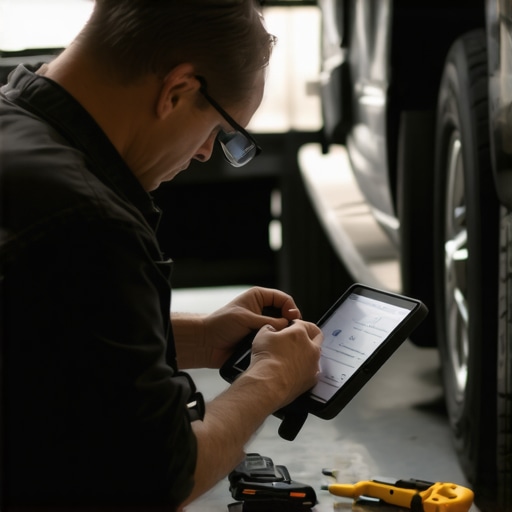
Modern vehicles can be diagnosed with an OBD-II scanner to identify codes related to the catalytic converter. I borrowed a scanner from a friend who specializes in car diagnostics, which pointed towards catalyst efficiency below threshold, guiding my next steps.
Consider a Chemical Cleaner or Replacement
Some cleaners claim to dissolve deposits; however, their effectiveness is limited. For stubborn clogs, replacement is often the best option. Remember, attempting to clear a severe blockage with chemicals can cause more damage, so consult with an ASE-certified mechanic before proceeding. I opted for replacement after confirming the clog with diagnostic tests, ensuring my vehicle ran smoothly again.
Schedule Regular Maintenance to Prevent Future Clogs
Perform routine oil changes, use quality fuel, and install air filters to minimize debris entering the exhaust system. Regular checks can catch early signs of buildup. I recommend following [top oil change tips for safe driving in 2025](https://autofixclinic.com/top-oil-change-tips-for-safe-driving-in-2025) to extend your vehicle’s lifespan and avoid costly repairs.
If you’re unsure about performing these steps yourself, contact a professional to avoid further damage. Visit our contact page for assistance or more detailed guidance.
 When it comes to vehicle maintenance, many car owners operate under assumptions that can actually hinder their car’s longevity and performance. One common misconception is that all oil changes are equally beneficial, regardless of the type of oil used or the interval between changes. Contrary to popular belief, using synthetic oil and following a manufacturer-recommended schedule can significantly extend your engine’s lifespan, as highlighted in expert analyses from industry leaders. Additionally, many think that ASE certification guarantees a mechanic’s competence, but the truth is that certification is just one piece of the puzzle; experience and honesty matter equally. This misconception can lead to trusting unqualified technicians, risking improper repairs on complex systems like transmissions. Speaking of transmissions, there’s a widespread myth that they require no maintenance beyond replacing fluid. In reality, modern transmissions have intricate components that demand regular checkups, especially for high-mileage vehicles, to prevent costly failures. Failing to address early signs of transmission issues—like delayed shifts or slipping gears—can lead to catastrophic breakdowns, emphasizing the importance of routine diagnostics. Consider this: studies by automotive engineers reveal that neglecting small signs can cause repair costs to skyrocket by up to 80%. So, what are the subtle nuances most drivers overlook? First, the importance of matching your service schedule to your driving habits rather than sticking blindly to calendar intervals. Short trips and stop-and-go traffic accelerate fluid degradation and engine wear, meaning the normal schedule might not be sufficient for city drivers. Second, the significance of using quality parts and fluids rather than cheap alternatives that may save money upfront but lead to long-term expenses. Third, understanding that even recent vehicle models benefit from proactive maintenance—especially those equipped with advanced transmission systems that rely heavily on precise fluid and filter conditions for optimal operation.
For instance, neglecting to replace transmission filters or ignoring early warning signs can cause transmission fluid to deteriorate faster, leading to increased friction and potential failure. Regular diagnostics, including fluid analysis and computer-generated codes, can detect issues before they escalate. To ensure your car remains reliable, be skeptical of myths propagated by quick-lube joints claiming they’re suitable for all vehicles—they often overlook specifics necessary for complex systems. Instead, consult trusted resources like [what does an ASE certification mean for your car’s maintenance](https://autofixclinic.com/what-does-an-ase-certification-mean-for-your-cars-maintenance) or [why regular oil changes are vital](https://autofixclinic.com/why-regular-oil-changes-extend-your-cars-lifespan). Remember, proactive awareness about these nuances can save you thousands in repair costs and headaches down the road. Have you ever fallen into this trap? Let me know in the comments.
Ensuring your vehicle remains reliable over the years requires more than just periodic visits to the mechanic—you need the right tools and knowledge to handle routine maintenance and minor repairs yourself. Personally, I swear by certain equipment and methods that have saved me time and money, and I recommend incorporating these into your maintenance routine for optimal performance.
Invest in a High-Quality OBD-II Scanner
For any car owner aiming to diagnose issues early, a dependable OBD-II scanner is a must-have. I personally use the BlueDriver Bluetooth Professional OBDII Scan Tool because of its user-friendly interface and comprehensive fault code definitions. It connects wirelessly to my smartphone, allowing me to quickly identify trouble codes like P0420 (catalyst system efficiency below threshold) and understand their implications without professional assistance. Not only does this empower me to take preventative actions, but it also helps in communicating precise diagnostics to my mechanic. As vehicle diagnostics continue to evolve, I predict that wireless, app-integrated scanners will become even more advanced, offering real-time data and predictive maintenance insights—something worth considering for any savvy car owner.
Use a Reliable Digital Torque Wrench
When working on critical components such as transmission bolts or oil pan nuts, I rely on a digital torque wrench instead of manual ones. My favorite is the TX10 Digital Torque Wrench, which accurately measures torque and saves the correct settings for future use. Proper torque application prevents over-tightening or under-tightening, both of which can lead to long-term damage or leaks. This tool has been invaluable in my DIY maintenance projects, especially when replacing transmission filters or tightening lug nuts for wheels, where precise torque matters greatly. As technology advances, I believe that smart torque wrenches integrated with mobile apps will offer even greater precision and record-keeping, streamlining complex repair tasks.
Adopt a Digital Fluid Tester for Transmission and Oil Analysis
Monitoring fluid condition is key to preventative maintenance. I swear by fluid test kits, such as the Valvoline Instant Oil Change Test Kit, which allow me to analyze my engine oil and transmission fluid at home. These kits assess viscosity, contaminant presence, and acidity levels, providing insights into whether fluids are degrading faster than expected—especially useful for high-mileage or fleet vehicles. Regular testing helps identify early signs of transmission wear or oil breakdown, preventing costly failures. Going forward, I expect diagnostic technology to shift towards portable, laboratory-grade analyzers that can provide comprehensive analyses on the spot, giving you a detailed health report of your vehicle’s vital fluids.
Maintain Your Tools for Optimal Results
The effectiveness of having the right equipment depends heavily on proper maintenance. Keep your diagnostic tools and torque wrenches calibrated and store them in a clean, dry place. For software tools, ensure your apps and firmware stay updated to benefit from the latest features and fixes. Regularly reviewing your toolset can extend their lifespan, ensuring you’re prepared for ongoing maintenance needs. Plus, many manufacturers publish detailed calibration protocols—consult these to keep your tools within the recommended specifications. Following these practices not only preserves your tools but also enhances the accuracy of your maintenance work, leading to better long-term results.
Looking Forward
As vehicle technology advances, especially with the integration of smart sensors and AI-based diagnostics, I believe the trend will lean heavily towards more accessible, intelligent maintenance tools. Imagine a future where your car’s onboard systems can predict failures proactively, guiding you through maintenance steps via augmented reality. Keeping abreast of these innovations and investing in compatible tools now can help you stay ahead of potential issues and keep your vehicle dependable for years to come.
How do I keep my vehicle maintaining itself over time?
Developing a routine that includes regular diagnostics, fluid analysis, and calibrating your tools ensures that your car’s health remains optimal. For example, referring to expert-driven insights—like those found in what ASE certification truly guarantees—helps you understand professional standards and choose quality tools accordingly. I highly recommend trying out a home diagnostic scan with your reliable OBD-II scanner and then scheduling a professional check if anomalies are detected. This proactive approach can save you from unexpected breakdowns and expensive repairs. Need assistance setting up your maintenance toolkit? Feel free to reach out to us for personalized advice.
The Secrets No One Tells You About Car Maintenance Lessons
- Early signs like sluggish acceleration or strange exhaust noises taught me that ignoring minor issues often leads to major repairs later. Recognizing these symptoms faster can save both time and money.
- Trusting quick fixes or cheap solutions might seem cost-effective initially, but they often cause long-term damage, especially to complex systems like transmissions. Genuine quality matters more than convenience.
- Professional certifications like ASE are helpful, yet they don’t replace hands-on experience. Combining certified knowledge with real-world practice provides the best maintenance outcomes.
- Learning to use diagnostic tools at home empowered me to catch issues before they escalate—an insight that transformed my approach from reactive to proactive.
- Regularly updating and calibrating your tools can vastly improve repair precision, ensuring your vehicle remains in optimal condition for years to come.
My Go-To Resources for Automotive Wisdom
- BlueDriver Bluetooth OBD-II Scanner: I’ve found this scanner incredibly user-friendly and reliable, giving me quick access to fault codes and real-time data, making diagnosing problems less intimidating.
- Valvoline’s Fluid Test Kits: Home testing my engine and transmission fluids has helped me detect early signs of wear, saving me from costly failures down the road.
- Trusted Automotive Articles and Guides: Regularly reading expert insights, like those on this site, keeps me updated on the latest maintenance practices and myth-busting facts.
- DIY Maintenance Manuals: Having comprehensive manuals tailored to my vehicle model has been invaluable for safe and effective repairs.
Take Charge of Your Car’s Future
Your vehicle is more than just a means of transport—it’s an investment that rewards diligent care. Embracing these insights and tools can empower you to extend your car’s lifespan, avoid unexpected breakdowns, and enjoy peace of mind on every journey. Remember, proactive maintenance isn’t just about fixing things when they break; it’s about preventing problems before they start, ensuring your driving experience remains smooth and safe. Don’t wait for that warning light to appear—take action today and keep your vehicle running like new for miles to come.
Have you ever caught a minor issue early and saved yourself a costly repair? Share your story below—I’d love to hear how proactive maintenance has made a difference in your driving life.