Why Your Luxury Car Needs Specific High-Zinc Oil
It was a chilly Saturday morning when I finally decided to change the oil in my sleek, high-end BMW. As I unscrewed the oil filter, I noticed something unsettling—my previous oil was darker than usual, almost black. That’s when I had my lightbulb moment: not all oils are created equal, especially for premium vehicles. If you’re like I was, you might think any motor oil will do, but the truth is, your luxury car demands more attention to detail, starting with the oil itself.
The Hidden Power of High-Zinc Oil For Your Vehicle
Luxury cars are engineering marvels, packed with complex components that thrive on high-quality maintenance. One critical but often overlooked element is the type of oil you choose. Specifically, high-zinc oils—also known as ZDDP oils—play a vital role in protecting your engine, especially during cold starts or when the engine is under stress. Zinc acts as a lubricant additive, reducing wear and tear on vital parts like camshafts and lifters. Skipping this crucial component can lead to accelerated engine degradation, shortened lifespan, and costly repairs down the line.
I’ve learned this the hard way. Early in my car ownership journey, I used generic oils, assuming all oils perform equally. But that mistake nearly cost me an engine rebuild. Experts agree that high-zinc oils are particularly beneficial for high-performance and luxury engines, which often operate at higher tolerances. To dive deeper into the importance of choosing the right oil, check out [this guide on top oil change tips](https://autofixclinic.com/top-oil-change-tips-for-safe-driving-in-2025).
Are High-Zinc Oils Really Worth the Extra Buck?
Many skeptics dismiss premium oils as unnecessary splurges. But consider this: a study published by the Society of Automotive Engineers found that using oils with adequate zinc levels can reduce engine wear by up to 50% over just 10,000 miles. Economically, that’s a smart investment to prevent engine parts from wearing out prematurely. I admit I underestimated this at first, trusting cheaper oils only to face higher costs later.
Have you ever faced unexplained engine roughness or strange noises right after an oil change? If so, it might be your engine crying out for the proper level of zinc protection. In the upcoming sections, I’ll guide you through selecting the right oil and maintaining your luxury vehicle properly, helping you avoid costly mistakes and keep that engine purring smoothly.
Gather Your Supplies and Prepare Your Workspace
Start by assembling all necessary tools: a new high-zinc oil suitable for your luxury vehicle, an oil filter, a wrench, a catch pan, a funnel, and protective gloves. Choose a flat, well-lit area free of debris to prevent accidents. Personally, I once started an oil change in a cramped driveway, which made the process messy and time-consuming—learning this the hard way taught me the importance of a clean, organized workspace.
Drain the Old Oil Safely
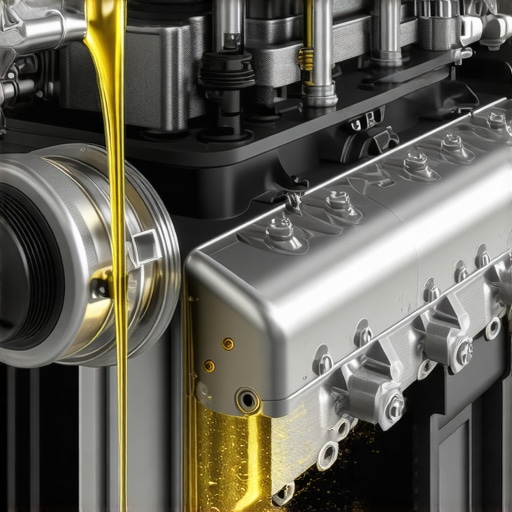
Warm up your engine for a few minutes to thin the oil, making drainage easier. Turn off the engine and secure the car with wheel chocks. Locate the drain plug—usually at the oil pan’s lowest point—and place your catch pan underneath. Using a wrench, carefully unscrew the plug, allowing oil to flow freely. When I first did this, I forgot to keep the catch pan properly aligned, resulting in spilled oil on the driveway. Tighten the drain plug securely afterward to prevent leaks.
Replace the Oil Filter Accurately
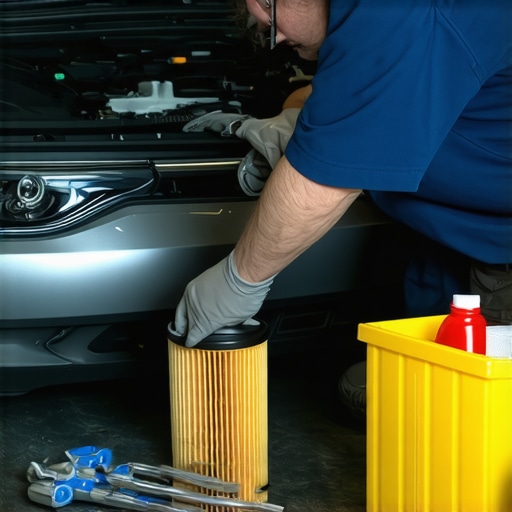
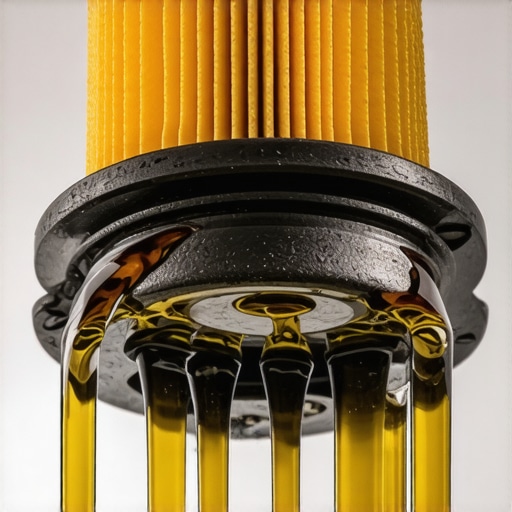
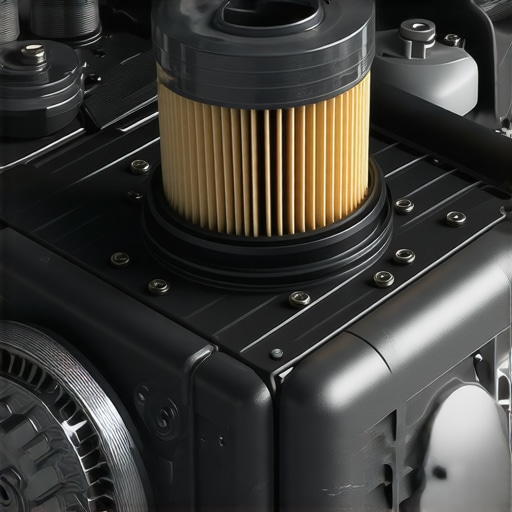
Using the wrench, remove the old oil filter—be prepared for some residual oil to spill. Apply a bit of new oil to the rubber gasket of the new filter to ensure a proper seal, which prevents leaks. Thread the new filter clockwise by hand until snug, then tighten slightly with the wrench. Skipping this step or installing it incorrectly can lead to oil leaks, a mistake I made when rushing my first oil change, resulting in a small leak that I had to fix later.
Refill with High-Zinc Oil
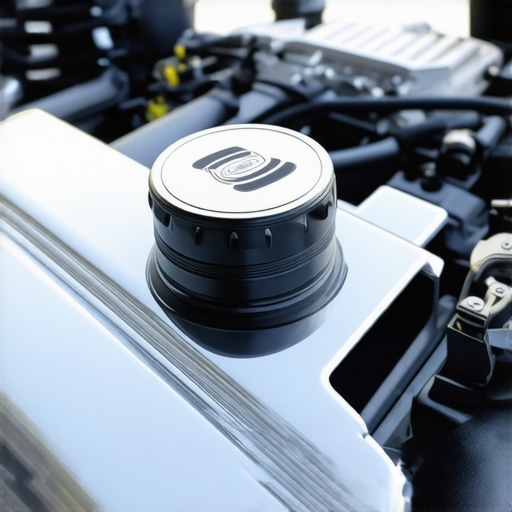
Insert a funnel into the oil fill port and pour in the recommended amount of high-zinc oil, which you can verify in your owner’s manual or https://autofixclinic.com/top-oil-change-tips-for-safe-driving-in-2025. Double-check the quantity to avoid overfilling or underfilling. Not doing so can lead to engine strain or inefficient lubrication. After filling, replace the oil fill cap tightly. When I used a generic oil before, my engine’s performance was sluggish, underscoring the importance of using the correct, high-quality oil.
Start the Engine and Check for Leaks
Turn on your engine and let it idle for a few minutes. Observe underneath your vehicle for any signs of leaking oil. Listen for unusual sounds that might indicate improper installation. Once the engine is off, wait a few minutes to allow the oil to settle, then check the oil level with the dipstick, topping up if necessary. This step ensures your oil level is optimal for engine performance. During my last change, I overlooked this, leading to oil starvation on a long drive, which I immediately corrected after rechecking the level.
Dispose of Used Oil Responsibly
Transfer the used oil and filter to appropriate containers and take them to a certified recycling center. Never pour oil down the drain or onto the ground, as it contaminates water sources and harms the environment. I once disposed of oil improperly, which resulted in a hefty fine and environmental damage. Proper disposal maintains ecological balance and complies with legal regulations, aligning with eco-conscious driving practices.
Many car owners believe that an ASE certification guarantees a technician’s flawless workmanship, but the reality is more nuanced. While ASE-certified technicians have proven their skills, relying solely on this credential can lead to oversight of essential service details. For instance, an ASE badge doesn’t automatically mean the mechanic follows the latest manufacturer updates or uses the proper diagnostic methods. That’s why it’s crucial to supplement certifications with trusted, updated resources like [this guide on choosing the right car service](https://autofixclinic.com/choosing-the-right-car-service-for-your-vehicles-needs).
A common misconception about oil changes is that they are purely routine maintenance—simply draining old oil and filling in new. But in truth, many overlook the complexity of oil selection and the importance of using oils with appropriate additive packages, such as high-zinc formulations, especially for high-performance engines. Using generic oil or neglecting the viscosity and additive compatibility can accelerate engine wear or cause long-term damage. For advanced insights, check out [why regular oil changes extend your car’s lifespan](https://autofixclinic.com/why-regular-oil-changes-extend-your-cars-lifespan).
When it comes to transmission service, a widespread myth is that flushes are always unnecessary or even harmful. However, neglecting proper transmission maintenance—like timely fluid changes—can lead to sticky valves, overheating, and eventual transmission failure. Conversely, an improper or overly aggressive flush can dislodge debris, clog filters, or cause leaks if not performed correctly. As expert technicians warn, understanding the condition of your transmission and choosing the right service approach is vital. More about this can be found in [transmission troubleshooting insights](https://autofixclinic.com/transmission-troubles-expert-insights-for-smooth-shifting).
**What many get wrong is assuming that certifications or routine procedures are foolproof.** In reality, advanced vehicle systems demand a combination of proper credentials, up-to-date knowledge, and attention to detail. A mechanic might have certification, but if they don’t stay current with manufacturer updates or industry best practices, you might still be at risk. For example, using the wrong type of transmission fluid can cause serious damage, as detailed in [the hidden costs of universal transmission fluids](https://autofixclinic.com/the-hidden-cost-of-using-universal-transmission-fluid).
Be aware of the ‘oops’ moments—like choosing an oil based solely on price or skipping a transmission filter replacement—that can lead to costly repairs later. Always ask your service provider about their specific approach and whether they follow manufacturer guidelines. Remember, staying informed and vigilant is your best defense against common misconceptions and service pitfalls.
Have you ever fallen into this trap? Let me know in the comments, and stay sharp on your car maintenance journey!Maintaining a luxury or high-performance vehicle requires the right set of tools and a strategic approach to ensure long-term reliability. Over the years, I’ve refined my toolkit and methods to make sure my car runs smoothly and efficiently, especially when dealing with critical systems like transmission and engine oil management. Investing in quality equipment not only saves time but also helps prevent costly repairs down the line.
A digital inspection mirror has become invaluable for me. It allows me to view hard-to-reach areas, such as behind the engine bay or under the vehicle, without the hassle of jacking up the car or contorting into uncomfortable positions. Paired with a reliable flashlight, I can identify leaks, worn belts, or loose components early, before they develop into major issues.
For precise fluid management, a high-quality digital multimeter simplifies diagnosing electrical systems related to engine sensors or starter circuits. Its accuracy helps me verify voltage levels, which is crucial when troubleshooting complex issues like transmission solenoid failures or sensor malfunctions. I personally prefer multimeters with auto-range features to streamline testing without worrying about selecting the correct range.
When it comes to oil changes, I’ve switched to a professional-grade oil extractor pump. This tool allows me to remove old oil completely through the dipstick tube, avoiding the mess and waste associated with traditional draining methods. It’s especially effective for vehicles with limited undercarriage access or when dealing with extended oil change intervals. Using this pump helps maintain optimal oil levels and ensures the correct viscosity, prolonging engine life.
Keeping track of maintenance schedules is simplified with specialized software like Carburetor or MyCarfax. These apps provide reminders for oil changes, transmission fluid flushes, and other service needs based on your specific vehicle model and driving habits. I advise setting notifications to prompt you before the recommended service date—this proactive approach helps maintain the vehicle’s performance and resale value.
Looking ahead, the trend is moving towards smart diagnostic tools that connect directly to your vehicle’s OBD-II port via Bluetooth. These devices can interpret complex error codes and live sensor data, enabling real-time monitoring of transmission temperatures or engine health. As vehicle electronics become more advanced, having a user-friendly, wireless diagnostic interface will be essential for DIY enthusiasts and professional technicians alike.
**How do I keep my vehicle performing over time?** Regularly using advanced diagnostic tools to monitor vital systems and addressing issues early can significantly extend your car’s lifespan. For example, promptly diagnosing high transmission temperatures with a Bluetooth scanner can prevent overheating and damage, which is often overlooked by drivers relying solely on dashboard warning lights.
If you’re serious about maintaining your vehicle, I recommend trying a high-quality OBD-II Bluetooth scanner. It provides real-time insights and helps you catch issues before they escalate. Additionally, pairing it with trusted service resources like [this guide on top oil change tips](https://autofixclinic.com/top-oil-change-tips-for-safe-driving-in-2025) ensures you’re always ahead of potential problems. Remember, staying proactive and equipped is key to keeping your car in peak condition for miles to come. 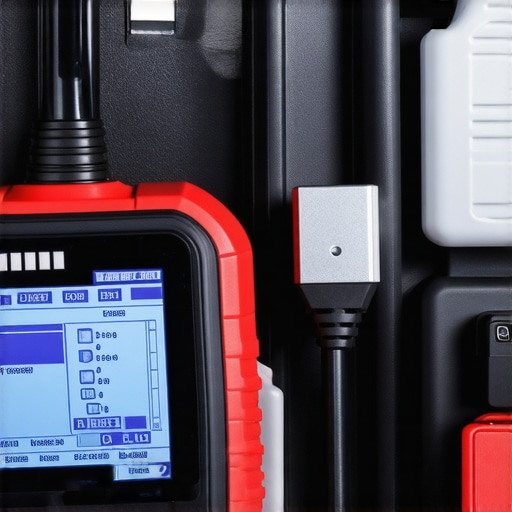 Throughout my journey with high-performance vehicles, I’ve realized that the devil is truly in the details—especially when it comes to oil changes and transmission maintenance. The hard lessons learned about choosing high-zinc oils and proper service techniques have shaped my approach, saving me from costly repairs and ensuring my car runs smoothly for miles. If you’re serious about keeping your luxury car in peak condition, embracing insider wisdom can make all the difference.
Lessons That Changed My Approach to Car Maintenance
- Not All Oils Are Equal: I used to think that any good-quality oil would do the job, but I learned that high-zinc formulations are essential for protecting high-performance engines from wear, especially during cold starts or under stress. This realization pushed me to become more diligent in oil selection.
- Skimping Costs More Long-Term: Cutting corners on oil quality or neglecting transmission service might save money upfront, but the resulting engine wear and potential failures are far more expensive. Investing in quality and regular maintenance has proven to be a smart choice.
- Proper Technique Matters: From assembling tools to ensuring correct torque on drain plugs and filters, the small details during an oil change prevent leaks and other issues. My early mistakes made me appreciate the value of preparation and patience.
- Disposal Is Part of the Deal: Responsible handling of used oil and filters isn’t just environmentally right—it’s also legally necessary. Making this a priority has added a layer of conscientiousness to my maintenance routine.
- Stay Informed with Trusted Resources: Relying on outdated information or generic advice can be detrimental. I keep myself updated through reputable guides and industry insights, like those found at [this resource on top oil change tips](https://autofixclinic.com/top-oil-change-tips-for-safe-driving-in-2025), to ensure my vehicle’s longevity.
Tools and Resources That Elevate Vehicle Care
- Quality Oil Extractor Pumps: Using a professional-grade oil extractor has saved me from messy oil changes and ensured complete drainage, especially in hard-to-reach engines. It’s a game-changer for maintainers who want efficiency and cleanliness.
- Bluetooth OBD-II Scanners: Staying ahead of potential transmission or engine issues is easier with a wireless diagnostic tool. These devices provide real-time data, allowing me to spot problems early and address them before they escalate.
- Maintenance Tracking Apps: Keeping tabs on service schedules with apps like MyCarfax ensures I never miss essential oil changes or fluid flushes. Setting reminders helps maintain optimal vehicle health without stress.
- Expert-Oriented Reading: Resources like [why regular oil changes extend your car’s lifespan](https://autofixclinic.com/why-regular-oil-changes-extend-your-cars-lifespan) now guide my decisions, blending practical advice with industry insights for comprehensive care.
Your Next Step in Car Excellence
Don’t wait for a warning light or strange noise to start caring for your vehicle. Taking proactive steps—like selecting the right oil, using quality tools, and staying informed—can profoundly impact your car’s performance and lifespan. Remember, mastering these nuances isn’t just about maintenance; it’s about empowering yourself as a responsible car owner.
What’s the biggest lesson you’ve learned about keeping your car running smoothly? Share your experiences below and let’s learn together!