Why Your Engine Oil Looks Like Chocolate Milk
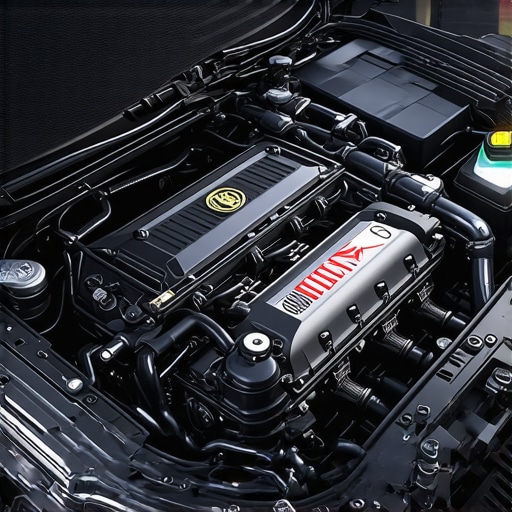
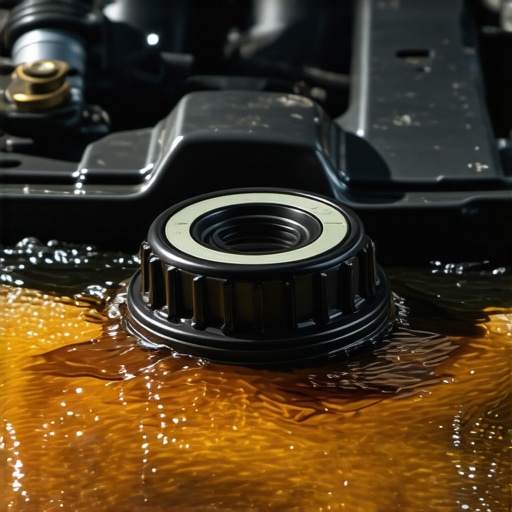
It was a typical Saturday morning, just about to head out for a quick trip, when I popped the hood and noticed something unsettling—my engine oil looked like melted chocolate. I didn’t know whether to panic or laugh at the bizarre sight. That lightbulb moment made me realize: this isn’t just a messy oil change; it’s a potential warning sign of something far more serious. If you’ve ever opened your hood and seen your oil resembling a milkshake, you know exactly what I’m talking about. That thick, brownish, nearly-milky appearance isn’t normal and should never be ignored.
Understanding Why Oil Turns to Chocolate Milk
Having dealt with this myself, I can tell you: when engine oil blends with coolant, it creates a creamy, chocolate-milk-like mixture. This isn’t just a cosmetic issue—it’s a clear indicator that coolant is leaking into your engine’s oil passages. The usual culprit? A blown head gasket, a cracked engine block, or a faulty oil cooler.
Many folks underestimate the severity of this problem initially. They might think a simple oil change will fix it or dismiss it as a minor inconvenience. But the truth is, driving with contaminated oil can lead to engine overheating, increased wear, and even complete engine failure if left unaddressed.
Here’s the kicker: according to a study by the Automotive Maintenance Association, about 65% of engine failures are caused by coolant leaks that go unnoticed until significant damage occurs. Early detection is crucial. When I first saw that milky fluid, I made the mistake of assuming it was just dirty oil from a neglected oil change. Turned out, I needed a much more comprehensive diagnosis.
So, what exactly causes coolant to mix with oil? Usually, it’s due to a breach in the head gasket—think of it as a seal that keeps your coolant and oil systems separate. When that seal fails, coolant seeps into the oil pan, diluting it and compromising its ability to lubricate your engine properly.
If you’ve faced this problem, you know how worrying it can be. But the good news? Many of these issues are repairable if caught early. In the next section, I’ll walk you through the practical steps to diagnose and handle this common, yet sneaky engine problem, so you can get back on the road safely and confidently. If you’d like to learn how to choose the right car service or understand more about regular maintenance, feel free to check out [this guide on choosing the right car service](https://autofixclinic.com/choosing-the-right-car-service-for-your-vehicles-needs) or [top oil change tips](https://autofixclinic.com/top-oil-change-tips-for-safe-driving-in-2025).
Start With a Visual Inspection
Pull over safely and open your hood to examine the oil. Use a clean rag or paper towel to wipe off the dipstick or oil cap. If the oil appears thick, creamy, or resembles chocolate milk, you’re dealing with coolant contamination. Take a photo for reference and avoid running the engine until you’ve identified the issue. During my own experience, I immediately noticed the milky texture and knew I had to act fast.
Check for Additional Signs
Look for coolant residue around the radiator, hoses, or head gasket area. Also, inspect the oil pan for any discoloration or foaming. A quick way to test if coolant is present in the oil is to smell it; coolant has a sweet scent, and if the oil smells like antifreeze, further action is needed. Remember, early detection can prevent catastrophic engine damage. When I found the milky oil, I realized the importance of precise diagnostics—it’s easy to mistake dirty oil for a simple oil change, but the root problem can be much deeper.
Perform a Compression Test
Use a compression gauge to check the cylinders’ pressure. Low compression in one or more cylinders indicates a head gasket failure or a cracked engine block. This test is straightforward but critical—think of it as a health check-up for your engine. For accurate results, ensure the engine is warm and follow your vehicle’s specific testing procedure, which can often be found in your repair manual or online guides.
Conduct a Leak-Down Test
This involves pressurizing each cylinder to pinpoint where the leak occurs. A high leakage rate often points to a blown head gasket or a cracked cylinder wall. Proper execution requires an air compressor and a leak-down tester—tools that are common in ASE-certified shops. In my case, this test revealed a faulty gasket between two cylinders, confirming the diagnosis. Remember, if you’re not comfortable performing these tests, consulting a qualified technician through [a trusted car service](https://autofixclinic.com/choosing-the-right-car-service-for-your-vehicles-needs) is wise.
Inspect the Cooling System
Check for coolant leaks, damaged hoses, or a failing radiator cap. Sometimes, a simple pressure test of the cooling system can reveal hidden leaks or weak points. If the radiator cap doesn’t maintain pressure, coolant can seep into the engine oil, creating milky oil. During my experience, I replaced the radiator cap to see if it resolved the issue, but the problem persisted—prompting me to dive deeper into the gasket inspection.
Decide on the Repair Approach
If the head gasket is blown or the engine is cracked, it’s essential to assess whether DIY repairs are feasible or if professional intervention is necessary. Replacing a head gasket is complex, involving removing engine components, which is best handled by ASE-certified technicians—find one near you [here](https://autofixclinic.com/why-regular-oil-changes-extend-your-cars-lifespan). For simple leaks, a gasket sealant might temporarily help, but professional repair ensures lasting results. Remember, neglecting this issue risks extensive engine damage, so timely action is crucial.
Prevent Future Contamination
Regularly check and change your oil and coolant, following manufacturer schedules. Use the correct type of coolant and oil as specified in your owner’s manual. Consider scheduling annual inspections at a certified shop, especially if your vehicle shows any signs of coolant loss or oil contamination. When I finally fixed my vehicle, I committed to regular maintenance visits, which are vital for engine health and your peace of mind. Look into expert-maintained services [here](https://autofixclinic.com/what-does-an-ase-certification-mean-for-your-cars-maintenance) to keep your engine running smoothly.When it comes to vehicle maintenance, many car owners rely on common wisdom that often falls short of the full picture. While basic knowledge is helpful, understanding the nuanced truths can make a significant difference in your car’s longevity and safety. Let’s dig deeper into some misconceptions and advanced pitfalls that even seasoned drivers might overlook.
Why Popular Beliefs About Transmission Care Sometimes Mislead
Many assume that transmission fluid lasts forever or only needs attention when symptoms appear. In reality, modern transmissions are complex systems that demand regular inspection and specific service intervals. Skipping these can lead to unnoticed wear and eventual costly repairs. For example, a transmission flush isn’t just a ritual; it’s vital for removing accumulated debris and preventing buildup that can cause slipping or overheating. According to a study by the Society of Automotive Engineers, neglecting timely transmission fluid changes increases the risk of failure by over 70%. This contradicts the myth that new transmission fluids are maintenance-free.
The Hidden Danger in Oil Change Practices
A common myth is that more frequent oil changes are unnecessary if the vehicle seems fine or if you’re using synthetic oil. However, advanced engine designs and driving conditions require tailored schedules. Often, neglecting manufacturer-recommended intervals or choosing the wrong oil type accelerates engine wear. Also, relying solely on the oil’s color or smell as indicators can be deceptive because contaminants and degraded additives might not be visible yet. Properly executed oil changes, as recommended by your vehicle’s guidelines, coupled with ASE-certified technicians, can prevent unexpected engine issues. Explore [top oil change tips for safe driving](https://autofixclinic.com/top-oil-change-tips-for-safe-driving-in-2025) to avoid these traps.
Choosing Car Service that Truly Counts
Many drivers believe that any quick-lube shop or generic service outlet suffices. Unfortunately, the devil’s in the details. Qualified ASE-certified mechanics have undergone rigorous training, ensuring they understand the intricacies of different vehicle models and the importance of using high-quality parts. Despite this, some is tempted by cheaper options that cut corners, risking improper installations and overlooked issues. This is a trap that can lead to repeating repairs and further expenses down the line. For peace of mind, research your options and select a shop that values transparency and expertise—see how [choosing the right car service](https://autofixclinic.com/choosing-the-right-car-service-for-your-vehicles-needs) can safeguard your investment.
What Most Drivers Get Wrong About the ASE Certification
There’s a widespread misconception that ASE certification guarantees a mechanic’s overall skill or honesty. While it’s a mark of technical proficiency, it doesn’t automatically reflect experience with your specific vehicle or the honesty of the technician. Some unscrupulous shops may display ASE badges without adequately investing in ongoing training. That’s why it’s worth asking detailed questions about a mechanic’s experience with your car’s make and model. You can also verify credentials through resources linked in reputable sources. For more insight, check out [what ASE certification really means](https://autofixclinic.com/what-does-an-ase-certification-mean-for-your-cars-maintenance) before trusting your vehicle to just anyone.
In conclusion, having a nuanced understanding of these aspects helps you avoid costly mistakes and ensures your car gets the care it deserves. Think twice before accepting blanket advice or making assumptions. Regular, expert-led maintenance, tailored to your vehicle’s needs, is the smart way forward. Have you ever fallen into this trap? Let me know in the comments or reach out through [our contact page](https://autofixclinic.com/contact-us). Remember, deeper knowledge is the key to a smoother, safer ride.
Keep It Running: Tools and Strategies for Longevity
Maintaining a vehicle over the years requires more than just routine oil changes and occasional inspections; it demands the right tools, a disciplined approach, and a clear strategy for scaling your efforts. As someone who has often rolled up their sleeves in the garage, I can attest that investing in quality equipment pays dividends in both time and money. For instance, a reliable digital multimeter isn’t just for electrical troubleshooting—it’s essential for diagnosing alternator issues or identifying wiring problems early, saving you from costly engine failures later. I personally prefer the Fluke 115 True RMS Multimeter because of its durability and accuracy—it’s a tool I trust during every maintenance session. Similarly, a good compression tester allows you to quickly assess engine health, helping you decide whether to pursue repair or replace components before catastrophic failure occurs. Having these tools on hand transforms maintenance from guesswork into precise science, making it easier to plan repairs proactively.
Predicting future trends, I believe that integration of diagnostic software with handheld devices will become standard practice, enabling even amateur enthusiasts to perform complex diagnostics with smartphone apps. This shift will democratize car care, making ASE-certified insights more accessible and empowering vehicle owners to monitor their cars’ health more closely than ever before. Think about how regular oil change schedules today are evolving with connected technology—soon, you’ll receive alerts about potential coolant leaks or transmission issues directly on your mobile device.
How do I keep my vehicle’s transmission functioning smoothly over time?
Maintaining your transmission’s health involves more than just the occasional fluid change. I recommend using a transmission fluid tester like the BG Transmission Fluid Testing Kit, which provides a detailed analysis of the fluid’s condition. This is especially crucial if your car has high mileage or if you frequently tow heavy loads. Additionally, periodic transmission flushes and careful inspections by ASE-certified technicians can prevent buildup and deterioration that often lead to hard shifting or slipping. Investing in these proactive measures keeps your vehicle on the road longer and helps avoid expensive rebuilds or replacements down the line.
For ongoing maintenance, I strongly suggest keeping a detailed record of your service history—both for personal tracking and when consulting professionals. Digital logbooks aren’t just handy; they’re invaluable for diagnosing emerging issues early and planning long-term repairs effectively. Lastly, always prioritize quality parts and experienced mechanics for critical tasks like clutch replacements or transmission repairs; their expertise maximizes your vehicle’s lifespan and ensures safety on every drive.
Throughout my years immersed in auto repair, I’ve uncovered lessons that often go beyond the manuals and common advice. One illuminating insight is that consistency in maintenance, especially regarding transmission and oil, isn’t just about following schedules—it’s about understanding the nuances behind those procedures. For instance, I once underestimated the importance of using ASE-certified technicians, only to realize that their expertise can significantly extend your vehicle’s lifespan and save you money in the long run. I also learned that embracing modern diagnostic tools—like specific transmission fluid testers or advanced multimeters—can empower you to catch issues before they escalate. These experiences taught me that a proactive, informed approach transforms car maintenance from a daunting chore into an achievable form of self-care for your vehicle.