How to read the wear patterns on your old oil filter
I’ll never forget the frantic moment I realized I had been changing my oil without truly understanding what the old filter was trying to tell me. There I was, under the hood, twisting and tightening, only to discover later that a simple wear pattern on my used filter could have revealed a lurking engine issue. That lightbulb moment sparked my curiosity: could I learn to read these wear patterns and spot problems before they turn into costly repairs?
Unveiling the Secrets Hidden in Your Oil Filter
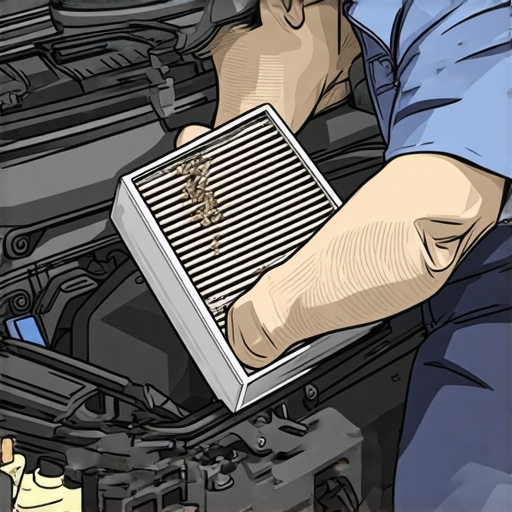
What if I told you that your used oil filter is like a health report card for your engine? By paying attention to the wear patterns and debris trapped inside, you can gain invaluable insights into the condition of your engine and its components. However, I must admit, early on I made the mistake of dismissing these signs as insignificant, which occasionally led to overlooking a developing problem. Since then, I’ve learned that reading these patterns is an empowering skill that can save you money and extend your vehicle’s lifespan.
Is Checking Wear Patterns Overhyped?
If you’re skeptical, you’re not alone. I was too—initially I thought, “It can’t be that simple to interpret what my old filter is telling me.” But after some research, I discovered that regular analysis of wear patterns is embraced by experienced mechanics and mitigates catastrophic failures. For example, a study highlighted by AutoFix Clinic emphasizes that consistent oil changes and wear pattern recognition significantly contribute to vehicle longevity. So, yes, it’s worth paying attention to—if you’re willing to learn the cues.
If you’ve ever wondered how to spot signs of engine wear early on or just want to feel more confident in your DIY maintenance routine, this post will guide you. We’re going to walk through how to approach worn filters without jumping to conclusions, and I’ll share practical tips inspired by my own experiences, so you can make smarter decisions on the road.
Start with a Clean Inspection Area
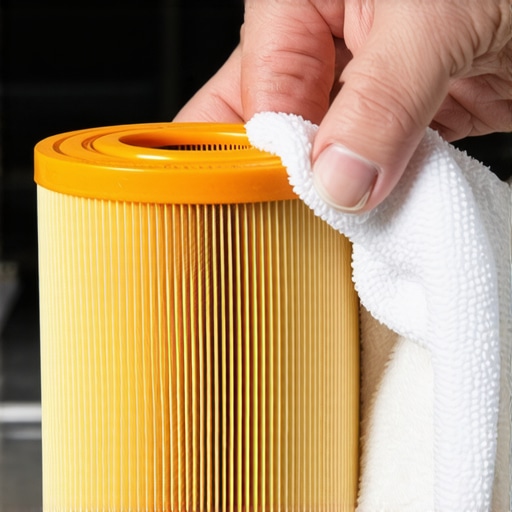
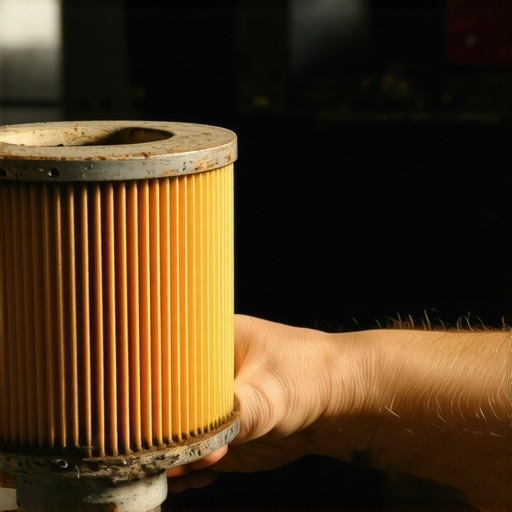
Before diving into wear pattern analysis, ensure the used oil filter is free of excess oil and debris. Use a clean rag to wipe it down thoroughly to reveal distinct patterns clearly. I learned this the hard way during a weekend DIY session when I overlooked this step, resulting in misinterpreted wear signs that led me astray for a few more drives.
Identify and Document Wear Patterns
Look for signs like uneven texture, discoloration, or embedded debris inside the filter. Use a magnifying glass if necessary, and take detailed notes or photographs. When I examined a filter featuring a slight oily sheen in certain areas, I captured high-resolution images, which I later studied to correlate specific patterns with engine issues like oil starvation or bearing wear.
Decode Wear Pattern Colors
Colors convey vital info: light grey indicates normal wear, black or soot suggests rich fuel mixture or incomplete combustion, while reddish or brownish hues may point to corrosion or coolant leaks. I once misread a reddish tint as contamination, only to realize it was early-stage corrosion after consulting a trusted mechanic’s guidance.
Assess Debris and Particulates
Large metal flakes or flecks hint at serious internal damage. Use a small magnet or aluminum foil to distinguish ferrous metal from aluminum debris. During routine check, I found tiny ferrous particles on the filter surface, prompting an immediate engine inspection, ultimately saving me from a potential crankshaft failure.
Relate Patterns to Engine Conditions
Compare your findings against common wear scenarios. Regularly occurring patterns like uniform deposits often indicate normal aging, whereas localized buildups or uneven textures can signal specific issues such as worn piston rings or valve seal leaks. I once noticed uneven buildup in my filter, which led me to verify my valve seals, preventing costly repairs.
Consult Reliable Resources and Experts
Use trusted sources like automotive forums, manufacturer service guides, or ASE-certified technicians for interpretation. An example: I referred to ASE certification insights to validate my interpretations. When in doubt, scheduling a professional diagnosis is the safest action, especially if wear patterns indicate evolving engine issues.
 Many drivers operate under myths surrounding transmission care, thinking that basic maintenance covers all essentials. However, the reality is more nuanced. For instance, the common belief that “oil changes are enough to keep your transmission healthy” oversimplifies the complex nature of transmission components. While regular oil changes, like those recommended in oil change routines, are vital, they don’t address issues like transmission fluid degradation or internal wear patterns that can precede failure. An advanced mistake I encountered was ignoring transmission fluid color and smell; many assume red is always good, but darker or burnt-smelling fluid indicates pending problems, as detailed in this guide. Additionally, a widespread myth suggests that “topping off” transmission fluid prevents major repairs—yet, overfilling or using incorrect fluid can do more harm than good. Proper diagnosis involves understanding the nuanced signs, such as whining noises or delayed shifts, which often point to deeper issues like worn-out clutch plates, highlighted in transmission-specific errors.
The assumption that all car service providers are equally qualified is dangerous. Many rely on basic knowledge, but ASE-certified technicians bring advanced expertise that can identify hidden issues early—see this explanation. A critical trap is neglecting to consider transmission health during routine oil changes—timing and thorough inspections matter. For example, overlooking subtle signs like a slight delay in gear engagement can escalate into costly repairs if not properly diagnosed.
Let’s address a question for the experienced: How do advanced diagnostics differentiate between minor sensor glitches and actual transmission failures? Experts suggest that combining multiple indicators—like monitoring shift patterns, sensor data, and fluid conditions—can provide a clearer picture of transmission health. Regularly practicing this holistic approach ensures early detection and preserves transmission integrity.
In light of these nuances, it’s clear that approaching transmission maintenance with a comprehensive understanding can save you significant costs down the line. Stay vigilant about signs beyond the obvious, and don’t hesitate to seek expert advice when in doubt. Remember, smarter maintenance strategies are often the key to extending your vehicle’s lifespan.
Have you ever fallen into this trap? Let me know in the comments.
Tools That Keep Your Car Running Smoothly
Investing in high-quality tools isn’t just about convenience; it’s about ensuring your maintenance routines are effective and safe. My personal go-to is a digital oil tester like the OE Oil Test Kit. It allows me to monitor oil quality precisely, helping me determine whether an oil change is genuinely necessary, which aligns with the importance of timely oil changes. This proactive approach prevents premature engine wear.
Additionally, diagnostic code readers such as the BlueDriver Bluetooth Pro help me instantly identify transmission or engine issues without trips to the mechanic. These devices sync with smartphone apps to give real-time data, making troubleshooting straightforward, especially when I suspect subtle transmission problems that might lead to costly repairs if ignored.
For physical inspections, a mechanic’s stethoscope is a surprisingly underrated tool. It enables me to pinpoint noisy components like transmission or power steering pumps. This is invaluable for diagnosing persistent whines or squeals, which could be signs of impending failure. When used consistently, these tools extend the lifespan of critical parts and help me plan preventive measures well in advance.
Long-Term Maintenance Strategies
Set a schedule for regular fluid analysis to catch early signs of contamination or degradation. For example, sending transmission fluid samples to a lab for oil analysis can reveal wear particles, indicating internal component issues before they become serious. Pair this with routine visual inspections, which I perform using a quality flashlight like the Maglite LED. Good lighting and sharp tools make all the difference in catching minute wear signs early.
Scaling Equipment for Bigger Fleets
For fleet managers, investing in diagnostic software like the AutoEnginuity Scan Tool can automate monitoring multiple vehicles simultaneously. This software integrates with your existing diagnostic systems and provides diagnostic reports, helping you plan maintenance, prevent breakdowns, and keep costs predictable. As fleet owners look toward the future, adopting connected diagnostics is a trend that will become standard practice, reducing downtime and improving safety.
How do I maintain transmission and oil systems over time?
Consistent preventive maintenance is key. I recommend scheduling regular fluid analyses and keeping a detailed maintenance log. Modern tools are advancing rapidly, with ASE-certified technicians endorsing comprehensive diagnostic routines that catch problems early. An example: using a quality transmission fluid cooler combined with scheduled fluid flushes can dramatically extend your transmission’s lifespan. Don’t forget, keeping an eye on fluid color and smell, as explained here, provides crucial clues about internal wear. My tip? Start integrating regular fluid testing into your maintenance routine—you might be surprised how much longer your transmission can last.
What My Mistakes Taught Me About Listening to My Car
One of the most valuable lessons I learned was that my engine and its components communicate with subtle signals, if only I took the time to listen. Ignoring small clues like uneven wear patterns or unusual debris inside my filters not only cost me money but also robbed me of the chance to deepen my understanding of my vehicle’s health. Recognizing that these signs are part of a bigger conversation transformed my maintenance routine from reactive to proactive, saving me from major repairs down the line.
Unearthing the Power of Trusted Tools and Resources
Over time, I discovered that investing in specific tools and resources makes all the difference. A quality diagnostic code reader like the BlueDriver Bluetooth Pro became my eyes when checking engine issues, especially with transmission quirks. I also rely on detailed guides from AutoFix Clinic for fundamental maintenance tips that keep my vehicle running smoothly. These tools and trusted sources empower me to make informed decisions rather than guesswork, building confidence that I’m doing what’s best for my car.
The Journey Continues with Intention and Care
Looking back, I realize that the real reward lies in cultivating a mindset of continuous learning and attentiveness. Taking small steps—like regular fluid checks, examining wear patterns, and consulting reliable resources—not only prolongs your vehicle’s lifespan but also transforms maintenance from a chore into a meaningful dialogue with your car. Remember, your vehicle’s health reflects your commitment, and even minor attentiveness today can prevent major headaches tomorrow. Embrace the process, stay curious, and let your car tell its story.