How to Identify a Failing Fuel Injector Without a Diagnostic Tool
Ever been stranded on a road trip, feeling that sudden loss of power, and thinking, “Is it my fuel injector?” Trust me, I’ve been there. That frustrating moment when your car hesitates, sputters, or stalls unexpectedly can turn a simple drive into a nerve-wracking ordeal. What made it worse? Not having diagnostic tools at hand—just a basic mechanic’s intuition and a lot of sweat. But over the years, I’ve learned that you don’t always need fancy gadgets to spot a failing fuel injector.
Knowing When Your Fuel Injector Is on the Fritz
Many car owners overlook the early signs of injector trouble—misfires, rough idling, or poor acceleration. Early detection can save you hundreds of dollars and prevent a breakdown. Today, I’m going to share practical, real-world tips to identify a failing fuel injector without relying solely on diagnostic scanners. Think of it as unlocking your car’s health with some simple clues and a keen eye, rather than expensive equipment.
Is Running on Fumes Actually Worth the Hype?
Now, I’ll admit—I made a rookie mistake early on. I thought that if the engine still ran, everything was fine. Turns out, I was ignoring subtle signs that my fuel system was slowly breaking down. Spoiler alert: neglecting these symptoms can lead to serious engine damage, and no fancy tools can fix a severely damaged injector once it’s dead. Recognizing these symptoms early is akin to giving your car a quick check-up with just your senses. Curious about reliable ways to keep your engine running smoothly? Check out why regular oil changes matter as part of your preventative care.
Let’s dive into how you can arm yourself against the dreaded fuel injector failure—no diagnostics required. Are you ready to troubleshoot like a pro? Then, let’s go.
Start with a Visual Inspection
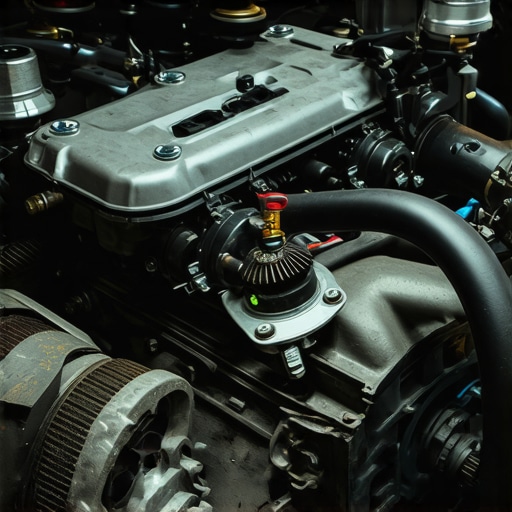
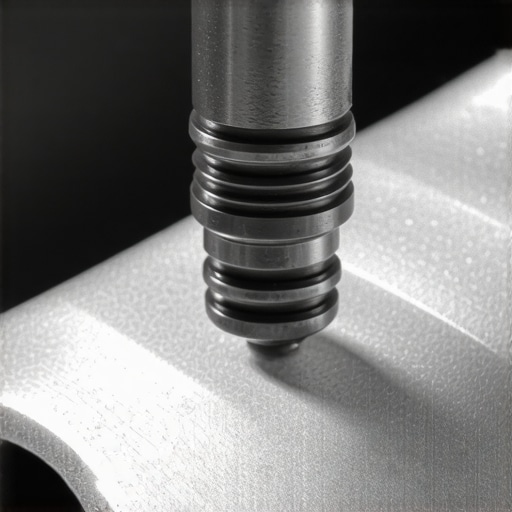
Before turning to high-tech scanners, open your hood and examine the fuel injectors for signs of dirt, corrosion, or leaks. I recall one time, during a weekend repair, I noticed a damp, dark residue around one injector. That visual cue led me to suspect a leak, which turned out to be a minor crack in the seal. Cleaning the area carefully with a cloth, then reseating the seal, temporarily improved performance. This simple step can often reveal clues that you might miss otherwise.
Listen for Engine Misfires and Hesitation
Sometimes, your ears tell you more than you think. During a road trip, I started noticing my engine hesitating during acceleration. Instead of rushing to replace parts, I gently pressed the throttle and listened for misfires or sputtering sounds. A rough idle or uneven hesitation—like a hiccup in the engine’s rhythm—often points to injector issues. Paying close attention to these patterns helps you pinpoint problems early on.
Perform a Fuel Pressure Test
Using a basic fuel pressure gauge, you can measure whether your system maintains the correct pressure. When I did this on my vehicle, I connected the gauge to the Schrader valve and observed the pressure staying below specifications. A drop suggests clogged or failing injectors. This test doesn’t require an ASE certification, just patience and a manual. Check your car’s manual to find the correct pressure range; it’s a straightforward diagnostic step that saves time and money.
Monitor Engine Performance Under Load
Take your car for a drive on a hilly route or accelerate onto the highway. If the engine struggles, stalls, or feels uneven, it could indicate injector problems. I once drove through a steep hill and felt my car lose power, which prompted me to check the fuel injectors. Real-world driving tests like this are invaluable because they replicate typical conditions where injector issues manifest.
Use the Spark Test Technique
This method involves disconnecting the fuel injectors one at a time while the engine is running, to observe changes in RPM. While this sounds technical, you can do it safely with proper gloves. When I tried it, disconnecting a failing injector caused noticeable RPM drop, confirming the suspect component. Remember, always follow safety precautions and consult your manual or a professional if uncertain. This hands-on approach is a practical way to narrow down a faulty injector without expensive equipment.
Check for Excessive Fuel Consumption
If your fuel bills are climbing unexpectedly, and you notice black smoke or smell fuel odors, these could be signs of injector failure. I once noticed my engine was consuming more fuel than usual, which led me to inspect the injectors. Replacing clogged or leaking injectors improved economy remarkably. Regularly monitoring your fuel usage and performance can alert you to issues long before a breakdown occurs.
Conclusion
Identifying a bad fuel injector doesn’t require fancy gadgets—just keen observation and some basic tools. By visually inspecting parts, listening to your engine, performing pressure tests, and paying attention to driving cues, you become your own mechanic. Want to learn more about car maintenance? Explore why regular oil changes are vital for longevity. Remember, early detection keeps repairs affordable and your engine running smoothly.When it comes to car maintenance, many believe that having an ASE certification guarantees flawless service and that quick, cheap fixes are sufficient. However, this oversimplification often leads to misconceptions and costly mistakes. For instance, many assume that all transmission issues stem solely from fluid levels, but in reality, subtle internal damage can persist even after a fluid change, which might cause slippage or rough shifting down the line—understanding these nuances can save you significant trouble. Moreover, the popular myth that an oil change is just about replacing oil overlooks the importance of inspecting and replacing related components like filters and drain plugs, which if neglected, can compromise engine health. Advanced errors include assuming that ASE certifications encode comprehensive expertise; in truth, certifications reflect a technician’s knowledge at a certain time, but ongoing education is vital given how rapidly automotive technology evolves, like the shift to hybrid systems or advanced driver-assist features.
Why do some ASE-certified mechanics miss hidden transmission problems, and how can you tell?
Studies show that even certified technicians can overlook symptoms like minor slippage if they rely solely on visual inspections or standard diagnostic tools. It’s crucial for drivers to deepen their understanding beyond certs and ask targeted questions or request specific tests. For example, a simple test drive revealing hesitation on inclines might be overlooked if the mechanic focuses only on fluid levels. External expert sources, such as the reports from the Car Care Council, emphasize that ongoing education and tailored diagnostic procedures are key to accurate repairs. This is especially relevant when dealing with complex systems like transmissions, where a simple fluid change might mask deeper issues—so always question whether your mechanic is employing advanced diagnostics or just routine procedures. Remember, shortcuts in car service, whether neglecting comprehensive inspections or relying solely on certification status, can lead to expensive repairs later. Want to learn more about selecting trustworthy service providers? Check out https://autofixclinic.com/choosing-the-right-car-service-for-your-vehicles-needs and stay informed. Have you ever fallen into this trap? Let me know in the comments.
Investing in Reliable Equipment for Consistent Vehicle Care
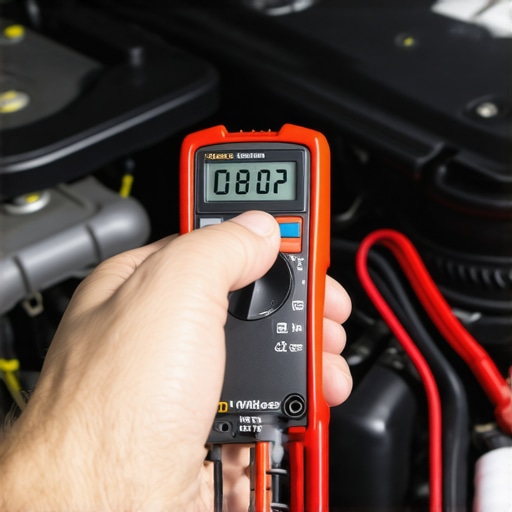
To ensure your car remains in top shape, especially when managing transmission issues or oil changes, having the right tools is essential. I personally rely on a high-quality digital multimeter for diagnosing electrical problems like alternator or battery issues—it’s precise and easy to read, saving me time and guesswork. For fluid checks, I suggest using a professional-grade transmission fluid test kit, which allows you to assess the condition of your transmission fluid without a trip to the mechanic. Additionally, a good set of brake bleeder tools simplifies routine brake maintenance, ensuring safety and performance continuity.
Incorporating software into your maintenance routine can also be transformative. I recommend using diagnostic apps compatible with affordable OBD-II scanners like the BlueDriver. These apps provide real-time data and error codes that assist in spotting issues early—before they escalate. As automotive technology advances rapidly, investing in such tools is a proactive approach to car care, aligning with trends towards smart, connected maintenance solutions.
Future Trends in DIY Vehicle Maintenance
Looking ahead, I predict the rise of smartphone integration with diagnostic tools, making professional-grade diagnostics more accessible. Moreover, manufacturers are developing more intuitive apps that guide owners through repairs and maintenance schedules, empowering DIY enthusiasts. Staying informed and equipped now can position you as a more autonomous and savvy vehicle owner.
How do I maintain ASE certifications and stay ahead
Maintaining your ASE certification involves continual education—attending workshops, exploring new diagnostic techniques, and staying updated with the latest vehicle systems. Regular practice with advanced tools, like infrared thermometers for checking transmission overheating or using oil analysis laboratories periodically, can sharpen your skills. Remember, certification isn’t just a badge; it requires ongoing effort, especially as vehicles become more complex with hybrid and electric options. To deepen your understanding of what ASE certifications entail, check out this resource.
For instance, routinely performing a thorough oil change using quality synthetic oils and filtering systems, coupled with in-depth inspections, can vastly extend your vehicle’s lifespan. Don’t hesitate to try the advanced technique of conducting a detailed transmission fluid analysis periodically—it’s a game-changer for early detection of internal wear. Remember, the goal is proactive maintenance, not reactive repairs, which ultimately saves you money and preserves your car’s value.
Keep Your Car on the Road – Stay Prepared
Whether you’re tackling minor repairs or planning a full service, equipping yourself with the right tools and knowledge is a game-changer. Explore how selecting the right vehicle service ensures your maintenance stays on track. Also, considering the long-term perspective—like the importance of regular oil changes—can prevent costly transmission repairs down the line. Incorporate advanced diagnostic methods today, and your car will thank you for years to come.

Lessons From My Garage: Sharper Eyes Save Big Bucks
- One of the hardest lessons I learned was trusting my senses over gadgets. Visual clues like dirt, leaks, or corrosion often reveal issues that scanners ignore. When I ignored these signs, I paid dearly—sometimes with a tow.
- Listening carefully to engine hesitations or misfires taught me more than any code reader. These subtle cues can warn you ahead of costly failures, especially if you notice odd sounds or rough idling during your daily drive.
- A simple fuel pressure gauge became my favorite diagnostic tool. It’s affordable, easy to use, and showed me issues invisible to the naked eye—saving time and money in the process.
- Driving patterns, like struggling on inclines, sharpen my instinct for impending injector problems. Real-world tests often spot issues before they escalate, making me more confident in my DIY repairs.
- Regularly monitoring fuel consumption anomalies helps catch trouble early. I’ve seen how increased fuel bills or smoky exhaust are signs that your fuel injectors might be clogging or leaking—avoid neglecting these signals.
My Go-To Resources for Keeping the Engine Happy
- Diagnostic Apps and OBD-II Scanners: Tools like BlueDriver have transformed how I monitor engine health. They’re affordable and provide real-time insights, bridging the gap between professional and DIY diagnostics.
- The Car Care Council Website: Offers invaluable tips on preventive maintenance. I always check their advice before tackling complex repairs—trustworthy and up-to-date.
- Truck and Car Maintenance Books: Titles like “Automotive Technology” by Mosley give in-depth knowledge, helping me understand how systems like fuel injection work beyond just replacing parts.
- Community Forums and Local Workshops: Sharing experiences with fellow enthusiasts keeps me sharp. Sometimes, the best tips come from someone who’s faced the same trouble in their driveway.
Stay Curious, Keep Moving Forward
Proactively maintaining your vehicle, especially by mastering simple checks for fuel injectors, builds confidence and extends the life of your car. Remember, the journey to becoming a better DIY mechanic isn’t about perfection but continuous learning. Explore why regular oil changes are vital to keep your engine running smoothly alongside these injector tips. Your future self will thank you for taking these steps now. Ready to become the steady hand behind your car’s health? What small check have you found most useful before heading out on the road? Share your story below.