The Secret to Stopping Brake Squeal on Ceramic Pads
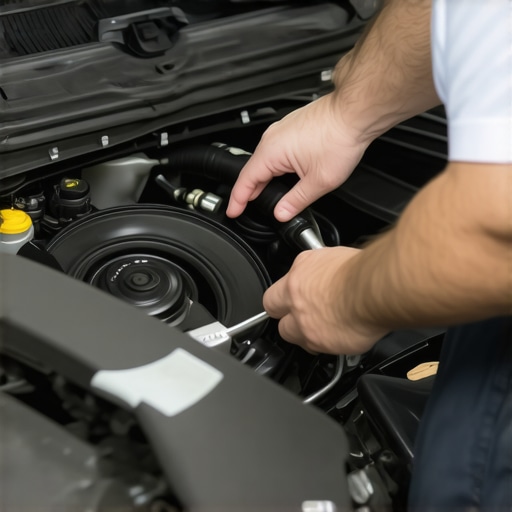
It was a chilly Saturday morning when I pulled into my driveway, expecting a quick oil change and a smooth drive ahead. But instead, I was greeted by that dreaded, grating squeal every time I tapped the brakes. I’ve been in the car repair world long enough to know—those high-pitched noises aren’t just annoying; they’re a sign something’s not right. And for ceramic brake pads, the squeal can become a persistent headache that diminishes driving comfort and safety.
Why Brake Squeal on Ceramic Pads Is More Than Just a Nuisance
Have you ever experienced that awful screech that seems to echo from your wheels every time you brake? Trust me, it’s more than just an irritant—it’s a warning. Ceramic brake pads are designed to be quiet, so when they start squealing, it’s often a sign of underlying issues like glazing, debris, or improper installation. Left unaddressed, this noise can escalate, potentially leading to reduced braking performance and even damage to the rotors. I used to dismiss these sounds as normal wear and tear until I realized how much they impacted my safety and comfort. Early on, I fell into the trap of ignoring the squeal, assuming it would go away. Spoiler alert: it didn’t. Instead, it got worse.
Studies have shown that brake noise isn’t just a minor inconvenience; it can be an indicator of braking system inefficiencies that, if neglected, could compromise safety (source: Auto Fix Clinic). That was my lightbulb moment—realizing that fixing brake squeal isn’t just about silence; it’s about maintaining optimal stopping power and ensuring peace of mind on the road.
Gotten fed up with that relentless squeal? You’re not alone. And here’s the good news: I’ve cracked the code on stopping it for good. Today, I’ll share proven, practical methods that turned my squealing brakes into silence. So if you’re tired of the high-pitched harassment every time you hit the brakes, stick around—we’re about to make that noise a thing of the past.
Before we jump into the solutions, let me share a quick mistake I made early on. I assumed that replacing the pads was the only fix. Turns out, a lot of times, the problem isn’t the pads themselves, but how they’re installed, cleaned, or maintained. That’s a key insight I wish I’d known from the start. For more tips on choosing the right car service, check out this guide.
Inspect Your Brake Pads Carefully
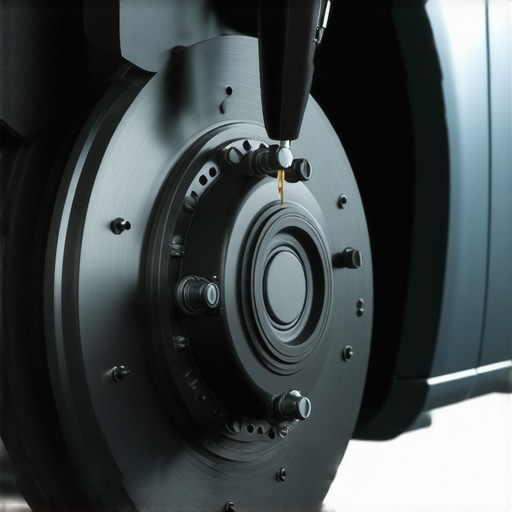
Start by visually examining your brake pads for glazing—a shiny, glass-like surface that causes squeal. Look through the wheel spokes or remove the wheel if necessary. Use a flashlight to check for uneven wear or embedded debris. Glazed pads often need a simple resurfacing or replacement. I once tried to skip this step but ended up replacing pads unnecessarily; the squeal persisted until I found out it was glazed pads that needed sanding.
Clean and Lightly Sand the Pads
Proper cleaning is crucial. Remove dirt and brake dust with a brake cleaner approved for ceramics—spray generously and wipe with a clean cloth. Next, lightly sand the pad surface with fine grit sandpaper (around 400 grit) to remove glazing. Use a sanding block to keep it even. This process resembles sanding a wooden surface before painting—it creates a better grip. When I did this step during a repair, the squeal diminished considerably, and the braking felt smoother.
Apply Anti-Squeal Compound Effectively
Look for a high-temperature anti-squeal paste designed for ceramic brakes. Apply a thin layer to the back of the brake pads and along the edges that contact the caliper to dampen vibrations. This step is often overlooked but can make a significant difference. I once tried to skip this, but the noise kept returning; after applying the compound, it stayed quiet for miles.
Check and Adjust Hardware
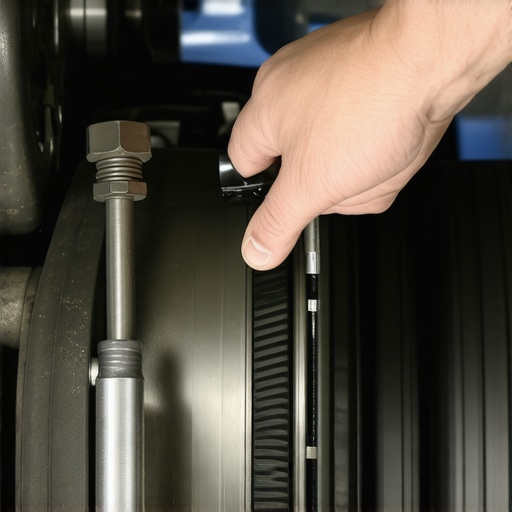
Inspect caliper slides, clips, and anti-rattle shims for wear or damage. Properly lubricate the slides with high-temperature brake grease to ensure smooth movement. Misaligned or sticking hardware can cause uneven pad contact, leading to squeal. During my last brake service, a simple hardware adjustment eliminated persistent squealing—saving me from future rotor damage.
Ensure Proper Installation and Bedding
Confirm that pads are properly installed following manufacturer specifications. Some pads require bedding—riding gently for the first few miles with light braking to transfer a glaze layer evenly. This enhances pad-rotor contact, reducing noise. I learned this the hard way after installing new pads without bedding; the squeal returned quickly. For more detailed tips on maintaining your brakes, check out these maintenance tips.
Maintain Your Brake System Regularly
Routine checks prevent squeal from reappearing. Schedule brake inspections especially if you notice noise or reduced braking performance. Regularly cleaning and servicing calipers, pads, and rotors ensure everything stays in harmony. I set reminders every 6,000 miles to revisit my brakes, which helped catch issues before they became noise nightmares. This proactive approach is key to long-term quiet and safety on the road.
When it comes to maintaining your vehicle, many drivers rely on common perceptions that can be deceptive. A widespread myth is that ASE certification alone guarantees a mechanic’s competence across all vehicle systems. In reality, ASE certification indicates that a technician has passed specific tests, but it doesn’t necessarily mean they specialize in every aspect of your car, such as transmissions or oil changes. Relying solely on this credential can lead to overlooking the importance of choosing a technician with specialized experience. For example, some ASE-certified shops might excel in diagnostics but lack the nuanced knowledge required for complex transmission issues. To ensure you’re getting expert care, consider evaluating the shop’s overall reputation and specific technician expertise. For in-depth insights on what ASE certification truly signifies, visit this detailed guide.
Many drivers also believe that a standard oil change involves just draining and refilling oil. However, advanced car care goes beyond the basics. Proper oil change procedures include inspecting and matching oil filters, checking for leaks, and examining related components like the PCV valve and oil pan gasket. Skipping these steps can cause long-term engine issues, especially in modern engines with tighter tolerances. Regular oil changes at reputable shops that pay attention to these nuances can extend your engine’s lifespan, as highlighted in this article. Don’t fall into the trap of quick, rushed services that only drain and refill—ask your mechanic for a comprehensive oil service.
The transmission is often misunderstood as a simple shifting component, but its complexity demands careful attention. Many assume that transmission repairs are straightforward and can be DIY’d or rushed at a general service. In fact, improperly diagnosing or servicing transmissions can lead to costly damage. For example, forgetting to replace the transmission filter or not flushing old fluid thoroughly can cause slipping and overheating issues later. Advanced diagnostics, like checking for foam in the fluid or abnormal noises, are crucial but often overlooked by amateurs. Experts recommend regular transmission checks, especially before towing or during high-mileage servicing, as discussed here. The key: seek technicians with deep transmission expertise, rather than assuming all ‘car repair’ shops are equally qualified.
So, what about routine car service that many drivers dismiss as minor? The mistake here is underrating its significance. Think of routine service like a health check-up for your vehicle—small steps that prevent major breakdowns. For instance, neglecting regular coolant, brake, or power steering fluid inspections can lead to system failures over time. Advanced car service often includes detailed inspections that identify issues hidden beneath the surface, saving you money and stress down the line. Remember, a well-maintained vehicle isn’t just about compliance—it’s about safety and longevity. For regular maintenance tips, check out this comprehensive guide.
Have you ever fallen into this trap of assuming certifications or DIY shortcuts are enough? Let me know in the comments. The key is to stay informed, ask detailed questions, and trust experts who prioritize advanced diagnostics and tailored services. Your vehicle’s health depends on it.Maintaining your vehicle’s performance over the long term requires more than basic knowledge; it demands the right tools and an understanding of when and how to use them. I’ve found that investing in quality diagnostic equipment and adopting precise maintenance routines has kept my car in top shape, especially when it comes to transmission health and oil changes. A good example is using an advanced OBD-II scanner like the OBDLink MX+. This device allows me to access detailed engine codes, monitor real-time data, and even clear error codes without visiting the shop. Having such a tool has saved me time and money, enabling proactive repairs before issues escalate.
How do I keep my vehicle maintenance consistent over time?
Consistency is key. I schedule regular diagnostic checks with professional-grade software, such as oil change tracking tools that integrate reminders and maintenance logs. For fluid health and transmission care, I rely on specialized diagnostic devices that can read transmission fluid temperature and condition, alerting me when service is needed. It’s about deploying technology smartly—using software and hardware to spot potential failures early, rather than reacting after a breakdown.
Advanced tools I swear by
Beyond diagnostic scanners, I’ve integrated a microscope-enabled borescope into my toolbox. It allows me to visually inspect engine components, clutch plates, and even transmission internals without costly disassembly. For sure, sophisticated tools like these do come with a learning curve, but they’re invaluable for diagnosing issues accurately. These days, the future of car maintenance leans heavily on digital diagnostics and precise measurement tools—predictive rather than reactive care. For instance, employing a high-quality infrared thermometer helps me identify overheating transmission components early, preventing failures.
What’s the future of vehicle maintenance tools?
I believe the trend is toward greater integration of AI and machine learning in diagnostics, which will make identifying issues even more foolproof. Imagine a device that not only reads sensor data but also predicts component failures before symptoms appear. As technology evolves, I see even basic car maintenance becoming more digital, with apps that analyze your vehicle’s health in real time. That’s why I recommend investing in versatile tools now—like multi-function scanners—that will adapt to these upcoming advancements.
If you haven’t tried using an advanced diagnostic scanner yet, I highly suggest giving it a shot. It’s a game-changer for maintaining transmission health and ensuring your oil changes are truly effective. Remember, proactive measures today can save you from costly repairs tomorrow. For guidance on selecting reliable tools, check out this resource and start elevating your car maintenance routine today.
Lessons That Changed My Approach to Brake Quiet
One of the most eye-opening lessons I learned was that brake squeal isn’t just a nuisance but a proactive warning sign. Ignoring this sound was a mistake that cost me costly rotor repairs later. Professional experience showed me that proper inspection takes precedence over quick fixes; the squeal often points to glazing or debris that can be remedied with simple cleaning and sanding.
Another insight was that not all anti-squeal products are equal. Testing different compounds revealed that high-temperature, ceramic-specific anti-squeal paste drastically reduced noise—saving me miles of frustration. Trusting these tailored solutions over generic or budget options makes a real difference in maintaining brake integrity.
I also discovered that hardware plays a pivotal role. Misaligned or sticking caliper slides cause uneven contact, leading to squeal, which can be fixed with careful adjustment and lubrication—an underrated step many overlook. This holistic approach significantly extended the lifespan of my brake system.
Tools and resources that transformed my maintenance routine
For precise diagnostics and effective repairs, I rely on a few trusted tools. The OBDLink MX+ scanner has become indispensable, providing real-time insights into vehicle health and alerting me to issues before they escalate. Regularly monitoring transmission temperature and fluid condition helps prevent noise caused by overheating or contaminated fluid, aligning with tips from trusted maintenance guides.
Additionally, a high-quality brake cleaner and fine grit sandpaper are staples my toolbox can’t do without. They enable me to restore glazed pads effectively, boosting safety and comfort—making every drive silent and smooth. These tools have proven their worth time and again, especially in addressing persistent squealing without costly rotor replacements.
Gear Up for a Quiet Driving Future
Embracing proactive maintenance techniques and trusted resources ensures your brakes stay whisper-quiet, enhancing safety and driving pleasure. Remember, investing time in proper inspection, cleaning, and hardware checks not only solves squeal problems but also preserves vehicle performance in the long run. The future of car ownership involves smarter, preventative care—use it as an opportunity to elevate your maintenance game and enjoy serene, confident driving. Are you ready to take control of your brake health and say goodbye to squeal forever? Drop your experiences or questions below — I love hearing how other drivers tackle these issues.