The Real Reason Your Car Battery Dies Every Three Years
Ever been stranded on the side of the road because your car refused to start, only to realize that your battery gave out right on schedule—every three years? I vividly remember that feeling of frustration, cursing under my breath as I popped the hood in the pouring rain, hearing that telltale click. It dawned on me that this wasn’t just bad luck or some mysterious flaw. Over the years, I’ve learned there’s a real reason behind these sudden battery deaths, and understanding it has saved me from countless breakdowns—and a lot of money.
Uncovering the Hidden Culprit Behind Your Battery’s Short Life
After my first few battery replacements, I thought I was simply cursed with bad luck or inferior products. But eventually, a trusted ASE-certified technician pointed out a pattern: most car batteries die prematurely due to overlooked maintenance issues and environmental factors, not just age. The truth is, the combination of extreme temperatures, parasitic drains, and forgotten diagnostics can seriously shorten your battery’s lifespan. Knowing this changed everything for me—and it can for you too.
Today, I’ll share the key reasons why your car battery may be dying every three years and, more importantly, how you can prevent it. Think of it as a neighborly guide to extending your battery’s life so you don’t find yourself in that sticky roadside situation again. Trust me, understanding these underlying causes is worth its weight in gold—or at least in avoided towing fees.
Is Your Battery Life Truly Shorter Than It Should Be?
Like many new to car ownership, I used to believe that batteries simply had a fixed lifespan, and there wasn’t much I could do about it. I made the mistake early on of ignoring my alternator health or dismissing warning signs, thinking they weren’t urgent. That mindset set me up for repeated failures, and I realized how critical proper diagnostics and regular maintenance are. For a deeper dive into how ASE techs diagnose battery issues, check out what ASE certification really means.
So, if your own car is giving you hot and cold starts every three years, don’t just replace the battery and hope for the best. Instead, let’s explore what’s really going on behind the scenes and arm you with the knowledge to outsmart this common problem.
Ready to stop the cycle and keep your car reliance stress-free? Let’s get started.
Perform Regular Battery Inspection
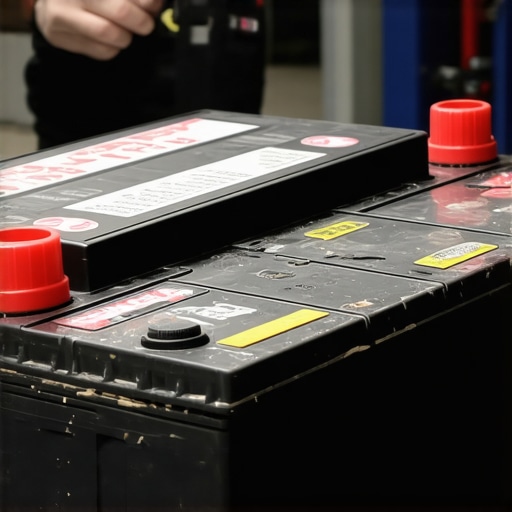
Start by visually checking your battery’s terminals for corrosion or loose connections. I recall a time when I noticed a white, powdery build-up on mine; cleaning it with a mixture of baking soda and water restored proper contact and extended the battery’s life. Use a wire brush to gently scrub away corrosion, then ensure terminal clamps are tightly secured. Conduct this check monthly, especially in extreme weather conditions, to catch issues early before they cause failure.
Test Your Charging System Effectively
Use a multimeter to verify that your alternator is maintaining the appropriate voltage—around 13.7 to 14.7 volts. During my last check, I connected the multimeter across the battery terminals; a reading outside this range indicated a failing alternator. I then scheduled a diagnostic with an ASE-certified technician—known for proper testing techniques—as explained on this resource. Regularly testing your charging system prevents your battery from discharging unexpectedly.
Address Parasitic Drains
Parasitic drains occur when electronic components draw power even when the vehicle is off. I once found my interior lights stayed on due to a malfunctioning door switch—quickly identified by disconnecting circuits one by one. To prevent this, use a multimeter to monitor current draw; if it exceeds manufacturer specs, locate and fix the fault promptly. Avoid relying solely on guesswork—consider consulting a professional who can perform a proper parasitic drain test, which is crucial for avoiding unexpected battery failure.
Optimize Environmental Conditions
Extreme temperatures accelerate battery aging. In cold climates, I made sure to park in a garage or shaded area to reduce exposure to freezing conditions. Keep the battery compartment clean and dry, and ensure good insulation if your vehicle operates in harsh weather. Consider upgrading to a battery suited for your climate—this small change can significantly prolong its lifespan. Remember, a well-maintained environment reduces strain on your battery, similar to how consistent oil changes benefit engine health, as noted in this guide.
Schedule Professional Diagnostics
Annual checks with an ASE-certified mechanic ensure your battery and related systems are in top shape. During my last service, the technician used specialized diagnostic tools to analyze my vehicle’s electrical system, catching potential issues early. When choosing a service provider, look for ASE certification—this indicates trained and experienced technicians who follow industry best practices, detailed at this page. Regular professional inspections complement your DIY efforts and help prevent sudden failures.
Maintain Charging System Components
Replace worn serpentine belts, inspect the voltage regulator, and keep your alternator clean to ensure efficient charging. I learned this the hard way when a slipping serpentine belt caused inconsistent charging, leading to a dead battery during a road trip. Regular maintenance as discussed in this article ensures all components work harmoniously, preventing undue stress on your battery. Making these small, routine adjustments keeps your vehicle’s electrical system reliable and prolongs your battery’s lifespan.Many automotive myths persist, leading drivers astray even when they think they’re making smart choices. One common misconception is that all oil changes are the same, but in reality, not all oils are created equal. Switching to synthetic oil, especially for high-mileage or turbocharged engines, can extend your vehicle’s lifespan, as discussed in top oil change tips for 2025. Yet, drivers often neglect regular oil changes, risking costly engine damage.
Another trap is assuming that a quick, affordable service is always sufficient. Cheap or superficial repairs can backfire—for example, a quick fix on your transmission might seem convenient but could lead to more severe problems down the line. That’s why understanding transmission maintenance nuances is critical for avoiding costly failures.
Now, let’s tackle a more advanced question:
Does ASE certification guarantee top-notch service for your specific vehicle type?
Many believe that ASE certification is a universal badge of expertise. While it indicates a baseline of technical knowledge, it doesn’t always specify specialization in your vehicle style—like European luxury cars or high-performance models. According to expert sources, verifying a technician’s specific experience with your vehicle type can ensure more accurate diagnostics and repairs.
Furthermore, some misconceptions suggest that a well-maintained vehicle requires less professional attention. However, skipping routine diagnostics or neglecting scheduled service can hide hidden issues, making complex problems harder to detect later. Regular, expert-level inspections, especially from ASE-certified technicians, are vital for long-term health.
Have you ever fallen into this trap? Let me know in the comments! For tailored advice or to schedule diagnostics, visit our contact page and choose the right service for your vehicle’s needs.
Tools I Recommend for Reliable Car Maintenance
Having the right equipment can make a significant difference in maintaining your vehicle’s longevity. One of my go-to tools is a high-quality digital multimeter. I personally use the Fluke 115 for its precision and ease of use when checking the charging system or diagnosing engine sensors. It provides accurate voltage readings, ensuring your alternator and battery are functioning correctly, which is crucial for avoiding unexpected failures.
Another indispensable device is a code scanner, like the Autel MaxiScan MS300. I rely on it for quick diagnostics of engine trouble codes, especially before heading to a mechanic. While basic scanners are helpful, I prefer one that can read manufacturer-specific codes, saving me time and money in the long run.
For routine oil check and change, I recommend a reliable oil filter wrench such as the Lisle 58800. It grips securely without damaging the filter, making oil changes more efficient. Additionally, a good creeper and LED flashlight help inspect hard-to-reach areas safely and thoroughly. I utilize the NEIKO 02066A LED work light for its brightness and durability during late-night service.
Software and Apps That Keep Me Ahead
Beyond hardware, I leverage diagnostic software like OBDLink’s app, which syncs with my Bluetooth scanner. It displays real-time sensor data and helps track vehicle health trends over time. With features like freeze frame data and live graphing, I can predict issues before they become serious, aligning with the trend toward predictive maintenance. Think of this as an advanced tire pressure monitoring system for your entire vehicle.
How do I maintain transmission health over time?
Regular transmission fluid analysis using a dipstick and a refractometer can anticipate fluid degradation. I’ve shifted to using the Transmission Performance Testing kit from a trusted brand, which measures fluid clarity and viscosity, helping me decide when to perform a flush. Continuous monitoring combined with scheduled fluid replacements—preferably following manufacturer guidelines—keeps the transmission responsive and prevents costly repairs. As industry experts recommend, adhering to a proactive maintenance schedule is vital for long-term reliability. Visit this resource to see how professional diagnostics can extend your transmission’s lifespan.
Long-Term Results and Scaling for Bigger Fleets
Implementing these tools and routines consistently yields substantial savings in repair costs and downtime. As I scale my maintenance approach, I’ve invested in an OBD2 data logger that records vehicle behavior over weeks, identifying patterns that dictate maintenance schedules. This data-driven approach aligns well with future trends in vehicle care—where AI and big data optimize maintenance cycles, minimizing unexpected failures. For commercial fleets, pairing such tools with professional ASE-certified diagnostics ensures scalability and reliability, ultimately enhancing operational efficiency.
How to Keep Your Car Running for the Long Haul
As vehicles become more complex, integrating advanced diagnostic equipment and software becomes essential. Regularly scheduled maintenance using precise tools—like those I mentioned—ensures your car remains dependable. Remember, proactive monitoring and professional checkups not only extend your vehicle’s lifespan but also safeguard your investment. For personalized advice, don’t hesitate to reach out. Start incorporating these tools into your routine today, and experience the peace of mind that comes with knowing your vehicle is in top shape.
Lessons That Changed My Approach to Transmission and Oil Maintenance
- Assuming All Repairs Are the Same: I used to believe that any oil change or transmission fix would do, but I’ve learned that tailored services by ASE-certified technicians, like those described here, make a world of difference. Recognizing the specifics of my vehicle’s needs saved me time and money.
- Overlooking Regular Diagnostics: Ignoring routine ASE diagnostics was my biggest mistake. It’s like going to the doctor only after symptoms worsen. Now, proactive checks prevent costly surprises, especially for complex systems like transmissions.
- Underestimating the Power of Environmental Protections: Parking in the shade during summer or in a garage during winter isn’t just about comfort—it’s about preserving vital components like your battery and transmission. Little environmental precautions extend lifespan significantly.
- Believing Cheap Parts Are Equal: Using budget-friendly, universal transmission fluid or spark plugs might seem cost-effective but can lead to quicker failures. Investing in quality parts, recommended by your ASE-certified mechanic, pays long-term dividends.
- Ignoring Subtle Warning Signs: The first rough shift or unusual noise in your vehicle is a signal, not a nuisance. Listening to these signs, as explained here, can save you from major repairs later.
Tools and Resources That Upped My Maintenance Game
- High-Quality Multimeter: For me, the Fluke 115 became indispensable. Accurate voltage readings prevent me from guesswork, especially when checking alternators—a step emphasized in this guide.
- Reliable Diagnostic Scanner: The Autel MaxiScan MS300 allows me to quickly read engine codes, avoiding unnecessary trips. It’s a vital tool that complements professional diagnostics, which you can learn about here.
- Proper Fluid Analysis Equipment: Regular transmission fluid testing with a refractometer keeps me ahead. Sticking to manufacturer-recommended schedules, as highlighted here, extends component life.
- Advanced Apps for Vehicle Monitoring: Apps that sync with diagnostic tools give me insights into my car’s health trends, enabling I preempt failures before they happen, similar to a preventive health tracker for your vehicle.
Keep Moving Forward: Your Car’s Future Is Bright
Every time I implement these proven strategies and tools, I see fewer breakdowns and enjoy smoother drives. Remember, effective car care isn’t about quick fixes but about understanding and respecting your vehicle’s unique needs. Take charge today—schedule that ASE diagnostics, invest in quality tools, and treat your car with the care it deserves. Your efforts now will translate into worry-free miles ahead. Do you have a story of a time when proactive maintenance saved you money or stress? Share below, and let’s keep the conversation going!