How to find a reliable ASE certified shop in a new city
Ever found yourself stranded in a new city, hand on the steering wheel, feeling that unsettling dread when your car starts acting up? I remember the exact moment when my transmission decided to stubbornly refuse to shift out of park on a rainy Tuesday. It hit me — I was miles away from my usual trusted mechanic, and suddenly, I was a stranger in a strange land when it came to automotive help. That lightbulb moment made me realize how crucial it is not just to find a mechanic, but to locate a reputable, ASE-certified shop that I can trust completely.
Why Trusting the Right Shop Changes Everything
When your car is acting up, especially in a city where you’re unfamiliar with the neighborhood and mechanics, the stakes feel higher. Relying on someone without verified credentials can lead to unnecessary expenses, subpar repairs, or even more damage. The difference between a decent mechanic and a certified professional can be just a quick check of their ASE certification status — a standard that, according to the Automotive Service Excellence organization, verifies technicians have proven their skills through rigorous testing and ongoing education. This small detail can save you from costly pitfalls and ensure your vehicle gets the care it deserves.
Is ASE Certification Really That Important?
Early in my journey, I made the mistake of trusting a local sign on a shop door without verifying their credentials. That experience taught me that not all car repairs are created equal, and a quick online check of a mechanic’s ASE credentials can be illuminating. Trusting unverified sources can sometimes make a simple oil change turn into a big headache, or worse, a safety hazard. Want to avoid the pitfalls I faced? Keep reading. I’ll share practical tips to help you find a trusted ASE-certified shop in any new city, and how that can truly make a difference in your driving experience.
If you’re wondering how to verify ASE credentials online, I recommend checking out this guide for a step-by-step process. Trust me, taking this extra step can mean the difference between peace of mind and costly regrets.
Now, let’s dive into the practical strategies that will help you locate a reliable mechanic tailored to your needs, even when you’re just starting to navigate a new city.
Start with a Clear Checklist of Needs
Before hitting the streets, define what your vehicle requires—be it transmission repairs, oil changes, or general maintenance. Think of this as assembling a toolset before a DIY project; knowing what you need helps narrow your options. When I moved to a new city, I made a quick list of services I often needed and prioritized shops that specialized in those areas, ensuring I didn’t waste time across dozens of garages. This initial step saves time and directs your search effectively.
Verify Credentials and Reputation
Check ASE Certification Online
Visit this guide to verify mechanic credentials quickly. Imagine ASE certification as a diploma that proves a mechanic’s expertise—is it worth trusting someone without it? I once used an online tool to confirm a mechanic’s credentials before appointment; it revealed unverified claims, saving me from a questionable repair. Always verify credentials before handing over your keys.
Research Customer Reviews
Look up reviews on Google, Yelp, or local forums. Think of reviews as word-of-mouth in a digital age—trusting the opinion of others who’ve been in your shoes. During my search, a mechanic’s glowing reviews about transmission work reassured me that they knew what they were doing. Be cautious of overly negative or overly positive reviews; instead, look for consistent trends that align with your expectations.
Visit Shops and Observe
Once you have a shortlist, visit the shops to get a feel for their professionalism. Notice if the shop is clean, organized, and staffed with courteous technicians. I once arrived unannounced at a shop to assess their readiness, and the staff promptly showed me around and explained their process for transmission diagnostics, which demonstrated transparency and expertise. Establishing trust here ensures you’re comfortable when future repairs are needed.
Ask the Right Questions
Inquire about their experience with your vehicle’s make and model, especially if it involves specialized systems like transmissions. For example, asking, “How many cars like mine have you serviced?” can reveal their familiarity and confidence. A reputable shop will willingly provide detailed responses, like explaining the difference between using synthetic or conventional oil, which can significantly impact engine health. Don’t hesitate to ask for estimates; transparency in pricing shows integrity.
Test the Communication and Transparency
Choose a mechanic who communicates clearly and openly. Suppose they explain potential issues thoroughly and provide written estimates—this indicates professionalism. I once visited a shop where the mechanic patiently explained the importance of regular oil changes for prolonging engine life, referencing this article for context. Clear communication minimizes surprises and builds trust for future visits.
Establish Ongoing Relationship
Once satisfied, establish a routine with your chosen shop. Regular visits for oil changes—like those recommended in top oil change tips—not only keep your car healthy but also build rapport. When I found a mechanic who understood my vehicle’s specifics, I scheduled regular check-ups, reducing unexpected breakdowns and ensuring my transmission, including delicate components, stayed in top shape. Building this relationship makes future repairs less daunting.
By following these concrete steps—defining needs, verifying credentials, researching, inspecting, asking, and establishing a relationship—you can confidently find a trustworthy mechanic in any new city. Remember, a well-chosen mechanic isn’t just a service provider; they’re a partner in your vehicle’s longevity and safety.
Many car owners operate under assumptions about transmission systems and maintenance routines that can lead them astray. For example, a common misconception is that all transmissions are equally resilient, which isn’t true. Modern transmissions are intricate, and neglecting nuanced care can cause premature failure. Specifically, overlooking transmission fluid health and its maintenance nuances often results in costly repairs. Contrary to popular belief, a simple fluid change isn’t always sufficient; some high-mileage vehicles benefit from specialized treatments to prolong transmission lifespan, as highlighted in transmission maintenance experts explain.
Myth That ASE Certification Guarantees Quality
Many believe that ASE certification is a foolproof indicator of a mechanic’s expertise. While it does demonstrate a standardized level of knowledge, relying solely on the certification can be risky. A mechanic might be certified yet lack experience with modern or specialized vehicle systems, especially on newer transmission models. This oversight can lead to unnecessary misdiagnoses or inappropriate repairs, which may worsen the situation. To truly gauge a shop’s competence, it’s wise to look into verified credentials with reviews and firsthand reputation.
Is Your Car Service Actually Covering Everything?
Another common trap is assuming that routine oil changes suffice for overall vehicle health. In reality, internal engine components and transmission systems demand more targeted interventions. For instance, synthetic oils provide superior performance and protection, especially in high-performance or modern turbocharged engines. Skipping these upgrades or sticking to outdated practices can accelerate wear and tear, partly because of misinterpretations about oil needs. Each vehicle’s unique specs call for tailored approaches, not cookie-cutter solutions.
Many drivers fall into the trap of neglecting advanced diagnostics and proactive maintenance. Instead of waiting for warning lights or symptoms, leveraging diagnostic tools can uncover lurking issues before they become emergencies. For example, some automatic transmissions quietly develop solenoid problems that cause shifting issues, as discussed in this diagnostic guide. Early detection through skilled mechanics can save hundreds or thousands in repairs down the line.
In essence, a nuanced understanding of vehicle systems and avoiding complacency with standard practices are key. Remember, a little knowledge about the complexity behind transmission health, certification, and maintenance can go a long way in safeguarding your investment. Have you ever fallen into this trap? Let me know in the comments.
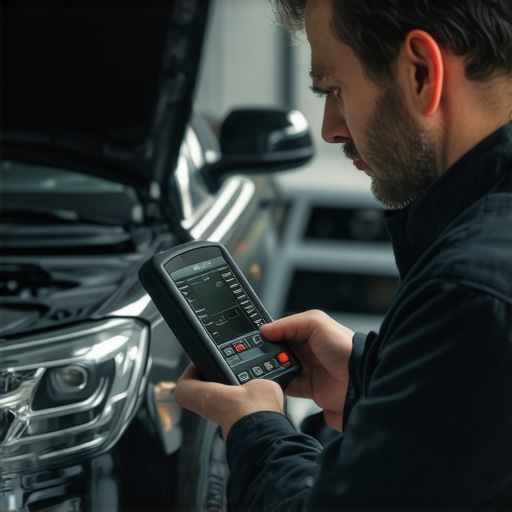
Maintaining your vehicle’s transmission system requires more than just routine check-ups; it demands precise tools and proven techniques. One of my go-to instruments is the digital transmission fluid tester, which I personally use to accurately assess fluid health without relying solely on visual inspection. This device helps identify foaming or contamination early, preventing costly repairs. Additionally, I recommend using a high-quality scan tool like the Autel MaxiPRO MP808, which allows me to quickly diagnose shift solenoids and sensor issues that aren’t immediately obvious during a physical inspection. These tools give me a comprehensive view of my transmission’s condition, saving time and ensuring reliable performance.
Regularly updating your diagnostic software is vital because vehicle systems evolve rapidly, especially with newer transmission controls. I subscribe to manufacturer-specific updates through trusted providers, ensuring my scanner recognizes the latest codes and calibration data. This proactive approach helps me catch potential issues before they escalate, aligning with the future trend of integrating more sophisticated diagnostic tech into routine maintenance.
How do I maintain transmission health over time?
Consistent fluid checks are fundamental. I check the transmission fluid level and condition monthly, referring to insights from transmission troubleshooting experts. If the fluid appears dark or has a burnt smell, I schedule a drain-and-fill service immediately. I also schedule regular flushes every 30,000 miles, especially for high-mileage or heavy-duty vehicles, to prevent buildup of debris and ensure optimal lubrication. Using synthetic transmission fluids, as recommended by ASE-certified specialists, offers improved thermal stability and longevity, particularly beneficial under extreme driving conditions.
To extend the lifespan of your transmission, I also incorporate proactive measures like regularly inspecting the transmission mount and cooling system. Keeping the transmission cooler not only prevents overheating but also preserves the integrity of sensitive components. For instance, installing a thermal wrap around the transmission pan can significantly reduce heat buildup—an advanced technique I’ve adopted based on innovations in transmission cooling technology. This practice aligns with emerging trends towards thermal management solutions, anticipating where automotive maintenance is headed.
Integrating these tools and methods into your routine isn’t complicated and can make a substantial difference in performance and longevity. I highly recommend trying out a digital transmission fluid tester first—it’s an affordable investment that yields immediate insights. For more detailed guidance on diagnostics and maintenance, don’t hesitate to reach out to professionals who specialize in transmission care. Staying ahead of potential issues now helps avoid expensive repairs later and keeps your vehicle shifting smoothly for years to come.
3 Surprising Truths I Discovered About Transmission Maintenance and Trusted Mechanics
- Patience Pays Off: Rushing into repairs without verifying credentials can lead to costly mistakes. I learned that taking the time to confirm ASE certification and researching reviews saved me from unnecessary headaches.
- Not All Shops Are Created Equal: Visiting a clean, organized shop and asking detailed questions revealed a mechanic’s true expertise—invaluable when dealing with complex transmissions.
- Technology Is Your Best Friend: Using diagnostic tools like digital fluid testers empowered me to catch issues early, preventing expensive repairs down the line.
- Building Relationships Matters: Consistently heading to the same trusted shop fosters trust and ensures better care, especially for delicate systems like transmissions.
- Continuous Learning Benefits Your Car: Staying informed about advances in transmission technology and maintenance, including the importance of synthetic fluids, keeps your vehicle running smoothly longer.
My Favorite Tools and Resources for Transmission Care
- Verified ASE Credentials: I always check mechanic certifications online through this guide—a simple step that filters out unreliable shops.
- Diagnostic Scanners: Tools like the Autel MaxiPRO MP808 help me perform quick, accurate diagnostics, saving money and time.
- Reputable Reading Material: Books such as Modern Transmission Troubleshooting have deepened my understanding and allowed me to ask better questions.
- Online Forums and Reviews: Communities and review sites reveal real experiences, guiding me to trustworthy mechanics in unfamiliar cities.
Take Charge and Keep Your Transmission Thriving
Every step you take toward understanding your vehicle can lead to better performance, fewer repairs, and peace of mind on the road. Embrace these insights, explore the tools that make diagnostics easier, and build relationships with reliable pros. Your transmission—and your wallet—will thank you for it. Have you ever experienced a repair gone wrong because of a missed credential or overlooked warning? Share your story below and let’s learn together!