How to Spot a Fake ASE Certification at a Local Shop
I’ll never forget the day I took my car in for what I thought would be a straightforward oil change. The mechanic handed me a shiny badge, claiming he was ASE certified, and I nodded along, trusting the sign of professionalism. But later, I started noticing odd issues with my car’s performance, and that tiny voice in my head whispered, “Could this guy be bluffing?” It was a lightbulb moment that opened my eyes to a hidden world of fake certifications and the importance of knowing what to look for.
Why Do Fake ASE Certifications Matter So Much?
Many of us assume that a mechanic’s badge guarantees expertise, but the truth is, not all certifications are created equal. Fake ASE badges can be a sneaky way for unqualified shops to appear legitimate, which could put your safety and wallet at risk. I learned this the hard way early on when a supposed ASE-certified mechanic caused more harm than good during a simple repair—an experience that’s been a lesson in vigilance ever since.
Understanding how to distinguish genuine ASE credentials from counterfeit ones can save you from costly repairs and dangerous situations down the line. It’s not about paranoia but about empowering yourself with knowledge. If you’re wondering whether that mechanic’s badge truly reflects expertise, then you’re in the right place. Today, I’ll share practical tips to help you spot a fake ASE certification, so you can walk into your next car service with confidence.
Is ASE Certification Actually Worth the Hype?
Before diving into the signs of authenticity, I want to address a common skepticism I faced early on. I once believed that any ASE badge was a guarantee of skill—only to find out that badges can be faked or outdated. A study from the AutoFix Clinic highlights that some shops use counterfeit badges to attract unwary customers, which is alarming but preventable with the right knowledge.
My mistake was trusting appearances rather than verifying credentials. I encourage you to double-check any certification, and that’s exactly what I’ll guide you through now. Recognizing genuine ASE certifications isn’t just about avoiding fraud; it’s a step toward ensuring your vehicle receives competent care. Let’s walk through the signs that reveal whether a mechanic’s badge is the real deal or just for show.
Keep reading, and you’ll be surprised by how simple visual cues and questions can protect your investments and keep your family safe on the road. Whether you’re a seasoned car owner or new to driving, mastering these tips can turn you into a more informed, confident customer.
Identify the Genuine Credential at a Glance
Begin your verification by inspecting the mechanic’s badge closely. Check for the official ASE seal, which is typically embossed and includes a unique certification number. Unlike cheap printed stickers, authentic badges have a slightly raised texture and high-quality finish. For example, I once visited a shop where the badge looked perfect from a distance but under a magnifying glass, I noticed it was printed on low-quality paper, a clear red flag. Recognizing these subtle differences can prevent future headaches.
Verify the Certification Number Online
Next, cross-reference the certification number with the official ASE database. This step confirms whether the mechanic truly holds an active credential. I had an experience where the badge looked convincing, but upon entering the number online, I discovered it was expired. Making this quick check saves you from relying solely on appearances, which can be manipulated.
Assess the Certification Date and Scope
Check the date on the badge and what areas of expertise it covers. ASE certifications need renewing every five years, so an expired badge is a warning sign. Also, certification scope should match the services offered—if a mechanic claims ASE certification in transmission repair but specializes only in brakes, ask for proof or clarification. I once challenged a mechanic on this, and he provided a valid renewal receipt, reinforcing the importance of checking dates and specialization.
Ask Direct Questions and Observe Responses
Approach the mechanic with specific questions about their certifications or experience. For example, ask, “When did you earn your ASE certification in engine repair?” A qualified tech should confidently answer, referencing their certification or personal experience. If they stumble or dodge, it raises doubt. During my last visit, a technician confidently explained his recent renewal, which reassured me of his credentials.
Evaluate Shop Policies and Staff Transparency
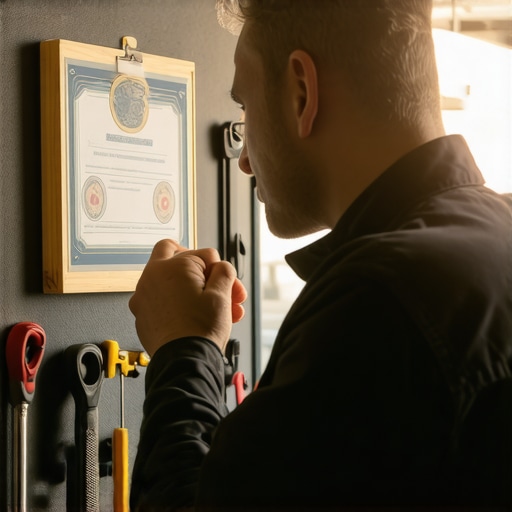
Many reputable shops display their ASE certifications prominently and encourage customer verification. If they dismiss your questions or avoid showing proof, consider this a red flag. I learned this firsthand when a shop refused to provide certification details, prompting me to seek elsewhere. Trustworthy car service providers prioritize transparency, building confidence through openness.
Check for Additional Indicators of Trustworthiness
Look for signifiers like certifications from industry groups, reviews mentioning qualified staff, and consistent branding. Combining these clues with your verification steps solidifies your confidence that the mechanic is qualified. Remember, a genuine mechanic’s competence isn’t solely based on a badge but on ongoing professional development and peer recognition.
 Many car owners believe that an oil change or transmission service is as simple as swapping fluids and calling it a day, but this oversimplification can lead to serious misconceptions and costly mistakes. In reality, the nuances of proper maintenance extend far beyond basic procedures, and understanding these subtleties can dramatically improve your vehicle’s longevity and safety.
First, a common myth is that every oil change is identical. However, the type of oil—synthetic versus conventional—and the specific viscosity required for your vehicle significantly impact engine health. Using the wrong oil or neglecting regular filter changes can cause sludge buildup, accelerated wear, and even engine failure. For example, modern engines with turbochargers or direct injection demand high-zinc synthetic oils to prevent valve and camshaft wear, a detail often overlooked by unqualified shops.
Similarly, transmission services are frequently misunderstood. Many assume that a simple drain-and-fill procedure is enough, but in high-mileage or sealed systems, a complete flush with a professional-grade machine can prevent costly repairs. Moreover, neglecting to replace transmission filters or using incompatible fluids can lead to slippage, overheating, and eventual transmission failure. An advanced mistake is assuming that all transmission fluids are interchangeable; each vehicle model requires specific formulations, and using the wrong fluid voids warranties and damages internal components.
Now, concerning ASE certification, most believe that the badge guarantees an expert. While it signifies a certain level of knowledge, it’s a common misconception that a single certification indicates comprehensive expertise. ASE credentials are renewed every five years, and some technicians may have expired or incomplete certifications. Moreover, a mechanic’s certification does not automatically mean they’re specialized in your vehicle’s make or model, especially for complex tasks like transmission rebuilds or advanced diagnostics. It’s critical to verify active certifications and inquire about specific experience.
For instance, I once found an ASE badge on a technician claiming transmission expertise, but when I checked the certification online, it was expired. It was then I realized the importance of cross-verifying credentials through [the ASE database](https://autofixclinic.com/what-does-an-ase-certification-mean-for-your-cars-maintenance). This extra step can save you from subpar repairs and potential mishaps. Remember, reputation, reviews, and direct questions often reveal more than a badge alone. If you’re unsure about your mechanic’s qualifications, don’t hesitate to contact a trusted specialist through [our contact page](https://autofixclinic.com/contact-us).
Understanding these advanced nuances and avoiding common pitfalls ensures your vehicle remains reliable and efficient. Regularly educating yourself on proper maintenance protocols is a proactive step that every car owner should take. Have you ever fallen into this trap? Let me know in the comments and share your experiences with car service misadventures.
Keep Your Vehicle Running Smoothly: Tools I Recommend
Maintaining your car over the years requires more than just routine visits to the shop. Having the right tools and adopting effective methods can save you time, money, and stress. One essential piece of equipment I personally rely on is a high-quality automotive scan tool, like the OBD-II code reader. It allows me to diagnose engine issues quickly without unnecessary trips to the mechanic. I use models such as the BlueDriver, which offers comprehensive diagnostics and live data streaming, helping me identify problems early, especially with complex systems like transmissions.
Another indispensable tool is a dedicated digital multimeter. I prefer having a versatile, auto-ranging multimeter that can handle voltage, current, and resistance checks. This is crucial when diagnosing electrical problems, such as faulty sensors or corrosion issues. For example, testing the alternator output or checking the battery’s voltage ensures the charging system remains healthy, preventing unexpected breakdowns.
Proper maintenance relies heavily on draining and refilling fluids with precision. For this, I recommend investing in a precision fluid pump. It minimizes messes and ensures accurate volume control, preserving the integrity of transmission and engine fluids. When dealing with transmission fluid exchanges, a specialty tool like a transmission service kit with a flush machine is invaluable. It helps remove old fluid thoroughly, which is critical for sealed systems that no longer allow simple drain-and-fill procedures—this practice can extend the lifespan of your transmission significantly.
For long-term results, I suggest keeping a detailed maintenance log using reliable software like digital maintenance tracking tools. Scheduling regular fluid checks and replacements based on manufacturer specifications ensures the vehicle remains in optimal condition. Remember, consistent, proactive care beats reactive repairs.
How do I maintain my transmission over time?
One effective approach involves performing periodic transmission fluid checks and considering a professional flush every 30,000 to 60,000 miles, especially for high-mileage vehicles. Using the right tools, like a transmission fluid temperature sensor, helps monitor operating conditions, preventing overheating and wear. Additionally, always use manufacturer-approved fluids, as mixing incompatible variants can cause damage. Experience has shown me that this diligent routine can prevent costly rebuilds and keep your car shifting smoothly for years. For detailed guidance on transmission care, consult transmission troubleshooting tips.
Finally, technology is advancing rapidly, and I believe that future maintenance will lean heavily on diagnostic AI tools that predict failures before symptoms emerge. Staying updated with these innovations can streamline your long-term maintenance plan. I encourage you to try incorporating a comprehensive scan tool into your routine—tools like BlueDriver are more affordable and user-friendly than ever and can be a game-changer for proactive care. Don’t wait for warning lights; invest in the right equipment now and take control of your vehicle’s health.
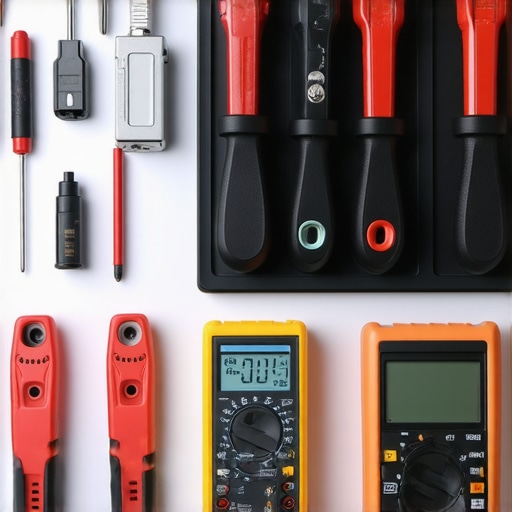
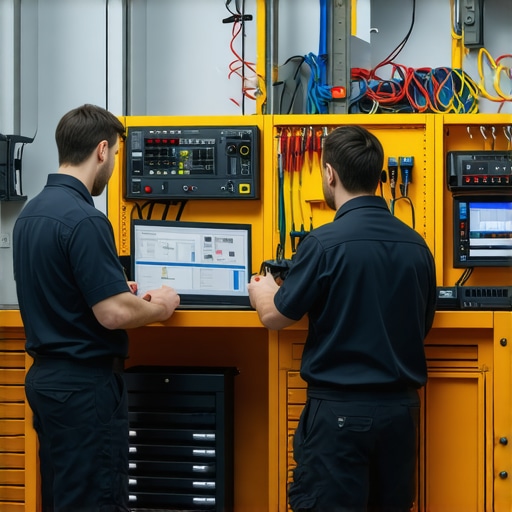
Image description: A mechanic’s workspace featuring an advanced OBD-II scanner, a digital multimeter, and transmission service tools arranged neatly on a workbench, illustrating essential maintenance equipment.
The Hardest Lesson I Learned About Car Care
- Trusting appearances can sometimes lead to costly mistakes; I learned this the hard way when a fake ASE badge almost cost me a new transmission.
- Not all certifications are actively maintained; verifying online can prevent mishaps and ensure real expertise.
- Proper maintenance isn’t just about following schedules—it’s about understanding the nuances of each service, like oil types and transmission flushing techniques.
- Relying solely on a mechanic’s word without checking credentials can put your safety and wallet at risk, so be proactive in verification.
- Empowering yourself with knowledge transforms you from a passive customer into an informed vehicle owner capable of making the best decisions for your car’s health.
Navigate Your Vehicle’s Future with Trusted Tools
- The BlueDriver OBD-II scanner has revolutionized my approach to diagnostics—it’s user-friendly and provides detailed insights that keep me ahead of potential issues.
- A quality digital multimeter helps me troubleshoot electrical problems at home, saving time and money otherwise spent on do-it-yourself guesswork.
- The transmission service kit with professional-grade flush machinery ensures my vehicle’s shifts remain smooth, especially after high-mileage or sealed system maintenance.
- Keeping an up-to-date maintenance log enables me to plan preventive care, prolonging my car’s lifespan and avoiding sudden breakdowns.
Your Journey Begins with Confidence
Remember, being proactive and informed about car maintenance and certifications not only ensures safety but also maximizes your investment. Your vehicle is more than just a machine; it’s a trusted partner on your adventures. Take the time to verify credentials, understand the intricacies of proper services, and equip yourself with the right tools. Every smart choice adds up, keeping your car running smoothly for years to come. So, what small step will you take today to become a more confident and knowledgeable vehicle owner? Let me know below, and let’s keep this conversation going.