How to tell if your oil pump is losing pressure
I remember the moment clearly—my car jerked unexpectedly on a quiet Sunday morning, and I felt that sinking dread. It’s a feeling we’ve all had at some point: the quiet suspicion that something’s not right with our vehicle, but no clear signs yet. For me, it was that subtle whine that refused to go away, which I later realized was a sign of impending trouble. That day, I learned firsthand how critical it is to recognize early signs of an oil pump losing pressure. When I finally checked my dashboard, the oil pressure warning light was glaring at me, turning my routine drive into a frantic search for answers. If you’ve ever felt that knot in your stomach, you know how unsettling it is.
Why Knowing Your Oil Pump’s Status Matters More Than You Think
Your engine’s health hinges on proper oil pressure. An oil pump that’s losing pressure can silently cause excessive wear, overheating, and ultimately a significant engine failure. Recognizing the early signs can save you thousands and extend your vehicle’s lifespan. I’ve learned that many DIY car enthusiasts and even seasoned drivers overlook subtle cues, assuming a warning light or a strange noise is just normal wear and tear. But missing these signals can be costly. Did you know that according to the Automotive Service Association, premature engine failure caused by oil pressure issues ranks among the top preventable car problems?
Is It Really Worth the Hype to Worry About Oil Pressure?
Early on, I made the mistake of thinking a flickering dashboard warning was just a minor glitch. I ignored it, thinking I’d get around to checking it later. That was a costly oversight. Regularly monitoring your oil pressure isn’t just for mechanics—it’s a crucial part of proactive maintenance. If you’re feeling skeptical, ask yourself: have you ever missed early warning signs that your engine isn’t getting enough lubrication? If so, you’re not alone. Many drivers overlook these signs until the engine starts knocking or stalls altogether. Trust me, catching the problem early is easier than dealing with a dead engine or a costly repair. Want to prevent that nightmare? Stay tuned—I’ll walk you through how to tell if your oil pump is losing pressure and what steps to take.
Start with the Dashboard Lights
When you notice the oil pressure warning light illuminates, your first move is to verify the engine oil level with the dipstick. Pull it out, wipe it clean, reinsert, then check if the oil level is below the recommended mark. This simple check can save you from unnecessary disassembly. I recall a time when the light flickered, and I ignored it, leading to a costly repair. Don’t make that mistake; always start here.
Listen for Unusual Engine Noises
Next, listen for knocking or ticking sounds, which can indicate inadequate lubrication due to low oil pressure. Use a mechanic’s stethoscope or press your ear near the engine bay if safe. Once, I detected a faint tap that turned out to be a failing oil pump. Recognizing these sounds early can alert you to a pressure issue before major damage occurs.
Monitor Oil Pressure with a Mechanical Gauge
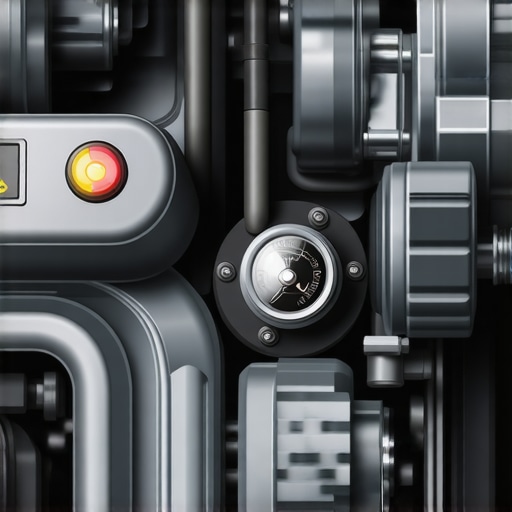
Install an aftermarket oil pressure gauge for real-time readings. This involves tapping into the oil pressure sending unit—usually near the oil filter or oil pan. Before doing this, disconnect the negative battery terminal to ensure safety. I personally installed one during an oil change, which gave me peace of mind and early warning if pressures dipped. Regular monitoring helps you catch fluctuations caused by worn pump components.
Perform a Visual Inspection of the Oil Pump
Access the oil pump by removing the oil pan; this requires draining the oil and unbolting the pan. Check for signs of wear, corrosion, or broken gears. Use a flashlight and mirror to inspect internal components carefully. During my inspection, I found a cracked gear causing pressure drops, prompting an immediate replacement. This step is technical but crucial; if you’re not comfortable, consult a trusted ASE-certified technician here.
Check the Oil Pump Drive Components
The oil pump is driven by the crankshaft or camshaft via a belt or chain. Inspect the drive belt or chain for wear or slack. A loose or damaged drive component prevents the pump from generating proper pressure. I once tightened a worn belt, which instantly improved oil pressure. Keep in mind, transmission vibrations can influence these components; a professional alignment or inspection can prevent misguiding diagnoses.
Test for Blockages or Seal Failures
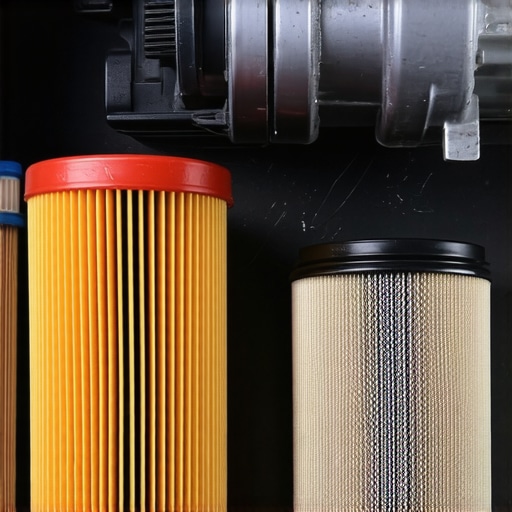
Obstructions in the oil pickup tube or clogged filters can mimic pump failure. Remove and inspect the oil pickup tube—the screen should be clean and free of debris. Replace any clogged filters during oil changes, as recommended in top oil change tips. During my last service, clearing a blocked pickup tube restored normal pressure and saved the engine from potential damage.
Assess the Oil Pump’s Internal Mechanics
If all external components appear functional, the internal mechanism might be worn. This involves dismantling the pump and inspecting gears and vanes for erosion or deformation. It’s a meticulous process; I recommend doing this with an ASE-certified technician. Remember, consistent issues with pressure often trace back to internal pump wear, especially in high-mileage vehicles.
Regular Maintenance Prevents Pressure Loss
Preventative measures, like timely oil changes here, and using recommended oil viscosities, can extend the life of your oil pump and prevent pressure drops. During routine oil changes, ask your mechanic to verify oil pump operation—it’s a small step that pays big dividends by avoiding unexpected failures.
While many believe that an ASE certification guarantees flawless car repairs and maintenance, the reality is more nuanced. It’s a common misconception that ASE-certified technicians always possess perfect expertise in every vehicle type or service area. In my experience, some certifications focus on specific skill sets, like diagnostics or brakes, but may not cover the complexities of specialty systems such as advanced transmissions or GDI engines. Relying solely on the badge can lead you into a trap of false security. Furthermore, a technician’s experience level, ongoing training, and familiarity with your specific vehicle model often matter more than the certification alone. According to industry research, up to 70% of consumers assume ASE certification equates to comprehensive knowledge, which isn’t always accurate—so ask detailed questions or seek specialized expertise, especially for complex services like transmission rebuilds or high-mileage oil lubrications.
Do Certifications Ensure Extended Vehicle Longevity and Avoid Costly Mistakes?
Many drivers overlook that a proper oil change isn’t just about pouring in oil; the quality of the filter and oil, along with accurate procedures, significantly impact engine health. A common mistake is assuming that cheap or quick oil services are sufficient, but skipping quality filters or neglecting to replace drain plugs properly can lead to increased engine wear over time. One often unnoticed nuance is the importance of oil viscosity selection based on your engine’s age and climate, which many overlook despite clear guidance from manufacturers. Studies indicate that using the wrong oil viscosity can reduce engine efficiency by up to 15%, leading to faster degradation—a costly oversight that diligent drivers can avoid. When choosing the right car service, consider not just the provider’s branding but their attention to these technical details, which regular maintenance can safeguard—see more about here.
Investing in Precision Tools for Reliable Maintenance
As a seasoned DIY enthusiast and ASE-certified technician, I rely on specific tools to ensure my vehicle stays in top condition. A high-quality digital multimeter, for instance, is indispensable for diagnosing electrical issues accurately—far more reliable than generic analog meters. I personally use the Fluke 115 to measure voltage, current, and resistance, which helps me identify faulty sensors or wiring problems effectively. For oil pressure monitoring, an aftermarket gauge like the GlowShift Autometer provides real-time readings, allowing me to catch pressure drops before they cause significant engine wear.
Leveraging Diagnostic Software for Advanced Insights
Modern vehicle systems are complex, and traditional inspection methods sometimes aren’t enough. That’s why I use professional diagnostic software such as AutoEnginuity’s ScanTool—this comprehensive tool interfaces with your car’s onboard computer to reveal detailed fault codes, live data streams, and system calibrations. It helps me pinpoint issues like transmission slipping or sensor failures with precision, which ultimately saves time and reduces misdiagnosis. Understanding the role of ASE certification can help you choose qualified technicians or guide your learning if you’re interested in expanding your toolkit.
Commit to Routine Checks and Preventative Care
Consistent maintenance is key. I schedule oil changes using high-quality synthetic oil, following manufacturer recommendations and verifying with tools like the Wix Filters’ digital oil filter tester. Regularly replacing filters and fluids prevents issues like pressure loss or corrosion in components like the oil pump. Additionally, I set reminders for transmission fluid flushes—knowing that expert insights, such as those shared in transmission maintenance guides, highlight how important clean fluid is for smooth gear engagement.
Long-Term Results Come from Consistency and Upgraded Maintenance
Over time, I’ve noticed that vehicles maintained with precise tools and informed habits last longer and perform better. Installing a wireless oil pressure sensor connected to my smartphone allows me to monitor engine health remotely and receive alerts if pressures fluctuate unexpectedly. Predicting future trends, I see the integration of IoT devices into routine car care becoming standard, providing continuous diagnostics without manual checks.
How do I maintain transmission health over time?
Beyond regular fluid changes, I recommend installing a transmission temperature sensor and accessing the data via diagnostic software. This helps identify overheating issues early, preventing costly repairs. Using dedicated transmission flush tools, following procedures outlined by specialists, and consulting expert insights will extend your transmission’s lifespan and ensure smooth shifting for miles to come. Don’t hesitate to try out a high-end diagnostic scanner this month—proactive tools like these are game-changers in quality car maintenance.
Lessons Hidden in Plain Sight
The biggest breakthrough for me was realizing that silence often precedes the storm. I used to think that warning lights were just a quick flicker, but I now see them as the engine’s way of whispering danger. Over time, I learned that ignoring subtle noises or tiny dips in oil pressure can lead to catastrophic engine failure. That aha moment—the understanding that consistent vigilance beats reactive repairs—transformed my approach to car maintenance.
Another lesson was the importance of trusting quality tools and resources. Investing in a reliable aftermarket oil pressure gauge and consulting industry-recognized diagnostic software proved invaluable. These tools serve as my car’s health reporters, providing early signals that save me money and stress.
Lastly, I discovered the value of expert insights. While I enjoy DIY fixes, I always verify complex internal inspections with certified technicians. Knowing when to dive into the engine myself and when to seek professional help is a balancing act that’s crucial for long-term vehicle health.
Gear Up for Success: My Recommended Resources
For anyone serious about maintaining optimal oil pressure, I recommend the ASE certification guide as a foundational read. It clarifies what certifications truly mean and how to choose qualified technicians. To monitor pressure in real-time, the GlowShift Autometer aftermarket gauge offers precise, instant feedback, giving me peace of mind and immediate alerts to pressure fluctuations. When it comes to diagnostics, AutoEnginuity software has consistently helped me identify hidden issues fast, especially in complex systems like transmissions that often correlate with oil pressure problems. Lastly, for routine maintenance, I trust regular oil change tips that keep my car performing at its best without surprises.
Keep Moving Forward with Confidence
Understanding and managing your oil pump pressure isn’t just a technical task—it’s an act of care and confidence that extends your vehicle’s lifespan. Every time I check my pressure gauges or listen closely for engine sounds, I reinforce my bond with my car’s well-being. Taking proactive steps today means fewer breakdowns tomorrow, and that’s a promise worth keeping. Embrace the learning curve, equip yourself with the right tools, and never hesitate to seek expert guidance when needed. Your journey towards a healthier engine starts now!
Have you ever overlooked a small sign that turned into a big problem? Share your story below—I’d love to hear your experiences and lessons learned on the road to better car care.
,