Why your car’s heater takes forever to get warm in winter
It was one of those freezing mornings when I turned on my car and waited—and waited—for the heater to warm up. Minutes felt like hours. I knew I wasn’t alone; many drivers panic when their heater just refuses to kick into gear during winter. That frustrating, cold-shivering delay can make mundane commutes feel like an endurance test. But here’s the truth: understanding *why* this happens can save you a lot of discomfort—and money.
How I Realized My Car Needed More Than Just Warm Air
One particularly frosty day, I finally decided enough was enough. After enduring the frostbite-inducing wait, I dove into research and even a few chats with local mechanics. Turns out, there’s more behind a slow-heating car than a simple hiccup. Sometimes, issues like low coolant levels or air trapped in the system block the warm air from reaching the cabin promptly. Other times, it’s a sign of deeper mechanical problems. Discovering these causes transformed my approach from mere annoyance to proactive maintenance.
Today, I want to help you troubleshoot that stubborn heater. Whether you’ve experienced the same chilly waits or worry about potential repairs draining your wallet, this guide will shed light on the common culprits and what actions can make a real difference. Because nobody should have to endure winter’s cold without a cozy blast of warmth.
Could a Simple Fix Just Save Your Winter?
Now, I’ll admit, I made a key mistake early on—I thought all heaters simply needed time. Turns out, neglecting regular coolant checks or ignoring warning signs can turn a minor issue into a costly fix. Properly maintaining your cooling system can significantly reduce heater delays. For practical tips on keeping your engine healthy, consider visiting this resource. In the sections ahead, we’ll walk through common reasons for slow heating and straightforward solutions to keep your cabin warm, no matter how cold it gets outside.
Check the Coolant Levels First
Start your troubleshooting by inspecting the coolant reservoir. A low coolant level is akin to trying to heat water with an empty kettle—you won’t get warm air if there’s no fluid to circulate. I remember the time I discovered my coolant was half-empty after neglecting regular top-offs. To verify, open your hood and locate the coolant tank—usually a translucent container with “Low” and “Full” markings. If it’s below the recommended level, top it up with the correct coolant mixture following your vehicle’s manual instructions. This simple step often resolves the warm-up delay caused by inadequate coolant circulation.
Ensure the Thermostat Functions Correctly
The thermostat acts like a gatekeeper, controlling coolant flow based on temperature. If stuck closed, it prevents hot coolant from reaching the heater core, leading to cold interior air. I once faced a stubborn frozen morning with a non-heating car; replacing a faulty thermostat was the fix. To test, run your engine until it warms up to normal operating temperature—indicated by the temperature gauge—and feel the radiator hose. It should be hot. If it’s cold despite a warm engine, the thermostat may be malfunctioning and should be replaced. Proper thermostat operation guarantees the heater can produce warm air swiftly.
Bleed the Cooling System to Remove Air Bubbles
Air trapped in the cooling system is like bubbles in a soda—they disrupt the flow. During my last coolant flush, I neglected to bleed out air pockets, causing sluggish heating. To do this, follow your car’s specific bleeding procedure—often involves running the engine with the radiator cap slightly off while heater controls are on high. Keep an eye on the coolant level, topping it off as trapped air escapes. This process ensures coolant circulates efficiently, improving heat delivery. For detailed instructions tailored to your vehicle, consulting an ASE certified technician can save you hours of trial and error.
Inspect and Replace the Heater Core if Needed
The heater core is like a small radiator dedicated to warming your cabin. A clogged or leaking heater core results in little to no heat. I vividly remember spotting a sweet smell and fogging windows—signs of a leaking heater core. To check, feel the heater hoses behind the engine; both should be hot roughly equal in temperature. If one is cool, the heater core may be blocked or failing. Flushing the core with specialized cleaners can sometimes restore function, but in persistent cases, replacement becomes necessary. Remember, a functional heater core is your winter lifeline—don’t overlook it.
Regular Maintenance Prevents Future Delays
Consistent coolant changes and system checks preserve optimal heater performance. Skilled technicians, especially those with ASE certification, can diagnose issues early, saving you significant repair costs. Proper oil and transmission fluid maintenance, as discussed in this resource, ensure the engine runs smoothly and efficiently. Well-maintained engines distribute heat better, meaning warmer cabins without extended warm-up times. If you notice recurring heating issues despite these steps, visiting experts at our service center can provide comprehensive diagnostics to keep your vehicle winter-ready.Many car owners assume that an ASE certification guarantees flawless repairs or that any quick oil change service suffices for long-term engine health. But let’s dig deeper into some nuanced truths that often trip people up. One widespread myth is that ASE certification alone proves a technician’s expertise across all vehicle types. While it signifies a recognized standard, the automotive field is vast, and specialization matters. For example, a technician certified in transmission repair may not be equally proficient with modern turbo engines, which require different handling and knowledge. To understand what ASE certification truly entails and how it impacts your car’s maintenance, visit this resource.
Another common mistake is believing that a quick, budget oil change with synthetic oil is enough to protect your engine for thousands of miles. In reality, regular oil and filter changes are just part of comprehensive maintenance, especially with high-mileage or turbocharged engines prone to burning oil faster. Regular oil changes combined with transmission service and system inspections help prevent catastrophic failures down the line. Overlooking the importance of full-service procedures can lead to costly repairs, such as transmission slugging or engine sludge buildup.
The hidden nuance lies in transmission care—many owners think just replacing the fluid is enough. However, in high-demand driving conditions, the transmission’s internal components are susceptible to wear and contamination that simple drain-and-fill procedures don’t fully address. That’s why specialist insights, like those found at this page, emphasize the importance of complete transmission diagnostics and, sometimes, a flush or rebuild.
Have you ever fallen into this trap? Let me know in the comments. Remember, proper maintenance isn’t just about ticking a box—it’s about understanding the nuances that keep your vehicle running smoothly and reliably for years to come.
Investing in Reliable Equipment and Software
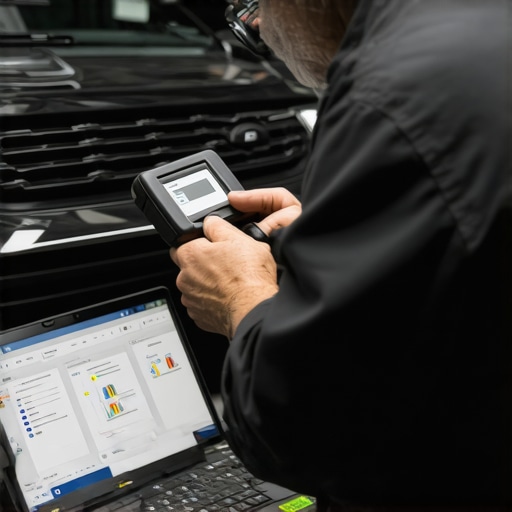
Maintaining your vehicle’s performance isn’t solely about knowledge—having the right tools makes all the difference. I personally rely on a high-qualityOBD2 scanner, like the BlueDriver, because it provides comprehensive diagnostics that even professional mechanics trust. This device instantly reads and clears error codes, helping me identify transmission issues early, before they manifest as costly repairs. Additionally, for routine maintenance, I recommend a digital torque wrench such as the TEKTON model. Accurate torque settings during oil changes or transmission work prevent over-tightening and damage.
For more advanced diagnostics, I use software like ALLDATA, which offers OEM repair data, wiring diagrams, and service bulletins. Though subscription-based, accessing such detailed info helps me troubleshoot complex issues, especially with turbo engines that can burn through oil faster than expected, according to this resource. Investing in these tools ensures my car stays in top shape, and I can perform maintenance that extends the lifespan of critical components like the transmission.
How do I maintain transmission performance over time?
Regular transmission service is paramount. I schedule a transmission flush using a professional-grade machine, such as the BG Universal Transmission Flush, which removes contamination that simple drain-and-fills might miss. These procedures help protect internal components from wear, especially in vehicles subject to frequent stop-and-go driving. Following recommended service intervals and using the correct transmission fluid type—as validated by the vehicle’s manufacturer—keeps shift quality smooth and preserves the transmission’s longevity. Remember, partnering with an ASE certified technician can ensure these services are done correctly, as their expertise minimizes the risk of damage or future failure.
Looking ahead, I predict advancements will bring stronger diagnostic tools integrated with AI, allowing even non-professionals to perform complex repairs with minimal risk. Already, the trend toward mobile and wireless diagnostics is growing, making maintenance more accessible. Until then, investing in reliable hardware and reputable software—like the tools I mentioned—will give you peace of mind and long-term savings.
Don’t wait until small issues become big problems—start by incorporating a quality OBD2 scanner into your toolkit today. It’s a game-changer for catching early warning signs, especially with transmission-related concerns that can quickly escalate if overlooked. Remember, consistent, proactive maintenance tailored to your vehicle’s needs can extend its life significantly, saving you money and downtime in the long run.
Over the course of troubleshooting my vehicle’s heating issues, I realized that much of what I believed about car maintenance was based on assumptions that could lead to costly mistakes. One key lesson was that regular system checks and proactive maintenance aren’t just recommendations—they’re necessities that can reveal hidden problems before they escalate. For instance, understanding how to properly bleed air from the cooling system or recognizing early signs of heater core failure can keep your winter mornings warm and your repair bills low. Never underestimate the power of attention to detail; small actions today prevent big headaches tomorrow.
Lessons That Changed How I Approach Car Care
- Don’t Trust Quick Fixes for Complex Issues: Shortcuts like ignoring coolant levels or delaying thermostat replacements often worsen problems. Comprehensive diagnostics and patience yield better results.
- Listen to Your Vehicle’s Signals: Unusual smells, foggy windows, or sluggish heating are signs that shouldn’t be dismissed. Addressing these early can save you from system failures.
- Know Your Limits: While tools like an OBD2 scanner are invaluable, knowing when to seek professional help ensures accurate diagnosis and repair, especially with intricate systems like the transmission.
Tools and Resources That Never Fail Me
- BlueDriver OBD2 Scanner: A reliable device for quick diagnostics, helping me catch transmission slip-ups or engine misfires early.
- ALLDATA Software: Essential for accessing OEM repair data and wiring diagrams, especially when dealing with turbocharged engines that demand precise handling.
- ASE Certified Technicians at our service center: Their expertise ensures that each maintenance task, from fluid changes to heater core inspections, is performed accurately and thoroughly.
- High-Quality Flushing Equipment: Using professional-grade transmission flush machines prevents contamination and extends component life, saving you money over time.
Your Next Step in Vehicle Confidence
The future of car care is evolving with smarter diagnostics and intuitive tools, but what remains constant is your dedication to proactive maintenance. By understanding your vehicle’s signals, investing in proper tools, and trusting experienced professionals, you’re not just fixing problems—you’re enhancing safety and longevity. Remember, a well-maintained car isn’t just reliable; it’s a reflection of your attentiveness as a driver. Start today by checking your coolant levels, scheduling that transmission flush, or simply asking your mechanic what subtle signs you might be missing. The more you learn, the better your drive.
What small maintenance habit has saved you from a major breakdown? Share your story below—I’d love to hear how you stay ahead of car troubles.