How to Safely Jumpstart a Car With a Dead Battery
It was the middle of winter, and I was already running late—again. As I hurried out the door, I noticed my car reluctant to start, the dashboard lights flickering like a Christmas tree. Heart pounding, I knew exactly what had happened: the dreaded dead battery. That moment hit me hard—a sinking feeling creeping in as I realized I wasn’t prepared.
Over the years, I’ve learned that a dead battery isn’t just an inconvenience; it can leave you stranded in the cold, or worse, risk damaging your vehicle if you try to push-start it improperly. That lightbulb moment when I first attempted to jumpstart my car without proper knowledge was enough to motivate me to find a safer, smarter way.
Today, I promise to share with you the tried-and-true methods I’ve picked up along the way. We’ll explore how to jumpstart your car safely, avoiding common mistakes that can turn a simple fix into a costly repair. Because let’s be honest—when your car refuses to start unexpectedly, it’s stressful enough without adding fears of causing more damage.
Why Knowing the Right Way Matters
Starting your vehicle with a dead battery might seem straightforward, but the truth is, many people rush into it thinking any method works—often with risky consequences. Incorrect jumpstarting can lead to electrical system damage, problems with your alternator, or even a fire.
One mistake I used to make early on was connecting the clamps without turning off both cars. That tiny oversight could cause sparks or fry sensitive electronics. It’s a simple step that could save you hundreds of dollars in repairs, according to automotive experts. Proper jumpstarting techniques are your safest bet.
Knowing how to do this correctly doesn’t just get your car running; it keeps you safe and preserves your vehicle’s health long-term. Would you face a dead battery without knowing how to handle it properly? If so, you’re not alone—and that’s exactly why I want to help you avoid costly mistakes.
So, let’s get into the practical steps. I’ll walk you through the entire process in a way that even a beginner can follow, ensuring you can jump your car safely the next time your battery gives out. Ready to become confident in handling this common roadside issue? Keep reading, because what comes next could save your day—and your vehicle.
Gather Your Equipment and Prepare Your Vehicle
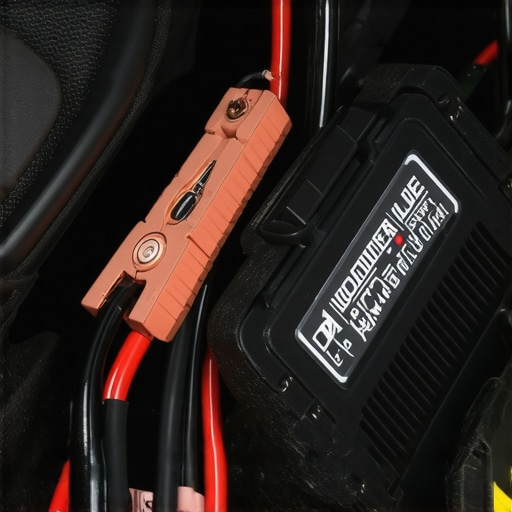
Before you start, locate your jumper cables and ensure both vehicles are turned off. Position the donor vehicle close enough so the cables reach both batteries without stretching. Think of it like pairing two dancers — they need to be close enough to connect arms comfortably.
Identify the Correct Batteries and Connect Cables
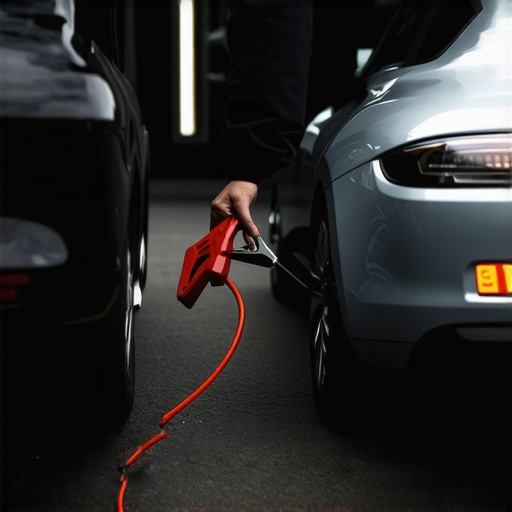
Open both hoods and identify the batteries. Typically, the positive terminal has a red cover or a + sign, while the negative is marked with a black cover or -. My first real attempt was messy — I accidentally connected the cables backward, causing sparks, but it was a quick lesson on being meticulous. Connect the red clamp to the positive terminal of the dead battery, then connect the other end to the donor vehicle’s positive terminal. Next, attach the black clamp to the donor vehicle’s negative terminal, and finally, connect the remaining black clamp to an unpainted metal surface on the dead car’s engine block. This grounding step reduces the risk of sparks and is essential for safety.
Start the Donor Vehicle and Idle the Engines
Turn on the donor vehicle and let it run for a few minutes. This step is like giving your dead battery a jump start — think of it as a ‘morale boost’ that helps recharge the dead battery slowly. After a few minutes, attempt to start your vehicle. If it doesn’t catch, wait a bit longer and try again, but avoid cranking endlessly to prevent the starter from overheating.
Remove the Cables in the Correct Order
Once your car starts, let it idle for a couple of minutes. Then, remove the cables in reverse order: disconnect the black clamp from your car’s engine, then from the donor vehicle; finally, remove the red clamps from both batteries. This cautious approach avoids sudden sparks or electrical surges, protecting your vehicle’s delicate electronics. I once hurried and removed the cables in the wrong order, causing a small spark — lesson learned: patience is key here.
Check Your Vehicle and Plan Next Steps
Turn off your vehicle, wait a few seconds, then start it again to ensure the battery holds the charge. If your car struggles to start after this process or the battery keeps draining, it may need a professional inspection — consider visiting an ASE-certified technician for a thorough check. Proper jumpstarting not only gets you moving but also preserves your vehicle’s health, much like a well-tuned transmission keeps your drive smooth — read here about transmission health.
Many car owners assume that obtaining an ASE certification automatically guarantees flawless maintenance, but the reality is more nuanced. ASE certification signifies a technician’s competency, yet it doesn’t always reflect continuous training or specialization in critical areas like transmissions or oil systems. Relying solely on a certification can be misleading—it’s essential to assess the technician’s specific experience and current knowledge.
What Advanced Issues Often Baffle Even Experienced Mechanics?
One common misconception is that a standard oil change or generic transmission service suffices for all vehicle types. In truth, modern engines, especially direct-injection models, require specialized oil formulations and maintenance protocols—see why synthetic oil is critical for turbo engines. Skipping these nuances can lead to premature wear or costly damage.
Many people overlook the importance of diagnostic tools that go beyond routine checks. For example, subtle transmission behaviors—like delayed engagement or slipping—might be wrongly attributed to age, but often stem from overlooked internal issues that only advanced diagnostics can reveal, as discussed here.
Beware of the trap called “one-size-fits-all” service packages. While tempting, they often neglect the specific needs of your vehicle’s make, model, or age. Regularly consulting resources like what ASE certification entails can help you identify whether your mechanic is equipped for advanced diagnostics or just standard maintenance.
The hidden nuance involves understanding the implications of overlooked maintenance tasks. An oil change isn’t just about replacing dirty oil; it involves inspecting filters, seals, and even coolant conditions that impact transmission and engine longevity. For instance, neglected transmission fluid health can cause shifting issues, which detailed here.
Getting familiar with these advanced insights enables you, as a proactive car owner, to detect subtle signs of wear and communicate intelligently with your mechanic. Don’t fall prey to myths that ASE certification guarantees total expertise—let’s dig deeper, and you’ll make smarter choices to extend your vehicle’s lifespan. Have you ever fallen into this trap? Let me know in the comments.Maintaining your vehicle’s health over time isn’t just about simple repairs—it’s about investing in the right tools and adopting proven methods that ensure longevity and optimal performance. One essential device I’ve personally relied on is a high-quality digital infrared thermometer. Using this tool allows me to check engine components like the radiator and exhaust manifold for abnormal heat spots, which can indicate underlying issues before they escalate. For example, I regularly monitor my transmission temperatures, as excessive heat can accelerate wear, making a quality infrared thermometer invaluable for early detection here. Additionally, I use an OBD-II scanner compatible with my smartphone, enabling me to monitor real-time data and catch trouble codes promptly, helping me schedule maintenance before problems become costly.
Lessons Behind the Repair Bay: Offbeat Truths I Discovered
One of the most surprising lessons I learned was that even routine services like oil changes can mask deeper issues if not approached with the right knowledge. I once trusted a generic oil change, only to find later that my transmission was slipping subtly—a reminder that not all mechanics are equal. Additionally, I realized that ASE certification, while valuable, doesn’t always guarantee expertise in specialized areas like transaxle diagnostics; continuous learning is key. I also found that certain maintenance tasks, such as checking your coolant and transmission fluid minutely, can prevent costly repairs down the road. Finally, the importance of trusting your intuition—if something feels off during a service, seek a second opinion rather than settle—has saved me money and time.
Tools and Resources That Keep My Vehicle Running Smoothly
I rely heavily on a high-quality OBD-II scanner with smartphone compatibility, which provides real-time diagnostics and helps catch issues early. An infrared thermometer has become my secret weapon for inspecting engine and transmission heat levels, allowing me to spot problems before they escalate. For deep dives into vehicle health, I trust brands like the insights on ASE certification and professional maintenance guides that emphasize continued education. When selecting a service provider, I recommend visiting sites that assess mechanics’ specialization and experience, ensuring you get expertise tailored to your vehicle’s needs. Moreover, consistently reading from trusted blogs like why routine oil changes matter has empowered me to understand my car better.
Seize the Wheel of Your Vehicle’s Future
Taking charge of your vehicle’s health is an ongoing journey—one that rewards you with safety, savings, and peace of mind. Remember, mastering ASE certified, transmission, and oil change insights is within your reach, and with the right tools, you can detect issues early and prevent breakdowns. Keep learning, stay curious, and don’t hesitate to seek expert advice when needed. Your car is a trusted partner—treat it with the care it deserves, and it will serve you reliably for years to come. Are you ready to take a proactive stance toward your vehicle’s maintenance? Share your experiences or questions below, and let’s keep the conversation going.