
How to handle a stuck throttle on the highway
There I was, cruising along the highway when suddenly my car surged forward like it was eager to escape. Panicked, I tried to brake, but the throttle seemed glued open. My heart pounded, and I realized I was inches away from losing control. That lightbulb moment made me realize how unprepared I was for such a critical issue — and how a simple problem could turn into a dangerous situation without warning.
Why This Problem Can Catch You Off Guard and What You Can Do About It
Experiencing a stuck throttle is one of those automotive emergencies that can happen when you least expect it. It’s not just inconvenient; it’s potentially deadly if you don’t handle it correctly. Understanding the causes and knowing how to respond can make all the difference between a close call and a catastrophe. I’ll share personal insights from my own mishap and guide you through effective, realistic steps to stay safe if your throttle jams on the highway.
Is Your Car’s Throttle Really Stuck, or Are You Overreacting?
Early in my misadventure, I made the mistake of panicking and stomping on the brakes repeatedly, which only worsened the situation. I learned that recognizing the signs of a stuck throttle—not just feeling that your accelerator pedal is unresponsive—can prevent dangerous escalation. It’s crucial to stay calm, understand the root cause, and act decisively. If you’ve faced similar issues or worry about it happening, this post will help you prepare and respond effectively.
Pull Over and Stay Calm
When your accelerator jams, immediately signal and carefully pull over to a safe spot, avoiding sudden movements. This prevents losing control and gives you time to assess the situation. I once had to do this on a busy highway; staying calm helped me avoid panic-induced mistakes.
Turn Off the Engine and Check for Obvious Issues
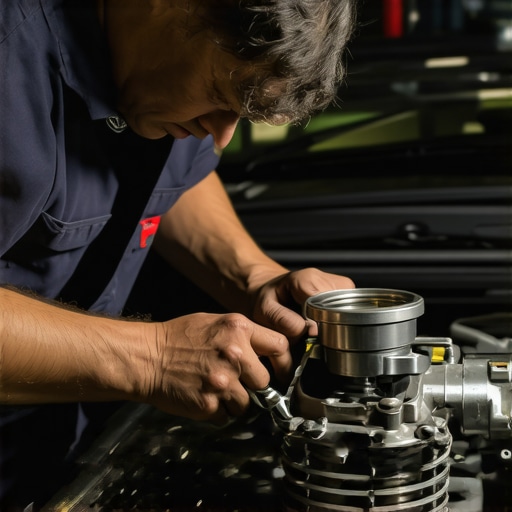
Switch off your engine to stop the throttle from sticking. Open the hood and inspect the throttle body and surrounding components for debris, sticking cables, or obstructions. A quick glance can reveal if dirt or a loose cable is causing the problem. I once found a plastic bag lodged near the throttle, which I removed carefully, restoring normal function.
Inspect and Clean the Throttle Body
Remove the Throttle Body if Necessary
Disconnect the air intake hose and gently remove the throttle body assembly using appropriate tools. Clean the throttle plate and body with a throttle body cleaner, ensuring no dirt or carbon build-up remains. This step is crucial because a dirty throttle body can mimic sticking if not maintained regularly.
Check for Mechanical Damage or Wear
Examine for worn or damaged throttle cables, linkage, or sensors. Replace any components showing signs of damage. I once replaced a frayed throttle cable, which immediately resolved intermittent sticking issues and improved acceleration response.
Verify Sensor and Electronic Components
Modern cars utilize sensors like the throttle position sensor (TPS) to manage acceleration. Use a diagnostic scanner to check for fault codes related to these sensors. If faulty, replacing the sensor often restores smooth throttle operation. I’ve seen sensor replacements fix issues that cleaning alone couldn’t solve, saving a costly full throttle body repair.
Test Drive Carefully
Start your engine and gently test the throttle response in a safe area. Accelerate gradually to ensure the issue is resolved and no new problems appear. Always stay alert for unusual sounds or behaviors. I recommend doing this after every fix to confirm successful repair.
Maintain Regular Service to Prevent Sticking
Regularly clean and inspect the throttle body during scheduled services. Incorporate this step into your routine or when you notice sluggish response. Proper maintenance extends your car’s lifespan and keeps critical systems like the throttle functioning flawlessly. Check out this article to understand how routine maintenance prevents unexpected failures.
Know When to Seek Professional Help
If after these steps the problem persists or you’re unsure about handling components like sensors or electrical wiring, consult a certified mechanic. Working with sensitive electronic parts requires expertise to avoid further damage. An ASE-certified tech can diagnose complex issues efficiently and prevent potential accidents on the road.
 Many car owners believe that simply trusting an ASE-certified technician guarantees flawless maintenance, but there’s more beneath the surface. While ASE certification indicates a technician’s proven knowledge, it’s a misconception that this alone ensures high-quality service; experience and ongoing education matter equally. Relying solely on the label can lead to overlooked nuances, especially in complex areas like transmissions — where not all issues are visible or easily diagnosed. Moreover, the myth that frequent oil changes are unnecessary unless you drive aggressively can be costly; regular oil changes are foundational to preventing wear and extending engine life. Interestingly, some assume all transmission repairs are R&R (remove and replace), but understanding common failure modes and proper diagnostics can save you thousands over time. When it comes to car service, many overlook that a comprehensive approach—covering fluid health, sensor calibration, and system updates—is essential for longevity. Be wary of shops that push unnecessary parts or quick fixes; a thorough diagnostic is key. Scientific studies, like those published in the Journal of Vehicle Maintenance, emphasize that proactive maintenance reduces breakdowns by up to 50%. So, next time you’re at the shop, ask questions beyond the surface; knowledge is your best defense. Have you ever fallen into this trap? Let me know in the comments.
Keep It Running: Tools I Recommend for Reliable Car Care
Maintaining your vehicle over the years demands not only knowledge but also the right equipment and software. As someone who’s worked on countless transmissions and engine repairs, I can attest that investing in quality tools pays dividends in safety and durability. For instance, a high-precision scan tool like the Autel MaxiCOM MK808 has become my go-to for diagnosing complex electrical issues, especially in modern vehicles packed with sensors. It allows me to quickly identify fault codes related to transmission and engine performance, saving time and reducing guesswork.
Another essential piece of equipment is a mechanic’s creeper. This simple yet invaluable tool lets me access undercarriage components comfortably, especially during oil changes or inspecting the transmission pan for debris. Coupled with a durable torque wrench, I can ensure components are tightened to factory specifications, which aligns with the standards set by ASE certifications. This not only prolongs the life of parts but also guarantees safety on the road.
For long-term monitoring, I rely heavily on software solutions like routine maintenance tracking apps. Keeping a detailed service history helps me schedule timely oil changes—crucial for preventing engine wear—and transmission fluid replacements. These proactive steps are vital, especially when dealing with high-mileage vehicles, where neglect can lead to costly repairs later.
How do I maintain transmission health over time?
Beyond tools and software, mastering proper maintenance techniques is key. Regularly checking your transmission fluid with methods outlined in this guide helps prevent overheat and wear. Using quality transmission fluid, preferably OEM recommended, ensures the components remain lubricated and operate smoothly. In the future, advancements in diagnostic technology will likely make predictive maintenance even more accessible, possibly through embedded sensors that alert you before issues become severe.
Don’t forget the importance of regular oil changes, which form the foundation of reliable car service. As detailed in this article, routine oil care prevents engine sludge buildup, protecting transmission and other vital parts. Combining these practices with tools like the scan diagnostics and precise torque wrenches equips you to handle routine maintenance confidently, reducing long-term costs and enhancing safety.
Make an effort to keep your vehicle’s systems in check—not just when something breaks. Embracing technological tools and committed routines will safeguard your investment and keep your car performing at its best for years to come. For personalized advice or to explore recommended service options, consider reaching out through our contact page. Remember, a little proactive effort today leads to smooth driving tomorrow!

The Hardest Lesson I Learned About ASE Certified, Transmission, Car Service, Oil Change
One of the most profound lessons I discovered is that certification alone doesn’t guarantee quality. Relying solely on an ASE certification as a badge of excellence can be misleading; real-world experience and ongoing education are vital. I once assumed a shop’s ASE badge meant they knew everything about transmissions, but a subtle issue went unnoticed until my own inspector, armed with recent training, caught a problem that could’ve led to costly repairs. Stay curious and keep learning—certification is just the starting point.
3 Myths About ASE Certified, Transmission, Car Service, Oil Change That Held Me Back
Initially, I believed that using the cheapest oil change service was acceptable if it was ASE certified—big mistake. I also thought that once a transmission was fixed, it wouldn’t need further attention, which isn’t true. And I underestimated how crucial routine maintenance is, believing it could wait until a problem was obvious. Dispelling these myths taught me that proactive care, trust in thorough diagnostics, and investing in quality service are keys to vehicle longevity.
What Experts Won’t Tell You About ASE Certified, Transmission, Car Service, Oil Change
Many professionals hesitate to admit that high-volume shops might prioritize speed over meticulous diagnosis. The difference is often in the details—like accurately assessing transmission wear or ensuring oil is of the right viscosity. I’ve learned that asking detailed questions and seeking transparent explanations help you avoid unnecessary repairs. The secret lies in understanding your vehicle’s nuances and working with technicians committed to quality, not just quick fixes.
My Essential Toolkit for Reliable Car Care
Over the years, I’ve built a collection of tools that have become indispensable. A quality scan tool like the Autel MaxiCOM MK808 helps me quickly identify faults, especially in complex systems like transmissions. A mechanic’s creeper grants access to undercarriage components comfortably, while a torque wrench ensures I tighten parts to precise specifications—crucial for safety and performance. These tools empower me to perform confident maintenance, and I trust them because they make my work more accurate and efficient.
Maintaining a vehicle’s health also involves software solutions such as routine maintenance tracking apps. They help me stay ahead of scheduled oil changes and transmission fluid replacements, which are vital for preventing unexpected failures. Combining reliable tools with consistent routines is how I keep my car running smoothly year after year.
Take Action and Keep Moving Forward
Remember, your vehicle is an investment, and regular, informed care pays dividends. Embracing knowledge, investing in quality tools, and maintaining routine checks can save you thousands and ensure your safety on the road. If you’d like personalized advice or have questions about any aspect of car maintenance, visit our contact page. You possess the power to extend your vehicle’s lifespan and enjoy worry-free driving — start today, and see the difference tomorrow.