The Risk of Letting Your Fuel Tank Get Below a Quarter
It hit me one sweltering afternoon as I sat in traffic, noticing my engine sputtering and losing power—an unsettling shake that made my stomach tighten. I realized I’d been playing a risky game, neglecting a simple but crucial detail: my fuel tank was dangerously close to empty. That jarring moment was my wake-up call. I had always heard that running your fuel tank below a quarter is a no-no, but I never fully understood why until that day. Since then, I’ve made it a point to keep my tank above that critical mark—and let me tell you, the peace of mind is priceless.
Protect Your Vehicle and Your Wallet—Start by Never Letting Your Fuel Drop Too Low
Does running your tank below a quarter really lead to costly damage?
When I first started ignoring the recommended fuel levels, I thought I was saving myself a few bucks—skipping stops and squeezing every drop. Early on, I made the mistake of dismissing the importance of maintaining proper fuel levels, believing that the engine could handle occasional low fuel situations. But I quickly learned that this habit can lead to serious issues, including clogging fuel injectors and damage to the fuel pump, which is submerged in fuel to keep it cool and lubricated. According to the Automotive Service Association, neglecting fuel system maintenance can cause significant repairs that far outweigh the cost of a full tank. Have you ever experienced that sinking feeling of your car stuttering or refusing to start, wondering if you’re running on fumes? If so, you’re not alone. Understanding the risks can motivate us to change our habits and keep our engines happy and healthy. Next, I’ll share some practical advice on how to keep your fuel tank in the safe zone—and avoid those surprise breakdowns.
Check Your Fuel Level Regularly
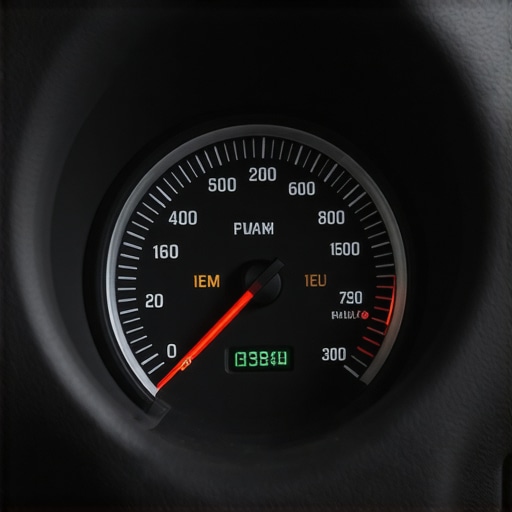
Set a reminder to glance at your dashboard more than once a week, ensuring your fuel gauge stays above the quarter mark. During my own experience, I used to ignore the needle, only to find myself stranded during a late-night drive. Now, I habitually fill up at the same stations, making it a point to top off before heading out on long trips. Consistent refueling prevents sediment buildup in your fuel tank and safeguards your fuel pump.
Use Quality Fuel from Reputable Stations
Opt for gasoline from stations with high turnover and positive reviews, which reduces the risk of contaminants. I once filled up at a discount station, only to have my engine sputter the next day. After switching to a trusted brand, my engine ran smoother, and I avoided costly repairs. Remember, cheap fuel can be a false economy, as poor quality fuel can clog injectors and harm the fuel pump.
Maintain Proper Fuel System Components
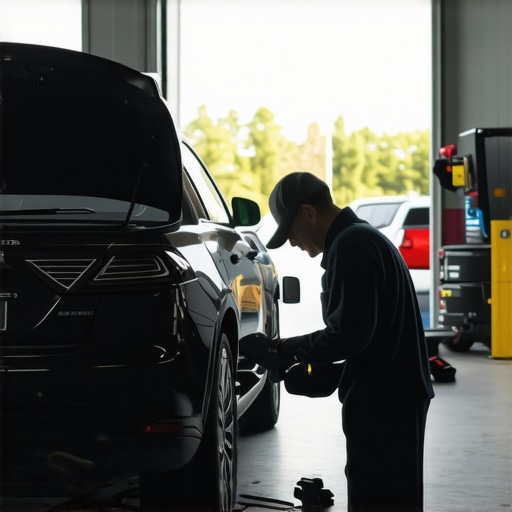
Ensure that your fuel filter, injectors, and pump are inspected and serviced per manufacturer guidelines. An ASE-certified mechanic can perform these checks efficiently. I had a clogged fuel filter replaced during a scheduled service, which improved acceleration and mileage. Regular maintenance prevents the buildup of debris and prevents your fuel system from working harder than necessary.
Monitor Fuel Efficiency and Identifying Anomalies
Keep track of your miles per gallon to detect early signs of problems. If you notice sudden drops, it might indicate a clogged filter or failing fuel pump. Once, I noticed my MPG dipped unexpectedly; a quick diagnostic revealed a leaky fuel line. Addressing issues early shafts repair costs and keeps your engine running smoothly.
Learn to Check Your Oil and Other Fluids
Frequently inspecting your oil level and quality is crucial, much like monitoring your fuel. Use clean rags and follow proper procedures—so you don’t smear dirty oil on your dipstick or misread the levels. For a quick, professional approach, review the guide on how to check your engine oil like an ASE tech. In my case, I caught a low oil level early, which saved my engine from premature wear.
Schedule Routine Checkups and Services
Regular visits to a qualified mechanic ensure all systems, including the fuel system, stay in prime condition. When I scheduled an oil change and a fuel system inspection, I also learned that my fuel pump was slightly worn out. Addressing it proactively prevented a sudden breakdown. To find the best service options tailored for your vehicle, visit this guide.
Be Mindful of Your Driving Habits
Driving smoothly, avoiding rapid acceleration, and reducing idling extend fuel life and protect your vehicle. My own shift to more conscious driving reduced my fuel consumption noticeably, and I experienced fewer engine hiccups. Strong driving habits ensure your fuel system’s longevity and improve overall vehicle performance.
Keep an Eye on Dashboard Alerts and Service Indicators
Modern cars warn you early about potential fuel and system issues. Ignoring these cues can lead to extensive repairs. Staying attentive enables quick action, saving money and preventing breakdowns. For deeper insights into maintaining your vehicle’s transmission and other critical components, explore this resource.Many car owners operate under assumptions about maintenance that can actually harm their vehicles and drain their wallets. One prevalent myth is that all oil changes are simply about replacing the oil; in reality, an improper oil change can lead to engine wear if filters aren’t replaced correctly or if incompatible oils are used. According to automotive experts, using the right type of oil, such as synthetic versus conventional, and following manufacturer-recommended intervals can significantly extend engine lifespan. Another misconception is that transmission services are only necessary when problems appear. In truth, neglecting routine transmission maintenance, like checking fluid levels and replacing filters before issues arise, can cause costly repairs down the line.
Why do some transmission flushes do more harm than good?
While a transmission flush is often promoted as a quick fix, improper procedures or using incompatible fluids can dislodge debris that causes further damage, potentially forcing you into an early transmission replacement. The Society of Automotive Engineers warns that unnecessary flushing without proper diagnosis may disturb the delicate internal components. Many shop technicians recommend a targeted approach—only performing a flush when diagnostics indicate a genuine need—highlighting the importance of expert evaluation. Additionally, some vehicle owners assume that ASE certification guarantees flawless service. While ASE-certified technicians adhere to industry standards, they are not infallible; quality service depends on their expertise and attention to detail. Learning to verify your mechanic’s credentials and asking for transparent diagnostics can prevent misdiagnoses and unnecessary repairs. Regularly scheduled upkeep, like timely oil changes and transmission checks, backed by reputable service facilities, can save you from the pitfalls of these misconceptions. Don’t forget—your vehicle’s health depends on informed decisions. For an in-depth guide on selecting the right service professional, visit this resource. Have you ever fallen into this trap? Let me know in the comments.
Investing in Quality Diagnostic Equipment
To truly keep your vehicle in top shape, especially when dealing with complex systems like transmissions, having the right diagnostic tools is essential. Personally, I rely on an automotive scan tool like the Autel MaxiCOM MK808, which offers comprehensive PID data and can clear trouble codes. This device helps identify issues early, saving you money and preventing future breakdowns. As vehicles become more technologically advanced, such tools are increasingly vital for accurate diagnostics—more so than generic code readers that only display error numbers. I predict that in the future, connected diagnostic tools integrated with smartphone apps will become standard, providing real-time data and predictive maintenance alerts.
Maintaining Transmission Health with Precise Procedures
Regular transmission maintenance is key to longevity. For instance, I follow the approach of regularly checking and replacing transmission fluid before it’s too late. Using an ASE-certified tech for these services guarantees quality, as outlined in this guide. I personally prefer a process called ‘drain-and-fill’ over a traditional flush, since it minimizes disturbance of internal components—aligning with SAE recommendations. Remember, neglecting proper transmission care can lead to costly repairs, often avoidable with routine checks.
Tools I recommend for Long-Term Results
One tool I can’t do without is a magnetic drain plug for the oil pan. It traps metallic debris, allowing me to assess engine wear over time. Additionally, I use a high-quality borescope camera to visually inspect engine internals and transmission casings for early signs of damage. These tools empower me to diagnose issues before they escalate. Look for equipment with durable construction and high-resolution imaging to ensure reliable results. As vehicle technology advances, incorporating such specialized tools into your maintenance routine is becoming more accessible and cost-effective.
How do I keep my vehicle in optimal condition over years?
Consistent maintenance, using reputable service providers, and staying informed about your car’s systems are vital. Routine oil changes, for example, not only protect the engine but also extend the lifespan of critical components like the transmission. To stay ahead, I plan to adopt predictive maintenance strategies using connected diagnostics, which I believe will soon be the industry standard. For tailored advice on choosing the right service provider, visit this guide. Don’t wait until small issues become major; invest in the right tools and habits now—try using a borescope for a quick internal check and see firsthand how minor debris can inform your maintenance schedule.
Lessons From the Trenches That Changed My Approach to Car Surgery
One of the biggest lightbulb moments was realizing that neglecting routine maintenance is like ignoring symptoms of a serious illness in your vehicle — it usually leads to costly emergency surgeries. I learned that even small habits, like checking your oil and fuel levels regularly, can prevent big disasters. Another insight was that trusting a quick fix without understanding the core issue often backfires, costing more in the long run. Finally, I discovered that investing in quality tools and diagnostics isn’t just for pros; it’s a game-changer even for dedicated DIYers. These lessons kept my car healthy and my wallet happy, proving that proactive care beats reactive repairs every time.
My Go-To Resources for Staying Ahead in Auto Care
For reliable advice and in-depth knowledge, I turn to this guide on checking engine oil. It’s essential to perform routine checks correctly to avoid missing early signs of trouble. I also trust this resource on selecting quality service providers, which helps me find mechanics who prioritize excellence and transparency. Additionally, this in-depth transmission maintenance article gives me peace of mind, knowing I’m following industry best practices for longevity. These tools and guides empower me to make informed decisions and keep my vehicle in top shape.
Your Car’s Future Starts Today
Remember, embracing proactive maintenance and continuous learning transforms your driving experience from stressful to smooth. By applying these insider strategies, you’re investing in your car’s health and your peace of mind. Every mile becomes more enjoyable when you know your vehicle is cared for properly. Don’t wait for breakdowns or costly repairs; start implementing these habits now and see the difference firsthand. You’ve got the power to keep your car running like new—take that first step today and enjoy the journey ahead.