The Best Way to Remove Road Salt Before it Eats Your Paint
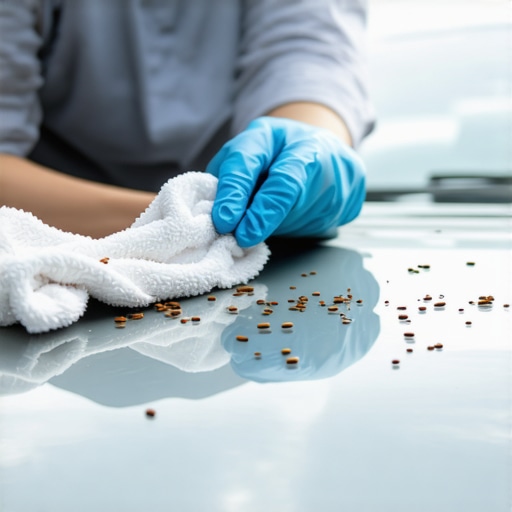
It was a chilly morning when I finally noticed the unsightly patches of white and brown crust peppering my car’s pristine surface. Frustration burned in my chest as I realized I had ignored the early signs of salt buildup during those sneaky winter drives. That moment was a lightbulb flickering in my mind: if I didn’t act fast, my paint job—and my wallet—would suffer the consequences.
Why Ignoring Road Salt Can Cost You Dearly
Every winter, countless car owners face the same dilemma. Salt is ruthless—it’s designed to melt ice, but it also eats away at the protective layer of your vehicle. When left unchecked, salt accelerates corrosion, causes paint to peel, and diminishes your car’s value over time. Honestly, I learned this the hard way, making mistakes early in my DIY endeavors.
One common error was simply rinsing with water and hoping for the best. Spoiler alert: that won’t cut it. Salt particles cling stubbornly to your paint, especially in crevices and undercarriage nooks, waiting to cause long-term damage. That’s why a dedicated approach is necessary—your vehicle’s longevity depends on it.
According to research from the Automotive Research & Development Center, untreated salt exposure can corrode metal components within just a few months, leading to costly repairs. It’s a harsh reality that reinforced my resolve to find the best method to combat this sneaky intruder.
So, what exactly can you do to shield your machine? Today, I’ll walk you through proven techniques to remove road salt effectively, reversing early damage and preventing future issues. Whether you’re into seasoned DIYer or just looking for a quick fix, these tips will help you keep your car looking fresh and protected.
But first, let’s address a question I hear often from fellow car enthusiasts and everyday drivers alike—can these methods really make a difference? Trust me, I’ve been there, and I’ve learned from my initial mistakes of neglecting proper salt removal. The secret is consistency and knowing the right tools.
Ready to tackle this head-on? If you’ve ever faced the nightmare of salt buildup, stick around. The next steps will empower you to take control of your vehicle’s health, saving you money and grief in the long run. Let’s get started with the easiest and most effective way to wash away winter’s worst offenders.
Rinse Thoroughly Before Scrubbing
Start by rinsing your vehicle with a high-pressure hose at the lowest setting to loosen and wash away loose salt particles. Focus on wheel wells, undercarriage, and crevices where salt tends to accumulate. I once rushed this step, thinking a quick rinse was enough, but salt residues stayed tucked in tight corners, leading to accelerated rust. Using a pressure washer with a wide fan nozzle allowed me to efficiently spray away stubborn salt without damaging paint.
Use a Vehicle-Safe Detergent
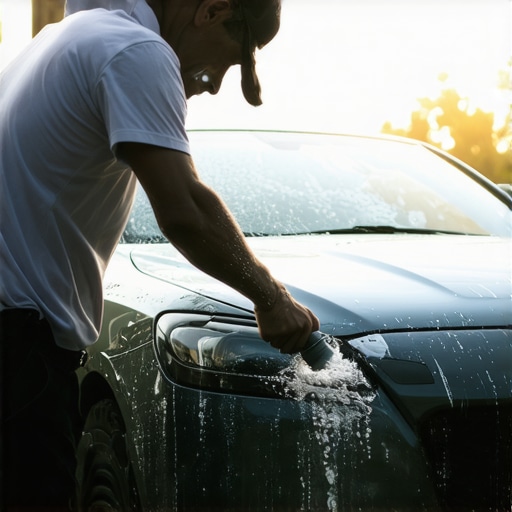
Select a pH-balanced car wash soap designed to strip away corrosive compounds. Dilute it according to instructions—usually about two capfuls per gallon of water. Apply with a microfiber wash mitt, working from the top down. When I washed my car last winter, I realized that generic dish soap left residues that weren’t suitable long-term. A dedicated vehicle cleaner ensured safe, effective removal of salt, preventing streaks or damage to wax layers.
Focus on the Undercarriage
Salt builds up underneath, so it’s essential to lift the vehicle using jack stands or access through a lift if available. Spray all accessible parts vigorously—especially the underbody and wheel arches. I once neglected this step, which resulted in early rusting on my suspension components. I used a long-reach spray nozzle to target these areas, ensuring no salt remained hidden in tough spots. Alternatively, employing a spray gun with a jet stream can reach difficult areas efficiently.
Apply a Rubberized Undercarriage Coating
After cleaning, consider applying a protective coating specifically formulated for undercarriages. This creates a barrier against future salt exposure. I did this by selecting a professional-grade rubberized spray, applied evenly while the undercarriage was still damp. The coating improved my car’s resistance to salt corrosion significantly, extending the time before rust appeared. Remember, manufacturers like choosing the right car service can guide you to effective protective solutions.
Regular Maintenance and Inspection
Schedule a bi-monthly undercarriage rinse during winter months to keep salt at bay. Inspect regularly for signs of corrosion or paint damage. Early detection saves money—trust me, I once ignored minor rust patches that grew, forcing me into costly repairs. A trained ASE-certified technician can inspect your vehicle’s underbody thoroughly; more about ASE certification here. Using a quality undercarriage spray once a season is a small investment that pays off by preserving your car’s value and appearance.Many vehicle owners assume that simply scheduling an oil change or seeking ASE-certified technicians guarantees optimal vehicle performance. However, there’s often a misconception about what truly matters in car maintenance and diagnostics. For instance, many believe that all ASE-certified mechanics are equally skilled, but in reality, the certification indicates a certain standard, not necessarily expertise in every aspect of your specific vehicle model. To verify an ASE technician’s proficiency, you can explore what ASE certification entails.
A common myth revolves around oil changes—many think that frequent oil changes are only necessary for older engines or those under heavy load. Yet, modern engines with high-performance GDI systems demand more attentive oil maintenance; for example, top oil change tips for 2025 highlight how proper intervals extend engine lifespan today.
When it comes to transmissions, many drivers overlook the complexity behind smooth shifting. Some believe that transmission fluid change is optional or can be postponed indefinitely. But expert insights, such as transmission troubleshooting tips, reveal that maintaining clean fluid is critical to prevent costly failures.
A hidden pitfall in vehicle maintenance involves the overreliance on quick-lube shops. These establishments frequently promote inexpensive, rapid services without detailed diagnostics, risking missed underlying issues like minor leaks or sensor faults. Advanced diagnostics like live drive data can uncover such hidden problems early—saving you from expensive repairs later.
Ever wondered why some cars with recent oil changes still exhibit performance issues? It’s often due to improper oil filters or incorrect oil type, which less experienced technicians might overlook. For this reason, verifying that your mechanic uses the correct parts, and understanding what makes a good oil filter, can make all the difference. For more guidance, see how to check your engine oil like a pro.
Lastly, assessing your vehicle’s overall health requires a nuanced approach beyond the basics. Regular inspections, combined with understanding the signs of early transmission or engine issues, can prevent expensive breakdowns. Remember, an ASE-certified professional can provide insights tailored to your vehicle, but knowing what questions to ask is your best defense. Dive deeper into why regular maintenance extends your car’s life.
Have you ever fallen into this trap? Let me know in the comments.
Invest in Quality Diagnostic Equipment
One of my top tools is an advanced OBD-II scanner that goes beyond generic code readers. I personally use the Foxwell NT510 because it provides live data, freeze frame analysis, and dozens of manufacturer-specific codes, enabling me to pinpoint issues like transmission shudder or oil pressure drops quickly. The key benefit is early fault detection, which minimizes costly repairs. As vehicle systems grow more complex, having a diagnostic tool that can interpret advanced codes and sensor signals becomes indispensable—especially for ASE certifications, which emphasize comprehensive troubleshooting skills. You can find more about what ASE certification means for your maintenance.
The Hardest Lesson I Learned About Car Service, ASE Certified, Oil Change, Transmission
One of my most eye-opening moments was realizing that even with a certified technician, neglecting the importance of salt removal can lead to unforeseen damage. I thought that trusting my ASE-rated mechanic was enough, but I learned that specific maintenance practices, like undercarriage rinsing, require my personal attention during winter months. This humbling lesson taught me that expertise is a foundation, but proactive care seals the deal.
3 Myths About Car Care That Held Me Back
I used to believe that regular oil changes alone could keep my vehicle healthy, and that a quick wash was enough to prevent salt damage. Turns out, these are only pieces of the puzzle. Proper undercarriage protection and timely diagnostics make all the difference. Breaking free from these misconceptions opened my eyes to a more comprehensive approach that saves money and extends car life.
What Experts Won’t Tell You About Salt and Vehicle Longevity
Many are unaware that neglecting salt removal accelerates corrosion in hidden areas like suspension components and inner frames—places even seasoned DIYers might overlook. Advanced diagnostics, combined with proper cleaning, can reveal early signs of rust or damage before costly repairs become inevitable. Learning this was a game-changer for me, emphasizing the value of combining expertise with personal vigilance.
Curated Recommendations for Salt-Resistant Car Care
- Foxwell NT510 Diagnostic Scanner: I trust this tool because it provides real-time data and detects issues early, helping me catch problems before they escalate. It’s an essential addition to my toolkit, especially during winter.
- Rubberized Undercarriage Coating: Applying a protective layer has significantly extended my vehicle’s resistance to salt-induced rust. It’s a small investment for long-term savings.
- Professional-Grade High-Pressure Washers: These give me confidence that I can effectively remove stubborn salt residues from hard-to-reach places without damaging my paintwork.
- Car Care Books: I recommend ‘The Complete Guide to Car Maintenance’—it deepened my understanding of vehicle systems and empowered me to make informed decisions.
Keep Your Confidence: Take Charge of Winter Car Maintenance
By embracing these insights and tools, you can transform your winter car care routine from reactive to proactive. Remember, consistent maintenance, combined with quality diagnostics and protective measures, safeguards your vehicle’s longevity. Don’t wait for visible damage—prevention is your best defense. Start today, stay vigilant, and enjoy the confidence that comes with knowing your car is winter-ready.
What’s the one step in winter car maintenance you’ve been hesitant to try? Share your experiences below—I’d love to hear your story!