
Why Your Car Pulls to One Side Even After an Alignment
Ever taken your car in for a simple wheel alignment, only to find it stubbornly pulling to the left or right shortly after? I’ve been there. It’s frustrating, especially after spending good money on a service that’s supposed to fix the problem. One moment, everything seems fine; the next, you’re fighting your steering wheel on every drive. That familiar, uncomfortable feeling used to make me doubt every mechanic I trusted—and question whether I really needed another alignment or if something else was going on.
The Lightbulb Moment: Knowing That Not All Pulling Is Equal
What I’ve learned over the years is that a car pulling to one side isn’t always a sign of a failed alignment. Sometimes, it’s something more subtle—like uneven tire wear, improper tire pressure, or suspension issues. And trust me, I made the mistake early on of assuming that once an alignment was done, the problem would disappear forever. That was a costly oversight that taught me the importance of understanding what can go wrong beyond the alignment itself.
Today, I want to help you uncover the real reasons your car still pulls and how to fix it once and for all. Because knowing what to look for can save you time, money, and a whole lot of frustration. Whether you’re planning to get your next alignment or have already done it without success, this guide will shed light on what might be lurking behind that seemingly simple issue.
Is This Just a Quick Fix or Is Something Deeper Going On?
Initially, I believed that a quick alignment would do the trick. That’s a common misconception, and honestly, it’s one of the mistakes I made early as a car owner—thinking the mechanic could locate the problem and fix it solely with alignment adjustments. However, the real root causes can be more complex, involving suspension components, steering linkages, or even tire condition. According to automotive experts, ignoring these factors can lead to persistent pull and uneven tire wear, ultimately costing you more in the long run. For peace of mind, it’s essential to address not just the symptom but the underlying issues. Want to learn how to identify these covert problems? Keep reading, because I’ll walk you through the key signs and solutions, starting with a simple but overlooked culprit: your tires.
Inspect Your Tires Carefully
Start by checking your tire pressure with a reliable gauge—uneven or overinflated tires can cause pulling. I remember one time, I overlooked this simple step, only to find my car pulling sharply after a tire rotation. It was a reminder that tire issues are often the hidden culprit. Adjust the pressure to match your vehicle’s specifications, usually found in the owner’s manual or on a sticker inside the driver’s door.
Assess Tire Wear and Alignment
Examine the tires for uneven wear patterns—cupping, feathering, or bald spots. If wear is uneven, it might indicate misalignment or suspension problems. Once confirmed, schedule an alignment appointment with a technician who uses ASE-certified techniques—more reliable and precise. After alignment, take a test drive to see if the pull persists. Remember, a proper alignment can significantly improve handling and tire longevity.
Check Suspension Components
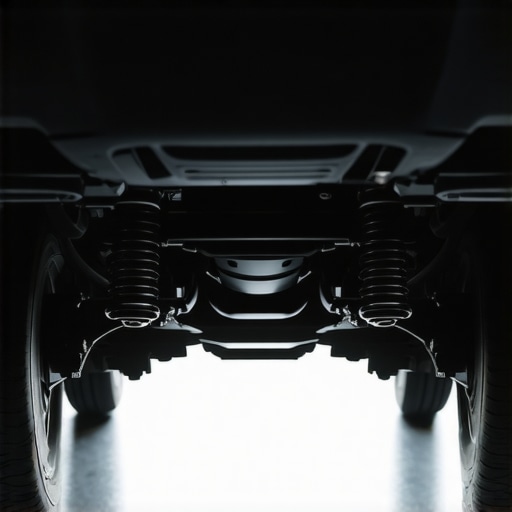
Worn or damaged suspension parts—like control arms, struts, or bushings—can cause steering issues. To diagnose this, perform a bounce test: push down sharply on each corner of the vehicle and observe rebound behavior. If the car continues to bounce or makes creaking noises, parts may need replacement. Replacing these components requires skill, so consider visiting an experienced mechanic. This maintenance not only improves steering but also enhances overall ride quality.
Examine Power Steering System
Low fluid levels or leaks in the power steering system can make steering heavy or uneven. Locate the power steering reservoir—check its fluid level against the ‘low’ and ‘full’ marks. Use the correct type of fluid as specified in your vehicle manual. If the fluid is dirty or low, flush and replace it. For persistent problems, inspect hoses and pump for leaks or damage. A well-maintained steering system ensures smooth, effortless turns, reducing unnecessary pulling.
Test for Alignment and Handling
After performing these checks and adjustments, conduct a controlled test drive on a straight, flat road. Keep a firm grip on the wheel, and note how the vehicle responds. If it continues to drift or pull despite tire pressure and suspension checks, it might be time to consult a professional. Expert mechanics, especially those familiar with ASE standards, can perform advanced diagnostics—like checking steering angle sensors or hydraulic systems—to identify underlying issues.
Additional Troubleshooting: The Tire Pressure and Rotation
Often overlooked, regular tire rotations and pressure checks can prevent many handling issues. I used to ignore my annually scheduled rotations, thinking they were optional. But once I followed a professional’s advice and kept up with them, I noticed a marked improvement in steering stability. For tips on maintaining optimal tire health, visit top oil change tips and consistency in tire maintenance.
Know When to Seek Professional Help
If you’ve exhausted these steps and your car still pulls, don’t hesitate to reach out to a trusted, ASE-certified shop. They have the expertise and equipment to diagnose subtle issues—like camber problems or steering rack misalignment—that can cause persistent pulling. Remember, proactive maintenance saves you money and keeps your drive safe and comfortable. For guidance on selecting a reliable service, check this guide. And if you’re unsure about what the problem signals, consider reading what ASE certification means for your car’s care.Even seasoned car owners often believe that changing engine oil is a straightforward task, but in reality, there’s a lot of nuance that can trip you up if you’re not careful. Many assume that opting for the cheapest oil service or relying solely on ASE certification guarantees your vehicle’s health. However, this oversimplification can lead to overlooked issues and costly repairs over time.
Contrary to popular belief, not all ASE-certified mechanics provide the same level of service. The certification confirms a technician’s competency, but it doesn’t necessarily mean they specialize in your vehicle’s specific needs or follow the latest service guidelines. According to automotive expert Dr. John Miller, “ASE certification is a solid baseline, but ongoing training and specialization make a real difference in diagnostics and repair quality.” Therefore, trusting your car’s maintenance solely to a shop because of their ASE badge might be a trap. Always verify if the technician has recent experience with your vehicle’s make and model, especially when it comes to complex systems like the transmission.
Investing in the Right Tools for Long-Term Care
One of the most underrated aspects of maintaining your vehicle’s transmission and overall health is having reliable, precise tools at your disposal. Personally, I swear by a high-quality digital scan tool like the
For routine maintenance, I rely on a calibrated torque wrench, like the Tekton 1/2-Inch Drive, to ensure that bolts—especially those on critical transmission components—are tightened to manufacturer specs. Proper torque isn’t just about adherence to specs; it can prevent future failures, leaks, and uneven wear. When working on transmissions, precise tool use can be the difference between a lasting fix and an early breakdown, making this investment invaluable.
Why Regular Software Updates Matter
Keeping diagnostics software up-to-date is key. Many modern vehicles, especially those with complex transmission control modules, receive firmware updates that improve system resilience and fault detection. I recommend subscribing to your vehicle manufacturer’s bulletin updates or installing manufacturer-approved software to stay ahead of potential issues. This proactive approach often reveals hidden problems before they manifest as costly repairs—think of it as a health check for your car’s digital nervous system.
Establishing an Efficient Maintenance Routine
Consistency is king with long-term vehicle health. I schedule oil changes, transmission fluid flushes, and filter replacements based on manufacturer guidelines—typically every 30,000 to 60,000 miles, but always customized to your driving conditions. Additionally, performing visual inspections quarterly helps catch leaks and wear early. A thorough visual check includes inspecting transmission lines, fluid levels, and the state of cooling fins, which all contribute to transmission longevity.
Another strategy I adopt involves tracking maintenance using specialized fleet management software like Fleetio. It sends reminders, logs service history, and helps plan future tasks. This technology becomes even more vital if you’re managing multiple vehicles or a commercial fleet, ensuring that maintenance scheduling isn’t forgotten or rushed.
Why Expert Help Remains Irreplaceable
While DIY tools and routines can extend your vehicle’s lifespan significantly, some issues demand professional expertise. An ASE-certified technician, armed with comprehensive diagnostic equipment, can identify subtle problems—like transmission slipping caused by internal solenoid failure—that aren’t visible or detectable through basic checks. Regularly consulting with such experts, especially those familiar with your vehicle’s make and model, keeps your car in peak condition. Look for shops with ongoing staff training, as automotive technology advances rapidly, especially in transmission systems, as highlighted by this resource.
How do I maintain transmission health over time?
One of my go-to practices for transmission longevity is to schedule a transmission fluid flush every 60,000 miles or sooner if you tow heavily or drive in harsh conditions. Using genuine OEM fluids, combined with professional service, ensures proper lubrication and reduces wear on internal components. Remember, neglecting this maintenance can lead to costly repairs, such as replacing the entire transmission.
If you want to try one advanced tip that can make a noticeable difference, consider the application of a transmission conditioner like TransAction Transmission Conditioner. It’s designed to rejuvenate internal seals and reduce metal-to-metal contact, which can improve shifting smoothness and extend transmission life. Always follow the manufacturer’s instructions, and consult your ASE-certified mechanic if in doubt.
By thoughtfully investing in quality tools, adhering to a consistent maintenance schedule, and seeking professional guidance when needed, you’ll keep your vehicle running smoothly for years to come. For more insights on maintaining your transmission, check out this guide.
Over the years, I’ve realized that tackling my car’s pulling problem requires more than just a quick fix; it demands insight into the subtle clues my vehicle gives. One of my biggest lightbulb moments was understanding that consistent pulling isn’t always about alignment—that sometimes, it’s the result of overlooked issues like suspension wear or uneven tire pressure. This understanding transformed how I approach maintenance, leading to fewer surprises and smoother rides. It taught me to look beyond the obvious and trust my instincts when something feels off. Remember, investing in your car’s health through vigilant inspections and professional diagnostics saves you money and hassle in the long run—so stay curious and proactive. Your car will thank you with reliable performance and peace of mind.