The Real Reason Your Brake Pedal Vibrates at Highway Speeds
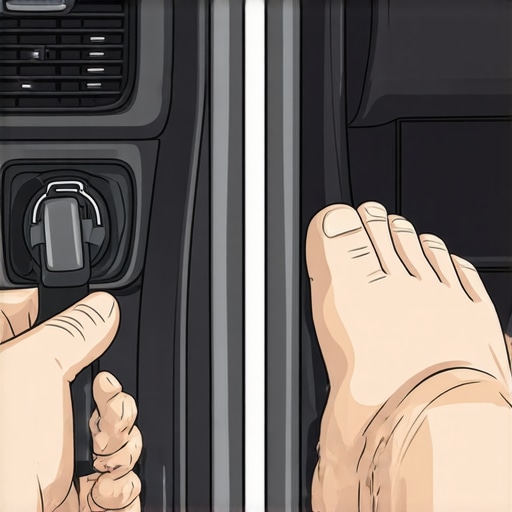
There was a moment during a road trip last summer that really opened my eyes to how overlooked car vibrations can be. I was cruising at 70 mph on the freeway when I suddenly felt a jarring shake through the brake pedal. Panic kicked in—I thought I was about to lose control or that my brakes were about to give out. Turns out, that shaky feeling wasn’t just a minor annoyance; it was a warning sign of a deeper issue lurking in my vehicle. Since then, I’ve become a bit of a muscle car detective, digging into what causes brake pedal vibrations at highway speeds and how to fix them before they turn into costly repairs.
Today, I want to share with you exactly why this problem happens—because trust me, it’s more common than you think—and what you can do to tackle it head-on. Brake pedal vibration isn’t just a matter of comfort; it directly impacts your safety and your car’s longevity. A smooth ride is fine until it isn’t, especially if that little shake hints at uneven brake rotors or other hidden issues.
The Intriguing Nature of Brake Vibrations at High Speeds
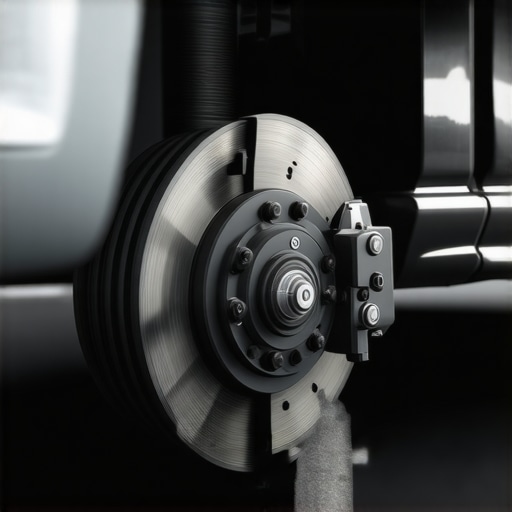
If you’ve ever felt that trembling jerk when coming to a stop on the highway, you’re not alone. This phenomenon often puzzles drivers, leaving them wondering if it’s normal or some ominous warning sign. The truth is, several factors could be at play—most notably warped brake rotors. When brake rotors become uneven due to heat stress, corrosion, or worn pads, they cause the brake calipers to grip less smoothly, transmitting vibrations through the pedal. Over time, these warpings can get worse, especially if your vehicle isn’t maintained properly.
One quick mistake I made early on was dismissing this as a mere inconvenience and not getting it checked promptly. That was a rookie error. Regular inspections and understanding the signs can prevent small problems from escalating. Curious if your brake vibrations are serious enough to require professional attention? Or perhaps you’re worried that a simple pad replacement might fix it. We’ll cover those questions and more.
For professional insights, I always recommend consulting a certified mechanic—because even with my experience, I know I can’t diagnose everything alone. The importance of proper maintenance is backed by ASE-certified technicians, who are trained to spot issues before they become dangerous. You can learn more about what an [ASE certification](https://autofixclinic.com/what-does-an-ase-certification-mean-for-your-cars-maintenance) ensures for your vehicle’s upkeep.
As we move forward, I’ll guide you through the actual steps to diagnose whether your vibration is a minor wobble or something that needs urgent attention. Grab a cup of coffee, and let’s get your ride back to smooth sailing.
Assessing Your Brake System
Start by inspecting the brake rotors for visible warping or grooves. Jack up your vehicle safely using a hydraulic lift or jack stands, and remove the wheels to access the braking surfaces. Rotate the rotors manually and feel for unevenness or wobbling—this hands-on check helped me realize my warped rotors after experiencing vibrations at 70 mph during a trip.
Measuring Rotor Thickness and Warpage
Use a dial indicator or a rotor gauge to measure the thickness and check for runout. If the rotor surface deviates beyond manufacturer specifications, it’s time for replacement or resurfacing. I learned that even a few thousandths of an inch difference can cause noticeable pedal shudder. For precise measurements, consult your vehicle’s manual or a professional technician.
Deciding Between Resurfacing and Replacing
If the rotors are only mildly warped and within thickness tolerance, machining them can restore a smooth surface. Otherwise, opt for new rotors. Remember, resurfacing too thin can compromise braking integrity. I once attempted a DIY rotor turn, but the uneven surface persisted, highlighting the importance of knowing when to replace instead of re-machine.
Implementing Proper Brake Pad Replacement
Worn brake pads can cause uneven contact and vibration. Remove the calipers and slide out the old pads, inspecting for uneven wear or glazing. Clean the caliper slides and pistons thoroughly. Replace with new, high-quality pads—aligning with the tip to always use parts recommended by your vehicle manufacturer. I found that upgrading to ceramic pads reduced vibrations and brake squeal significantly.
Reassembling and Bed-In Procedure
Reinstall the calipers and wheels, ensuring all fasteners are torqued to specification. Before hitting the road, perform a bed-in process: accelerate to 40 mph and gradually brake to a complete stop, repeating this 10 times. This procedure ensures even pad and rotor contact, reducing vibrations and enhancing braking performance. During my first attempt, I used smooth, controlled stops to avoid overheating the new pads—a critical step I learned from experts.
Checking Brake Performance and Safety
After completing the repairs, test drive the vehicle on a safe, open road. Apply steady braking at highway speeds and feel for any remaining shudders. If vibrations persist, re-inspect the rotor surface or consider professional dynamic balancing. Regular maintenance and timely inspections, including consulting resources like oil change tips, ensure your brake system remains reliable and safe.
Many drivers believe that all car maintenance is straightforward, but beneath the surface lies a web of nuanced truths that often go unnoticed. For instance, the misconception that every oil change is equal leads many to choose cheap, generic oils, believing they save money. However, high-quality synthetic oils listed in expert recommendations can significantly extend engine life, especially in demanding conditions, as discussed in [top oil change tips](https://autofixclinic.com/top-oil-change-tips-for-safe-driving-in-2025). One common myth is that ASE certification guarantees a technician’s expertise. While ASE certification indicates a technician has passed rigorous tests, it doesn’t necessarily reflect their experience with specific vehicle models or advanced systems like transmissions. To truly assess a professional’s capability, consider their ongoing training and specialization, which goes beyond certification alone.
Can an ASE-certified mechanic fix complex transmission issues without specific experience?
Mastering transmission repairs requires more than certification; it demands specialized knowledge and practical experience, especially when troubleshooting problems like harsh shifts or slipping. According to transmission experts, a mechanic’s familiarity with diagnostic tools and manufacturer-specific service procedures plays a pivotal role. Unfortunately, some drivers overestimate ASE certification, assuming it covers all complex systems. This trap can lead to incomplete repairs or overlooked underlying causes. Always ask for references or look for specialists certified in transmission repair, and avoid shops that rely solely on generic “certified” labels. Furthermore, the belief that routine services are always enough might tempt car owners to delay critical diagnostics. Many overlook subtle signs of transmission trouble, such as unusual noises or delayed engagement, which can escalate quickly if not diagnosed early. Regularly consulting expert resources, like [transmission troubleshooting guides](https://autofixclinic.com/transmission-troubles-expert-insights-for-smooth-shifting), ensures you recognize problems before they require costly repairs. Remember, avoiding these pitfalls requires a deeper understanding of vehicle systems. Always read reviews, verify technician credentials carefully, and seek transparent diagnostics. Have you ever fallen into this trap? Let me know in the comments. Staying informed helps you make better decisions, saving money and ensuring safety on the road.When it comes to keeping your vehicle in top shape over the years, having the right tools and understanding how to use them is crucial. Personally, I rely on a combination of high-quality diagnostic equipment and basic hand tools that are designed for precision and durability. For instance, I swear by a digital torque wrench because it ensures bolts like wheel nuts and transmission components are tightened to manufacturer specifications, reducing the risk of future issues. A good set of magnetic pick-up tools is indispensable for retrieving dropped fasteners in hard-to-reach places, saving time and frustration. Additionally, I use a multimeter with auto-ranging capabilities to diagnose electrical problems accurately, especially when dealing with sensors or complex circuits.
For software solutions, I recommend investing in professional-grade diagnostic scan tools like Autel or Snap-on adapters. These tools connect via OBD-II and offer real-time data on engine performance, transmission status, and emission system health. I’ve found their ability to clear error codes and run system tests invaluable during routine maintenance or when diagnosing intermittent issues.
Long-term maintenance also benefits from a maintenance scheduler app. I personally use a service like Carfax’s maintenance planner, which helps me keep track of oil change intervals, filter replacements, and fluid checks. This proactive approach prevents minor problems from escalating into costly repairs and extends the lifespan of vital components.
Looking ahead, the trend is moving towards more integrated solutions—think smart diagnostics that communicate directly with your smartphone or even your vehicle’s built-in systems. As vehicle technology advances, tools that adapt and connect seamlessly will become even more essential.
**How do I keep my car running smoothly over time?** Regularly inspecting and replacing fluids, along with firmware updates for your diagnostic tools, ensures your vehicle remains reliable. I also believe that partnering with certified professionals, especially those with ASE certification, provides an extra layer of assurance. Their specialized knowledge, combined with the right equipment, means fewer surprises and a safer drive.
If you’re ready to upgrade your maintenance toolkit, start with a reliable digital torque wrench and a professional OBD-II scanner. These investments will pay off by making complex repairs easier and ensuring your vehicle’s safety for thousands of miles ahead. Remember, consistent care today prevents expensive repairs tomorrow—don’t wait for a breakdown to realize the importance of the right tools! For expert advice tailored to your vehicle, don’t hesitate to contact us through our [contact page](https://autofixclinic.com/contact-us).
What No One Tells You About Brake Health
One of the most valuable insights I gained was recognizing that seemingly minor vibrations could be a window into your car’s deeper issues, especially with brake rotors. Ignoring these signs might lead to more costly repairs down the line, reminding me to prioritize regular inspections and trust seasoned technicians such as those with ASE certification, who can spot these problems early.
The Power of Personal Experience in Vehicle Maintenance
My journey taught me that hands-on checks, like feeling for uneven rotor surfaces or measuring runout, are invaluable. These little personal diagnostics, combined with professional advice, help demystify complex systems and give you confidence to address issues proactively, rather than reactively.
Choosing Between Resurfacing and Replacing—A Deeper Look
I learned that understanding when to resurface a rotor versus replacing it is crucial. Resurfacing can be a quick fix but often isn’t cost-effective if the rotors are too thin or warped beyond specifications. Consulting reliable sources or an ASE-certified mechanic can save you from unnecessary expenses and ensure your brake system remains reliable.
Mastering Brake Bed-In Techniques for Optimal Performance
Performing a proper bed-in procedure after replacing pads and rotors is a step I initially overlooked. This practice enhances braking performance and reduces vibrations, underscoring the importance of following manufacturer recommendations and learning these techniques from trusted automotive resources.
Investing in the Right Tools and Knowledge
From digital torque wrenches to professional OBD-II scanners, equipping yourself with quality tools complements your understanding of vehicle systems. Continuous learning, through resources like expert blogs or certification courses, empowers you to maintain your car effectively and confidently address issues like brake vibrations before they become emergencies.
Uncovering the Hidden Benefits of Proactive Maintenance
Ultimately, staying attentive to subtle signs such as brake pedal shudders can extend your vehicle’s lifespan and enhance safety. Embracing a proactive mindset, supported by expert advice and proper diagnostics, transforms car maintenance from a chore into a skillful safeguard for your journeys. Remember, the difference between peace of mind and costly repairs often hinges on noticing and addressing small warning signs early.