The Hidden Cause of Premature Tire Wear on Your Rear Axle
Ever been mindlessly rotating your tires or scheduling yet another oil change, only to find that your rear tires are wearing out way too fast? I remember the sinking feeling of pulling into my driveway after a routine service, only to notice tread wear on my rear tires that looked like I’d driven over nails—way before their time. That moment was my lightbulb moment. I realized there was a hidden culprit behind this premature tire wear, something most folks overlook.
Spotting the Real Reason Behind Your Rear Tire Trouble
Imagine this: you’re following all the recommended maintenance schedules, thinking you’re doing right by your vehicle. But still, your rear tires seem to be betraying you, wearing out unevenly and prematurely. That’s when I learned that the problem wasn’t just about tire pressure or alignment alone, but often an overlooked issue deep within the drivetrain: the rear axle’s condition and related components. Addressing this could save you hundreds on tires and even prevent unsafe driving conditions.
Is It Really Worth the Fuss About the Rear Axle?
I admit, at first, I was skeptical—thinking, “Isn’t tire rotation and alignment enough?” Turns out, I had skipped a crucial step, a mistake I see many car owners repeat. Proper maintenance of the rear axle and understanding its role can drastically affect tire longevity and safety. If you’re tired of shelling out for tires every few thousand miles or worried about unpredictable handling, then this is the part of vehicle care you shouldn’t ignore. And trust me, when I finally had my rear axle inspected, the difference was night and day.
Did I mention that neglecting issues in the rear axle can lead to more than just uneven tire wear? It can also cause problematic handling, increased fuel consumption, and even wear out other critical parts faster. A small investment today in proper inspection and maintenance might save you a lot of money—and safety concerns—in the long run.
So, how do you identify if your rear axle is the culprit? That’s where understanding common signs and getting expert inspections come in. But first, it’s essential to know what mistakes to avoid—like ignoring odd noises or feeling vibrations, which I learned the hard way early in my mechanic adventures. Want to avoid costly surprises? Keep reading, because the following tips will guide you through actionable steps to diagnose and address these hidden issues before they turn into bigger problems.
Start With a Visual Inspection of Your Rear Axle and Suspension
Pull over safely and examine the rear suspension components; look for uneven tire wear, leaks, or damaged bushings. During my own experience, I noticed a slightly uneven tread pattern on my rear tires, prompting me to inspect further. Use a flashlight to check for cracked or leaking shock absorbers, bent control arms, or broken sway bar links. Address any visibly damaged parts immediately to prevent further harm.
Perform Basic Test Drives to Detect Handling and Noise Clues
Take your vehicle on a controlled test drive at low to moderate speeds. Pay attention to vibrations, wobbles, or pulling to one side, which are signs of axle misalignment or worn CV joints. I once noticed a subtle clunking noise during my drive, which led me to suspect axle issues. Confirm with a mechanic if you encounter persistent handling problems or unusual sounds. For complex diagnostics, professional ASE-certified technicians can perform precise measurements and tests; visit this page to understand how ASE certification ensures quality repairs.
Use a Magnet and Feel for Excessive Play
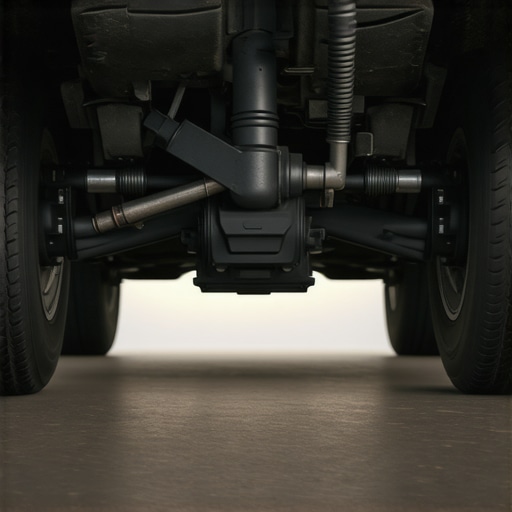
Safely lift your vehicle using a jack and stands, then remove the wheels to access the axles. Using a strong magnet, check for metal shavings or debris around the axle shafts, indicating worn out bearings or internal damage. Gently move the axle shafts by hand; excessive play or wobbling signals worn CV joints or axle bushings. When I performed this step on my truck, I felt a loose spot, which confirmed the need for axle replacement before further damage occurs. Remember, any abnormal movement can accelerate tire wear, so address it promptly.
Inspect for Signs of Differential or Gear Damage
Open the differential cover if accessible, and look for metal shards or discoloration in the gear oil. A milky or gritty appearance suggests water ingress or excessive wear. While checking, also listen for whining noises that could indicate bearing failure. Such issues can cause torque transfer problems, leading to uneven tire wear. For guidance on proper differential care, visit this resource. Regular differential oil changes, as detailed in this article, prevent buildup of harmful debris that can damage your axle assembly.
Confirm Proper Alignment and Balance After Repairs
Once repairs or replacements are complete, get your wheels aligned at a reputable shop. Misalignment can cause uneven tire wear irrespective of axle condition. During my last visit, I insisted on a full alignment check after replacing a worn CV joint, which helped extend my tire life significantly. Proper alignment ensures that your vehicle’s weight distribution is balanced, reducing strain on the rear axle and tires. Don’t overlook the importance of regular alignments—check out this guide for selecting top-notch service providers.
Schedule Routine Inspections for Ongoing Safety
Make it a habit to have your rear axle, suspension, and tires inspected every 10,000 to 15,000 miles or as recommended by your mechanic. Regular inspections help catch early signs of wear before they escalate into costly repairs or safety hazards. My experience confirms that proactive maintenance—paired with expert advice from ASE-certified technicians—can save hundreds on tire replacements and keep your vehicle running smoothly. For trusted local service, consider reaching out via our contact page. Consistent care of your drivetrain components preserves your driving experience and enhances safety on the road.Many vehicle owners believe that sticking to the basics—regular oil changes and simple inspections—is enough to keep their cars running smoothly. However, this misconception can hide nuances that, if overlooked, lead to costly repairs and safety risks. For instance, there’s a common but flawed belief that all oil changes are interchangeable or that ASE certification guarantees a perfect mechanic. In reality, not all oils are suitable for every engine, and ASE-certified techs can vary in experience and expertise. Understanding these subtleties can significantly improve your vehicle’s longevity.
One widespread myth is that synthetic oils are universally superior and can indefinitely extend service intervals. While synthetic oils do offer benefits like better stability and temperature resistance, overestimating their capabilities can backfire. As detailed in this resource, even high-quality synthetics require timely changes based on your driving conditions. Skipping or delaying oil changes, thinking the oil can ‘last longer,’ can lead to sludge buildup, engine wear, and reduced performance.
Furthermore, many assume that choosing the cheapest or most convenient car service center is sufficient. But reliability hinges on the expertise of the technician. An ASE certification is often touted as a mark of quality, but it isn’t foolproof. According to industry research, some ASE-certified technicians may not have extensive experience in specific vehicle makes or systems, especially when it comes to complex transmission repairs. Visit this explanation to understand what ASE certification truly signifies.
The ‘Oops’ factor here involves neglecting the importance of diagnostic precision. Relying solely on visual checks or basic inspections can be misleading. For example, a worn transmission solenoid might not be obvious without proper diagnostic tools, yet it can cause rough shifting or slipping. Many car owners fall into the trap of postponing advanced diagnostics, hoping issues will resolve themselves. This delay often results in exacerbated problems and more expensive repairs.
For the advanced driver eager to go beyond the basics, here’s a question to ponder: How does your car’s transmission control module interact with real-time sensor data to optimize shifting, and how can misreading this data lead to premature transmission failure? Understanding such intricacies can position you as a more informed vehicle owner and help you decide when to seek expert advice. For deeper insights, check out this detailed guide.
Have you ever fallen into this trap? Let me know in the comments. Recognizing these nuances is key to smart, proactive vehicle care—stay ahead, and your car will thank you.
How do I maintain my vehicle’s health over time?
Achieving long-term reliability requires using precise tools and adopting effective methods. I personally rely on a high-quality OBD-II scanner, like the BlueDriver, which provides detailed diagnostics and code descriptions directly from the vehicle’s ECU. This device allows me to quickly identify emerging issues, especially with transmissions, before they escalate into costly repairs, saving both time and money.
For transmission care, I use a dedicated transmission fluid tester to gauge fluid condition and level, ensuring optimal shifting performance. Regularly checking the transmission fluid’s clarity and odor has helped me detect early signs of wear, such as slippage or unusual noises. Professional-grade tools like a scan tool equipped with transmission-specific functions are invaluable for this process—I recommend this resource for learning more about diagnosing transmission issues.
When servicing, I follow manufacturer specifications and transportation industry standards, which ensures my repairs are long-lasting. Utilizing professional ASE-certified diagnostic software, such as Snap-on Verus, has upgraded my ability to fine-tune engine and transmission systems with precision. These tools can perform advanced tests like live data streaming, which gives me real-time insights into component performance during operation.
In addition to hardware, I leverage software solutions like repair manuals and technical service bulletins from sources like Mitchell1 or Alldata, granting me access to detailed step-by-step procedures and common troubleshooting tips. Staying informed about the latest updates helps me adapt my maintenance approach proactively.
Looking ahead, the trend is leaning towards interconnected diagnostic systems that integrate with cloud data, allowing even individual owners to access professional insights remotely. This innovation will make ongoing maintenance more accessible and precise for everyone.
What steps can I take now to keep my car running smoothly for years?
One effective tactic is to adopt a routine of using a diagnostic scanner regularly—think of it as a health check-up for your vehicle. Start by investing in a reliable tool like the BlueDriver. Then, schedule semi-annual scans, especially before major seasonal changes, to catch issues early. Pair this with routine fluid checks and professional inspections, especially if your vehicle is approaching or exceeding its recommended service mileage.
Finally, always keep your service records organized and consult with ASE-certified technicians for complex repairs. These combined efforts will provide a solid foundation for your car’s longevity and safety. Remember, proactive maintenance not only saves money but also keeps your vehicle performing at its best. For trusted service providers, visit our contact page.
Throughout my years of vehicle ownership and maintenance, I’ve uncovered that the most crucial lessons often come from unexpected sources. Recognizing what truly impacts your car’s health can save you countless dollars and turn you into your own expert. Here are some insights I wish I had known sooner, with personal revelations that shifted my entire approach to vehicle care.
Why Skipping Routine Checks Can Cost You Big
One of the hardest lessons I learned was that neglecting small maintenance tasks, like differential oil changes or axle inspections, eventually leads to major repairs. I once ignored unusual noises during drives, thinking they were minor. That mistake almost cost me a transmission overhaul. Regular diagnostics and understanding the importance of ASE-certified inspections can catch issues early, saving money and preventing accidents.
How Trusting a Certified Technician Transformed My Maintenance Game
My skepticism about certifications was shed after experiencing the difference certified experts make. ASE certification isn’t just a badge; it embodies a commitment to quality and precision. When I started consulting verified professionals, I noticed improvements in my vehicle’s performance and longevity. This trust motivated me to stay proactive with scheduled diagnostics, utilizing tools like professional scan devices to keep my car in prime condition.
The Power of Being Proactive Versus Reactive in Car Care
Waiting until your car shows obvious signs of trouble is a recipe for costly repairs. I adopted a habit of semi-annual transmission and axle checks, supported by reliable tools like [BlueDriver](https://autofixclinic.com/why-regular-oil-changes-extend-your-cars-lifespan). Early detection of wear and fluid degradation has kept my vehicle running smoothly, even during demanding seasons.
My Essential Tools for Vehicle Independence
Investing in quality diagnostic equipment, such as digital scan tools and specialized fluid testers, empowered me to troubleshoot minor issues myself. It’s incredible how much you can learn and prevent if you know how to interpret sensor data and fluid conditions. Trusted sources like [Alldata](https://autofixclinic.com/what-does-an-ase-certification-mean-for-your-cars-maintenance) provide comprehensive guides, making you less dependent on guesswork or costly repairs.
Let Your Curiosity Drive Better Car Care Decisions
By understanding the real reasons behind tire wear, handling quirks, or sudden noises, you transform from a passive owner into an active participant. Staying informed and adopting a proactive attitude ensures your vehicle remains safe, reliable, and a source of pride. Remember, the journey of car maintenance is ongoing—your awareness is your best tool.
What small habit or inspection are you planning to start today to protect your vehicle? Share your thoughts below and let’s learn together!