The Reason Your Engine Revs Up When You Shift into Neutral
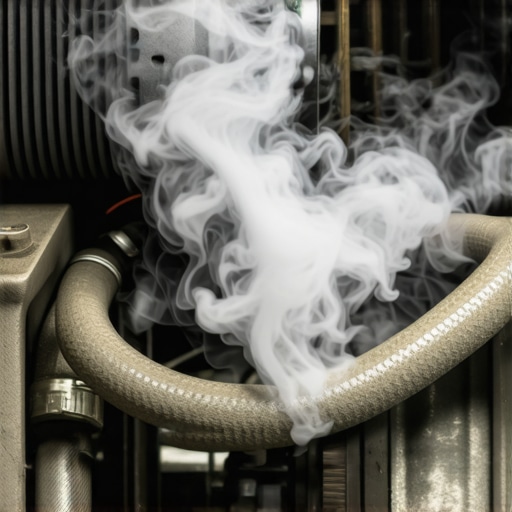
It was a typical Tuesday afternoon when I pulled into the driveway after a long day. As I shifted into neutral before parking, I noticed my engine suddenly roared to life, revving aggressively as if it was trying to tell me something was terribly wrong. My heart skipped a beat—had I missed a crucial oil change? Was my transmission on its last leg? That unsettling experience stuck with me, and I knew I wasn’t alone in this feeling of confusion.
The Surprising Reason Behind the Revving
In my early days as a car enthusiast, I thought this revving was just a quirk or maybe a sign of a lazy idle control system. But as I dug deeper—and spent years working with ASE certified (more on that later) mechanics—I learned that this behavior actually points to specific issues in your vehicle’s transmission or engine management system. Understanding this can save you money, prevent breakdowns, and give you peace of mind while on the road.Is This Just a Fluke or a Sign of Bigger Trouble?
Many drivers, myself included at first, dismiss this revving as a minor glitch. But ignore it, and you risk more serious problems down the line, like transmission slipping or engine damage. I made the mistake early on of assuming it was a mere calibration issue, overlooking the potential warning signs. Now, I want to help you avoid that same mistake.
If you’ve experienced this sudden surge in RPMs when you shift into neutral, you’re probably wondering—”Is this normal?” Or, more to the point—”Am I about to face a costly repair?” The good news is, understanding why this happens and knowing what steps to take can keep your vehicle running smoothly.
Before diving into the solutions, it’s important to recognize that this phenomenon isn’t just a mystery—it’s rooted in specific mechanical or electronic issues that can be diagnosed and fixed by qualified technicians. For example, sometimes it’s linked to throttle body problems, transmission fluid levels, or sensor malfunctions. Recognizing these signs early can make all the difference.
For more insights into transmission troubles and how to address them, check out our comprehensive guide on transmission troubleshooting. Having the right information is the first step toward a smoother ride.
Now, let’s explore exactly what causes this revving, how to identify if your vehicle is affected, and most importantly—what you can do about it to ensure your car stays healthy and reliable. Ready to become more car-savvy? Let’s get started.
Check Your Vehicle’s Fluid Levels
Start by inspecting the transmission fluid and engine oil. Low or contaminated fluids can cause irregular engine behavior. Use a clean dipstick to verify fluid levels, ensuring they meet the manufacturer’s specifications. Remember, proper fluid levels are crucial for smooth transmission operation and engine performance. For detailed guidance, see regular oil change tips.
Inspect the Throttle Body and Sensors
Next, examine the throttle body and related sensors for dirt, grime, or carbon build-up. A dirty throttle body can lead to irregular idle speeds and revving issues. Disconnect the sensor connectors carefully and clean the throttle plate with a throttle body cleaner, avoiding damaging delicate parts. If you’re unsure of the process, consider visiting a qualified shop, like those with ASE certification, for precise repairs.
Test Transmission Components
Now, investigate potential transmission problems. Check for any leaks or unusual wear around the transmission pan and fluid lines. If the fluid is dark or smells burnt, a flush might be necessary to restore proper function. Use a diagnostic scanner to read transmission codes—many issues stem from sensor malfunctions or solenoid problems. For complex issues, consulting a technician experienced in transmission troubleshooting can save you time and money.
Assess the Idle Control System
The idle control valve regulates engine speed when the vehicle isn’t moving. Remove and clean this component to remove debris that may cause erratic revving. In some cases, a faulty idle control valve needs replacement. This step requires precision; if you’re not comfortable, seek professional assistance to avoid damaging sensitive parts.
Perform a Test Drive and Observe
After completing inspections and basic maintenance, take your vehicle for a test drive. Shift through all gears, including neutral, and note any unusual revving or jerking. Use a scanner to monitor live data, paying close attention to RPM readings and sensor outputs. Document any anomalies; these details assist technicians if further diagnosis is required.
Seek Professional Diagnostics When Needed
If the issue persists despite your efforts, schedule a visit with an ASE-certified mechanic. They use advanced diagnostic tools to pinpoint hidden problems, such as electronic control module faults or intricate sensor issues. Remember, regular professional car servicing helps prevent unexpected engine revving problems.
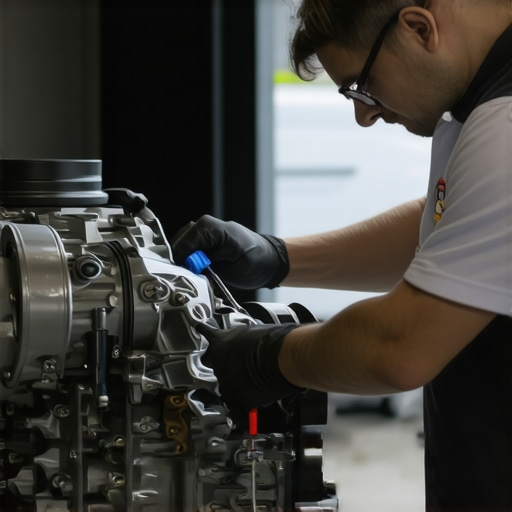 When it comes to car maintenance, many drivers cling to myths and oversimplifications that can jeopardize their vehicle’s health. Despite the proliferation of quick-lube shops promising fast and cheap oil changes, few understand the critical nuances that separate a marginal service from a truly restorative maintenance routine. Let’s dig deeper into how common misconceptions and overlooked details can lead you astray, especially if your goal is longevity and safety.
One pervasive myth is that all motor oils are interchangeable and that changing brands or viscosities has minimal impact. In reality, the type of oil—synthetic versus conventional—must align with your vehicle’s specifications. An incorrect choice could accelerate engine wear or cause oil consumption issues. The best practices for oil selection involve understanding your engine’s needs and sticking to the recommended intervals.
Many assume that a regular oil change is all their car needs, overlooking the importance of replacing and inspecting the oil filter as part of the process. A bad or clogged filter can turn an otherwise good oil change into a setup for engine damage. Furthermore, attention should be paid to the oil’s condition—dark or gritty oil signals overdue service or a more serious issue.
When discussing transmission maintenance, some believe that flushing the fluid is an unnecessary or even risky procedure. Contrary to popular belief, a controlled fluid exchange or flush—performed correctly—can prevent costly repairs down the line. The key is to avoid aggressive flushing methods that can dislodge debris and clog sensitive passages.
A common mistake people make is assuming that all ASE-certified technicians are equally qualified. While ASE certification signifies a standard of competency, it doesn’t automatically guarantee expertise in your vehicle’s specific model or issue. Ask detailed questions, verify certifications related to your car’s make, and seek shops with specialized experience, as emphasized in picking the right ASE-certified shop. This ensures your vehicle receives tailored care based on nuanced understanding rather than generic procedures.
One advanced concern is the potential for maintenance pitfalls that seem minor but can cause long-term damage. For instance, neglecting a slow transmission leak can lead to a depleted fluid level, resulting in overheating and component failure. Similarly, ignoring irregularities in engine oil pressure readings or misinterpreting engine codes without professional diagnostics may mask bigger problems.
Studies from automotive engineering experts highlight that proactive monitoring and understanding subtle signs—such as slight shifts in oil pressure or RPM fluctuations—are crucial for early intervention (see more here). Regularly reviewing your vehicle’s service history and seeking professional advice when in doubt can save thousands in repairs.
Have you ever fallen into this trap? Let me know in the comments. Remember, knowledge about the intricate details of car maintenance doesn’t just save money—it keeps you safe on the road.
Equip Yourself for Longevity: Tools I Trust
Managing your vehicle’s health requires more than just basic knowledge; having the right tools makes all the difference. I personally rely on a high-quality digital multimeter to diagnose electrical issues swiftly. It helps me verify sensor outputs, check battery health, and troubleshoot complex circuits with confidence. Additionally, a reliable mechanical torque wrench ensures that fasteners, especially when working on transmission components or suspensions, are tightened to manufacturer specifications, which is critical for safety and longevity.
For oil and fluid checks, I use a fluid tester kit that allows me to assess oil viscosity and contamination levels beyond just looking at color. This proactive approach helps identify early signs of wear or breakdown, which is vital given the importance of regular oil maintenance. When working on transmission systems, a diagnostic scan tool with extensive coverage for codes and live data—specifically one capable of reading transmission-related modules—is indispensable. I prefer models that are compatible with my vehicle’s make and model, ensuring accurate reads and efficient repairs.
Future Trends: Smarter Tools for Car Care
Looking ahead, I predict a surge in handheld diagnostic devices integrated with smartphone apps, providing real-time data and remote diagnostics. This evolution will democratize advanced troubleshooting, enabling even DIY enthusiasts to perform accurate diagnostics akin to professional shops. As more vehicles incorporate complex electronics, having a portable, software-driven diagnostic ecosystem will become standard in maintaining longevity.
Master Your Maintenance Routine for the Long Haul
How do I maintain my vehicle over time? I emphasize systematic checks with calibrated equipment and document all findings. Regularly updating software for my diagnostic tools ensures I stay ahead of emerging issues, especially as vehicles adopt new technologies. For instance, staying current with manufacturer updates on transmission diagnostics helps prevent minor glitches from escalating into costly failures. When in doubt, I consult with ASE-certified (more on here) professionals who are well-versed in the latest repair techniques.
Remember, investing in quality tools and ongoing knowledge not only extends your vehicle’s lifespan but also enhances safety and performance. Take the initiative today: try using a dedicated transmission scan tool to run a comprehensive health check on your car. This proactive step could reveal hidden issues before they become serious, saving you time and money in the long run. For trusted recommendations and more expert guidance, don’t hesitate to reach out.
What I Wish I Knew Before Ignoring Small Signs
My early mistake was dismissing minor revving issues as negligible, only to realize later they signaled deeper problems. The biggest lesson? Never dismiss subtle cues—your vehicle communicates with you, if you learn to listen.
Trusting surface appearances over consistent checks can lead to costly repairs. Once I started paying attention to engine behavior and fluid condition, car maintenance became less of a chore and more of a safeguard against unexpected breakdowns.
Certified mechanics, especially those with ASE credentials, taught me that understanding your vehicle’s specific needs—and respecting their expertise—makes all the difference. Skipping regularly scheduled services is tempting but always a false economy.
Tools I Rely On to Keep My Car in Top Shape
For me, a quality diagnostic scanner is indispensable—reading transmission codes and live sensor data keeps surprises at bay. I also swear by a good torque wrench when tightening critical components, ensuring safety and durability.
Keeping a detailed maintenance journal helps track fluid changes and repairs, uncovering patterns that might otherwise go unnoticed. These tools and habits have saved me thousands over the years, and they can do the same for you.
There’s Power in Taking Control of Your Car Care
It’s easy to feel overwhelmed when facing a mysterious revving or transmission slip, but remember—you’re not alone. Knowledge, the right tools, and professional guidance empower you to make informed decisions and extend your vehicle’s lifespan.
Start small: check your fluids, clean sensors, and keep records. Over time, your confidence grows, and maintenance becomes a proactive habit rather than a reactive expense. Your car will thank you, and your wallet will too.
What’s the biggest lesson you’ve learned from your car’s warning signs? Share your story below—let’s learn from each other’s experiences!