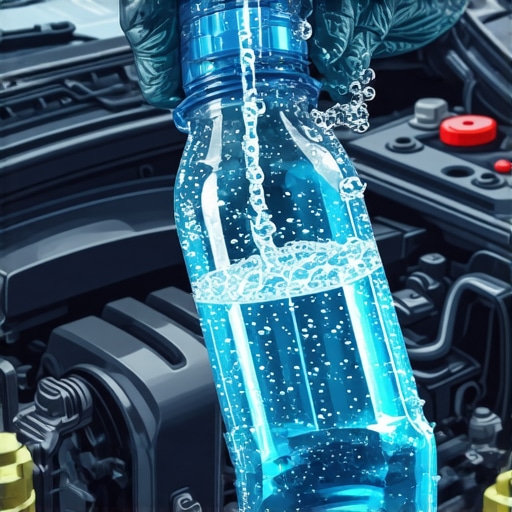
How to Identify a Vacuum Leak With a Simple Bottle of Water
I remember the day I nearly lost my cool after my car started running rough on a chilly morning. It was my daily drive, and suddenly, my engine shuddered like a boat caught in a storm. I felt that sinking feeling—was it time for another expensive repair? Turns out, I was battling a vacuum leak, an elusive culprit often overlooked but capable of wreaking havoc on your vehicle’s performance. That lightbulb moment led me to discover a surprisingly simple and cost-effective trick involving just a bottle of water. If you’ve ever felt frustrated trying to figure out why your car isn’t running smoothly or why your fuel economy has taken a nosedive, you’re not alone. Many car owners face these issues, and often, the cause is a vacuum leak—a sneaky leak that can be hard to pinpoint without proper tools.
Today, I’m here to share a straightforward method I swear by: using a simple water bottle to identify vacuum leaks. This technique saved me hundreds of dollars in unnecessary repairs and gave me peace of mind, knowing I could check for leaks myself before rushing to the mechanic. Whether you’re a weekend DIYer or just want to understand your car better, this approach can make a real difference. Plus, knowing how to detect these leaks early can prevent more serious engine problems down the line. Why is this important now? Well, vehicles are more sophisticated than ever, and small issues like vacuum leaks can cause bigger, more costly damage if left unaddressed. Plus, with rising fuel prices, maintaining your engine’s efficiency isn’t just about performance—it’s about saving money.
Why Detecting Vacuum Leaks Matters More Than You Think
Vacuum leaks can silently undermine your car’s health, often presenting symptoms like rough idling, poor acceleration, or even stalling. If ignored, these leaks can cause your engine to run lean—meaning too much air in the fuel mixture—which can lead to increased emissions and decreased fuel efficiency. Early detection can save you from expensive repairs down the road, like replacing valves or even engine damage. And here’s a little secret I learned early on: many of these leaks are so minor, you might not notice them until they’ve caused a bigger problem.
One mistake I made was dismissing that odd hissing sound under the hood—thinking it was just normal engine noise. It’s a mistake many make because vacuum leaks are often so subtle you might not catch them initially. But trust me, catching these leaks early is critical, and this water-based method is a game-changer. For a more comprehensive understanding of how engine components work together, check out this insightful article on what an ASE certification means for your car’s maintenance. Now, let’s walk through the step-by-step process to detect a vacuum leak safely and easily at home.
Prepare Your Workspace and Gather Materials
Find a well-lit, safe space in your garage or driveway. You’ll need a standard water bottle (preferably with a cap), a pair of gloves, and a flashlight. Make sure your engine has cooled down to avoid burns. I once tried this late at night without proper lighting, leading to a frustrating search for leaks—so good lighting makes all the difference.
Locate the Vacuum Hoses and Intake Manifold
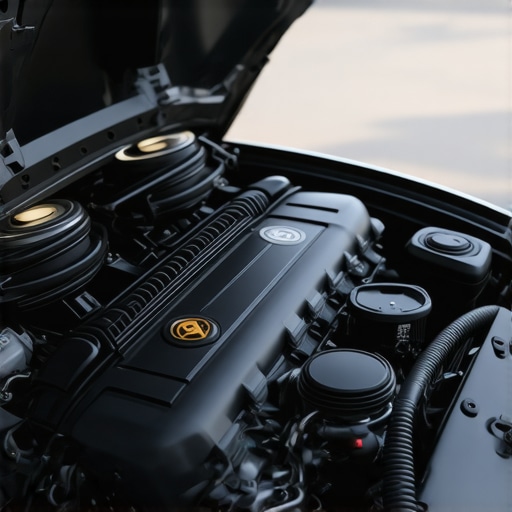
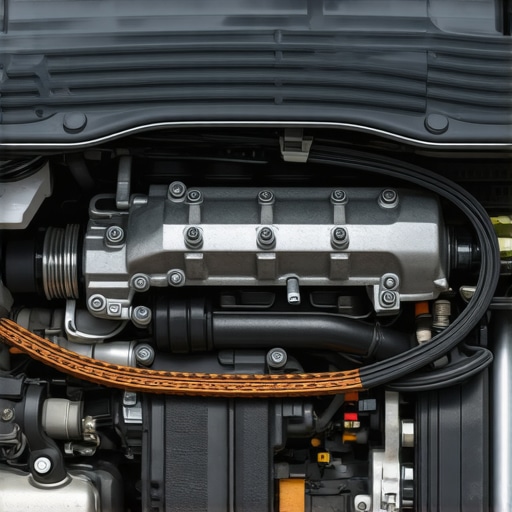
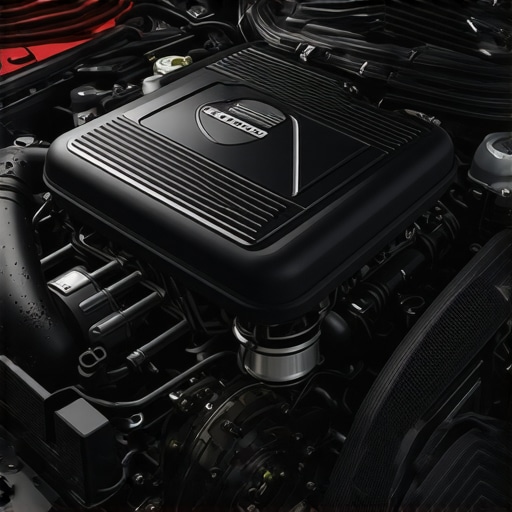
Open your hood and identify the vacuum hoses. They’re typically rubber tubes connecting various components like the intake manifold, brake booster, and emission control devices. Use a flashlight to clearly see these parts. Remember, these hoses are like the lungs of your engine—crucial for proper breathing. I once overlooked a cracked hose near the throttle body, which this method helped reveal.
Seal the Intake with a Water Bottle
Squeeze the bottle slightly to create pressure and plug the end onto a vacuum hose or port, sealing it tightly with your hand. Be cautious to avoid spills or spraying water into sensitive parts. This step is like putting a finger over a straw to check for leaks—pressurizing the system helps identify escaping air. During my first attempt, I didn’t seal the connection well, and the pressure wasn’t enough—so ensure a snug fit for accurate results.
Check for Leaks by Listening and Observing
Start the engine and observe the water bottle. If there’s a vacuum leak, you’ll hear a faint hissing sound and see the bottle trying to collapse or bulge due to the pressure changes. Use your flashlight to inspect for cracks or disconnections in hoses. I once thought my hoses were intact until water starting bubbling out at a joint, revealing a tiny crack I missed visually.
Identify the Source of the Leak
If you notice water bubbling or the bottle collapsing, carefully turn off the engine and look closer at that area. Disassemble the connector or hose clamp if needed, and inspect for cracks, loose fittings, or disconnected parts. Replacing small hoses or tightening clamps can resolve minor leaks before they escalate. Remember, some leaks are subtle; a recurring hissing or loss of pressure is your clue. Once, replacing a cracked hose saved me from a stalling engine on a cold morning.
Double-Check and Confirm the Repair
Once repairs are made, repeat the process to ensure no further leaks. Reinstall the hose or component securely, re-pressurize the system, and listen carefully. Sometimes, multiple leaks exist, so give yourself ample time to verify each. For more on maintaining components after such fixes, see why regular oil changes matter or consult a professional if symptoms persist. Properly sealing leaks can improve fuel economy, engine smoothness, and longevity—saving you money and hassle long-term.Many car owners believe that getting an ASE certification guarantees flawless service, but in reality, experience and ongoing training matter more than a badge. It’s a common misconception that all ASE shops provide top-tier work; however, some certified technicians may lack specialization in complex systems like transmissions, which require specific expertise. For instance, a standard oil change isn’t just about replacing the filter—it’s about using the right type of oil and following proper intervals, as recommended by experts. Skipping or delaying oil changes can lead to engine sludge and premature wear, contradicting the myth that ‘lifetime’ oils eliminate the need for regular service.
Another widespread mistake involves assuming that a quick, cheap transmission repair will fix all issues. Transmissions are intricate components that demand a thorough diagnosis, often needing advanced tools and experience that generic shops may lack. Rushing into repairs without understanding the root cause, like a slipping or shuddering transmission, can lead to costly failures down the line. To truly ensure smooth shifting and avoid “oops” moments, it’s crucial to trust specialists who understand the nuances of transmission diagnostics, such as those detailed in this guide on transmission issues.
Are all ASE shops truly capable of handling complex electrical or drivetrain problems?”
This is a critical question for advanced car owners. Not all ASE-certified shops are equally equipped; some focus only on basic services, leaving high-tech diagnostics and repairs to specialists. For example, understanding the importance of precise oil change intervals can make or break your engine’s lifespan, especially as newer vehicles incorporate advanced engine control systems. Regular oil changes, according to latest expert tips, are vital to prevent internal engine damage and optimize fuel efficiency. Overlooking this seemingly simple maintenance can result in severe consequences, including engine failure or reduced performance. A common trap is delaying oil changes until symptoms show, but proactive maintenance based on manufacturer recommendations is always better.
Similarly, many drivers underestimate the importance of choosing the right service provider for their vehicle’s specific needs. A generic mechanic might miss subtle signs of transmission or electrical issues—costly oversights that advanced diagnostics can reveal early. As vehicles grow more complex, the expertise and tools available at a well-trained, ASE-certified shop become invaluable. For comprehensive vehicle care, consider consulting specialists who stay updated on evolving technology, ensuring your car’s longevity and safety. Curious how to spot these nuances in your routine maintenance? Reach out through this contact form and get personalized advice. Remember, understanding these hidden factors will save you money and stress in the long run. Have you ever fallen into this trap? Let me know in the comments.
Tools I Recommend for Reliable Car Maintenance
Consistency in vehicle care hinges on having the right equipment at your disposal. I personally rely on a high-quality digital multimeter to diagnose electrical issues accurately, especially when dealing with complex systems like the alternator or sensors. A trusted scan tool, such as the BlueDriver Bluetooth Pro OBD2 Scanner, allows me to quickly read and clear diagnostic trouble codes, saving time and money. Investing in a good set of wrenches and socket drivers is crucial for any DIY repairs, particularly for tasks like tightening clamps or replacing hoses—essential when addressing vacuum leaks or transmission pan services. I also find a ultrasonic leak detector invaluable for pinpointing subtle leaks that water bottles might miss, especially in tight engine compartments. These tools empower you to take maintenance into your own hands with confidence, ensuring your car remains dependable over the long haul.
Software That Keeps Maintenance on Track
Modern vehicles demand precise maintenance schedules, which is where dedicated apps come into play. I use automotive maintenance management apps like Fuelly or Carfax MyCar to log service intervals, track oil changes, and set reminders for upcoming inspections. These apps help prevent neglecting routine tasks, such as oil changes, which underpin engine health—see why regular oil changes matter. Additionally, diagnostic software connected via OBD2 scanners can analyze live data streams, alerting you to anomalies in real time. As vehicle technology evolves, integrating these digital tools ensures you’re proactive rather than reactive, extending your car’s lifespan.
Long-Term Results through Proper Maintenance
Maintaining a vehicle isn’t just about fixing issues—it’s about fostering a long-term relationship with your car. Regularly inspecting and replacing components like transmission fluid, filters, and spark plugs minimizes the risk of breakdowns and costly repairs down the line. For example, adhering to recommended transmission fluid replacement schedule can prevent slippage and shuddering, ensuring smooth shifting—learn more in this detailed guide. Over time, these proactive practices improve fuel efficiency, reduce emissions, and even preserve resale value. Think of maintenance as investments that pay dividends in performance and reliability, ultimately saving you money and stress.
Scaling Up Your Maintenance Routine
If you manage multiple vehicles or a fleet, automation and standardization become key. Implementing digital record-keeping coupled with automated reminders can streamline operations, helping ensure no vehicle slips through the cracks. Regularly scheduled inspections and preventive maintenance prevent minor issues from escalating, especially when managing high-mileage or fleet cars. As the industry moves toward predictive analytics, integrating sensor-based diagnostics will enable even more precise, data-driven maintenance—predicting failures before symptoms appear. Staying ahead of these trends, with tools like connected diagnostics, will be vital for professional mechanics and serious enthusiasts alike.
How do I maintain my car’s performance over time?
Consistent, scheduled maintenance paired with quality tools and diagnostic practices is the key. Regular oil changes using the right type of oil, as recommended in expert tips on oil change intervals, prevent engine wear and optimize performance. I’d also recommend investing in a reliable scan tool and digital tracking app to stay on top of your vehicle’s health. And don’t forget, annual checkups from qualified ASE-certified technicians can identify issues early and extend your car’s life. Ready to implement these practices? Start with a diagnostic scan on your vehicle today and set your maintenance schedule accordingly.
Learning from My Biggest Car Mistakes
One lesson that stuck with me is the importance of proactive maintenance—waiting until something breaks almost always costs more. I overlooked early signs of transmission shuddering, only realizing it when costly repairs loomed. Now, I know trusting regular checkups, especially from ASE-certified technicians, keeps my car running smoothly and avoids surprises. Additionally, I learned that understanding your vehicle’s unique maintenance schedule, like oil change intervals, can dramatically extend its life—a tip I found in this expert guide. And finally, never ignore subtle hints like strange noises or shifting issues; they’re often early warnings of bigger problems—saving you money and stress in the long haul.