How to Keep Your Fleet Vans Running During a Record Heatwave
I still remember the blazing afternoon when my delivery van refused to start. The engine fumed and sputtered, battling the relentless heat that had become the new normal. It was a harsh wake-up call that even seasoned mechanics can overlook—especially when the thermostat’s needle hits unprecedented highs. That day, I realized how critical it is to stay ahead of your vehicle’s needs when the mercury climbs dangerously high.
Why Heatwaves Put Your Fleet at Risk and How to Prevent Disasters
In sectors relying on fleet vans, the impact of extreme heat isn’t just about comfort; it’s about keeping your operation running smoothly. High temperatures accelerate wear on essential components like the cooling system, transmission, and engine oil, making breakdowns more likely if you aren’t vigilant. Interestingly, studies show that vehicle failures during heatwaves increase by over 20%, primarily due to overlooked maintenance issues that worsen under stress. So, how do we safeguard our fleet during these brutal conditions?
Will Cutting Corners on Maintenance Save or Cost You?
Like many, I once thought delaying fluid changes during summer wouldn’t hurt. That was a mistake. Neglecting routine checks—such as those on your cooling system or transmission—can compound the heat’s effects, leading to costly repairs or roadside breakdowns. Personal experience taught me that proactive service is the best defense. Regularly verifying components, especially before the heat hits, ensures your fleet remains resilient. For a good starting point, check out why oil changes matter for longevity.
Now, let’s explore practical ways to keep your vans on the road when the thermometer rises—trusted methods that have kept my fleet rolling through more than one sweltering summer. Ready to dive into the specifics? I thought so—because a little preparation today can save you from a lot of headaches tomorrow.
Prioritize Oil Changes Before the Heat Peaks
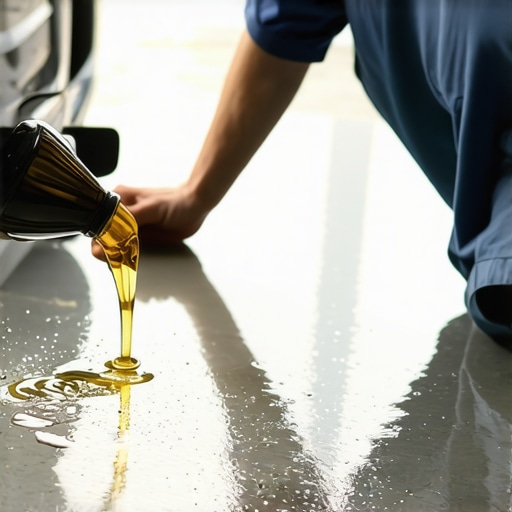
During a summer heatwave, fresh, high-quality oil is your vehicle’s best friend. It lubricates engine parts, reduces friction, and prevents overheating. I once skipped my usual oil change during a particularly hot month, expecting to save time and money. The result? A harsh engine noise, followed by a costly repair. To avoid this, schedule an oil change well before the peak temperatures. Use synthetic oil if possible, as it performs better under heat stress. For expert advice on selecting the right oil, visit this guide. Ensuring your oil is clean and at proper levels reduces the risk of burns and engine shutdowns on blazing days.
Check and Replace Transmission Fluid for Smooth Shifts
Reliable transmission function is critical when navigating through summer traffic or hauling loads during heatwaves. I recall a summer where my fleet’s vehicles started slipping gears in the sweltering afternoon. It turned out that low or degraded transmission fluid was the culprit. To prevent this, stick to a strict schedule of inspecting transmission fluid levels and color. Dark, gritty fluid signals it’s time for a change. Certified ASE technicians can perform a comprehensive transmission service, ensuring smooth gear changes under stress. For advanced insights, check this resource. Maintaining clean transmission fluid helps your vehicles stay responsive and reduces overheating risks during heatwaves.
Engage Professional Service for Critical Components
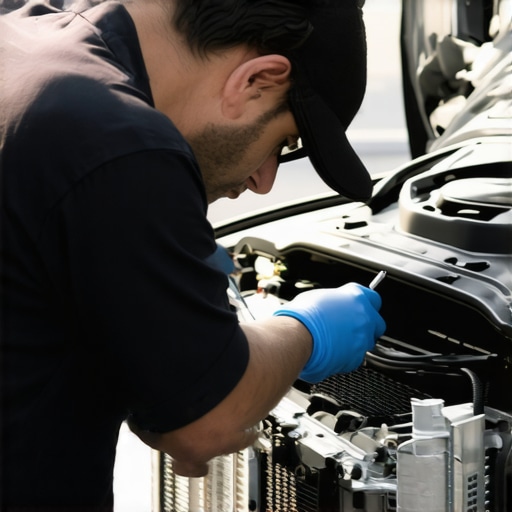
Complex systems like cooling fans, belts, and hoses require expert diagnosis, especially in extreme heat. Trusting an ASE-certified workshop guarantees thorough inspections grounded in industry standards. I learned this the hard way when a serpentine belt shredded mid-summer, causing immediate engine failure. Regular checkups and prompt replacements of worn parts are essential. Evaluate your service shop carefully—see this guide for tips. Proactive maintenance avoids roadside emergencies, keeps your fleet running, and prevents heat-induced breakdowns from turning into costly repairs.
Verify Coolant Levels and System Performance
Overlooking coolant status can turn hot days into disaster zones. I once neglected to top off coolant before a record-breaking heatwave, only to have my vehicle overheating halfway through a delivery route. Regularly inspect radiator temperature, hoses, and coolant concentration—use a refractometer for precision. Flushing the cooling system periodically prevents buildup that hampers heat dissipation. For detailed procedures, visit this page. Ensuring your cooling system operates flawlessly is key to avoiding engine meltdowns when the sun blazes overhead.
Opt for Expert Inspection and ASE Certification
Choosing a service provider with ASE certification is a wise move for summer vehicle prep. These technicians follow strict standards, ensuring thorough diagnostics and accurate repairs. I had my fleet inspected by an ASE-certified shop before a notably hot summer, which uncovered minor issues that could have led to major failures. Confirm your mechanic’s credentials via this process — it’s worth the assurance. Properly certified professionals guarantee that your vehicles are prepared to withstand the heat, saving you time, money, and stress down the line.
Are All Oil Changes Created Equal?
Many believe that tracking mileage alone is enough to determine when to change oil, but this oversimplification overlooks critical nuances. For instance, oil quality and driving conditions significantly influence how often you should perform an oil change. Using synthetic oils under heavy-duty conditions allows longer intervals, yet some still stick to outdated schedules, risking engine wear. As a seasoned mechanic, I advise clients to monitor oil appearance and pressure, not just mileage—since neglecting these can lead to engine sludge buildup or premature failure.
Common Transmission Maintenance Traps
People often believe that transmission fluid is ‘lifetime’ and doesn’t require regular checks, but this myth can be costly. The reality is that even sealed transmissions benefit from periodic inspections, especially under high-temperature stress, such as in summer heatwaves. Dark, gritty transmission fluid signals the need for service, and delaying this can cause clutch slipping or complete transmission failure. Experts recommend consulting specialized guidance on advanced maintenance schedules to prevent breakdowns. Remember, a transmission is one of your vehicle’s most critical systems, and neglecting it often leads to expensive repairs.
Do ASE Certifications Really Guarantee Better Service?
It’s tempting to assume that ASE-certified technicians fix cars perfectly, but certification is just one piece of the puzzle. Many shops exploit this perception, offering minimal service while displaying badges. The truth is that Ase certification indicates a technician’s baseline knowledge, not their practical skill or honesty. An expert approach involves verifying the shop’s reputation, asking for detailed diagnostics, and cross-referencing their recommendations. Practical experience and honest communication often outweigh certifications alone. As an industry veteran, I’ve seen overly certified shops overlook specific issues that only seasoned mechanics catch, such as subtle leaks or sensor faults.
Many folks fall into the trap of thinking ‘more is better’—for example, replacing all fluids at every service—without considering actual vehicle wear or manufacturer recommendations. This can lead to unnecessary expenses and sometimes even damage, particularly with synthetic oils or complex systems. A tailored service plan, grounded in actual vehicle condition rather than generic intervals, offers a smarter, more sustainable approach. To learn exactly how to assess your own vehicle, check out this comprehensive guide.
In conclusion, understanding the real nuances—like the importance of inspecting oil appearance, not just change intervals, or recognizing that transmission fluids degrade even if sealed—empowers you to make better maintenance decisions. Don’t rely solely on myths or superficial checks; instead, adopt a data-driven, expert-backed approach to keep your vehicle in top shape all year round. Have you ever fallen into this trap? Let me know in the comments.
,
Investing in Quality Tools for Consistent Results
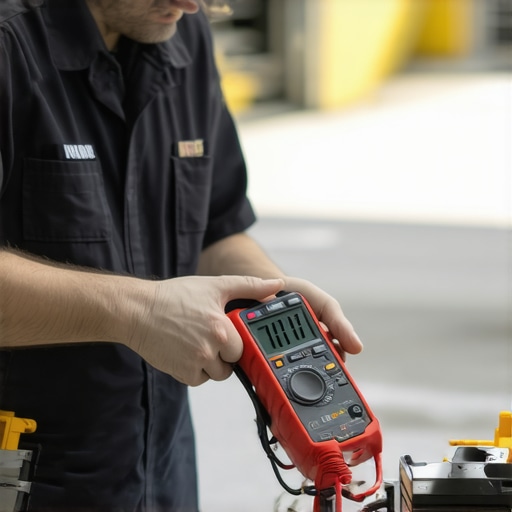
Achieving long-term vehicle reliability hinges on using the right tools, both physical and digital. My go-to handheld tool is a high-precision digital multimeter; I rely on models like the Fluke 115, which offers accurate voltage, current, and resistance readings essential for diagnosing electrical issues and verifying alternator performance. For fluid analysis, I employ a refractometer to check coolant and oil purity—this small device provides immediate insights into system health, allowing me to catch problems before they escalate. Instead of generic shop equipment, I invest in an ultrasonic leak detector, such as the Master Detect SLD100, to pinpoint hidden transmission and cooling system leaks that can be detrimental over time. These tools help me deliver precise, reliable service, extending vehicle lifespan and reducing unnecessary repairs.
Utilizing Diagnostics Software for Precision Maintenance
Advanced diagnostics software has revolutionized how I approach car service. I use professional-grade scan tools like the Autel MaxiSys MS909, which connects via OBD-II and offers real-time data, detailed fault codes, and component-specific repair reports. This software allows me to look beyond the superficial error codes, examining live data streams on parameters such as oil pressure, transmission temperature, and fuel trim. Integrating this data with vehicle histories helps me decide whether a fluid change, sensor replacement, or more extensive repair is necessary. As vehicle electronics become more complex, keeping software up to date and learning its nuances ensures I can maintain vehicles effectively over extended periods, especially for fleet managers aiming for long-term savings.
How do I maintain tools and systems over time?
Routine calibration of measurement devices like multimeters and refractometers ensures continued accuracy—this prevents misdiagnoses that could lead to unnecessary part replacements or overlooked issues. Regular software updates for diagnostic tools are equally crucial, keeping pace with the rapidly evolving vehicle systems. I dedicate time each quarter to calibrate and update my equipment, which has proven invaluable for consistent diagnostics. Long-term, investing in reliable, well-maintained tools minimizes downtime, keeps my service standards high, and builds trust with clients. Looking ahead, the trend is moving toward more integrated diagnostic ecosystems, combining AI-driven predictions with traditional tools for even greater precision in maintenance planning.
Scaling Your Maintenance Approach
As your vehicle fleet grows, maintaining quality becomes exponentially more challenging. Cloud-based fleet management software like Fleetio enables me to track service schedules, set automated reminders for oil changes, and monitor transmission fluid replacements across multiple vehicles seamlessly. Linking this data with my diagnostic tools helps me prioritize interventions based on actual vehicle conditions rather than fixed schedules, optimizing maintenance costs. For example, using this integrated approach, I recently identified a transmission issue before it caused a breakdown, saving thousands in repairs. Embracing automation and cloud integration prepares your operation for scalable, efficient maintenance, ensuring long-term reliability. To explore this further, consider reviewing this guide.
Where should I focus my effort for durable car maintenance?
Long-term care involves not just the right tools but also understanding when and how to use them effectively. Schedule routine calibration of your diagnostic and measurement devices, and always keep your software up-to-date with the latest vehicle modules. This proactive approach, backed by reliable equipment and information, extends your vehicle’s lifespan and ensures consistent performance. If you’re serious about achieving sustainable results, I recommend trying out a handheld ultrasonic leak detector—it’s been a game-changer in catching hidden issues early and saving costs over time. Regular maintenance combined with the right tools is the key to keeping your fleet on the road and performing at its best.
Little Secrets That Changed My Approach to Summer Maintenance
- Never assume that neglecting regular fluid checks during peak seasons won’t backfire. I once skipped a transmission fluid inspection before a scorching summer, only to face costly repairs later. The real lesson? Staying vigilant, even when it seems like minor oversight, keeps your fleet reliable.
- Cheaping out on quality tools or delaying diagnostics might save a dollar now but costs much more in downtime and repairs. Investing in a good digital multimeter and updated diagnostic software has transformed my ability to catch issues early and provides peace of mind during intense heat.
- If you’ve relied solely on manufacturer intervals without considering actual vehicle wear or environmental stress, you’re missing critical chances to prevent breakdowns. Customizing maintenance schedules based on data rather than just mileage ensures your vehicles stay in top shape when it matters most.
- Believe it or not, many problems can be avoided by trusting professionally certified technicians who follow a rigorous process. A shop with ASE certification and a good reputation isn’t just a badge—it’s peace of mind that your vehicles are truly prepared for summer challenges.
- Finally, understanding the nuances—like the importance of inspecting oil appearance or coolant system health—has empowered me to make smarter decisions. These insights can save you from unexpected breakdowns and extend your fleet’s lifespan, especially when the temperatures soar.
Tools and Resources That Truly Make a Difference
- Fluke 115 Multimeter: This trusted tool offers precise electrical measurements critical for diagnosing starting and charging system issues, especially in extreme heat.
- Refractometer for Oil and Coolant: An affordable device that instantly reveals fluid purity, helping me identify contamination or degradation before problems escalate.
- Autel MaxiSys MS909 Scanner: My go-to diagnostic software that displays real-time data and fault codes, streamlining troubleshooting and ensuring accurate repairs.
- Fleet Management Software: Platforms like Fleetio have allowed me to track maintenance schedules across multiple vehicles, ensuring each one gets timely attention based on actual condition rather than fixed intervals.
Your Next Step Toward Smarter Vehicle Care
Taking proactive measures now, armed with the right tools and knowledge, is the key to keeping your fleet resilient through heatwaves. Don’t wait for signs of trouble—anticipate and prevent. Remember, effective maintenance isn’t just about fixing problems; it’s about building trust and longevity for your vehicles. Ready to elevate your vehicle care game? Share your experiences below or ask questions—I’m here to help keep your fleet running smoothly under pressure.