Why Your Fleet Gas Mileage Dropped After Your Last Service
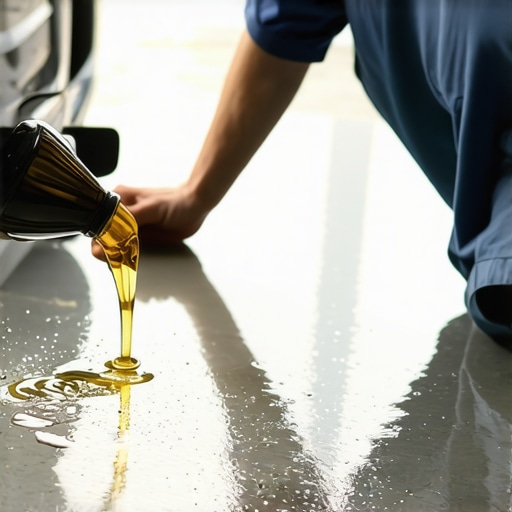
I remember the moment vividly. I drove my truck after a routine oil change, expecting smooth sailing—and suddenly, my gas mileage plummeted. It was a lightbulb moment for me: even the smallest maintenance can have unexpected consequences. If you’ve noticed your vehicle’s fuel efficiency taking a nosedive right after your last service, you’re not alone. Many drivers, including seasoned pros, have found themselves puzzled, wondering what went wrong.
The Hidden Pitfalls of Routine Maintenance
As someone deeply passionate about vehicle care, I’ve learned that regular maintenance is crucial. But even the best intentions can backfire if not done correctly. For instance, prematurely replacing an oil filter or using the wrong grade of oil can subtly impact your engine’s performance. That dip in fuel economy? It might be due to overlooked details during your last service.
Could Poor Service Be Sabotaging Your Mileage?
Many assume that a routine service ensures everything runs smoothly. However, mistakes happen—especially if the shop isn’t ASE certified, or if the technician isn’t experienced. I recall my early mistake of trusting a generic lube shop, only to realize they didn’t reset the engine’s computer properly. This small oversight caused a notable drop in efficiency. To avoid such issues, always verify that your mechanic is qualified—an ASE certification can make a real difference. Learn more about what this certification means for your car’s maintenance [here](https://autofixclinic.com/what-does-an-ase-certification-mean-for-your-cars-maintenance).
Statistics show that improperly performed services can reduce fuel economy by up to 10%. That’s money down the drain, or better spent on better fuel economy strategies. So, how do you ensure your vehicle isn’t inadvertently sabotaged during routine maintenance?
What’s Next? Fixing the Problem Step by Step
In this post, I’ll guide you through common mistakes and how to prevent them, so your next fuel stop is less painful. From checking your service shop’s credentials to understanding simple diagnostics, you’ll gain the knowledge to keep your fleet—or your personal vehicle—running at peak efficiency. Ready to uncover the truth behind your drop in gas mileage? Let’s dig in and get your vehicle back on the road with confidence.
Verify Your Service Provider’s Credentials
The first step is ensuring your mechanic’s qualifications. I once took my car to a local shop with a generic reputation, only to find that their technicians lacked proper ASE certification—a distinction that indicates a recognized standard of automotive excellence. To avoid similar pitfalls, always request proof of certification or verify their credentials online via [here](https://autofixclinic.com/why-verify-your-mechanic-is-actually-ase-certified). Proper certification guarantees that your vehicle is serviced by someone trained in the latest tech and standards, reducing the risk of errors that could harm your fuel economy.
Plan Your Service with Clear Objectives
Before your appointment, know exactly what needs to be done. For example, replacing an air filter without inspecting the spark plugs or checking tire pressure might seem enough, but multiple issues could be lurking. I once requested only an oil change, but I also asked for a comprehensive inspection aligned with [top oil change tips](https://autofixclinic.com/top-oil-change-tips-for-safe-driving-in-2025). This prevents overlooked problems that drain fuel efficiency—such as a clogged air filter or misaligned tires—ensuring your vehicle operates optimally.
Communicate Clearly with Your Mechanic
Explicit communication is key. During my last visit, I pointed out my concern about sudden drops in gas mileage following a recent service. A good mechanic will listen and suggest additional checks, like inspecting the transmission fluid or engine timing, which could contribute to poor performance. Engaging your mechanic with specific questions about their process, such as asking if they follow manufacturer-recommended intervals or if they use OEM parts, reduces misunderstandings. Learn how to identify a qualified shop [here](https://autofixclinic.com/choosing-the-right-car-service-for-your-vehicles-needs).
Request Proper Diagnostics and Recordkeeping
Precise diagnostics can prevent simple mistakes from causing bigger issues. For example, I had my vehicle undergo live drive diagnostics, which caught a subtle misfire before it caused damage—saving fuel and money. Ensure your mechanic uses tools like multimeters or scan tools correctly. Also, keep detailed records of all services, accessible through digital logs or physical files. This way, you can track changes over time and spot patterns, such as recurring issues that may affect your vehicle’s efficiency. For more on diagnostics, see [here](https://autofixclinic.com/how-to-spot-a-failing-alternator-with-a-simple-multimeter).
Follow Up and Maintain Regular Checks
Post-service follow-up is often overlooked. After my last oil change, I monitored my fuel economy and identified a slight decline, prompting me to revisit the shop. Regular checks on tire pressure, fluid levels, and filters keep you ahead of potential problems, much like an athlete fine-tuning their diet and exercise regimen. Scheduling periodic inspections, perhaps with guidance from [preventative cooling system flush tips](https://autofixclinic.com/why-your-fleet-needs-a-preventative-cooling-system-flush), ensures your vehicle remains in top shape. Remember, routine maintenance isn’t a one-time fix but an ongoing process to sustain fuel efficiency and vehicle longevity.
When it comes to car maintenance, there’s a widespread misconception that sticking to routine services guarantees optimal performance. However, even seasoned car owners often overlook subtle nuances that can significantly impact their vehicle’s longevity and efficiency. Let’s dig deeper into common myths and advanced mistakes that many overlook, starting with the popular belief that all oil changes are created equal. In reality, choosing the right oil type and change interval requires a nuanced understanding; synthetic oils, for example, can last longer but may not be suitable for all engines, especially older models. Rushing into an oil change without considering these factors can lead to reduced engine lifespan and performance.
Why Your Transmission Might Not Be Shifting Smoothly—And What You Overlook
The average driver often neglects the importance of transmission health, assuming that shifting issues are solely due to fluid leaks or mechanical failures. But did you know that incorrect transmission fluid viscosity or neglecting cooling system integration can cause harsh shifts or slippage? According to transmission expert insights, failing to regularly check and replace transmission fluid with the proper specifications can lead to costly repairs. Moreover, many forget that high-performance transmissions benefit from cooling upgrades—neglecting this can cause thermal breakdown of fluids, leading to early wear. For deeper insights, check out this guide on transmission maintenance.
Another overlooked aspect is the certification of your mechanic. Many people presume that all repair shops are equally qualified. However, an ASE certification signifies a technician’s commitment to high standards and ongoing education—crucial for complex tasks like diagnostics and component replacement. Trusting unqualified technicians can result in misdiagnoses or incorrect repairs, which may not only be wasteful but also dangerous. Always verify your mechanic’s credentials before proceeding with repairs.
Here’s a common trap: Many assume that adding synthetic oil means you can skip more frequent oil changes. But in reality, overfilling or underfilling your engine oil can open a Pandora’s box of issues—from increased wear to oil leaks. Refer to this detailed explanation to avoid such pitfalls. Moreover, understanding the manufacturer’s recommended service intervals—accessible through your owner’s manual or consult with a trusted ASE-certified shop—can prevent costly repairs down the line.
What Advanced Car Owners Need to Know
For those seeking an edge, it’s essential to grasp that routine maintenance isn’t just ticking box exercises. For example, live drive diagnostics can catch intermittent issues like misfires or sensor faults that traditional inspections miss. Using professional-grade scan tools and understanding subtle engine behaviors can save you time and money. Additionally, paying attention to vehicle documentation—such as service records—helps in identifying patterns that indicate underlying problems. These practices represent the difference between basic car owners and seasoned enthusiasts who maximize their vehicle’s lifespan.
In summary, mastering the nuances of car maintenance means going beyond the surface—understanding oil specifications, the significance of proper transmission cooling, verifying technician qualifications, and leveraging advanced diagnostics. Overlooking these details can lead to preventable failures and increased costs. So, have you ever fallen into this trap? Let me know in the comments and share your experiences. Remember, informed decisions are your best defense against costly mistakes.
Mastering the Art of Sustainable Vehicle Maintenance
Keeping your vehicle in peak condition over time requires more than just basic oil changes; it involves the right tools, disciplined methods, and a proactive mindset. As a seasoned automotive enthusiast and professional, I rely on specific equipment and software that ensure precision and longevity in my maintenance routines. One essential tool I personally use is the OBD-II scan tool, such as the BlueDriver. It provides comprehensive diagnostics, allowing me to pinpoint issues—like transmission slippage or engine misfires—before they escalate. This proactive approach can save substantial repair costs and maintain optimal fuel efficiency.
Another vital component is adopting software-based maintenance tracking. I recommend platforms like AutoFix’s Maintenance Tracker. It helps monitor service intervals, component wear, and alerts you to upcoming needs based on your vehicle’s usage patterns. This long-term data management ensures you stick to recommended schedules, especially for critical services like transmission fluid replacements or cooling system flushes—that, if neglected, can lead to costly failures.
When it comes to tools, specialized cleaning equipment makes a big difference. For example, I use a carbon cleaning kit to restore engine efficiency, which effectively removes buildup in intake valves. Regular use of such tools not only extends component lifespan but also improves response and fuel economy. For me, investing in quality diagnostic and maintenance equipment pays off in the form of fewer breakdowns and better vehicle resale value, especially when working on ASE-certified services—an industry gold standard for technicians.
How do I maintain transmission health over time
Transmissions are often the Achilles’ heel of vehicle longevity. To keep them running smoothly, I prioritize proper cooling and fluid management. Installing an auxiliary cooler, when towing or hauling heavy loads, significantly reduces thermal stress on transmission components. Additionally, I use a high-quality transmission fluid recommended by manufacturers, checking fluid levels and condition periodically—ideally during routine oil changes or seasonal maintenance. This hands-on approach combined with diagnostic tools like live drive diagnostics ensures early detection of issues such as slipping clutch packs or solenoid failures, which can be diagnosed before they cause catastrophic damage.
Looking ahead, the trend points toward integrating automated monitoring systems and AI-driven diagnostics. Vehicles equipped with advanced sensors can alert owners to wear or fluid degradation in real-time, making maintenance predictively reactive rather than reactive. This evolution will empower car owners and fleet managers alike to sustain vehicle performance efficiently and cost-effectively.
To apply this knowledge today, I recommend you start by investing in a reliable OBD-II scanner and familiarizing yourself with basic diagnostics. For example, regularly checking transmission fluid Health using these tools helps you catch problems early. Why not make that your next step? Properly maintained transmission and powertrain components are foundational to a vehicle’s long-term health, and tailored diagnostics can make all the difference. For detailed guidance on diagnostics, explore this resource.
Lessons That Changed My Approach to Car Care
- Never assume that all oil changes are equal; synthetic oils and proper intervals matter deeply for engine health. My breakthrough came when I realized the importance of matching oil types to my vehicle’s specific needs, which significantly extended its lifespan.
- Getting your transmission checked regularly isn’t just a recommendation but a necessity. I used to overlook subtle shifts, only to learn later that early diagnostics with the right tools can prevent costly repairs—a lesson I wish I’d embraced sooner.
- Verify your mechanic’s credentials, especially their ASE certification. Trust me, trusting uncertified shops can lead to mistakes that diminish your vehicle’s efficiency. Confirm their certification online or ask for proof—your car deserves expert care.
- Utilize advanced diagnostics and keep detailed service records. My reliance on simple visual inspections missed intermittent issues; investing in proper scan tools alerted me to problems before they worsened, saving time and money.
- Adopt a proactive maintenance mindset—regular checks, proper fluid management, and staying informed about your vehicle’s condition can make the difference between a reliable ride and costly breakdowns. Remember, your car is a complex system that rewards attentive care.
Tools and Resources That Became My Go-To Playbook
- BlueDriver OBD-II scan tool: I trust this device for comprehensive diagnostics. It offers deep insights without needing a mechanic, empowering me to catch issues early.
- AutoFix Maintenance Tracker: Keeping digital logs of my service history has kept me on top of all critical intervals, which has been invaluable in maintaining optimal performance.
- Top Oil Change Tips: This guide helped me choose the right oil and service intervals, ensuring I don’t fall into common traps that can harm my engine.
- ASE Certification Resources: Verifying my mechanic’s credentials through links like this page gives me peace of mind that I’m leaving my vehicle in qualified hands.
Your Next Step Toward Smarter Car Care
Taking control of your vehicle’s maintenance doesn’t require being a mechanic—just a willingness to learn and apply smarter habits. With the right tools, knowledge, and mindset, you can avoid costly mistakes and keep your vehicle running smoothly for years to come. Ready to embrace this proactive approach and protect your investment? Your car will thank you, and so will your wallet.
What’s the biggest lesson you’ve learned from your own car maintenance experiences? Share your story below—I’d love to hear how you’re making smarter choices on the road!
,