How to Tell if Your Oil Change Shop Actually Swapped the Filter
It was a sweltering afternoon when I realized my car’s engine was running oddly—rough idling, weird smells, and a sudden sinking feeling in my stomach. Turns out, I had trusted an auto shop for an oil change, only to discover they might not have changed the filter at all. Like many car owners, I’ve learned the hard way that assuming service providers always do what they promise can be a costly mistake. This lightbulb moment made me ask: How can I be sure my oil change shop isn’t cutting corners?
Why It’s Crucial to Verify Your Oil Filter Gets Changed
– Your car’s engine relies heavily on a clean oil filter to keep contaminants out. If your filter isn’t replaced when due, you’re risking engine wear, decreased fuel efficiency, and potentially expensive repairs. Despite shop assurances, not all technicians follow protocol, either out of negligence or business incentives. According to a study highlighted by AutoFixClinic, neglecting proper maintenance can reduce engine lifespan significantly. So, how do you protect yourself?
Is This Just a Cautionary Tale or a Common Practice?
– Early in my journey, I made the mistake of trusting that a quick visit to a reputable-looking shop was foolproof. It wasn’t. I learned that some shops might reuse filters or skip the replacement altogether, especially if they believe customers won’t notice. Being proactive is key. Simple checks can save you from costly engine issues down the line. If you’ve ever wondered whether your mechanic is honest about filter swapping, you’re not alone.
Now that you’re aware of the risks, let’s delve into practical steps you can take to confirm your oil filter has been genuinely replaced without relying solely on their word. But first, do you suspect your last oil change might not have involved a filter swap? Feel free to share your experience in the comments or contact us for personalized advice.
Physically Inspect the Filter
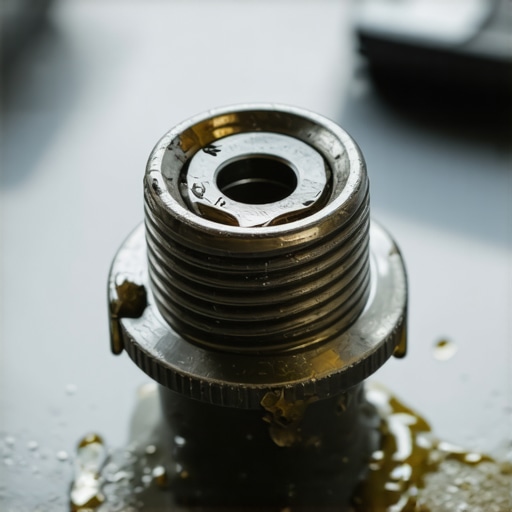
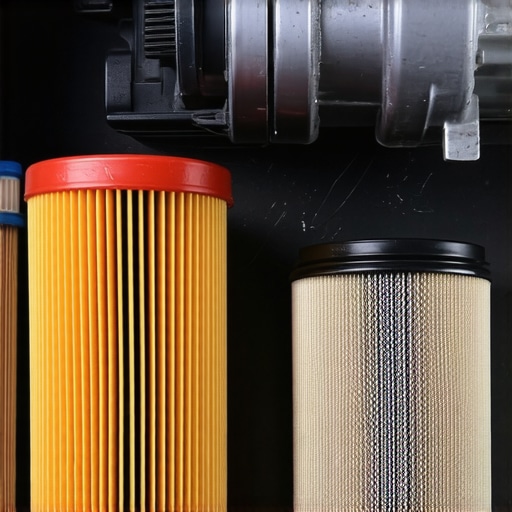
After an oil change, don’t just take their word for it. Open your hood and locate the oil filter—the round canister or cartridge usually accessible from the top or bottom of the engine. When the engine is cool, unscrew or remove the filter carefully with a proper wrench or your hands, depending on the model. Check if the filter is new or shows signs of being reused. A new filter usually has clean, clear markings and a pristine appearance. I once did this after a trusted shop claimed to have replaced my filter; to my surprise, it was the original. This simple step saved me from potential engine wear.
Ask for Visual Proof from Your Technician
During your visit, directly request that the technician show you the removed filter if you’re present. A professional ASE-certified technician knows the importance of transparency. If they hesitate or refuse, consider scheduling a different shop or inspecting the filter afterward as a backup. Being assertive can prevent them from reusing old filters or skipping steps. For instance, I asked my last mechanic to show me the filter, and they handed me the old one, confirming the replacement process was genuine.
Check the Oil’s Condition and Filter Signs
Observe the oil color and smell—fresh oil is amber and clean. If dark and dirty, it might indicate poor maintenance or a reused filter. Also, look at the filter’s gasket and sealing surface; a new filter gasket is flat, smooth, and free of residue. Some filters have unique markings or brand labels which should match the report or invoice. Never ignore the warning signs of inadequate service, as ignoring this can lead to engine damage. I once found my oil was dark just 1,000 miles after an oil change because the filter had not been replaced—an easily preventable mistake.
Use a Magnet or Test Oil for Contaminants
For a more advanced check, you can use a magnet to see if metal particles have accumulated on the filter or drain plug. Alternatively, collecting a small oil sample and testing it for metal debris can reveal early engine wear. These methods, while more technical, add an extra layer of assurance. Remember, consistent checks are key to extending your vehicle’s lifespan and avoiding costly repairs. Regular diagnostics, like staying informed about maintenance tips, can help you stay ahead of issues.
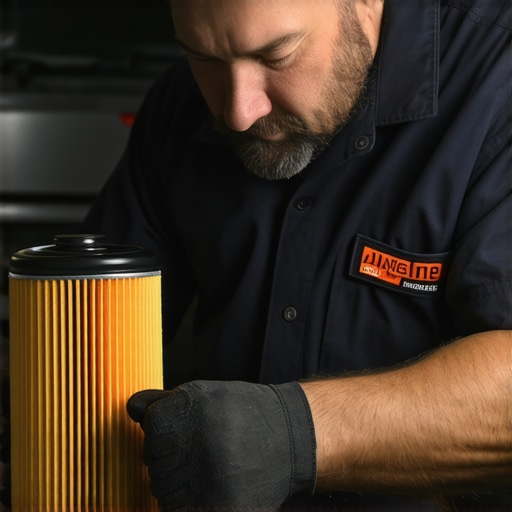
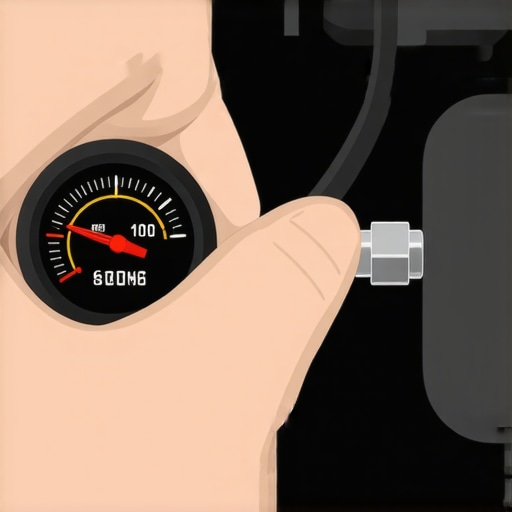
Illustration showing a person inspecting their car’s oil filter after an oil change, emphasizing the importance of visual checks.
While most car owners understand the basics of oil changes and choosing ASE-certified shops, there are subtle pitfalls and misconceptions that even seasoned enthusiasts often overlook. Let’s dig deeper into these lesser-known aspects that can save you money and extend your vehicle’s lifespan. One common myth is that an ASE certification guarantees impeccable service, but in reality, it signifies a technician’s well-rounded knowledge, not necessarily their honesty or attention to detail. According to automotive expert AutoFixClinic, verifying the technician’s experience in specific vehicle systems is crucial, especially for complex tasks like transmission repairs. Many believe that regular oil changes alone preserve engine health, but neglecting transmission fluid maintenance can cause shifting issues over time. Advanced mistakes include assuming that all transmission fluid is the same—synthetic or conventional could have different impacts, and the wrong choice may accelerate wear, a tip emphasized in our transmission insights. Furthermore, a persistent misconception is that all service providers will replace parts as needed. In reality, some shops might reuse parts or delay replacements to save costs, leading to long-term damage. This is especially dangerous with components like transmission filters, which are critical for proper shifting and longevity. Always insist on visual confirmation or request detailed service reports to catch these shortcuts early. Have you ever fallen into this trap? Let me know in the comments. Recognizing that some nuances are easy to miss helps you become an informed vehicle owner. For instance, many drivers don’t realize that fresh oil may still be ineffective if the filter isn’t replaced properly, risking engine wear despite regular oil changes. When dealing with transmission issues, understanding how different diagnostic tools—like live drive data—can reveal hidden problems is invaluable. A skilled technician will analyze shifting patterns and fluid quality, rather than just relying on error codes. This approach aligns with advice from our guide. Remember, the devil is in the details, so don’t hesitate to ask questions or seek second opinions for critical repairs. By being aware of these hidden nuances, you can avoid costly mistakes and keep your vehicle running smoothly for miles to come.
Equip Yourself with Precise Diagnostic Tools
One of the most reliable investments I made was purchasing a high-quality automotive scan tool like the BlueDriver OBD2 Scanner. Unlike generic code readers, this device connects via Bluetooth to my smartphone, providing detailed diagnostics including transmission-related trouble codes. It has saved me countless trips to the mechanic by allowing me to interpret what’s truly happening under the hood, especially with complex issues like transmission slippage or engine hesitation. As automotive technology evolves, having such a tool becomes indispensable for proactive maintenance and avoiding unnecessary repairs. Predictions indicate that diagnostic tools will integrate more AI capabilities, offering real-time suggestions for repairs and maintenance tasks based on data collected from your vehicle’s electronic systems.
How do I maintain transmission health over time?
Transmission health hinges on regular fluid checks and timely cooler flushes, especially for vehicles used for towing or high-mileage fleets. I personally use a infrared thermometer alongside my scanner to monitor transmission fluid temperatures during drive cycles, ensuring they stay within optimal ranges. Additionally, I recommend investing in a transmission fluid tester kit, which evaluates viscosity and contamination levels, giving early warning signs before severe damage occurs. Proper maintenance is not just about replacing fluids but understanding the specific needs of your vehicle’s transmission system, often detailed in expert insights here. Moving forward, I believe the trend will shift toward smart cooling systems that automatically adjust flow rates based on real-time data, enhancing long-term durability.
Long-Term Results Require Consistent Care
Maintaining your vehicle’s transmission over time involves more than just fluid changes. Using a dedicated magnetic transmission pan drain plug during oil changes helps capture metal particles, reducing wear. I personally check the gasket integrity and ensure proper torquing during every service to prevent leaks, which can lead to fluid loss and gear slipping. These small, consistent actions compound over miles, drastically extending your vehicle’s lifespan and reliability. Staying ahead with routine inspections, aided by modern tools, will help you identify early signs of component wear, saving money and preventing breakdowns.
Tools for Scaling Your Maintenance Routine
If you own a fleet or multiple vehicles, automation becomes essential. I recommend exploring fleet management software like Fleetio which integrates diagnostic reports, service reminders, and inventory management. Coupled with diagnostics, this approach streamlines maintenance, ensures compliance, and reduces downtime. As vehicle technology advances, the ability to remotely monitor systems will become even more prevalent, making preemptive repairs more feasible than ever.
For those serious about keeping their cars in top shape, I urge you to try out a modern diagnostic tool combined with routine coolant and fluid testing. These methods arm you with data, empowering you to make informed decisions and avoid costly fixes down the line. Remember, proactive maintenance today safeguards your vehicle’s performance tomorrow.
Lessons That Didn’t Make the Manual
One of my biggest oversights was trusting that a quick oil change always meant my filter was swapped; turns out even seasoned drivers can fall into complacency, which can lead to costly engine damage. Learning to physically verify the filter’s condition became a game-changer for me. Also, I assumed ASE certification was a guarantee of honesty; instead, I learned to ask specific questions about parts and procedures. This taught me that being proactive and asking for transparency saves a lot of guesswork—and money. Lastly, I uncovered how relying solely on visual inspection isn’t enough; combining this with diagnostic tools provides a comprehensive picture of your vehicle’s health, especially for complex systems like transmissions. These lessons highlight that staying vigilant, even with routine maintenance, offers long-term rewards.