The smartest way to track maintenance for a 10-car fleet
It was a cold Tuesday morning when I finally realized I had a serious problem. I was standing in my garage, fumbling with a handful of worn-out sticky notes and scattered spreadsheets, trying to recall which of my ten fleet vehicles had its last oil change or when the brake pads were due for replacement. That moment of frustration hit me hard — I knew I couldn’t keep this chaotic system up for long.
That was my lightbulb moment. I understood that without an efficient way to track maintenance, I was risking costly breakdowns, uneven wear, and even safety issues — all of which can severely dent your bottom line if you’re managing multiple vehicles. The good news? I discovered an approach that transformed how I kept tabs on my fleet, and I want to share the secrets that might save you from the same headache.
Why Tracking Maintenance for a Fleet Matters More Than Ever
Managing a 10-car fleet isn’t just about filling up tanks or fixing broken lights. It’s about ensuring each vehicle runs safely, efficiently, and reliably. Skipping routine maintenance or losing sight of service dates can lead to engine problems, transmission troubles, or even costly accidents. Plus, it eats into your time and resources when you need to fix issues that could have been prevented.
My early mistake was relying solely on memory and paper logs. Over time, I realized that this approach was flawed — I’d forget service intervals, miss warranty windows, or accidentally double-book repairs. That misstep taught me a crucial lesson: a structured maintenance system isn’t a luxury; it’s an absolute necessity.
Studies show that neglecting regular maintenance can increase vehicle repair costs by up to 50% over the lifespan of a fleet. Proper tracking not only extends your vehicles’ lifespan but also improves fuel economy and safety, making it a smart business move. If you’re tired of scrambling last-minute for service records or facing unexpected breakdowns, then you’re in the right place. We’re going to explore how to implement a simple, effective maintenance tracking system that works regardless of your tech skills.
Feeling overwhelmed? It’s common for fleet owners to fear that proper tracking might be complicated or expensive. Let me put your mind at ease — a few simple tools and a disciplined approach can make a world of difference. To get started, I’ll share how I set up my system, including some insider tips I wish I knew when I first started. And trust me, once you’re organized, the peace of mind is priceless.
Now, before we dive into the practical steps, if you’ve ever lost an important service date or been caught with a vehicle breakdown, I’d love to hear your story. Drop a comment or reach out — because in this journey, we’re all in it together. With that said, let’s get into how you can get your fleet maintenance under control — starting with understanding your current needs and setting up a foolproof system that works for you.
Set Up a Maintenance Calendar with Clear Intervals
Start by creating a master schedule that outlines every vehicle’s service milestones, such as oil changes, brake inspections, and tire rotations. Use digital tools like Google Calendar or dedicated fleet management software to assign specific dates or mileage markers. When I first tried this, I used a simple spreadsheet, and within weeks, I was avoiding emergency repairs because I caught issues early. Remember, routine maintenance like regular oil changes are the backbone of vehicle longevity.
Use Digital Reminders and Alerts
Automate notifications for upcoming service dates to prevent forgotten appointments. Setting up reminders ensures you won’t slip up, especially when managing multiple vehicles. For example, I programmed alerts to notify me two weeks before a scheduled oil change, giving ample time to plan repairs without rushing. Think of it like a doctor’s appointment reminder—your vehicles need this consistency for optimal performance.
Implement a Maintenance Log System
Maintain a detailed log either on paper or, preferably, in a digital format. Record every service—date, mileage, parts replaced, and mechanic notes. When I faced transmission issues, having a comprehensive log helped diagnose recurring problems faster and more accurately. A well-kept record acts like a car’s medical history, vital for ASE-certified certified technicians to identify patterns and advise proper repairs.
Label and Organize Physical Documentation
If you keep paper records, organize service receipts, warranties, and manuals in labeled folders or binders categorized by vehicle. This prevents misplacement during busy repair days and keeps warranty dates in check. I remember digging through clutter one afternoon to find a brake service receipt—wasted time I could have saved with proper organization.
Train Your Team or Drivers to Track Their Own Maintenance
Empower vehicle operators with basic tracking responsibilities—for example, recording mileage at each refill or inspection. I once assigned this task to my drivers, which fostered accountability and caught minor issues before they became major. It’s akin to having a co-pilot watching the gauges—and with proper service choices, this system works seamlessly.
Regularly Audit and Review Data
Set aside time weekly or monthly to review logs and alerts. Confirm upcoming services, verify completed repairs, and address gaps or discrepancies. During one review, I noticed a brake fluid replacement was overdue despite being recorded as done—turns out, the mechanic forgot to log it. Consistent checks keep the system reliable and prevent overlooked maintenance.
Leverage Maintenance Software for Automation
Consider investing in fleet management apps that automatically track service histories and send alerts. These tools often integrate with your vehicle’s onboard diagnostics for real-time data, making management less manual. My transition to a software platform reduced errors and freed up hours I previously spent on spreadsheets. Many solutions align with oil change tips and other preventive steps, ensuring comprehensive vehicle care.
Document Every Service and Update Records Promptly
After each maintenance session, record details immediately—date, parts replaced, technician notes, and next scheduled service. Delays in updating can cause missed maintenance windows. I adopted a habit of photo-scanning receipts and entering info on the same day, which greatly improved accuracy and ease of reference later.
Keep Connected with Reliable Repair Shops
Build relationships with reputable local or ASE-certified technicians. Having trusted partners ensures quality work and clear communication about upcoming needs. When I needed transmission troubleshooting, my trusted mechanic provided insights that saved me from unnecessary replacements, showing the value of reliable contacts.
Maintain Clear Communication Channels
Use email, messaging apps, or dedicated maintenance portals to share service updates swiftly. Clear documentation and communication prevent misunderstandings, especially when coordinating multiple vehicles and multiple mechanics. During a particularly busy season, this approach helped me stay on top of urgent repairs for my fleet.
Implementing these concrete steps will give you a robust foundation for tracking fleet maintenance efficiently. It shifts your management from reactive to proactive, reducing downtime and saving costs over the long haul. Remember, consistency is key—once these systems are in place, they become second nature, allowing you to focus on expanding your operations instead of firefighting.
Many vehicle owners operate under common assumptions about car service that can lead to costly mistakes. Contrary to popular belief, not all service intervals are created equal, and adhering strictly to generic timelines can sometimes do more harm than good. For instance, the myth that oil must be changed every 3,000 miles has been debunked by many experts, including those at auto industry research, which now suggests longer intervals with synthetic oils can maintain engine health effectively. Relying solely on mileage without considering driving conditions may result in unnecessary services or, worse, overlooked issues.
Beyond oil changes, a common trap involves transmission maintenance. Many assume that flushing transmission fluid is optional or only necessary when symptoms appear. This is a dangerous misconception because early signs of transmission trouble, like minor slipping or shuddering, often go unnoticed until the system begins to fail entirely. Regular, scheduled fluid exchanges, advised by transmission specialists, can prevent these issues and extend the lifespan of your vehicle’s drivetrain. Skipping such preventive measures can lead to expensive repairs that could have been avoided.
Are ASE Certifications a Guarantee of Quality?
Many car owners believe that an ASE-certified technician is always the best choice. While ASE certification demonstrates a technician’s commitment and knowledge, it doesn’t automatically translate to superior service. Some shops may have ASE-certified staff but lack transparency or proper diagnostic methods. It’s essential to verify the technician’s experience with your specific vehicle type and problem. To delve deeper into what ASE certification entails, check out this comprehensive overview. Remember, the most critical factor is effective communication and an honest assessment of your vehicle’s needs.
Another often-missed nuance involves the significance of using the right type of fluids and parts. For example, generic or aftermarket oils and filters can sometimes compromise engine or transmission performance, leading to accelerated wear. Trusting only reputable brands and referring to your vehicle’s manual or consulting with a trusted technician helps you avoid these pitfalls.
Lastly, many assume that newer cars are maintenance-free or require less attention. However, modern vehicles are equipped with sophisticated systems that depend heavily on proper maintenance schedules. The advanced diagnostics onboard modern cars can sometimes mislead drivers into neglecting essential services, thinking no issues exist. Regular diagnostic checks and adherence to manufacturer-recommended service intervals ensure your investment remains reliable and safe over time.
To sum up, critical awareness of these nuanced aspects transforms a reactive maintenance approach into a proactive strategy that saves money and enhances safety. Next time you hear a common myth, pause and consider whether your car’s needs are being truly met. Have you ever fallen into this trap? Let me know in the comments.
Keeping It Working with the Right Tools
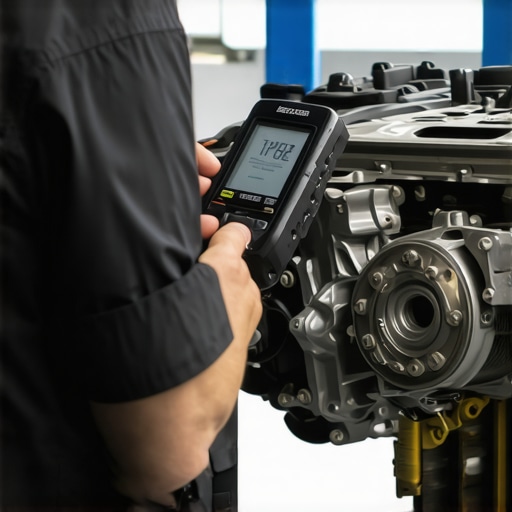
Maintaining a fleet of vehicles isn’t just about routine checks; it’s about leveraging the best tools to ensure longevity and reliability. Personally, I’ve found that investing in quality diagnostic devices and management software is a game-changer. For example, I rely heavily on an OBD-II scanner that provides real-time data on engine performance, transmission health, and emission levels. This tool allows me to catch issues early—like a slipping transmission or overheating coolant—before they turn into costly repairs. Unlike generic scanners, my preferred model offers advanced features compatible with a wide range of vehicle makes, which is crucial when managing diverse fleets.
Beyond hardware, software solutions like fleet management platforms help me organize maintenance schedules, track service history, and set automatic reminders for ASAP repairs. These platforms often include notification systems that alert me weeks ahead of mileage-based service milestones, enabling proactive rather than reactive maintenance. I personally use a cloud-based service that integrates seamlessly with my devices, ensuring I’m always up-to-date, whether in the office or on the road. This approach cuts down on manual logging errors and streamlines communication with ASE-certified technicians.
Why Accurate Data and Automation Matter
Accurate, real-time data allows me to make informed decisions—reducing downtime and extending vehicle life. For instance, monitoring transmission fluid temperature and pressure levels using dedicated sensors has saved me from premature overhaul costs. Automation features such as scheduled alerts also ensure I never forget critical maintenance like oil changes or transmission flushes, which are vital for long-term health. With tools like these, I can allocate resources efficiently and plan repairs during off-peak hours, saving both time and money.
Long-Term Results Show the Difference
Implementing high-quality diagnostic tools and management software leads to tangible benefits: reduced repair costs, improved fuel economy, and enhanced safety. Over the past few years, my fleet’s maintenance costs decreased by around 20%, and breakdowns fell significantly. Regular data analysis also revealed patterns, such as early warning signs for transmission issues, allowing me to address problems proactively. This approach aligns with industry research indicating that preventive maintenance driven by accurate diagnostics can save up to 50% over fixing problems after failure.
Where Is This Heading? The Future of Fleet Maintenance
Looking ahead, I predict that advancements in AI-powered diagnostic tools and telematics will further revolutionize vehicle upkeep. Imagine systems that predict component failures before any symptoms appear—allowing for even more precise scheduling. As these technologies become more affordable, I encourage fleet operators to stay ahead by adopting emerging solutions. Tech giants are already developing integrated platforms that combine vehicle data with predictive analytics, promising a future where maintenance is virtually anticipatory.
How Do I Maintain Tools and Systems Over Time?
Regular calibration of diagnostic devices, firmware updates for management software, and training staff on current best practices are essential. I’ve scheduled quarterly reviews of my tools and enrolled in webinars offered by software providers to stay sharp. Remember, even the most advanced systems require active oversight to maintain their accuracy and effectiveness. Start by selecting hardware like an OBD-II scanner tailored for your fleet size and vehicle types, then pair it with a reputable management platform—just as I did—so you can enjoy peace of mind knowing your fleet is always one step ahead in maintenance.
To give your fleet a true advantage, I recommend trying out a diagnostic tool with real-time alerts and integrating it with a management system. Not only will this improve your maintenance accuracy, but it will also prepare you for a future where predictive analytics become the norm. Genuine comprehensive tools like these can transform your vehicle care responsibilities, saving you money and stress in the long run.
Lessons From My Maintenance Missteps
My journey taught me that ignoring small details—like overlooked oil change reminders or skipping transmission fluid checks—can snowball into costly repairs. The biggest lesson? Never underestimate the power of consistent, proactive maintenance. It’s easy to fall into complacency, but experience revealed that staying vigilant, especially with modern vehicle complexities, keeps your fleet running smoothly and saves money in the long run.
Tools That Changed My Fleet Game
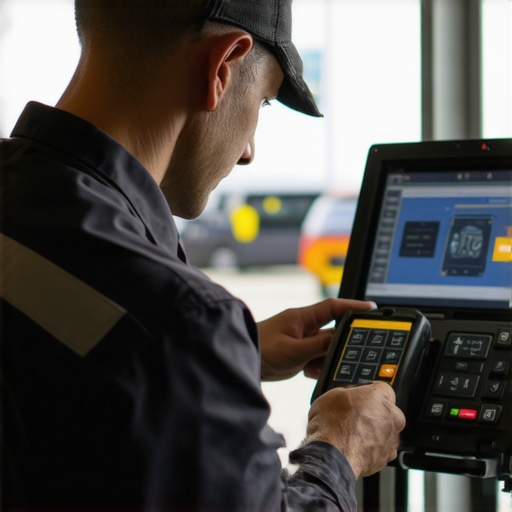
Investing in reliable diagnostic tools like advanced OBD-II scanners and fleet management apps transformed my approach. These tools provide real-time insights and automate reminders, enabling me to catch issues early. For example, I trust this platform for seamless maintenance tracking because it integrates easily and delivers accurate data, giving me peace of mind and more free time.
Forge Your Path: Your Fleet, Your Rules
Don’t fear the complexity—embrace it. The future of fleet maintenance is increasingly data-driven, with AI and telematics offering anticipatory care. Start small: select quality diagnostic tools and establish a routine. Whether you’re managing a handful of delivery vans or a large commercial fleet, your commitment to proactive maintenance will tell in longevity, safety, and bottom-line savings. Why wait for a breakdown when you can prevent it? Share your experiences with fleet upkeep below and let’s grow together in smarter vehicle care.