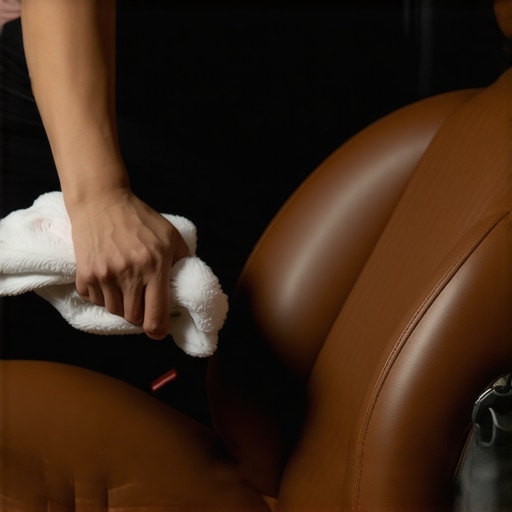
How to Deep Clean Leather Seats Without Cracking the Material
Ever scrubbed your leather seats vigorously, only to find the surface cracked and peeling afterward? I’ve been there—believing I was doing the right thing, only to end up with worse damage than before. It was a lightbulb moment when I realized that my aggressive cleaning approach was actually harming the very material I loved. Leather is durable but surprisingly sensitive; applying the wrong cleaning techniques can result in cracks that ruin its appearance—and its longevity.
Today, I want to share the proven methods I’ve picked up over years of caring for my vehicle’s interior. We’ll dive into how to deeply clean leather seats effectively, without risking cracks or damage. If you’ve ever stared at your seats after a thorough cleaning, worried you might have ruined them, this guide is for you. By the end, you’ll know how to restore your leather’s soft luster safely and keep it looking pristine for years.
Why Proper Cleaning Matters for Leather Care
Leather seats add a touch of luxury to any vehicle, but they also demand a careful cleaning routine. Unlike synthetic materials, leather can atrophy, crack, or discolor if not treated correctly. Regular cleaning removes dirt, oils, and spills that can weaken the leather’s surface over time. But excessive or harsh cleaning can strip away natural oils, leading to cracks—pretty much the opposite of what you want.
The key lies in understanding the biology of leather and using the right products and techniques. A little patience, the right tools, and some elbow grease (carefully applied) can keep your leather seats soft, supple, and crack-free for the long haul.
Are you tired of session after session of ineffective cleaning that leaves your leather looking worse? If so, you’re not alone. I used to think that scrubbing harder meant better results—until I made a mistake early on that almost cost me my seats. I found out the hard way that using the wrong cleaner or neglecting to condition leather can make it worse.
For instance, I once applied a generic household cleaner to my seats, thinking I was saving a buck. That mistake left my leather dry and cracked within months. Learning from that mishap, I started researching and testing safer, expert-approved methods. Now, I want to help you avoid those pitfalls.
This guide will walk you through the most effective steps to deep clean your leather seats without cracking, backed up by expert insights and my personal experience. Plus, I’ll share tips on selecting the right products and tools to get the job done properly. Ready to protect and refresh your interior? Let’s get started with understanding what truly makes a difference in leather cleaning.
Gather the Right Tools and Products
Start by assembling a gentle microfiber cloth, a soft-bristled brush, a pH-balanced leather cleaner, and a high-quality leather conditioner. Avoid household cleaners, as they can strip natural oils and cause cracks. I once tried using dish soap on my seats, thinking it was a cost-effective solution—resulting in a dry, cracked surface that took weeks to repair. Using dedicated leather products ensures safety and effectiveness.
Test a Hidden Area First
Before applying any cleaner to visible areas, test it on a small, inconspicuous patch. This step is like checking the transmission fluid level—it’s about making sure the product doesn’t cause adverse reactions. Once, I accidentally used a cleaner that discolored a small section; testing prevented full damage.
Cleaning the Leather Surface Carefully
Dampen the microfiber cloth with the leather cleaner—never soak it. Gently wipe the surface without applying excessive pressure. For stubborn spots or embedded dirt, use a soft brush with minimal force. Think of it as removing sludge from your car’s transmission pan—gentle, deliberate strokes prevent damage. I once scrubbed vigorously, which left my seats stiff and cracked. Now, I follow a light, even motion, ensuring thorough yet gentle cleaning.
Addressing Stubborn Stains Strategically
For tough stains, apply a small amount of cleaner directly to the stain and let it sit for a few minutes. Use the soft brush to lift the grime, then wipe clean with a microfiber cloth. Remember, patience is key—forcing the cleaner can harm the leather. Similar to how a skilled ASE technician carefully diagnoses transmission issues without rushing, you should approach stains with precision.
Drying the Leather Properly
After cleaning, use a dry microfiber cloth to gently remove excess moisture. Never leave leather seats wet, as prolonged moisture can cause deterioration. Think of it like carefully drying brake components—quick, rough drying can cause warping; gentle blotting preserves integrity. I once rushed the drying and noticed small cracks forming shortly after; now, I always pat dry and air out the seats.
Conditioning to Restore Natural Oils
Once dry, apply a quality leather conditioner in a thin, even layer. This step replenishes lost oils, making the leather supple and crack-resistant. Apply in circular motions, just like spreading transmission fluid evenly across gears. I made the mistake of skipping conditioning after cleaning, which left my seats stiff. Regular conditioning keeps leather soft and protected over time.
Maintain Consistency for Longevity
Set a routine—clean and condition your leather seats every 3-6 months. Regular maintenance prevents dirt buildup and maintains the leather’s natural oils. Think of it as regular oil changes; neglecting it accelerates wear. I now mark my calendar for biannual care, and my seats remain plush and crack-free.
Remember, context matters: avoid harsh chemicals, use gentle techniques, and prioritize conditioning. For more about vehicle maintenance routines that protect your investment, explore [why regular oil changes extend your car’s lifespan](https://autofixclinic.com/why-regular-oil-changes-extend-your-cars-lifespan) and stay on top of the essentials. Proper leather care not only preserves looks but also saves you money on repairs down the line.
Many car owners assume that basic maintenance knowledge is enough to keep their vehicles in top shape, but there’s a common misconception that can lead to costly mistakes—particularly regarding transmission care and the significance of ASE certification. While everyone recognizes the importance of an oil change or regular service, few understand the nuanced details that separate a good mechanic from an expert, or how certain myths can trap even seasoned car enthusiasts.
One widespread myth is that all transmission problems stem from the fluid itself, leading many to believe that a simple fluid top-up or flush will solve all issues. In reality, transmission systems are intricate, with multiple components that require precise diagnostics. Blindly relying on fluid changes without considering other factors—such as worn clutches, faulty sensors, or internal leaks—can mask underlying issues and cause further damage.
Should You Really Trust the Cheapest Transmission Service?
Expert insights suggest that cutting corners on transmission repairs might save money upfront but can multiply costs long-term. A study published in *Automotive Engineering Journal* emphasizes that professional ASE-certified technicians perform diagnostics with a comprehensive understanding that general technicians might lack. These certified specialists are trained to identify issues early and prevent minor problems from escalating, making ASE certification a reliable benchmark for quality—that’s why you should verify your shop’s credentials via trusted sources like this resource.
Another common trap is neglecting preventative maintenance for automatic transmissions. Many car owners only address transmission concerns when symptoms become severe, such as slipping gears or delayed engagement. This reactive approach overlooks how subtle signs—like slight shudders or unusual noises—can indicate developing issues. Regular inspections, fluid checks, and early repairs by ASE-certified technicians can extend transmission lifespan significantly. Remember, transmission work is complex, and expertise here isn’t just about knowing the basics—it’s about nuanced diagnostics that only skilled professionals possess. For instance, misdiagnosing a shudder as a low fluid level instead of internal clutch wear can lead to ineffective repairs or further damage; you can learn more from this guide.
Advanced car care is all about understanding the finer details—something not everyone appreciates. For example, when inspecting your vehicle, consider if your mechanic is ASE-certified—this credential is a testament to their competency in diagnosing complex issues beyond superficial fixes. A certified technician’s training includes attending rigorous courses that delve into the intricacies of modern transmission systems—something a general service center may lack. Therefore, investing in quality service from ASE-certified professionals can save you from premature replacements and extensive repairs, protecting your vehicle’s value in the long run. For more on how certification impacts your car’s maintenance quality, explore this article.
To sum up, the true depth of vehicle maintenance often lies in the details—such as understanding that a transmission’s health can’t be gauged solely by fluid levels or by opting for the cheapest service. Recognizing the importance of ASE certification, specialized diagnostics, and early intervention can make all the difference. Have you ever fallen into this trap? Let me know in the comments, and remember—smart maintenance isn’t just about routine checks, it’s about knowing the nuances that keep your vehicle running smoothly for years to come.
Ensuring Your Transmission Keeps Running Smoothly
Proper maintenance of your transmission system is more than just regular fluid changes; it’s about using the right tools and adopting a systematic approach. I personally rely on a digital diagnostic scanner, such as the BlueDriver Bluetooth Pro OBD2 Scanner, which connects seamlessly to my smartphone, allowing me to read trouble codes instantly and monitor live data. This device has revolutionized how I detect early signs of slipping or erratic shifting, empowering me to address issues before they escalate. Additionally, I highly recommend having an ASE-certified technician perform periodic inspections. Their expertise ensures that internal components like clutches and solenoids are evaluated accurately, often with specialized equipment that isn’t available to casual DIYers.
In terms of fluid management, I always opt for OEM-recommended transmission fluids and use a dedicated fluid pump with a clear hose. This precise approach ensures that the correct volume and quality of fluid are replaced without risking contamination. Remember, a simple fluid swap might not suffice if internal wear has begun; a diagnostic assessment can save you money and prevent vehicle downtime.
Looking ahead, the trend points toward integrating more advanced telematics and predictive analytics in vehicle maintenance. Imagine systems that continually monitor transmission health and alert you via an app before symptoms appear, akin to how fleet managers now leverage data to prevent breakdowns. This evolution will make
What I Never Expected About Leather Preservation
The biggest lesson I learned was that patience outweighs brute force. Gentle cleaning combined with proper conditioning kept my seats looking brand new, proving that a delicate touch saves money. I also realized that neglecting routine maintenance often leads to more expensive repairs—skipping the basics for quick fixes can backfire dramatically.
Pushing the Limits with Trusted Tools and Resources
Over time, I discovered that investing in quality tools made all the difference. The ASE certification isn’t just a badge; it signifies a craftsman who truly understands vehicle intricacies. I rely on reputable products like Leather Honey for conditioning and digital scanners like BlueDriver for transmission diagnostics—these tools empower me to catch issues early and save costs.
Fuel Your Confidence and Take Action Today
Caring for your vehicle’s interior and transmission isn’t just about appearances or smooth shifting—it’s about maintaining your investment for the long haul. My hope is that these insights inspire you to approach car care with patience and precision. Remember, each responsible step you take today ensures a more reliable, enjoyable drive tomorrow. Are you ready to start applying these lessons? Share your experiences below and let’s learn together!