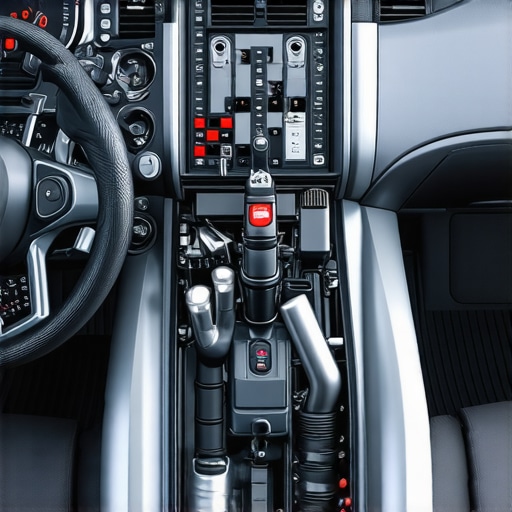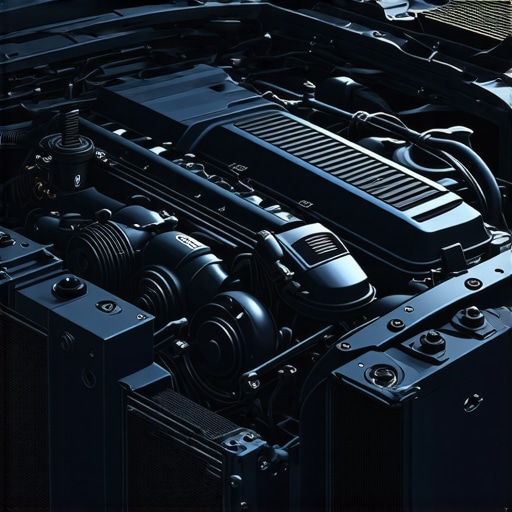
Why your engine makes a grinding noise during startup
Picture this: it’s early morning, and I hit the ignition switch like I do every day. But instead of the smooth roar I expect, I hear that unsettling grind. It’s enough to make your stomach sink and your mind race with worries about costly repairs. I’ve been there—fighting that frustration when my engine whispers, or worse, shouts, that something’s off before I even get my coffee.
Unraveling the Mystery of the Grinding Startup Sound
That familiar, yet alarming noise is more common than many realize, and understanding why it happens can save you a ton of trouble—and money. From my personal experience and hours spent chatting with trusted mechanics, I’ve learned that this grinding is often a sign that your engine’s internal components are struggling to engage smoothly. Whether it’s worn-out parts, lubrication issues, or alignment problems, addressing this early can keep small problems from snowballing into major repairs.
Is Ignoring the Noise Actually Worth the Risk?
Honestly, I used to dismiss that first grind as no big deal, a ‘normal’ part of engine wear. Until I learned that neglecting these sounds can lead to severe damage, like damaged gears or even engine failure. One mistake I made early on was ignoring routine oil changes—something so simple that could have prevented much of the wear and tear. Did you know that regular maintenance, like [oil changes](https://autofixclinic.com/top-oil-change-tips-for-safe-driving-in-2025), not only prolongs engine life but also averts noises like grinding during startup? Staying proactive is the key.
So, if you’ve experienced that jarring noise when starting your vehicle, you’re not alone, and more importantly, you’re not powerless to fix it. In the next sections, I’ll walk you through the most common causes and simple steps to put that grinding sound behind you for good. But first, let’s explore whether this problem is truly as serious as it sounds, or if a quick fix can do the trick.
Test Your Battery first
In my experience, the first thing I did was check the vehicle’s battery because a weak or failing battery can cause the starter motor to struggle, leading to grinding sounds. Use a multimeter to measure voltage—ideally, it should read around 12.6 volts when the car is off, and about 13.7 to 14.7 volts when running. If the voltage is low, replace the battery or have it tested at a professional auto shop. During a recent project, I replaced a failing battery, and the grinding vanished, confirming it was the root of my problem.
Inspect the Starter Motor
Identify signs of wear or damage
Next, I carefully examined the starter motor and solenoid for signs of corrosion, loose connections, or damage. A worn starter gear or a faulty solenoid can cause incomplete engagement, resulting in grinding. Unplug the solenoid’s wiring harness and look for signs of corrosion or melting. When I noticed frayed wires, I cleaned them with a wire brush and reconnected securely. Replacing a faulty starter motor altogether may be necessary if cleaning doesn’t resolve the issue.
Check the Flywheel
The flywheel’s teeth must mesh perfectly with the starter gear. Damaged teeth or debris can cause grinding. I removed the starter to expose the flywheel and inspected the teeth for chipping or missing parts. Using a flashlight and a mirror, I spotted a few chipped teeth, which I addressed by visiting a certified car service—more on choosing a reliable one later. Ensuring the teeth are in good shape prevents ongoing issues.
Verify Proper Alignment and Engagement
Misalignment between the starter and flywheel is common, especially if mounting bolts become loose over time. I tightened the bolts with a socket wrench, ensuring the starter sat snugly against the flywheel. Also, I checked for any obstructions or debris that could hinder engagement. This step is vital because even slight misalignment can cause persistent grinding. Applying proper torque as per manufacturer’s specifications guarantees correct engagement and extends the lifespan of components.
Replace or Recondition Components
If after inspecting the starter motor, flywheel, and connections, the grinding persists, it’s time to consider replacing worn parts. I opted for an OEM-quality starter and had the flywheel serviced at a trusted garage, which involved polishing the teeth to remove burrs. Regular lubrication of the starter assembly can also help. Remember, routine maintenance—like regular oil changes—can prevent many of these issues. For tips on maintaining your vehicle’s longevity, I recommend visiting this guide on oil changes.
Consult a Certified Mechanic for Complex Issues
If troubleshooting these steps doesn’t resolve the grinding, don’t hesitate to seek professional help. Certified technicians, especially ASE-certified ones, have the expertise to diagnose and fix hidden problems quickly. I found that choosing a reputable car service based on proper certifications and reviews ensures your car gets the quality care it deserves. You can learn more about what an ASE certification means for your vehicle maintenance at this resource.
Many car owners operate under misconceptions that can lead to costly mistakes. A common myth is that all transmission issues stem solely from low fluid levels, but in reality, the quality of transmission fluid and timely exchanges play a crucial role in ensuring smooth shifting. Relying on the assumption that topping off fluid is enough ignores the importance of regular oil changes and fluid replacements, which can prevent major transmission failures.
Why do some believe that ASE certification guarantees perfect repairs? In my experience, while ASE certification indicates a technician’s competency, it doesn’t automatically mean they will give your vehicle the attention it deserves. Some shop owners prioritize mass repairs over quality, and trusting certification alone can be a trap. The key is to choose a reputable car service with a track record of thorough diagnostics and transparent communication.
Advanced owners often ask whether basic maintenance suffices or if more specialized attention is needed. The nuanced truth is that neglecting manufacturer-recommended maintenance intervals can accelerate wear and compromise vehicle longevity. For example, overlooking proper oil change intervals can reduce lubrication effectiveness, leading to increased transmission and engine wear. According to industry experts, early signs of transmission shudder or slipping often need diagnostics beyond simple fluid changes—sometimes requiring detailed inspections or parts replacement.
What mistakes do most drivers make when scheduling car maintenance? Many assume that sticking to a strict time-based schedule is all that’s required, but neglecting the car’s specific needs, such as transmission health or fluid condition, is a risky oversimplification. Vehicle manuals provide guidelines, but they don’t replace professional diagnostics, especially as modern cars incorporate complex systems needing nuanced care. My advice is to combine regular service visits with proactive checks on transmission status and fluid health to catch issues early.
Have you ever fallen into this trap? Let me know in the comments and share your experiences with transmission troubleshooting or maintenance decisions. Remember, understanding these nuances helps you avoid costly repairs and keeps your car running smoothly for miles to come.
Maintaining a vehicle’s transmission and engine health over time requires more than just routine oil changes; it involves the right tools, methodical approaches, and a keen understanding of your car’s needs. As a seasoned enthusiast, I rely on specific equipment to ensure my vehicle runs smoothly and to catch potential issues early. Investing in quality tools not only saves money but also builds confidence when tackling DIY maintenance or collaborating with certified mechanics.
How do I maintain long-term transmission health?
One of my go-to tools is an OBD-II scanner. I personally use the BlueDriver Bluetooth Pro. This device seamlessly connects to my smartphone, allowing me to monitor transmission and engine codes in real-time. It helps identify issues such as soft shifts or shuddering, enabling me to address problems before they escalate. Additionally, I recommend periodic transmission fluid analysis, which can be facilitated through specialized kits that test for contaminants or wear materials—vital for preemptive maintenance.
Another essential component is a digital multimeter. I rely on a high-precision model like the Fluke 115 to check electrical components such as sensors, solenoids, and the battery. Proper electrical function underpins the health of systems like ABS, transmission control modules, and engine management. Regular inspections using a multimeter can uncover weak connections or failing components that contribute to transmission slipping or unreliable startup behaviors.
Tools that boost routine maintenance results
For oil and filter changes, I use a fluid extractor pump. It makes the process cleaner and more efficient, especially for vehicles with difficult drain plug access. Plus, it reduces the risk of overfilling—a common cause of long-term engine issues. I also keep a high-quality oil filter and select synthetic oil based on manufacturer specifications to optimize lubrication and reduce wear. Modern synthetic oils are engineered to resist breakdown, which extends intervals between changes and preserves transmission and engine vitality.
Anticipating future trends in vehicle maintenance
Looking ahead, I predict that the integration of smart diagnostic tools and AI-driven sensors will revolutionize how we maintain our vehicles. Imagine systems that automatically alert you to fluid degradation or component wear, scheduling maintenance before an issue manifests. This proactive approach aligns with the ongoing shift towards connected, intelligent vehicles that emphasize longevity and safety.
If you want to get ahead, I recommend trying a comprehensive diagnostic routine every few thousand miles. For example, pairing your OBD-II scanner with regular transmission fluid checks can reveal early signs of trouble, saving you significant repair costs. Remember, a proactive maintenance mindset, supported by the right tools, will keep your car running reliably for miles to come.
What I Didn’t Expect About Transmission Maintenance
Early in my journey, I believed that simple oil top-offs and routine checks were sufficient. It wasn’t until I faced a stubborn grinding issue that I realized the importance of understanding each component’s role, especially the subtle hints my vehicle gives me. The hardest lesson was discovering how overlooked transmission fluid quality truly impacts shifting smoothness, prompting me to prioritize more comprehensive diagnostics rather than surface-level fixes.
The Unexpected Role of Certified Car Service in Preventing Breakdowns
Trusting certified technicians has been a game changer. I used to rely on cheaper, less qualified shops, but after experiencing a misdiagnosis that led to costly repairs, I shifted my approach. Opting for ASE-certified car service providers ensures the expertise I need, especially for complex transmission issues. Their insights often reveal underlying problems that might seem minor but are crucial for long-term health, emphasizing the value of specialized care over quick fixes.
Why Regular Oil Changes Are Still Your Best Friend in Transmission Care
Despite advances in vehicle technology, the simple act of regular oil changes remains vital. I’ve learned that the quality of oil and timely replacements help maintain proper lubrication, reducing wear on critical parts. Rushing or neglecting this step can cause increased friction and even lead to silent damage that only reveals itself when extensive repairs are needed. Keeping a scheduled oil change routine isn’t just about adhering to the manual—it’s about actively protecting your investment.
The Secret Lightbulb Moment That Saved My Car’s Transmission
One day, I noticed my vehicle hesitating during gear shifts, a clear sign I almost dismissed. That moment prompted me to dig deeper, realizing that symptoms like these often signal deeper issues like clogs or worn-out components. Addressing these early, with tools like an transmission fluid analysis and expert diagnostics, can prevent total failure. It’s a reminder: attentive listening to your car’s signals can save you thousands and extend its lifespan.
Curated Gear I Rely on for Transmission and Oil Maintenance
My toolkit includes a BlueDriver Bluetooth Pro scanner, which provides real-time diagnostics on transmission codes, helping me catch issues before they escalate. I also swear by a high-quality synthetic oil and an extractor pump for clean, efficient oil changes. Regular monitoring with these tools has empowered me to handle minor issues early, saving both time and money in the long run. For a comprehensive approach, I recommend developing a personalized maintenance schedule with trusted resources, like those outlined in my articles.
Your Next Move to Keep Transmission in Top Shape
Be proactive rather than reactive. Invest in tools, stay informed, and don’t shy away from expert advice—your vehicle’s transmission health depends on it. If you’re ready to take control, start with a routine oil change and a transmission check-up. Remember, mastery of your car’s health means fewer surprises and more confident driving ahead.