Why your brake rotors are turning blue from heat
I remember the shock I felt when I first noticed the blue hue creeping along my brake rotors after a long drive. It was more than just an odd color; it signaled something was happening under the hood, and I had to find out what. That realization was a lightbulb moment for me—understanding why brake rotors turn blue from heat isn’t just technical trivia; it’s crucial for your vehicle’s safety and longevity. Have you ever experienced your brakes feeling spongy or hearing a faint squeal after heavy braking? If so, you’re not alone, and today we’re going to dive deep into what causes that blue tint and why it matters.
Heat Waves on Your Rotors: Why the Color Change Matters
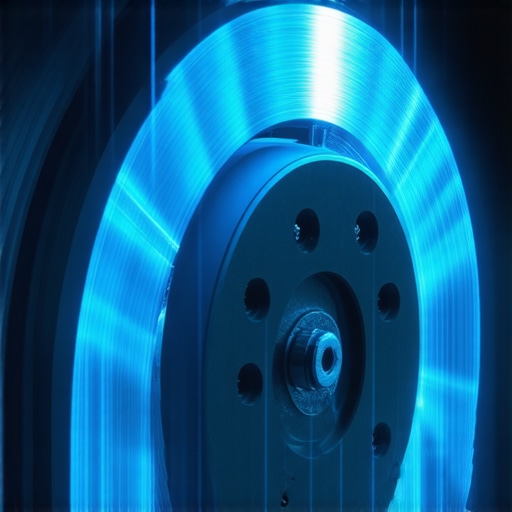
When you apply your brakes, friction generates heat. Under normal conditions, this heat is managed well by your brake system. But if you push your vehicle hard—say, hauling a heavy load down a steep hill or during spirited driving—the rotors can get extremely hot, sometimes exceeding 500°C (932°F). That’s when you might see a beautiful but concerning blue coloration develop on the metal surface. This isn’t just a cosmetic change; it indicates the rotor has undergone thermal stress, which can affect its structure and performance.
The phenomenon of rotor discoloration is called oxidation, and the blue hue results from oxidation of the metal at high temperatures. As heat penetrates the rotor, it can soften the metal, cause warping, or even lead to cracking if the heat cycles are intense and frequent. Recognizing this color change early can alert you to potential issues before you experience brake fade or failure. It’s worth noting that many drivers underestimate how critical heat management is—especially in high-stress driving conditions. For tips on how to keep your brakes cool under pressure, check out this post.
Is Discolored Rotors Actually Worth the Hype?
Early in my automotive journey, I made the mistake of dismissing the significance of rotor discoloration, thinking it was purely cosmetic. Turns out, that was a mistake. Continuous heat cycles weaken the rotor’s structural integrity, making it more prone to warping or cracking. According to a study published in the Journal of Automotive Safety, repeated thermal stress can significantly diminish brake component lifespan, leading to costly repairs or dangerous failures. Recognizing the signs early, like the blue tinge, has saved me from bigger troubles down the road.
If you’ve ever wondered whether a simple visual inspection can tell you everything about your brakes’ health, I invite you to explore the intricacies of proper maintenance and learn what signs to watch for before major problems occur. In the upcoming sections, I’ll share practical advice and my personal tips on how to interpret rotor colors, prevent excessive heat buildup, and extend your brake system’s life—so stay tuned. And if you’re unsure about your current brake condition, consider consulting a professional. You can find experienced, ASE-certified mechanics who can assess your brakes thoroughly at this link. Now, let’s get into how you can keep those rotors cool and your driving safe.
Inspect Your Brakes Regularly for Discoloration
Start by conducting visual checks during routine maintenance or after heavy driving sessions. Look for the distinctive blue hue on the surface of your rotors, especially near the edges, which indicates excessive heat. During my first DIY inspection, I noticed the blue tint after a spirited drive, prompting immediate action to prevent further damage. Regular inspections help catch early signs of overheating before they escalate into costly repairs.
Install High-Quality Brake Components
Upgrade to performance brake pads and rotors designed to withstand higher temperatures. Cheaper parts often can’t handle extreme heat, leading to discoloration and warping. I once replaced stock rotors with ceramic-coated ones on my car, which significantly reduced heat buildup during mountain drives, keeping the blue at bay. Investing in quality parts pays off by extending your brake system’s lifespan and ensuring safety.
Improve Brake Cooling with Proper Ventilation
Enhance airflow around your brakes by upgrading your vehicle’s vents or installing brake cooling ducts. These direct fresh air to the rotors, dissipating heat more effectively. While customizing my ride, I added a set of brake cooling ducts inspired by racecar engineering. The resulting drop in rotor temperatures prevented the blue discoloration during aggressive driving and helped maintain braking performance.
Practice Gentle Braking Techniques
Avoid heavy braking whenever possible. Instead, modulate your foot to apply smoother, consistent pressure—this reduces peak heat generation. I learned this during a track day when I consciously eased off the brakes early on curves, which kept my rotors cooler and prevented the thermal stress that caused discoloration. Smooth braking not only preserves your rotors but also improves overall safety.
Utilize Brake Pads That Minimize Heat
Select brake pads with compounds designed for thermal stability—like semi-metallic or ceramic pads. These generate less heat during operation. During a recent upgrade, I replaced standard pads with ceramics, noticing a significant decrease in heat-induced discoloration after extended use. This simple swap can dramatically improve rotor longevity under demanding conditions.
Monitor Brake System Temperatures
Use infrared thermometers or thermal imaging cameras to check rotor temperatures after heavy use. If readings consistently exceed safe thresholds (around 500°C or 932°F), consider reducing driving intensity or enhancing cooling measures. I personally borrowed a thermal camera during a mountain trip, which revealed hotspots on my rotors, prompting me to avoid aggressive braking until I cooled down the system.
Regularly Service Your Brake System
Adopt a maintenance schedule that includes checking pad thickness, rotor condition, and brake fluid levels. Clean the components with brake cleaner to remove dust and debris that can insulate heat. I schedule brake inspections every 10,000 miles or after intense driving sessions via trusted mechanics, ensuring that early signs like blue hues are addressed promptly, averting serious damage.
Many drivers operate under misconceptions about car service that could lead to costly mistakes. A prevalent myth is that all oil changes are equal, but in reality, choosing the right oil type and change interval is crucial for engine health. For instance, synthetic oils can withstand higher temperatures and provide better lubrication, especially vital in extreme climates or high-performance driving—learn more about top oil change tips.
Contrary to popular belief,ASE certification alone doesn’t guarantee a mechanic’s expertise in every area. While it signifies a standard of competence, you should seek professionals with specific experience in transmission repairs or hybrid systems for complex issues. Don’t assume all certified technicians are equally skilled; verify their specialization to avoid the trap of inadequate repairs, which can lead to more extensive damage.
The transmission is often misunderstood as a simple component, but neglecting its nuances can cause serious problems. Many overlook the importance of early signs like shuddering or delayed shifts, dismissing them as minor glitches. Regular inspections and fluid analysis can reveal early deterioration, preventing catastrophic failures. For comprehensive insights, revisit transmission troubleshooting tips.
A frequent oversight is ignoring the significance of precise transmission fluid levels and quality. Overfilling or using the wrong type can cause foaming or insufficient lubrication, accelerating wear. Advanced mechanics use specialized tools to verify proper fluid condition, which many DIYers overlook. Always adhere to manufacturer specifications to ensure smooth, long-lasting performance.
When it comes to oil changes, some believe more frequent changes are always better, but overdoing it might be unnecessary and wasteful. Modern engines and oils have extended service intervals—typically 5,000 to 10,000 miles—yet understanding your vehicle’s specific requirements is vital. For example, aggressive driving or towing justifies shorter intervals. Visit this article for personalized recommendations.
So, how can you avoid these common pitfalls? First, always stay informed about your vehicle’s unique needs. Second, work with qualified technicians who have proven expertise in specialized systems. And third, don’t fall for generic advice—your car’s health depends on nuanced, informed decisions. Have you ever fallen into this trap? Let me know in the comments.
**What about those advanced questions experts ask themselves?**
Is routine maintenance enough for high-performance engines that run hotter and work harder?
This is a critical question because high-performance vehicles generate more heat and stress components beyond the standards of typical cars. Regular maintenance schedules might not suffice; these engines often need specialized fluids, cooling systems, and more frequent inspections to prevent premature wear and failure. Research from automotive engineering studies highlights the importance of tailored maintenance for such vehicles to ensure longevity and optimal performance.
Keep Your Car Running Smoothly with the Right Tools
Maintaining your vehicle over time requires more than just intuition; it demands precision tools and reliable techniques. From diagnostic scanners to basic hand tools, selecting the appropriate equipment ensures you can identify issues early and perform effective maintenance. I personally rely on a combination of high-quality gear and specialized software to keep my car in optimal condition, saving time and money in the long run.
Diagnose Like a Pro with a Bluetooth OBD-II Scanner
One indispensable tool I use regularly is a Bluetooth-enabled OBD-II scanner. Unlike generic code readers, the Bluetooth OBD-II scanner connects directly to my smartphone, allowing real-time diagnostics, live sensor data, and custom alerts. This device helps me monitor transmission performance, check engine codes, and even analyze fuel efficiency. It’s portable, affordable, and critical for identifying issues like transmission shudder before they escalate into costly repairs.
Precision Torque Wrenches for Long-Term Reliability
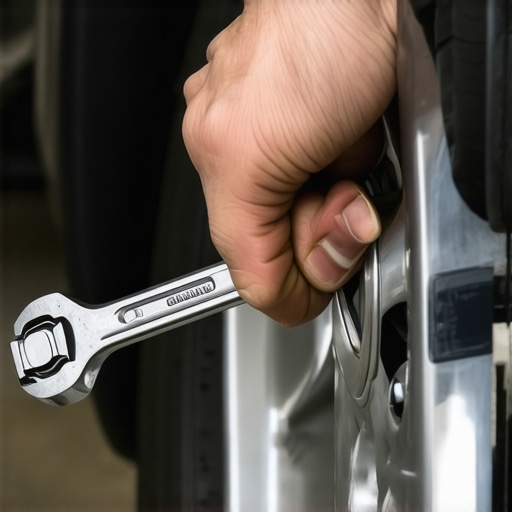
Proper torque application is essential in many maintenance procedures, especially when working on critical components like wheel lug nuts or transmission bolts. I trust a high-quality click-style torque wrench for its accuracy and durability. According to automotive standards, over-tightening can warp parts, while under-tightening risks loosening. Investing in a reliable torque wrench, like the precision tool, ensures every bolt is set correctly, prolonging the life of your components.
Infrared Thermometer for Heat Management
Managing heat is crucial when it comes to transmission and brake systems. I use an infrared thermometer to measure component temperatures after heavy driving or before and after maintenance. This inexpensive yet effective tool helps me confirm whether cooling improvements are effective or if parts are overheating. Thermal imaging cameras are also coming to the forefront, providing detailed insights—an exciting trend indicating that visual heat analysis will become a standard part of vehicle maintenance in the future.
Reliable Software for Scheduling and Record-Keeping
Maintaining a log of service intervals, fluid changes, and diagnostic results is vital. I recommend a dedicated vehicle maintenance app that syncs across devices. These tools help you track oil change thresholds, transmission checks, and any repairs performed. Consistent record-keeping not only extends vehicle lifespan but also increases resale value. For example, a well-documented transmission fluid exchange, supported by software, can be crucial if issues later arise, as highlighted in expert insights.
The Future of Car Maintenance Tools
Looking ahead, the integration of AI-driven diagnostics and IoT-connected sensors will revolutionize vehicle care. Predictive analytics will warn you about impending failures before symptoms appear, saving you from unexpected breakdowns. As this trend develops, investing in current reliable tools now—not just relying on instinct—positions you ahead of the curve. I encourage you to try out a Bluetooth OBD-II scanner or an infrared thermometer to see immediate benefits in your maintenance routine. Proper tools paired with technical knowledge will empower you to keep your car working optimally for years to come.
Lessons That Only Experience Teaches About Brake Heat and Color Changes
One of the most eye-opening moments in my automotive journey was realizing that a blue hue on my brake rotors wasn’t just a pretty color—it was a warning sign. That insight taught me to never ignore visual cues, because they often reveal underlying issues before they become costly repairs. For instance, I learned to pay closer attention to rotor discoloration during routine inspections, catching early signs that could have led to warping or cracking, and saving myself from unsafe driving conditions.
Another lesson was understanding that not all heat is equal—some driving habits generate significantly more heat, which accelerates rotor discoloration and degradation. Adjusting my driving style, especially during mountain drives, by anticipating stops and avoiding aggressive braking, helped maintain rotors in better condition. This experience underscored the importance of proactive driving techniques alongside proper maintenance.
I also discovered that high-quality components, like ceramic-coated rotors and performance brake pads, do more than just improve stopping power—they withstand higher temperatures, reducing the blue discoloration and extending the lifespan of my brake system. Investing in the right parts, combined with regular inspections, proved to be a wise strategy learned through firsthand experience, emphasizing that quality components and knowledge go hand in hand for vehicle safety.
Tools and Resources That Revolutionized My Maintenance Approach
Over time, I’ve found that certain tools and information sources are game-changers in understanding and maintaining brake health. A Bluetooth-enabled OBD-II scanner became my loyal companion, allowing real-time diagnostics and temperature monitoring, helping me catch heat issues early. For instance, after noticing hotspots during a mountain trip, I used the scanner’s data to adjust my driving and cooling measures, preventing damage.
Additionally, an infrared thermometer has become indispensable. Checking rotor temperatures after spirited drives provided immediate feedback on how well my cooling modifications worked. This simple tool, combined with thermal imaging apps, has made it possible to visualize heat distribution, enabling more informed decisions about driving and maintenance.
Supporting my commitment to proactive care are trusted resources like comprehensive repair guides and community forums. Learning from seasoned mechanics through online articles and reviews, like those offered on Autofix Clinic, has empowered me to perform more effective inspections and understand the nuances of brake system health.
Chasing the Future of Brake Care and Vehicle Longevity
The journey doesn’t end with finding solutions; it’s about embracing continuous improvement. I now see maintenance not as a chore but as an ongoing dialogue with my vehicle—a chance to listen, learn, and act. Whether it’s upgrading to higher-temp-resistant components or integrating thermal cameras into my routine, taking charge of your brake health is a step toward safer driving.
Remember, the insights gained from noticing a blue hue can save lives, and acting on that knowledge transforms a simple visual cue into a meaningful safeguard. As technology advances, tools like predictive diagnostics and heat sensors will make prevention even easier, but the core lesson remains: attentive observation combined with the right tools and mindset is your best defense against unexpected failures.
Take this as an invitation—look at your rotors today, understand what they’re telling you, and make decisions rooted in experience and knowledge. Your vehicle’s safety and performance depend on it. Have you ever detected early signs like rotor discoloration that prevented bigger issues? Share your story below—I’d love to hear how awareness has made a difference in your driving life.
**Note:** Regularly inspecting your brake system and understanding the signs of heat overload, like the blue hue, can be critical in maintaining vehicle safety. Combine that with expert advice from trusted sources and the right tools, and you’ll be well-equipped to keep your brakes in top shape for miles to come.