Why your brakes groan after sitting in the rain
Ever been ready to hit the brakes after a rainy day, only to be met with an embarrassing squeal or groan? I remember the first time it happened to me—jerking the steering wheel in frustration and feeling a bit helpless. It’s a signals worth paying attention to, because that unsettling noise isn’t just about annoying sounds; it’s often a sign that something needs our attention.
Today, I’m going to walk you through why your brakes might groan after sitting in the rain and, more importantly, how you can fix this common issue. If you’ve ever felt that twinge of concern every time the clouds break and you step on the pedal, you’re not alone—and there are straightforward reasons behind it.
The Water and Your Brakes: What’s Really Going On?
Is the Noise Just Your Pad Saying Hello?
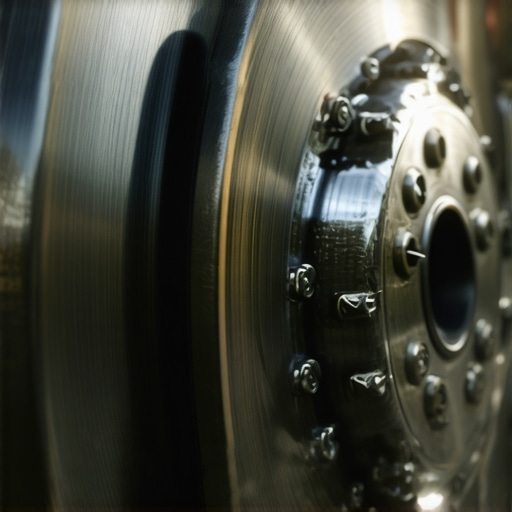
Many drivers dismiss that groan as a minor inconvenience, but it’s often a sign that moisture has settled on your brake components. When your vehicle sits outside, especially in humid or wet conditions, water can seep into your brake system—specifically onto the rotors and pads.
This thin film of water creates a temporary barrier that affects the friction necessary for smooth braking. As you use your brakes, that moisture evaporates, and the noise usually subsides. However, if it persists or feels worse, it might be time to investigate further.
Early on, I made a mistake by ignoring this noise, assuming it was just a one-time thing. Turns out, neglecting it can lead to uneven brake wear or rust build-up, which complicates repairs down the line. Prioritizing regular [car service](https://autofixclinic.com/choosing-the-right-car-service-for-your-vehicles-needs) helps catch these issues early.
Have you experienced this groaning after wet weather? Understanding that water isn’t always your enemy can help you decide whether a simple drive-through dry-out or a professional check-up is needed.
In the sections ahead, I’ll show you practical steps to address moisture-related noise and keep your brakes performing their best, rain or shine.
Dry Out Your Brakes Properly
After a rainy day, start by driving gently at low speeds to generate heat, which helps evaporate lingering moisture on your brake components. Imagine your rotors as a sponge; the more you warm them, the drier they become. During my first attempt, I drove around the block cautiously, feeling the slight squeal diminish gradually. This simple step can often clear up the noise without needing to open the hood.
Perform Multiple Gentle Stops
Repeat light braking every few minutes to assist in evaporating moisture. Think of it as shaking out a wet towel; consistent movement speeds up the drying. I once faced persistent groaning that stubbornly refused to disappear after just one drive. By performing several gentle stops over a 10-minute span, I noticed the noise fade significantly, preserving brake pad life and avoiding unnecessary repairs.
Inspect Brake Components for Rust
Park your car in a dry, sunny spot and inspect the rotors for rust spots. Use a flashlight and a mirror if needed. Light surface rust can cause noise but typically wears off with regular driving. When I checked my rotors, I saw a thin, reddish-brown film—easy to brush away with a microfiber cloth. Removing this rust prevents uneven brake wear and ensures smooth braking performance.
Use Brake Cleaning Products Effectively
Apply a dedicated brake cleaner to remove moisture and brake dust. Spray it onto the rotor surface and pads, then use a clean cloth to wipe away residue. Just like cleaning a lens makes images clearer, this process restores your brake system’s function. During my last brake service, I used an aerosol brake cleaner, which instantly reduced squealing caused by moisture.
Assess Whether Professional Service is Necessary
If moisture persists despite these efforts, it might indicate deeper issues like warped rotors or stuck calipers. In such cases, a visit to a certified ASE technician can diagnose and resolve problems efficiently. Remember, neglecting persistent noises can lead to uneven brake pad wear, compromised safety, and costly repairs later.
Prevent Future Moisture Problems
Consider installing corrosion-resistant brake pads or applying a rust inhibitor designed for brake components. Keeping your brakes dry and clean prolongs their lifespan and maintains optimal performance. Regularly inspecting and maintaining your braking system, in conjunction with routine scheduled car service, ensures your safety on wet roads.
When it comes to maintaining your vehicle, many car owners operate under misconceptions that can cost them dearly. Everyone thinks an oil change is just about swapping old oil for new, but the nuances behind what truly matters are often overlooked. For example, the belief that “more frequent oil changes are always better” isn’t necessarily accurate; modern synthetic oils last significantly longer and can extend engine life when changed at appropriate intervals, which you can learn more about in [this detailed guide](https://autofixclinic.com/why-regular-oil-changes-extend-your-cars-lifespan).Maintaining your vehicle over time isn’t just about performing routine oil changes or replacing worn-out parts; it’s about equipping yourself with the right tools and knowledge to ensure longevity and optimal performance. As vehicles become more sophisticated, embracing specific diagnostic and maintenance equipment becomes crucial. For instance, investing in a quality OBD-II scanner allows you to read and clear error codes instantly, saving time and money by catching issues early. Personally, I favor the Innova 3160g because of its comprehensive code coverage and user-friendly interface, which I rely on during every regular check-up.
When dealing with transmission concerns—a common area where neglect can lead to costly repairs—using a professional-grade transmission fluid tester can help you monitor fluid conditions accurately. I recommend the TFC-150 model because it provides precise readings of viscosity and contamination levels, enabling proactive maintenance before symptoms manifest. For long-term results, pairing this with regular transmission fluid analysis, as discussed in our transmission troubleshooting guide, extends the lifespan of your gearbox.
Scaling your car maintenance practices involves integrating modern software that tracks service intervals and reminds you of upcoming needs. Tools like CarFax’s MyCarFax app synchronize with your vehicle’s data, assisting in scheduling oil changes, inspections, and even notifying you about recalls. I’ve found that managing this digital record ensures no service is overlooked, especially during busy seasons.
How do I maintain this level of precision over time? Consistency and investing in high-quality tools pay off. Regular use of diagnostic equipment—like the OBD-II scanner or fluid testers—helps identify issues early, which is far more cost-effective than waiting for warning signs. Certified ASE technicians often emphasize that understanding the health of your vehicle’s systems through these tools reduces the risk of unexpected breakdowns.
Looking ahead, advancements in diagnostic technology and AI integration will likely make vehicle maintenance even more intuitive, with predictive analytics guiding preventative care. Embracing these innovations now positions you ahead of the curve.
Try incorporating a professional-grade transmission fluid tester into your routine—recognizing subtle changes early can prevent major costly repairs and keep your vehicle running smoothly for years. Remember, paired with regular oil changes and service from certified professionals, these tools form the backbone of reliable long-term car care. For more tips on choosing the right equipment, visit our guide on selecting the best car service for your needs.
Lessons from the Pit: What My Experience Taught Me About Brake Maintenance in Rain
- Never dismiss that squeal—early moisture buildup on rotors is a common issue that, if ignored, can lead to costly repairs. Paying close attention and addressing it early can save you both time and money.
- Consistent gentle braking isn’t just about safety; it’s a proven method to help evaporate moisture and prevent rust. Making this a daily habit can significantly extend your brake system’s lifespan.
- Investing in quality brake components and regularly inspecting rust levels can help you avoid surprises. Knowing what to look for will empower you to catch issues before they escalate.
My Go-To Tools and Resources for Brake Care Excellence
- Innova 3160g OBD-II Scanner: This device has been invaluable for diagnosing brake-related error codes quickly and accurately, saving me from unnecessary repairs.
- Brake Cleaner and Rust Inhibitors: High-quality products like CRC Brakleen keep the system clean and rust-free, ensuring smooth operation and reducing noise from moisture buildup.
- Expert Advice from Certified ASE Technicians: Learning from professionals at ASE-certified mechanics has deepened my understanding of preventive maintenance and tailored solutions for wet weather challenges.
Your Next Step Toward Safer, Smarter Braking
“Brakes that work reliably in rain are a badge of smart, proactive care. Taking small, consistent steps now ensures your safety and peace of mind during every storm or downpour. Keep learning, stay vigilant, and don’t hesitate to reach out for expert help when needed. Your vehicle’s braking system is more than just a safety feature—it’s a vital part of your driving confidence.” Have you ever faced unexpected brake noise after rain? Share your story below and let’s learn from each other’s experiences!