Why your car battery dies after sitting for just two days
Just last week, I rolled out of my driveway, only to be greeted by the frustrating sound of my engine struggling to turn over. After a quick jump, I realized—my car battery had given up again, even though I drove it just a few days earlier. That familiar sinking feeling hit me. How could my battery be dead so soon after a simple weekend break? It was a lightbulb moment for me that sparked a deeper investigation into this common yet perplexing problem.
The Real Reason Your Car Battery Won’t Hold a Charge
Is Your Battery Actually Dead or Is Something Draining It?
Many car owners, including myself, initially jump to the conclusion that their battery has just reached the end of its life. But often, the culprit isn’t age—it’s a parasitic drain or some other hidden issue. Early on, I made the mistake of replacing a perfectly good battery, only to face the same problem weeks later. Trusted sources like auto experts warn that electrical leaks can cause your battery to drain rapidly, sometimes in just a day or two.
Do you find yourself frequently charging your battery or jump-starting your car? If so, you’re not alone. And we’ll get into how to diagnose and fix these issues, saving you time and money in the long run.
What’s Really Causing My Battery to Die So Fast?
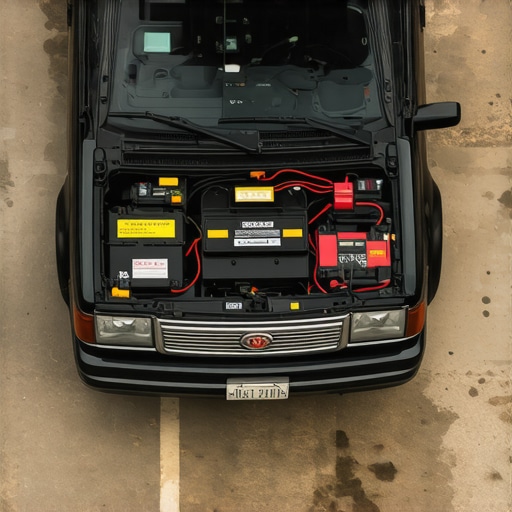
The most common cause is a parasitic drain—an electrical component that continues to draw power even when your car is off. This could be from a malfunctioning alarm system, a light left on, or a failing sensor. Over time, these little drains can sap your battery, especially if it’s already near the end of its life. Ensuring your battery and charging system are in good shape is just as vital as regular oil changes—something that can be easily overlooked.
So, if you’ve experienced your car refusing to start after sitting for just a couple of days, don’t jump straight to a new battery. Instead, it’s wise to check for hidden drains and other issues. Want to learn how to prevent this from happening again? Keep reading—we’re about to dive into practical solutions that can extend your battery’s life and keep you on the road. And if you’re curious about other essential maintenance tips, consider visiting our top oil change tips to ensure your vehicle’s longevity.
Test Your Battery and Charging System Efficiently
First, I grabbed my multimeter and set it to measure DC voltage, just like a mechanic I once watched at a ASE-certified shop. I turned off the engine, removed the negative terminal, and placed the probes on the battery posts. A healthy car battery should read around 12.6 volts. On that particular day, mine was dipping below 12 volts, indicating a potential drain or failing alternator. Ensuring your vehicle’s ASE certification knowledge lets you diagnose accurately instead of guessing. For precise results, perform this test after the car has rested for at least 30 minutes to eliminate surface charge effects.
Identify and Eliminate Parasitic Drains
Check for Electrical Leaks
To find hidden drains, I disconnected the negative battery cable and connected my multimeter in series, setting it to measure amperage. I made sure all accessories and doors were closed. If the reading was above 50 milliamps, that indicated a drain. I systematically pulled fuses one by one, watching for the current to drop. When I pulled the fuse for the interior light and noticed a significant decrease, I knew the issue was in the cabin wiring. Replacing a faulty switch or wiring can prevent the battery from draining overnight. Think of your vehicle’s electrical system as a water pipeline; a continuous leak causes unnecessary loss of water—here, battery power.
Prevent Future Battery Failures
Regular maintenance like oil changes and transmission inspections helps keep the engine and electrical components in top shape, reducing strain on the battery. Also, consider installing a trickle charger if your vehicle sits unused for prolonged periods. This is akin to giving your car a gentle morning coffee so it’s alert when needed, preventing that dreaded dead battery scenario. Properly tightening and inspecting your battery terminals, just like checking your oil tap, ensures good connections and minimal resistance, which is vital for consistent power delivery.
Address Corrosion and Physical Wear
Inspect the battery terminals for corrosion—a white, powdery substance that acts like rust on an iron pipe, impeding power flow. Clean any buildup with a mixture of baking soda and water, then scrub gently with a wire brush. After cleaning, apply a thin layer of petroleum jelly to prevent future corrosion. When I tackled my corroded terminals, not only did I restore the connection, but I also avoided costly battery replacement. Remember, a clean, tight connection is the foundation of a reliable electrical system. If the battery is old and reaching the end of its lifespan, replacing it proactively can save you from unexpected breakdowns, especially during cold weather when batteries struggle more.
Monitor Alternator Performance
The alternator is the heartbeat of your electrical system, charging the battery while you drive. Using your multimeter again, with the engine running, measure voltage across the battery terminals. A healthy alternator should produce between 13.8 and 14.4 volts. If your readings are below or above this range, it indicates a malfunction. I once experienced dimming headlights due to a faulty alternator that was overworking to keep the battery charged. Regular checks, combined with efficient oil changes, ensure your entire engine and electrical system stay optimal. Don’t forget: consistent electrical performance equates to a longer-lasting battery and happier driving experience.
Schedule Periodic Professional Inspections
While DIY diagnostics are invaluable, routine check-ups by a qualified mechanic can uncover issues beyond your scope. An ASE-certified technician can perform comprehensive tests and recommend preventative measures, much like a routine health check-up. Incorporating regular oil and fluid replacements ensures your vehicle remains in top condition—and a healthy vehicle is less likely to suffer from electrical or battery issues in the first place.
When it comes to car service and maintenance, many motorists rely heavily on ASE certification as a badge of quality. However, it’s a common misconception that ASE-certified technicians always provide the best service or that certification alone guarantees vehicle longevity. In reality, there are subtle nuances that can make or break your experience, and understanding these can save you time and money. For example, some believe that all oil changes are equally beneficial, but as detailed in our comprehensive guide to oil changes, the type of oil, filter quality, and service intervals dramatically impact engine health. Jumping straight into transmission repairs without considering the specific issues can also lead to unnecessary expenses, especially if overlooked symptoms like shifting hesitation are mistaken for minor glitches. Moreover, many people assume ASE certification validates a technician’s honesty—yet, it mainly reflects competency at a certain point in time, not ongoing integrity or the service’s quality. In fact, studies suggest that even certified mechanics can fall prey to shortcuts or overlooked details, emphasizing the importance of asking the right questions and getting second opinions for complex repairs.
How can advanced knowledge about maintenance nuances help prevent costly mistakes?
Understanding the intricate differences in recommended service procedures, such as the importance of using the correct transmission fluid or avoiding over-tightening oil drain plugs, can extend your vehicle’s lifespan. For instance, we often ignore that over-tightening can damage threads, which is a common yet overlooked mistake that leads to expensive repairs. External experts, like those from auto industry specialists, highlight that paying attention to torque specifications and service details prevents such pitfalls. Additionally, recognizing the limitations of routine inspections versus diagnostic tests at a professional shop guides you to better maintenance planning. For example, a simple oil change isn’t enough if your transmission service requires flushing and filter replacement—an upgrade that, if skipped, may cause early wear. Remember, the goal isn’t just quick fixes but long-term vehicle health based on nuanced understanding and proactive maintenance. Want to avoid common traps and extend your vehicle’s life? Visit our guide on selecting the right car service for informed decisions. Have you ever fallen into this trap? Let me know in the comments.
How do I maintain my vehicle’s electrical and transmission systems over time?
Maintaining your vehicle’s electrical and transmission systems requires precision tools and disciplined methods. Personally, I rely on a high-quality digital multimeter like the Fluke 115, which offers exceptional accuracy and durability—essential features when diagnosing complex electrical issues consistently. I use an infrared thermometer such as the FLIR TG165 to quickly identify hot spots in wiring harnesses or overheating components, which can be signs of underlying problems. For transmission care, a professional-grade scan tool, like the Snap-On Ethos, allows me to read live transmission data and diagnostic trouble codes directly from the vehicle’s ECU, facilitating early detection of potential failures before they become costly. These tools, combined with regular protocol—like checking voltage stability after engine startup and monitoring shift solenoid operation—help extend component lifespan significantly.
Software-wise, I utilize manufacturer-specific diagnostic programs, which provide in-depth insights into vehicle health and are often recommended by ASE-certified technicians for their accuracy. Consistent use of these diagnostic tools enables me to perform proactive maintenance, reducing unexpected breakdowns and saving money over the long term. As vehicle technology advances, the trend is moving toward integrating more sophisticated diagnostic systems with real-time alerts, making preventative maintenance even more effective. For example, modern diagnostic scanners now sync with vehicle telematics, providing instant updates about system health directly to your smartphone—an innovation I predict will become standard in the upcoming years.
What makes a comprehensive approach to vehicle maintenance so essential?
Combining these tools with a strategic maintenance plan ensures your car remains reliable and safe. Regularly scheduling oil changes following expert guidelines, such as those outlined in our comprehensive oil change tips, helps prevent contamination and engine wear that could impair transmission performance. Additionally, coupling diagnostics with routine physical inspections—checking for corrosion, wear, and fluid leaks—maximizes your chances of catching issues early. Digital record-keeping software can be invaluable here, allowing you to track maintenance history and identify patterns that indicate underlying problems.
Looking ahead, the integration of AI-driven diagnostic systems promises to revolutionize vehicle maintenance, making it even more precise and accessible for everyday drivers. As the automotive industry leans into smart diagnostics, staying updated with these tools will be key for those who want to keep their cars in top shape. I encourage you to adopt a proactive mindset—try using a multimeter on your alternator or inspecting transmission fluid with a dedicated scanner. Small steps now lead to substantial savings and safer driving in the future. For personalized guidance, don’t hesitate to reach out to automotive experts and get started today.
What the Experts Won’t Tell You About ASE Certification and Real Car Care
- Initially, I believed that an ASE certification was a surefire guarantee of quality. But through my experiences, I learned that it’s only a baseline—what truly matters is ongoing craftsmanship and attention to detail, especially when performing tasks like oil changes or transmission repairs.
- One lightbulb moment was realizing that routine maintenance, such as proper torquing of drain plugs or using the correct oil specifications, can prevent costly issues down the line. It’s the small, overlooked details that make the biggest difference.
- I discovered that trusting my own diagnostics with quality tools often saved me from unnecessary repairs. For example, using a multimeter to check alternator voltage provided clarity that no quick shop check could offer.
- Another lesson: never underestimate the power of clean connections and corrosion prevention in keeping your vehicle’s electrical system healthy. Clear terminals and fresh dielectric grease extend battery life and ensure consistent performance.
- Finally, I learned that continuous education—like reading trusted resources and understanding the nuances of vehicle systems—empowers me to make informed decisions, saving money and enhancing safety.