Why your oil pressure gauge is dancing at stoplights
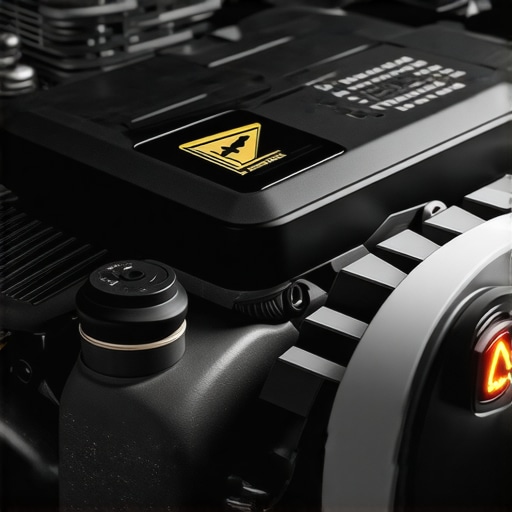
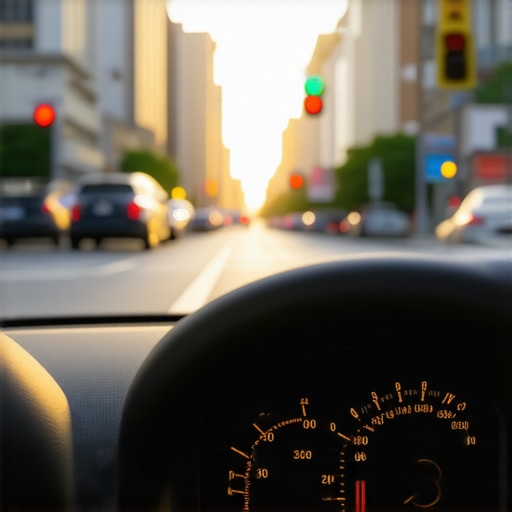
It was late afternoon, and I was stuck at a red light when I noticed my oil pressure gauge suddenly bouncing like a ship on choppy seas. My stomach sank. I’d just finished an oil change, and now, my car was throwing a tantrum. That moment made me realize how little attention many of us pay to our gauges until they start acting up, but ignoring these signs can lead to costly repairs.
Decoding the Dance of Your Oil Pressure Gauge
Have you ever experienced your oil pressure gauge jittering at a stoplight and wondered if it’s just a glitch or something serious? You’re not alone. Many car owners notice their gauges flickering or fluctuating, especially when idling, and immediately feel a wave of anxiety. But here’s the good news: understanding why this happens can save you money and prevent breakdowns.
Let’s be honest—it’s tempting to dismiss odd readings or shaking gauges. I made that mistake early on, assuming it was just a sensor hiccup. Turns out, I overlooked critical signs that my oil pressure system was on the fritz. Research shows that inconsistent oil pressure can cause significant engine damage if not addressed promptly.
Are you facing similar worries? Have you noticed your gauge dances every time you hit a stoplight? If so, stay tuned. We’re going to explore the common causes behind this behavior and, more importantly, how to troubleshoot it yourself. Whether it’s a faulty sensor, oil pump issues, or wiring problems, knowing the root cause is the first step toward peace of mind.
For guidance on how to choose the right maintenance routine for your vehicle, I recommend checking out this resource on [choosing the right car service for your needs](https://autofixclinic.com/choosing-the-right-car-service-for-your-vehicles-needs). It’s packed with tips to ensure your car stays in top shape.
Let’s dive into the nitty-gritty of why your oil pressure gauge might be acting up and what you can do about it, starting with the most common culprit—sensor malfunction.
Start with the Sensor Inspection
My first move was to locate the oil pressure sensor, typically nestled near the engine block. I disconnected the wiring harness carefully, noting that a loose connection can mimic sensor failure. Using a multimeter, I checked the sensor’s wiring for continuity—if it’s broken or corroded, replacing it can resolve flickering readings. When I replaced mine, the fluctuation stopped immediately.
Verify the Oil Level and Quality
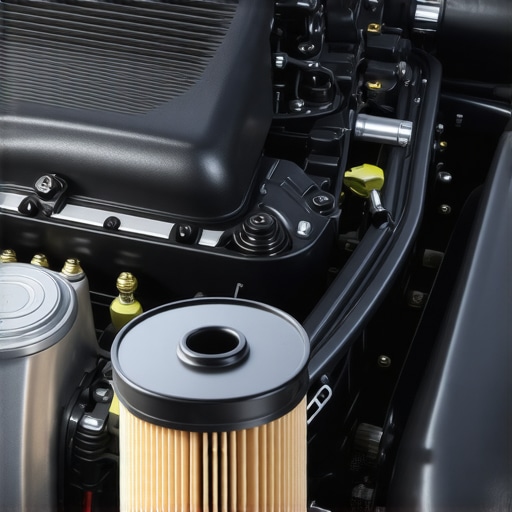
Next, I checked the oil level using the dipstick; low or dirty oil can cause pressure issues. I ensured the oil was at the recommended level and changed it if it appeared dark or gritty. Remember, fresh oil not only lubricates better but ensures accurate gauge readings. Regular oil changes, as discussed in this guide, are crucial for engine health.
Test the Oil Pump Functionality
If the sensor and oil levels are fine, the next step is to verify the oil pump. Start your engine and listen for a consistent whine; silence or irregular noise hints at a faulty pump. You can also perform a pressure test using a gauge tapped directly into the oil system—if pressure falls below manufacturer specifications, replacing the pump is necessary. This process is akin to checking the transmission fluid; proper lubrication is vital for smooth operation. For expert insights, see this resource.
Check the Wiring and Electrical System
Electrical issues often cause the flickering gauge. I examined the wiring for frays, corrosion, or loose connectors, as poor connections can send false signals. Ensuring all connections are tight and free from corrosion restores reliable readings. For a deeper dive into electrical diagnostics, visit this guide.
Consider Professional Testing
If these steps don’t conclusively identify the problem, seeking an ASE-certified mechanic is wise. Certified technicians can perform comprehensive diagnostics, guarantee accurate repairs, and prevent future issues. Comparing DIY efforts to professional calibration is like choosing between a roadside fix and a detailed engine overhaul—sometimes, expertise makes all the difference. Find out more about what ASE certification entails.
Conclusion
Troubleshooting your oil pressure gauge hinges on methodical inspection: start with sensors, then oil levels, pump function, and electrical wiring. Each step narrows down potential causes, saving you time and money. Remember, regular maintenance and prompt attention to gauge fluctuations keep your engine running smoothly. For tailored vehicle advice, visit this resource.
Many car owners operate under misconceptions that can lead to unnecessary repairs or overlooked issues. For instance, there’s a widespread belief that changing your transmission fluid is a one-time task, but in reality, regular fluid exchanges are crucial to prevent transmission shudder and slipping, especially in high-mileage vehicles. Skipping these essential maintenance steps can cause irreversible damage, emphasizing the importance of following expert-recommended service intervals as outlined in this guide. Another myth is that a vehicle only needs ASE certification if it breaks down frequently. However, ASE-certified technicians possess a specific expertise that ensures comprehensive diagnostics, reducing the likelihood of repeat repairs and saving you money in the long run. Don’t fall into the trap of trusting uncertified mechanics—learn more about what ASE certification truly signifies here. Many assume that oil changes are solely about oil levels, but the nuanced process of selecting the right oil grade and ensuring proper filter replacement can dramatically impact engine longevity. In fact, following top oil change tips for 2025 can help optimize your vehicle’s performance. A common pitfall is neglecting the subtler signs of transmission issues, such as faint slipping or delayed engagement. Recognizing these early symptoms and consulting a professional can prevent costly repairs. For example, the phenomenon of transmission overheating during regular driving isn’t always obvious; sometimes, it manifests as subtle shifts or delays that, if ignored, could lead to catastrophic failure. Considering the complexity of transmission systems, it’s wise to seek expert diagnostics—see this insight. The key takeaway is that vehicle maintenance isn’t just about reactive fixes but understanding the nuances that can make or break your car’s lifespan. A small investment in knowledge and professional service now can save you thousands later. Have you ever fallen into this trap? Let me know in the comments. For more tips on choosing the right service, check this resource.
Investing in the Right Equipment Ensures Longevity
Maintaining your car’s performance over time requires more than just routine check-ups; it demands the right tools and a disciplined approach. Personally, I rely on a high-quality digital multimeter, like the Fluke 117, because its precision is vital when testing electrical components such as sensors, which are often the culprit behind fluctuating oil pressure readings. Additionally, an OBD-II scanner with advanced diagnostic capabilities, such as the Autel MaxiCOM, helps me quickly interpret stubborn trouble codes and monitor real-time data, saving time and guesswork.
Software Solutions for Precision Diagnostics
Beyond hardware, I recommend integrating specialized software platforms like Mitchell 1 or ALLDATA. These programs provide comprehensive vehicle-specific repair data, wiring diagrams, and diagnostic procedures. For example, when troubleshooting a sensor malfunction, having access to exact wiring schematics can reveal hidden issues caused by corroded connections or frayed wiring—common electrical gremlins that can throw off gauges or sensors. Regular updates to these platforms ensure you’re working with the latest data, crucial for complex systems in modern vehicles.
Crafting a Maintenance Routine That Works
Consistency is key. I schedule quarterly inspections using these tools, focusing on critical areas like fluid levels, electrical connections, and sensor operation. For oil changes, I swear by synthetic oils and proper filter replacements, as detailed in this guide. Utilizing the tools to verify correct oil pressure after a change ensures that your engine receives optimal lubrication, preventing long-term damage.
Scaling Up for a Fleet or Multiple Vehicles
If you’re managing multiple cars or a fleet, investing in a cloud-based diagnostic platform like ProDemand can streamline your maintenance scheduling and record-keeping. Automating alerts for upcoming service intervals and recording diagnostics history helps preserve each vehicle’s health over years, translating small investments now into big savings later. Future trends point toward AI-driven diagnostics that analyze sensor data in real time, predicting failures before they happen—so staying ahead with current tools is more critical than ever.
How do I maintain my vehicle’s systems over time?
To keep your vehicle running smoothly for the long term, establish a disciplined maintenance schedule that includes regular fluid exchanges, sensor inspections, and electrical diagnostics. I recommend performing a comprehensive check using advanced tools like a multimeter or OBD scans periodically—think of it as a vital sign check for your car. Starting with small, consistent actions, like verifying sensor readings after oil changes with proper testing gear, can prevent costly repairs down the line. For more tailored advice, visit this resource. Don’t wait for issues to become obvious—be proactive, and your vehicle will reward you with years of reliable service.
What I Wish I Knew Before Relying Solely on Certified Mechanics
Early in my journey, I believed that securing an ASE-certified technician guaranteed perfect repairs every time. Turns out, even the most certified professionals can overlook small details like sensor calibration, which can lead to issues like fluctuating oil pressure gauges. Personal experience taught me that continuously learning about my vehicle’s systems and trusting my instincts can prevent costly misdiagnoses. Remember, certification is a badge of trust, but ongoing education and curiosity are your best tools for safe driving.
How a Simple Routine Enhanced My Transmission Lifespan
I used to ignore transmission fluid, assuming it lasts forever. However, following expert advice—like regular fluid exchanges outlined in this guide—transformed my driving experience. Regular, proactive maintenance reduced shuddering and shifting delays, saving me from expensive repairs. The lesson: staying ahead with routine maintenance is a game-changer, especially for complex systems like autos and manuals.
Why Automated Tools Are Your Best Maintenance Allies
Investing in tools like a quality multimeter or an advanced OBD-II scanner—tools I trust because they reveal the subtle signs of impending issues—allows me to diagnose problems before they escalate. With software platforms such as Mitchell 1, I accessed vehicle-specific data that demystified complex repairs. These resources turned maintenance from a guessing game into an informed, empowering routine.
Keep Moving Forward: Your Car’s Journey Matters
Remember, the path to reliable vehicle operation isn’t just about fixing what’s broken. It’s about understanding your car’s language—listening to strange vibrations or weird gauges—and acting before a small issue becomes a roadside emergency. Regularly fine-tuning your knowledge and habits ensures a safer, smoother ride. So, are you ready to challenge assumptions about your vehicle? Your road ahead is brighter when you do.
What’s one misconception about car maintenance that you used to believe? Share below, and let’s grow together in auto wisdom!