The Correct Way to Treat a Dead Battery in Sub-Zero Temps
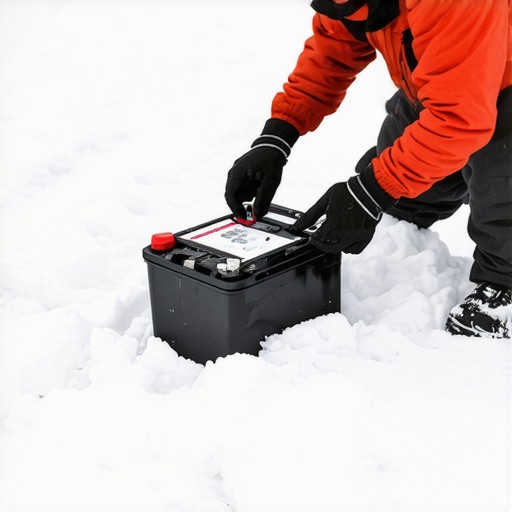
It was one of those biting winter mornings, the kind where you step outside and instantly regret not wearing two pair of gloves. I turned my key in the ignition—and nothing. No click, no grunt, just a dead silence. That’s when I realized my usual trick of jump-starting wasn’t going to cut it this time. Living in a region where sub-zero temperatures are the norm, I’ve learned the hard way that a dead battery isn’t just an inconvenience—it’s a warning sign that needs proper attention.
Why Your Dead Battery Can Turn into a Major Headache in Freezing Weather
Freezing temps do more than just make your morning commute miserable—they severely impact your car’s battery performance. When temperatures plummet, your battery’s ability to produce and store power drops significantly because the chemical reactions inside slow down. This isn’t just anecdotal; research shows that cold weather can cut a battery’s capacity by up to 50% (source: automotive science studies). If your battery is already on its last legs, that cold snap could be the final straw, leaving you stranded.
But here’s the thing—how you handle a dead battery during these frosty days can make all the difference for your vehicle’s health. I used to think a quick jump was enough; I’d connect some cables, and off I’d go. Unfortunately, that’s a rookie mistake I made early on. Jump-starting without proper precautions can cause more harm than good, like damaging your alternator or causing electrical surges. That’s a mistake I paid for, and you don’t have to.
So, in this post, I’m going to share with you the tested methods and expert-approved steps for treating a dead battery when the temps drop below freezing. Whether you’re facing this challenge for the first time or you’ve dealt with it before but want to do it right, this guide will equip you with practical knowledge to keep your car running smoothly through the winter.
Have you experienced the frustration of a dead battery just when you needed your car the most? If so, read on—because knowing the correct way to treat your battery in cold weather could save you hundreds in costly repairs and a lot of stress. Ready to get your vehicle winter-proof? Let’s dive into the essentials.
Jump-Starting with Precision to Prevent Damage
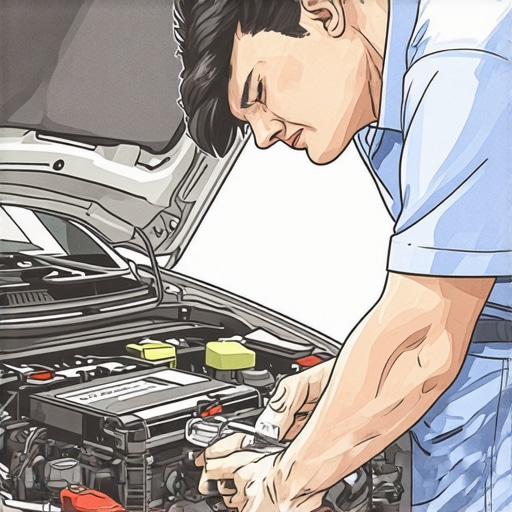
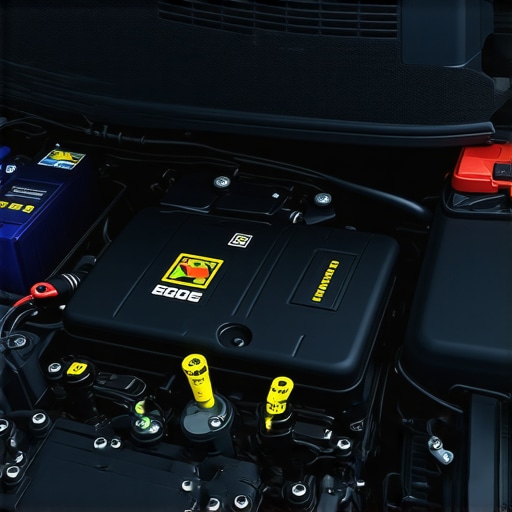
Remember the time I tried to jump-start my car without checking the battery terminals—sparks flew, and I ended up replacing a fried alternator. To avoid such mishaps, always wear gloves and eye protection, connect the positive (red) cable to the dead battery’s positive terminal first, then to the booster vehicle. Connect the negative (black) cable to the booster’s negative terminal, then attach the other end to an unpainted metal surface on your car’s engine block, away from the battery. This sequence minimizes the risk of sparks and electrical surge damage, especially important in freezing conditions where batteries are strained.
Inspect and Verify Your Battery Health
Before attempting to start, check for corrosion around terminals—white or blue deposits signal contamination that impedes current flow. Use a battery terminal cleaner or a mixture of baking soda and water to scrub away deposits. Confirm the battery’s voltage with a multimeter; a reading below 12.4 volts suggests weakness. Conduct a load test if possible or seek professional diagnostics. An early assessment can prevent repeated failures and extend your battery’s lifespan.
Consider the Right Tools and Safety Measures
Always keep a quality jump starter or portable booster pack in your vehicle—think of it as a rechargeable life raft for emergencies. Ensure your jumper cables are thick enough gauge (at least 4-gauge) to handle high current, reducing the risk of overheating or melting. Wearing insulated gloves and safety glasses protects against potential acid leaks or sparks emitted during connection. Remember, cold weather thickens engine oil and battery internal fluids, making these safety steps even more critical during winter mornings.
Gradual Charging and Post-Start Checks
Once the engine roars to life, let it run for at least 15-30 minutes—like slowly filling a bucket to prevent splashing. This allows the alternator to recharge the battery gradually, reducing stress. If your vehicle hesitates to start afterward, consider replacing the battery or checking the alternator’s output through an ASE-certified technician. For a comprehensive vehicle health check, especially in winter, review related systems like the transmission and oil quality to ensure your car operates smoothly during cold spells. Regular maintenance can prevent unexpected breakdowns caused by the demanding climate.
When it comes to maintaining your vehicle, many drivers follow traditional advice blindly, but beneath the surface lies a web of common myths and overlooked nuances that could be costing you more than you realize. Let’s **dig deeper** into some of these misconceptions, especially concerning oil changes, ASE certification, and transmission service, to help you avoid costly mistakes.
Why the Quality of Oil Matters More Than You Think
Many car owners believe that as long as they top up the oil regularly, they’re covered. However, not all oils are created equal. Synthetic oils, for instance, offer better engine protection and longer service intervals, but only if used with the correct filters and systems—see this guide. Relying on cheap oil or generic oils can lead to increased wear and even engine scuffing, which isn’t visibly obvious but can compromise engine longevity over time.
One often overlooked aspect is the importance of the oil filter. Many shops just wipe filters clean or replace them with generic substitutes, but a proper oil change involves installing a proven, compatible filter. Check this post for how to identify if your filter was truly replaced.
Misconceptions About ASE Certification You Should Bust
Everyone aims for ASE certification assurances, but the truth is, certification doesn’t guarantee perfection. A common misconception is that ASE-certified techs are infallible. While they have proven expertise, ongoing training is essential, especially with rapidly evolving automotive technology. An ASE certification might be a good indicator of baseline skills, but it doesn’t substitute for the technician’s experience and familiarity with your specific vehicle model.
Furthermore, some assume that ASE certification means your vehicle will never face future issues. That’s false. Regular vehicle service and honest diagnostics are equally vital. For example, if you’re noticing hesitations during transmission shifts, it’s crucial to pursue targeted fixes—see this article for advanced diagnostics.
What Is the Hidden Danger in Ignoring Transmission Nuances?
Transmission care is often simplified to fluid changes, but this overlooks subtle yet critical signs. Modern transmissions, especially CVTs and dual-clutch systems, demand precise attention to fluid quality, temperature, and software calibration. For instance, a hesitation on hills or rough shifts might seem minor, but it can be a symptom of deeper issues like delayed solenoid response or bio-synthetic oil incompatibility—see this guide.
Failing to recognize these nuances may lead to premature transmission failure, which is expensive to repair or replace. Regular diagnostics that involve software updates and fluid analysis can prevent this cascade of failures. Remember, a transmission’s health isn’t just about the fluid—it’s about the full system, including gear linkage and control modules.
**Have you ever fallen into this trap?** Let me know in the comments—sharing real experiences helps everyone avoid these costly mistakes. Maintaining your vehicle isn’t just routine; it’s an ongoing dialogue with your car’s complex systems. When you understand these hidden nuances, you take the first step toward smarter, more cost-effective maintenance.
Investing in Durable Equipment for Long-Term Care
When it comes to keeping your vehicle running smoothly, quality tools are non-negotiable. I personally rely on a high-grade digital multimeter, such as the Fluke 117, because its accuracy and durability have saved me countless diagnostics hours. It allows me to precisely measure battery voltage, alternator output, and sensor signals, ensuring every component functions optimally. Harnessing reliable diagnostic software like OBDLink MX+ connected to a laptop or tablet facilitates real-time troubleshooting and code clearing, making the process more efficient. These tools, combined with a good quality code reader, empower me to identify issues accurately rather than relying on guesswork—a crucial aspect when maintaining complex systems like transmissions or engine controls.
Another vital piece of equipment is a torque wrench, especially for transmission service or changing critical components. I prefer a digital torque wrench for its consistency, ensuring bolts are tightened to manufacturer specifications, which prevents future leaks or component failures. Additionally, a creeper and a sturdy jack with proper stands are indispensable for working underneath the vehicle safely, allowing access to transmission pan bolts or the underside of the engine without hassle.
Implementing Proven Maintenance Methods
Beyond physical tools, the right maintenance procedures are key to long-term reliability. I recommend adopting a schedule that includes regular fluid analysis using portable test kits; this helps anticipate transmission or engine fluid degradation before symptoms manifest. For instance, using a synthetic oil like the one discussed in this article can extend oil change intervals up to 20,000 miles, provided you monitor for signs of contamination. Combining these analytical techniques with manufacturer-recommended service intervals ensures your vehicle stays in top shape.
Contemplating the Future of Car Maintenance Tools
Looking ahead, vehicle diagnostics will become even more integrated with AI-driven software, providing predictive maintenance features. I predict that smart diagnostic modules will analyze real-time data to suggest precise repairs or maintenance steps, reducing guesswork. For example, predicting transmission issues before they cause symptoms could save you a significant repair bill. Staying ahead involves not only investing in current best practices but also being open to adopting new technologies—like AI-enhanced scanners—that will likely become standard tools in the near future.
How do I maintain tools and diagnostic accuracy over time?
Consistent calibration and regular updates are essential for diagnostic equipment. For software tools, I make it a point to connect to the latest firmware updates and databases, which often include critical fixes for the newest vehicle models. Proper storage and cleaning of physical tools also prolong their lifespan, saving you money in the long run. Mastering your equipment and staying updated with industry standards will keep your maintenance routine effective and precise.
To ensure your vehicle remains in optimal condition, try calibrating your multimeter monthly and cross-checking it against a known good source. This simple step can prevent inaccurate readings that might lead to misdiagnosis. Moreover, pairing this practice with regular oil analysis or transmission fluid testing—like those outlined in this post—gives a comprehensive view of your engine’s health. In the rapidly evolving landscape of vehicle technology, continuous learning and the right tools are your best allies for maintaining reliability and safety.
What I Wish I Knew About Battery Care in Freezing Temps
One of the toughest lessons I learned was the importance of preemptive battery maintenance rather than reactive jump-starts. Investing in a quality portable jump starter and regularly checking battery health with a multimeter can save you from those icy mornings where your car refuses to cooperate. Proper terminal cleaning and avoiding quick fixes without inspection ultimately protect your vehicle’s electrical system from cold-weather stress.
Why Relying Solely on Jump-Starting Can Backfire
I used to think jump-starting was my go-to solution, but I learned the hard way that it can cause damage if not done correctly. Connecting cables in the right sequence, wearing safety gear, and ensuring your battery isn’t internally compromised are crucial steps that prevent costly repairs later. Knowing the right precautions beforehand turns a stressful situation into a manageable fix, rather than an expensive mishap.
Diving Deep Into Fluids and Filter Choices
My experience showed that synthetic oils like the one discussed in this article disrupt traditional maintenance routines, demanding compatible filters and proper handling. Using high-quality, compatible filters and monitoring fluid condition through regular analysis can extend oil change intervals and protect engine components from winter wear and tear.
Embracing Advanced Tools and Data for Smarter Maintenance
Over time, I realized that investing in diagnostic tools such as an OBDLink MX+ and a reliable code reader transformed my understanding of vehicle health. Regular calibration and updates to these tools, combined with consistent troubleshooting practices, empower me to detect issues early, especially with complex systems like transmissions and hybrid engines, avoiding costly repairs and breakdowns.
What Hidden Lessons Have I Learned About Transmission and Oil Care
- I discovered that subtle shifts or hesitations might indicate deeper issues, which can be caught early through regular software updates and fluid testing—see this guide.
- this post.
- Letting transmission fluid degrade or neglecting software recalibration can cause hesitation and jerking, which can often be remedied with targeted ASE-approved fixes.