How to clean a leather interior without stripping the dye
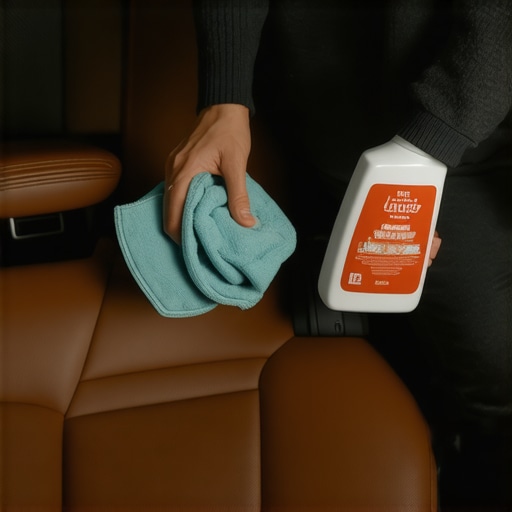
It was a Saturday afternoon when I finally got around to cleaning the inside of my car, only to realize that my once sleek leather seats now looked dull and faded after a quick scrub. I had used the wrong product—one that stripped away not just the grime but also a bit of my leather’s dye—which left me frustrated and worried about damaging one of my car’s most visible features. That moment was a lightbulb for me: there’s a way to clean leather without sacrificing its vibrant color.
Why Proper Leather Care Matters More Than You Think
Leather interiors are an investment—luxurious, durable, and with proper care, stunning. But cleaning them isn’t just about aesthetics; it’s about preserving value, comfort, and safety. While it might seem straightforward—wipe, clean, go—you’d be surprised how easy it is to make mistakes that cause long-term damage. Many car owners fall into the trap of using aggressive cleaners or products not tailored for leather, thinking they’re doing a good job. However, these can strip away dyes, leading to uneven patches or a faded appearance.
Let me share a quick personal mistake: early on, I used an all-purpose cleaner because I thought, ‘It’s just dirt, right?’ Unfortunately, those harsh chemicals seeped into the leather and began degrading the dye. That experience taught me the importance of choosing the right cleaning products that are gentle yet effective. According to automotive experts, using the wrong products can accelerate wear and diminish your interior’s resale value—a real setback if you plan to sell someday.
So, why take the risk? Proper cleaning preserves that rich, deep look and keeps your leather soft and supple for years to come. Plus, it’s easier than you might think once you know what to do. Stick with me, and I’ll walk you through the simple steps I’ve learned to keep your leather interiors looking fresh without sacrificing color.
Interested in more tips on maintaining your vehicle? Check out our guide on [choosing the right car service](https://autofixclinic.com/choosing-the-right-car-service-for-your-vehicles-needs) to keep everything running smoothly. Ready to get into the nitty-gritty of cleaning without the fallout? Let’s dive into the practical steps that can make all the difference.
Start with a Clean Slate: Prepare Your Workspace
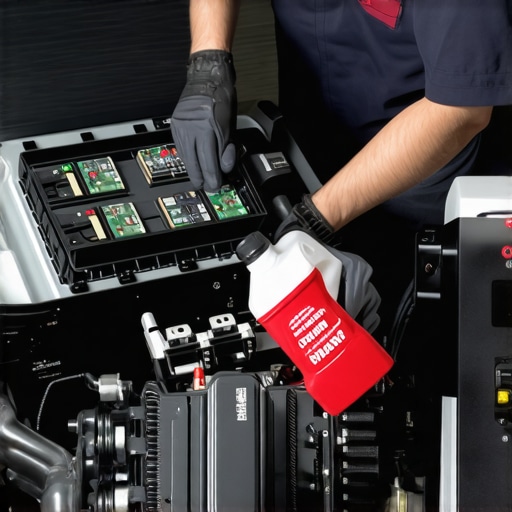
Before diving into any car maintenance, ensure your workspace is organized and safe. Park your vehicle on level ground, turn off the engine, and engage the parking brake. Remove any clutter that might obstruct your work area. Gather all necessary tools—ratchets, screwdrivers, gloves, and the right replacement parts or fluids. I once attempted to replace my oil filter without proper gloves, ending up with greasy hands that took hours to clean, so don’t skip protective gear.
Drain and Replace Fluids with Precision
Changing Oil and Filter
Start by warming up the engine for a few minutes. Warm oil drains faster and more completely. Place a drain pan under the oil pan plug, then carefully loosen and remove the plug using the correct wrench—avoid over-tightening or stripping the bolt. As I learned from a misstep, over-tightening can damage the pan threads, leading to costly repairs. Once drained, replace the plug with a new washer if necessary, and pour in the manufacturer-specified oil—never guess or use the wrong viscosity. For high-mileage engines, consider synthetic oils, which provide better protection and performance, especially under stress.
Inspect and Maintain Critical Components
Transmission Fluid Check
Check your transmission fluid regularly—ideally once a month. With the engine warm, park on level ground, and locate the transmission dipstick (consult your manual if uncertain). Pull it out, wipe it clean, then re-insert and check the level. If low, top it off with the recommended fluid. Be cautious—overfilling can cause foaming and damage. Old or burnt transmission fluid can cause slipping or rough shifts, so consider scheduling a fluid exchange if it’s dark or has a burnt smell. For an in-depth understanding, explore transmission maintenance tips.
Check and Adjust Mechanical Settings
Loose or worn components can lead to uneven wear or failure. For example, always verify your wheel lug nuts are torqued to the manufacturer’s specifications—over-tightening risks damaging the studs, while under-tightening poses safety hazards. Use a torque wrench and consult our guide for proper procedures. Additionally, inspect brake pads, rotors, and belts for wear or cracks. I once ignored a slightly warped rotor, which caused a pulsating brake pedal. Addressing these issues early prevents costly repairs and ensures safety.
Test Drive and Final Checks
After completing maintenance, take your vehicle for a gentle test drive. Observe for any unusual noises, vibrations, or warning lights. Pay attention to how it accelerates, brakes, and shifts. Use this opportunity to verify fluid levels again and tighten any loose components if necessary. Keeping a routine of these steps preserves your car’s longevity and performance. To enhance your knowledge further, consider regular maintenance routines or consult your ASE-certified technician for tailored advice.
Beyond the Basics: Uncovering Hidden Nuances in Car Service
While many believe that an ASE certification guarantees flawless service, this is a common misconception. The certification is an important credential, indicating that a technician has passed rigorous tests, but it doesn’t automatically mean they have the practical experience or honesty to perform quality repairs consistently. In fact, relying solely on credentials can lead to overlooking critical nuances that truly impact your vehicle’s longevity and safety.
A prevalent myth is that ASE-certified technicians always get it right. However, even experts can make mistakes, especially if they overlook the importance of specific procedures like correctly torquing lug nuts or properly checking transmission fluid levels. The ASE certificate reflects knowledge, but not necessarily the daily practical skill or ethical integrity.
What’s the trap most drivers fall into with car service?
Many assume that any shop displaying an ASE badge is infallible, leading to complacency and acceptance of subpar work. This can be especially risky when dealing with sophisticated systems like transmissions, where improper fluid level checks or incorrect part replacements can cause long-term damage. For example, overfilling engine oil or neglecting a necessary transmission fluid change can accelerate wear and lead to costly repairs, despite the technician’s credentials. According to industry experts, the real indicator of quality is how procedures—such as properly torquing lug nuts or verifying initial diagnoses—are executed, not just the presence of certifications.
Advancing in your understanding involves recognizing these nuances. For instance, a seasoned mechanic knows that a simple transmission fluid exchange isn’t just about draining but also about inspecting for debris and wear patterns—skills that can’t always be judged by certification alone. To deepen your knowledge, check out our transmission maintenance insights.
Myth Busting: The Truth About Oil Changes and Maintenance Frequency
Another misconception is that sticking strictly to the manufacturer’s oil change schedule is always the best practice. While following the prescribed interval is wise, neglecting the nuances—like driving conditions and oil quality—can be detrimental. Modern synthetic oils have different properties; if not changed appropriately, they might cause issues like sludge buildup or engine wear. For example, synthetic oils such as recommended in high-revving engines can last longer but still require vigilant monitoring for signs of degradation.
Additionally, many forget that oil quality and how the vehicle is driven influence maintenance needs. Aggressive driving, idling in traffic, or extreme temperatures can accelerate oil breakdown, even if on schedule. The key is comprehensive maintenance—regular checks, not just ticking off a box on the calendar. Ultimately, sharpening your awareness of these details helps avoid costly mistakes and ensures your vehicle runs smoothly for years. For tailored advice, visit our guide on oil change importance.
Have you ever fallen into this trap of trusting certifications blindly? Let me know in the comments. Being aware of these hidden nuances will save you money and headaches in the long run.
Keeping Your Vehicle in Prime Condition: Tools and Techniques
Ensuring your vehicle remains reliable over the years requires more than just occasional visits to the mechanic; it involves investing in precise, durable tools and adopting best practices. One tool I rely on heavily is a high-quality digital multimeter. It allows me to monitor battery health, check sensors, and diagnose electrical issues without guesswork. For example, testing the alternator’s output with a multimeter helps prevent unexpected breakdowns—saving time and money.
Additionally, an accurate torque wrench is indispensable when reassembling components like wheels or transmission parts. I prefer a digital torque wrench with a clearly visible LCD display, which minimizes errors—crucial when adhering to manufacturer specifications, such as these torque guidelines. Proper tightening prevents damage and ensures safety, especially in critical systems like suspension and brakes.
For fluid replacements, I recommend a professional-grade fluid extractor—this makes oil changes cleaner and more efficient. I personally use a suction-based pump that allows me to remove the old oil completely from tight engine crevices, improving long-term engine health. Regularly checking transmission fluid with a quality dipstick and replenishing it using certified fluids is vital for smooth shifting, particularly in vehicles with higher mileage.
Another essential aspect is software tools. Keeping an updated OEM diagnostic scanner, like a Launch X431 or Autel MaxiSys, grants access to manufacturer-specific codes and real-time data. This preemptively uncovers issues such as subtle transmission slippage or sensor malfunctions, which might not trigger dashboard warnings yet reduce vehicle longevity.
How do I maintain equipment over time?
Routine calibration and cleaning are key. For example, I regularly calibrate my torque wrench and clean the tips of my multimeter to ensure accuracy. Protecting tools from moisture and extreme temperatures prolongs their lifespan. Investing in quality storage solutions prevents misplacement—critically important as your toolkit expands when scaling vehicle maintenance. These habits maintain precision and reliability, making long-term maintenance predictable and less stressful.
Looking ahead, I believe the integration of smart diagnostic tools with AI-driven predictive maintenance will revolutionize vehicle care. Imagine devices that analyze wear patterns and suggest service intervals automatically, akin to proactive health monitoring in humans. This trend will make repairs more cost-effective and reduce unexpected breakdowns, especially for fleet managers managing large numbers of vehicles.
And here’s a tip worth trying: set up a maintenance log with your diagnostic scanner, detailing each repair and part replacement. Over time, this record becomes a valuable resource, helping identify recurring issues and optimizing your maintenance schedule. For comprehensive advice on this, check out our professional maintenance strategies.
Lessons That Took Me Years to Learn About ASE Expertise and Genuine Car Care
One pivotal moment in my journey was realizing that even certified technicians can overlook the small details that make a big difference—like proper torqueing or nuanced fluid checks—highlighting the importance of staying informed beyond certifications.
Another insight was understanding that not all car service shops prioritize transparency; asking specific questions about procedures often reveals their true commitment to quality. Trusting a badge isn’t enough—trusting your knowledge is key.
Finally, I discovered that the true value in maintenance is consistency. Regular, well-informed checks outweigh one-time flashy repairs, ensuring longevity and optimal performance for your vehicle.
Tools and Knowledge That Keep My Car Running Smoothly
My essential toolkit includes a reliable digital torque wrench, a professional-grade multimeter, and a diagnostic scanner. I’ve found that investing in these tools empowers me to verify work accurately and catch issues early, saving both money and stress.
Books like The Car Geek’s Guide to Car Maintenance and trusted online resources provide deeper insights into vehicle systems, often revealing hidden nuances most owners overlook. These references have transformed my approach from reactive to proactive maintenance.
Connecting with forums and communities, such as those found on professional automotive sites, keeps me updated with industry standards and real-world experiences, fostering continuous learning.
Seize Control and Drive With Confidence
Knowledge is empowering—by understanding the ins and outs of car service, especially when it comes to ASE-certified work, you can make smarter decisions and extend your vehicle’s lifespan. Don’t wait for problems to escalate; take proactive steps today.
What’s a small maintenance habit you’ve adopted that made a big difference? Share your stories below and let’s learn together!