Why your car stumbles when you accelerate from a stop
I remember the first time my car jerked and hesitated as I pressed the gas pedal to leave a red light—frustrating how something so simple could turn into a mini disaster in my daily drive. It was like my vehicle was protesting, stubbornly refusing to respond smoothly, and I knew I needed to figure out what was wrong. That little lightbulb moment made me realize: cases of stumble and hesitation aren’t just nuisances—they’re signs of underlying issues that, if ignored, can lead to costly repairs.
Don’t Ignore That Rough Start—Your Car’s Giving You Clues
It’s a common headache for many drivers, and honestly, it can feel mysterious or even scary if you’re not technically inclined. But trust me, understanding why your car stumbles when you accelerate from a stop can save you both money and stress down the line. Is it just a minor hiccup or something more serious? We’ll explore the most common culprits, what pitfalls to avoid, and how early diagnosis can make all the difference. If your vehicle has ever hesitated before moving forward, keep reading—you’re not alone, and help is on the way.
Is Your Car’s Hesitation Just a Fluke or a Sign of Bigger Trouble?
When I first faced this problem, I made the mistake of assuming it was just a temporary glitch—maybe bad fuel or a rough road. Turns out, ignoring those early symptoms can lead to worsening performance and expensive repairs. In fact, many transmission issues or fuel system problems often manifest first as hesitation or stumble, just like my experience. Recognizing these signs early can prevent future breakdowns and keep your vehicle running smoothly for years to come.
So, have you ever experienced your car jolting or shuddering as you start to move? If yes, you’re not alone, and understanding the root cause is crucial. In the sections ahead, I’ll share practical tips based on years of experience, including tips from certified experts to help keep your car performing at its best. And if you’re wondering whether regular oil changes can help prevent issues like this, check out [here](https://autofixclinic.com/why-regular-oil-changes-extend-your-cars-lifespan) to learn more about maintaining your vehicle’s health.
Let’s get into how to troubleshoot and address these common issues before they become major problems.
Prepare Your Tools and Workspace
Before diving into the oil change, gather your essentials: a new oil filter, the correct type and amount of oil, a wrench set, a drain pan, and safety gear like gloves and safety glasses. Find a flat, well-ventilated area with enough space to access your vehicle’s drain plug and oil filter. Remember, proper preparation reduces mess and prevents overlooked steps that could lead to engine hesitation later.
Drain Old Oil Effectively
Start the engine and let it run for a few minutes to warm the oil, making it flow more freely. Then, turn off the engine, secure the vehicle, and locate the drain plug underneath. Using the appropriate wrench, carefully loosen the plug and allow the oil to completely drain into your pan. This step prevents residual old oil that can cause engine sluggishness.
Tip from experience:
Once I forgot to tighten the drain plug properly, and it caused a slow leak. Check for tightness after draining to avoid oil loss during driving.
Replace the Oil Filter
Locate the oil filter; it’s usually accessible from the top or bottom of the engine. Use an oil filter wrench to unscrew and remove the old filter. Before installing the new filter, apply a light coat of fresh oil to the rubber gasket to ensure a good seal. Then, screw it in by hand, tighten it snugly but avoid over-tightening, which can cause leaks and trigger engine warning lights.
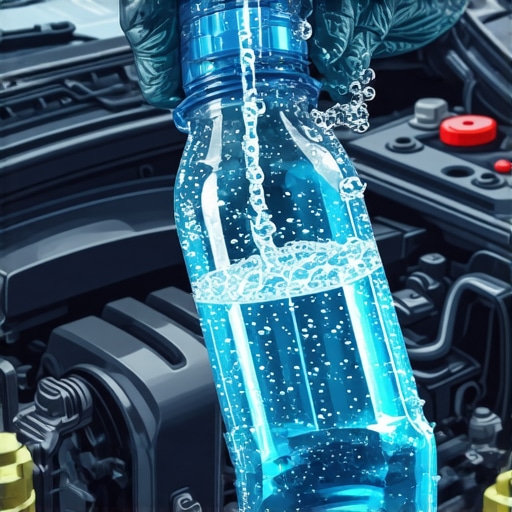
Refill with Fresh Oil Carefully
Using a funnel, pour the correct amount and type of new oil, as specified in your vehicle’s manual. Double-check the fill level with the dipstick—adding a little at a time until it reaches the recommended mark. Avoid overfill, which can cause high oil pressure and hesitation during acceleration. Consulting resources like top oil change tips helps ensure you’re following best practices.
Check for Leaks and Proper Function
Start your engine and let it run for a minute. Then, turn off the engine and inspect the drain plug and oil filter for any signs of leaks. Use a clean cloth around tight areas to wipe away excess oil and confirm no drips are present. Once satisfied, check the oil level again and add if necessary. Running the vehicle a short distance can help identify hiccups; if hesitation persists, you might need to look into other issues like fuel delivery or transmission health, which transmission concerns can reveal.
Proper Disposal and Routine Maintenance
Dispose of used oil and filters responsibly by taking them to certified recycling centers. Regular oil changes, ideally every 3,000 to 5,000 miles, keep engine components lubricated and clean, preventing the hesitation typical of worn or degraded oil. Remember, consistent maintenance like this is a simple step that safeguards your vehicle’s performance and longevity, as explained in oil change importance.
Many car owners operate under misconceptions when it comes to oil changes and routine maintenance, often making avoidable mistakes that can jeopardize their vehicle’s longevity. A common myth is that frequent oil changes are unnecessary if the car runs smoothly; however, experts emphasize that regular oil service is vital for engine health, as detailed in [why regular oil changes extend your car’s lifespan](https://autofixclinic.com/why-regular-oil-changes-extend-your-cars-lifespan). Another widespread misunderstanding is believing that all oils are the same—synthetic, conventional, or blend—each has unique properties that impact performance, especially under specific driving conditions.
Contrary to popular belief, ASE certification isn’t just a badge; it signifies that a technician has undergone rigorous testing and continuing education, which correlates with higher diagnostic accuracy and better maintenance advice, as explained in [what does an ASE certification mean for your car’s maintenance](https://autofixclinic.com/what-does-an-ase-certification-mean-for-your-cars-maintenance). Many drivers also overlook transmission health, assuming transmission fluid doesn’t need attention until a problem arises. In reality, early signs like slipping or rough shifting can often be traced back to overlooked flushes or leaks, which are addressed comprehensively in [transmission troubleshooting insights](https://autofixclinic.com/transmission-troubles-expert-insights-for-smooth-shifting).
Superficial car services, such as basic oil topping or neglecting filter replacements, can lead to advanced issues like engine hesitation or overheating. These issues are often caused by neglecting the nuanced aspects of maintenance. For example, failure to replace the transmission filter early on can cause debris buildup, impacting shifting quality, as highlighted in [the hidden debris that clogs your transmission filter early](https://autofixclinic.com/the-hidden-debris-that-clogs-your-transmission-filter-early).
Avoiding routine maintenance only seems like saving time or money initially, but it frequently results in costly repairs later. The key lies in understanding the specific needs of your vehicle and avoiding shortcuts. For instance, using the wrong type of oil for your engine can reduce lubrication efficiency or increase wear, especially in high-performance situations. To optimize your vehicle’s health, consider consulting a qualified technician about your specific driving habits, as covered in [choosing the right car service for your needs](https://autofixclinic.com/choosing-the-right-car-service-for-your-vehicles-needs).
Making educated choices about oil type, service intervals, and understanding the significance of ASE-certified technicians is part of a nuanced approach that transcends basic maintenance. Remember, neglecting these details can lead to unnecessary breakdowns and decreased vehicle value. For the best results, check out [top oil change tips for safe driving in 2025](https://autofixclinic.com/top-oil-change-tips-for-safe-driving-in-2025), and ensure your car gets the expert care it deserves.
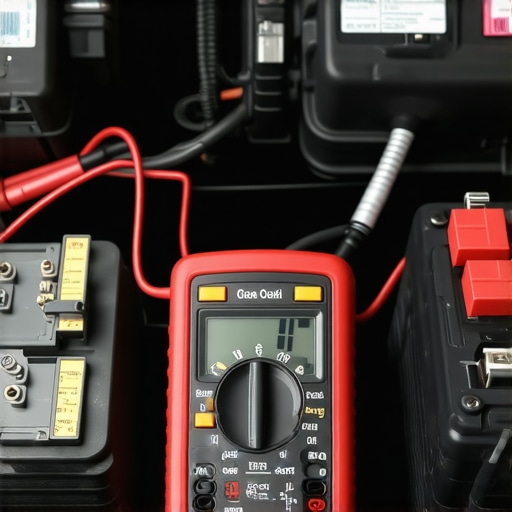
Have you ever fallen into this trap? Let me know in the comments below, and always feel free to reach out through our [contact page](https://autofixclinic.com/contact-us) for expert advice.Maintaining your vehicle over the long term requires not only knowledge but also the right tools and techniques. Personally, I rely on a few specialized pieces of equipment that make routine maintenance safer and more effective. For example, a high-quality digital multimeter is indispensable for diagnosing electrical issues, from starter problems to battery health, ensuring you catch potential failures before they leave you stranded. I prefer models with auto-ranging capabilities and True RMS measurement, like the Fluke 117, because they provide precise readings even in complex automotive circuits, helping me pinpoint issues accurately.
Similarly, a reliable torque wrench is a game-changer. I always use a calibrated torque wrench when tightening critical components such as wheel lug nuts, oil drain plugs, or transmission pans. Over-tightening can cause damage or leaks, while under-tightening might lead to parts coming loose. Using a torque wrench set to manufacturer specifications—often found in your vehicle’s service manual—enables me to get this precisely right, extending my car’s lifespan and reducing repair costs.
Another tool I swear by is an OBD-II scanner. These devices read engine codes and monitor real-time data, giving insights into your vehicle’s health that aren’t apparent through basic inspection. Investing in a Bluetooth-enabled OBD-II adapter combined with a comprehensive app like Torque Pro allows me to monitor parameters like fuel trims, sensor outputs, and transmission data on my phone. This proactive approach helps me detect issues early, especially with transmission management, where early signs can be subtle but impactful.
Future of Car Maintenance Tools
As vehicle technology evolves, so will the tools we use. I anticipate a rise in portable, telematic-equipped diagnostic systems that connect directly to your smartphone or vehicle’s ECU to provide more detailed, real-time insights. AI-powered diagnostics could soon suggest repairs and maintenance schedules based on vast data. Staying ahead means investing in adaptable tools and learning to interpret their data effectively, which ultimately leads to longer-lasting, better-performing cars.
If you want to optimize your maintenance routine, I highly recommend integrating an advanced OBD-II scanner and a high-quality multimeter into your toolkit. These tools have saved me time and money by catching issues early and ensuring accuracy during repairs. Plus, mastering these devices enhances your troubleshooting skills, making you less dependent on costly professional visits for minor problems. When it comes to long-term vehicle health, detailed diagnostics and precise adjustments are your best allies.
How do I maintain car tools and techniques over time?
Regular calibration of your torque wrenches and calibration checks for your multimeter ensure ongoing accuracy. Keep your digital devices updated with the latest firmware and app versions, which often include important bug fixes and feature improvements. Additionally, investing time in learning how to interpret diagnostic codes and sensor data will increase your confidence and effectiveness in maintenance tasks. Remember, proper tool maintenance and continuous education are essential for sustained success in vehicle upkeep.
The Hardest Lesson I Learned About oil change,ASE certified,transmission,car service
One of my biggest revelations was realizing that neglecting routine maintenance could turn small hiccups into major repairs. I used to dismiss minor hesitations as trivial, but I soon learned it’s often a sign that my vehicle’s core systems need attention, especially the transmission or oil system, as pointed out in regular oil changes. Prioritizing proactive care saved me money and stress, a lesson I wish I embraced earlier.
Why trusting the right tools and sources makes all the difference
Over time, I discovered that having reliable diagnostic tools like an advanced OBD-II scanner or a quality torque wrench changed the game. Trusting expert-curated resources, such as certified technicians or authoritative guides, ensures I’m making informed decisions, especially when it comes to complex systems like the transmission or fuel delivery. This approach minimizes costly mistakes and long-term damage.
The journey of mastering car care is ongoing and rewarding
Empowering myself with knowledge and the right tools, I’ve transformed routine maintenance into a rewarding experience. Every oil change, every inspection, feels less like a chore and more like a chance to connect with my vehicle’s health. I believe that by continuously learning—through trusted sources like top tips for safe driving—you’re not just prolonging your car’s life but also harnessing confidence behind the wheel.
My Roadmap for Elevated Car Care
Focusing on preventive steps like early diagnostics and proper maintenance routines will keep your vehicle performing at its peak. Investing in quality tools, staying educated through reputable sources, and valuing expert advice collectively create a cycle of long-term savings and safety. Remember, each routine check is an opportunity to prevent unexpected breakdowns—so stay curious and proactive.
You’re the Master of Your Vehicle’s Fate
Now, it’s your turn to take the reins. Whether it’s an oil change, transmission tune-up, or just routine inspection, each action counts toward a smoother, safer journey. Equip yourself with the right knowledge and tools, and watch your vehicle reward you with reliability year after year.
What’s the first maintenance step you plan to tackle today? Share your thoughts in the comments below, and don’t hesitate to reach out through our contact page for personalized advice on keeping your car in top shape.
,