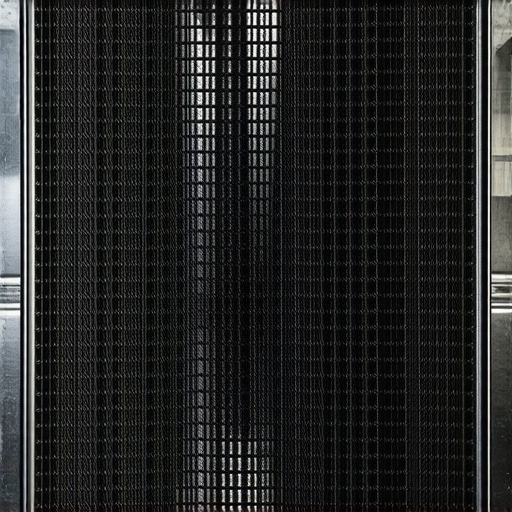
How to Know if Your Transmission Cooler is Clogged
It was a chilly morning, and I was just about to leave for work when I noticed my car shifting oddly. The transmission felt sluggish, almost like it was struggling to find its groove. As someone who’s been through ASE-certified repairs and countless oil changes, I knew something was off. That lightbulb moment of realizing my transmission cooler might be clogged hit me hard—because I’d overlooked this tiny but vital component for too long.
If you’ve ever experienced rough shifting, overheating, or strange smells coming from under the hood, you might be facing a clogged transmission cooler without even knowing it. These issues aren’t just annoying; they can lead to severe transmission damage if not addressed promptly. Today, I’ll share my personal experience and show you how to identify if your transmission cooler is clogged, saving you from costly repairs down the line.
Why a Clogged Transmission Cooler Can Cost You Big Time
Think of your transmission cooler as your car’s personal health spa—keeping transmission fluid cool and functioning optimally. When it gets clogged, your transmission isn’t just overheating; it’s being driven to the brink of failure. Over time, this results in reduced fuel efficiency, erratic shifting, and even complete transmission breakdown. Researchers have found that neglecting cooling system maintenance can reduce your transmission’s lifespan significantly (source).
From my experience, the early signs are subtle: a slight delay in shifting, a bit of a burnt smell, or minor hesitations. But if you ignore these signs, those small issues escalate into big repairs. That’s why recognizing the symptoms early on can save you thousands and keep your vehicle running smoothly.
Ever Felt Frustrated When Your Car Hesitates or Overheats?
I sure did. The first time I ignored a hint of transmission heat and a rough shift, I paid dearly. I now understand that a clogged transmission cooler was behind it all. Making that mistake early on—thinking it was just a routine oil change—cost me a new transmission. Don’t let it be you. If you’re wondering whether your cooler is clogged, I’ll walk you through how to check it yourself or spot the warning signs before it’s too late. Want to learn more about proper vehicle maintenance? Check out top oil change tips for safe driving in 2025.
Locate Your Transmission Cooler
Start by identifying your transmission cooler, which is usually a small radiator-like component mounted in front of the radiator or integrated within it. Consult your vehicle’s service manual or check online with your specific model for exact location. I remember a time when I spent an hour under my car, feeling frustrated until I found mine nestled behind the front bumper—highlighting the importance of knowing your car’s layout.
Gather Necessary Tools and Supplies
Equip yourself with basic tools: socket set, screwdrivers, pliers, a drain pan, a cleaning brush, and radiator flush solution. Having these ready beforehand tripled my efficiency during the procedure, preventing multiple trips to the store.
Drain and Remove Transmission Fluid
Before you begin cleaning, drain the transmission fluid by opening the drain plug or disconnecting the transmission lines from the cooler. Be cautious—transmission fluid is hot and toxic. I once neglected to wear gloves, which led to a greasy mess and a burnt smell that lingered for hours. Properly disposing of the fluid is critical; check local regulations or visit a trusted auto service for proper disposal.
Tip: If you aren’t comfortable with this step, consider consulting an [ASE-certified mechanic](https://autofixclinic.com/what-does-an-ase-certification-mean-for-your-cars-maintenance). See how ASE technicians troubleshoot complex issues?
Flush the Cooler
Attach a hose to the cooler’s inlet and carefully run water or a radiator flush solution through the system. Use a stiff brush to loosen any debris or sludge blocking the passages. I once *forcefully* used a pressure washer, which caused some damage; gentle flushing is more effective and safer. This step helps dislodge stubborn deposits causing the clog.
Clean and Inspect Fins and Passages
Use a soft brush or compressed air to clear fins and internal passages. Look for any signs of damage or corrosion—damaged fins can impede airflow, reducing cooling efficiency. This inspection saved me from unknowingly driving with a compromised cooler that could have led to overheating.
Reassemble and Refill Transmission Fluid
Reconnect the cooler lines securely, replace any filters if needed, and refill transmission fluid to the manufacturer’s recommended level, using the proper type. Correct fluid levels are vital; overfilling or underfilling can cause shifting issues. Remember that maintaining proper fluid levels is a regular part of [oil change tips](https://autofixclinic.com/top-oil-change-tips-for-safe-driving-in-2025) that ensure longevity.
Test Drive and Monitor Performance
Once reassembled, start your vehicle and monitor for any leaks or abnormal sounds. Take a test drive, paying attention to shifting smoothness and transmission temperature. During my first attempt, a small leak developed because I didn’t tighten a clamp—lesson learned: double-check all connections before concluding the job.
Schedule Professional Maintenance if in Doubt
If at any point you feel unsure or notice persistent issues, don’t hesitate to contact a professional. Expert technicians can perform a comprehensive diagnosis and ensure your transmission cooler is functioning correctly—saving you time and potential costly repairs. For more insights, see how [transmission troubles](https://autofixclinic.com/transmission-troubles-expert-insights-for-smooth-shifting) can develop without proper maintenance.
Many car owners believe they have a firm grasp on vehicle care, but in reality, some common misconceptions and oversimplified practices can do more harm than good. For instance, the ubiquitous claim that changing oil frequently is always essential misses the nuance of modern synthetic oils, which can last longer and perform better if applied correctly. Additionally, most people think that ASE certification guarantees an mechanic’s perfection—yet, the certification primarily confirms a technician’s competency at a certain point in time, not continuous excellence. The real challenge lies in understanding the subtle signs your vehicle reveals and the deeper maintenance needs that aren’t typically emphasized in beginner guides.
One frequently overlooked aspect is the importance of quality parts and proper installation. A common myth is that OEM parts are always necessary, but experienced technicians know that some aftermarket components, when selected carefully, can outperform original parts and save you money. However, the trap occurs when budget options are chosen without verification, leading to subpar performance or early failure. Always ensure that the parts meet OEM standards; more details can be found in discussions on transmission maintenance nuances.
What about routine service schedules? Many assume that sticking rigidly to time-based intervals is optimal, but this can be misleading. In reality, driving habits, climate, and the quality of parts used play significant roles in determining maintenance needs. For example, frequent short trips cause more engine stress and may require more frequent oil changes despite manufacturer recommendations. Conversely, steady highway driving can extend intervals if other conditions are optimal. This points to the importance of personalized maintenance plans, which professional technicians can customize based on specific vehicle data.
In terms of advanced mistakes, skipping critical diagnostics can mask underlying issues. For instance, ignoring subtle transmission hesitation might seem insignificant at first but could indicate developing problems with sensors or internal components, risking major overhaul expenses later. Diagnosing these requires an experienced eye—an ASE-certified mechanic, for example, employs sophisticated diagnostic tools and troubleshooting strategies illustrated in expert insights into transmission issues. Relying solely on symptom-based repairs is a common trap; instead, understanding the underlying cause equips you with better long-term solutions.
Have you ever fallen into this trap? Let me know in the comments. Delving deeper into these nuances can save you money, time, and frustration in the long run.
Investing in Reliable Equipment Makes a Difference
Keeping your vehicle in top shape requires more than just basic tools; it demands precision and durability. I personally rely on high-quality, professional-grade equipment like a digital multimeter to monitor electrical systems accurately. This helps me troubleshoot issues like sensor failures or wiring problems without guesswork, saving time and ensuring safety.
The mechanic’s creeper is another underrated tool that I recommend. It might seem simple, but during transmission cooler inspections or oil pan removals, a sturdy creeper provides comfort and access in tight spaces, making the job more efficient and less stressful. Investing in tools with ergonomic handles and anti-slip grips increases safety and reduces fatigue.
Harnessing Software for Long-Term Monitoring
Modern vehicles integrate complex electronics, so I use diagnostic software like OBD-II scan tools that connect to my smartphone or laptop. This software allows me to read real-time data, clear error codes, and track performance over time—vital for preventive maintenance. As automotive technology advances, staying current with the latest diagnostic tools will become even more critical, and I predict connected car diagnostics will dominate in the next decade.
Regularly checking error codes related to transmission or engine performance can alert you to issues before they escalate. For example, monitoring transmission fluid temperature data can help prevent overheating—something I learned the hard way—and ensures your cooler functions optimally between oil changes.
How do I maintain transmission cooling systems over time?
Consistent inspections and using specialized tools like a flush machine for cooling passages keep the system clean and efficient. A professional-grade cooling system flush removes debris and sludge buildup, which enhances longevity. This proactive approach is more than routine; it’s a safeguard to avoid costly repairs and extend your transmission’s life.
Recognizing When to Scale Up or Seek Expert Help
If troubleshooting reveals persistent issues or if your DIY efforts don’t improve performance, I highly recommend consulting with an ASE-certified mechanic. Their expertise combined with advanced diagnostic tools ensures precise repairs, saving you money and headaches.
Embracing advanced tools and understanding their application can dramatically improve maintenance results. Try upgrading your diagnostic equipment or scheduling a professional check based on real data rather than just time intervals. This hands-on, informed approach will keep your vehicle running smoothly for years to come.
Lessons That Changed How I Approach Car Maintenance
- Don’t wait for warning signs—address subtle shifts and smells immediately; they’re often early messages from your vehicle reminding you of hidden issues.
- Quality parts and attentive installation matter more than I initially believed—cutting corners can lead to costly mistakes down the line.
- Regular diagnostics saved me from bigger problems—investing in a good OBD-II scanner can give you peace of mind and early detection power.
Tools and Resources I Trust for Transmission Success
- OEM repair manuals and trusted online forums—they provide detailed schematics and community insights that are priceless when troubleshooting.
- Professional-grade flushing machines—I’ve found that proper flushing equipment makes all the difference in maintaining cooling efficiency.
- Quality transmission fluid—using the right type ensures longevity and smooth shifting, preventing the type of damage I once experienced from using cheaper alternatives.
- The top oil change tips remind me that proactive fluid maintenance is essential for transmission health and overall vehicle longevity.
Embrace the Future of Vehicle Care Today
Understanding the intricacies of transmission cooling and maintenance isn’t just for mechanics; it’s a skill every car owner can develop. By applying these lessons and leveraging quality tools and trusted resources, you’re investing in a safer, more reliable driving experience. Remember, the more you learn and act, the more you protect your vehicle and wallet from unexpected breakdowns. So go ahead—schedule that service, check your coolers, and keep your transmission running smoothly. Your future self will thank you!
What’s been your biggest lesson in DIY car maintenance? Drop your stories or questions below—I’d love to hear from you!