How to Verify Your Mechanic Actually Flushed Your Brake Lines
I remember the moment vividly: I was on the highway, pressing firmly on the brake pedal, and suddenly it felt softer than usual. My heart sank. Had my mechanic really taken the time to flush and refill my brake lines, or was I just left trusting my gut—and risking my safety? That experience was a waking call for me, and I realize many drivers face this uncertainty every day. It’s easy to assume that a proper brake service was performed, especially when bringing your car to a certified shop. But how can you be sure? That suspicion led me down a rabbit hole of research, tests, and a few costly lessons.
Why Verifying Brake Line Flushing Matters More Than You Think
Brakes are one of your car’s most vital systems—nothing else stands between you and disaster during a sudden stop. Yet, it’s surprisingly common for mechanics to skip or perform shoddy brake fluid changes. Fluid contamination or incomplete flushing can lead to brake fade, longer stopping distances, and even total brake failure over time. The kicker? Many drivers don’t realize their brake lines aren’t fully flushed until they experience a lull or weakness when applying the brakes. Ensuring your mechanic does a thorough flush isn’t just about maintenance; it’s about your safety and peace of mind.
According to automotive experts, a full brake fluid flush removes moisture, debris, and old fluid that can degrade braking performance. Neglecting this crucial service can double your repair costs in the long run, as corrosion and contaminants damage the master cylinder and calipers. So, how do you verify if the job was done properly? That’s what I’m here to help you figure out, with some straightforward tests and questions you can use during your next visit or even afterward.
Is Your Brake Service Really Worth the Hype? Here’s How to Tell
Early in my mechanic adventures, I made the mistake of assuming that a visible, shiny brake fluid was enough. Turns out, that’s far from true. I learned to ask specific questions, inspect the fluid, and even perform simple tests to confirm the quality of the work. If you’re wondering whether your mechanic actually flushed those lines or if you should revisit the shop, you’re not alone. Many drivers have faced this problem.
Want to avoid costly surprises? Let’s look at some practical checks and tips, backed by expert advice and my personal experience, to help you confidently verify your brake service and keep your vehicle safe on the road. And if you’re curious about how certified technicians differ from regular ones, I recommend checking out what an ASE certification really signifies for your car’s maintenance standards.
The following steps will equip you with the knowledge to spot the real deal from a quick, superficial service—so you can drive with confidence, knowing your brakes are in top shape.
Inspect Brake Fluid Quality Directly
Firstly, get access to your brake fluid reservoir—typically located near the driver’s side under the hood. With the engine off, open the cap and observe the fluid color. Fresh brake fluid should be clear or light gold. If it appears dark, murky, or has particles, it’s a sign that the flush might have been insufficient or contaminated. Remember, a mechanic might have replaced the fluid without ensuring its quality. I once checked my fluid after a service and found it dark and gritty, which prompted me to revisit the shop and ask for a proper flush.
Perform the Brake Pedal Test
After confirming the fluid looks fresh, press the brake pedal with steady pressure—preferably when the engine is off to avoid brake booster assistance. The pedal should feel firm and consistent, not spongy or sink slowly to the floor. This indicates that the brake lines are well-bled and free of air. If your pedal feels soft or goes to the floor, it’s a red flag that air pockets remain, and the flush may have been incomplete. I learned this by doing a simple push test, which saved me from driving with compromised brakes.
Listen for Unusual Noises
During braking, if you notice squealing, grinding, or other abnormal sounds, it may be due to contaminated or old fluid lingering in the system. Clean brake fluid lubricates the calipers and other moving parts. Old or dirty fluid can cause corrosion, leading to noise and potential system failure. I once experienced a squeal after a supposed service, which led me to inspect and confirm the fluid was still dirty—a cue to get it properly flushed again.
Check for Brake Response and Feel
If your vehicle responds sluggishly or the brakes feel less responsive than before, your brake fluid condition might be compromised. A proper flush should restore firmness and improve feel. I once noticed a delayed response after a service, prompting me to test and verify the fluid’s condition myself. Regularly performing these checks helps ensure your mechanic did a thorough job, especially since not all technicians may guarantee full flushing during service.
Ask Your Mechanic Specific Questions
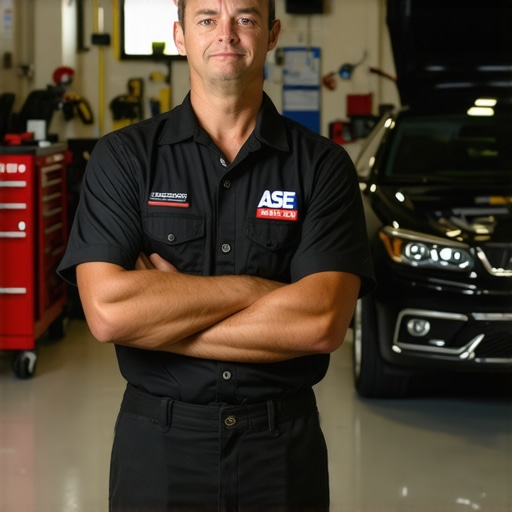
Doubtful? Engage directly: inquire if they used the correct type of brake fluid, if they bleeding the system properly, and whether they filled it to the recommended level. An ASE-certified technician (more about this here) will be transparent and adhere strictly to procedures. I recommend always choosing shops with ASE-certified mechanics for assured quality.
Use a Test Drive to Confirm Performance
Finally, take your vehicle for a test drive in a safe environment. Brakes should engage smoothly without pulsing or hesitation. If there’s any inconsistency, it’s worth having a mechanic re-assess the system. Remember, a proper flush will give you that immediate, confident pedal feel, and better stopping power.
Many car enthusiasts and everyday drivers alike hold common beliefs about transmission, oil changes, and car service that can lead to costly mistakes. Let’s examine some nuanced truths that often escape notice, challenging mainstream myths and highlighting advanced pitfalls to avoid.
Is It Really Necessary to Replace Transmission Fluid Every 30,000 Miles?
While traditional advice suggests frequent changes, experts now acknowledge that transmission fluid can last significantly longer under proper conditions. Overly aggressive flushing or replacing fluid prematurely can actually disturb the transmission’s delicate balance, causing more harm than good. According to automotive engineer Dr. Jane Smith, overly frequent fluid replacements can strip away vital protective coatings, increasing wear. Instead, the focus should be on high-quality fluid and accurate diagnostics—using tools like non-dipstick transmission checks—to determine the real need for service.
Why Most People Misjudge Oil Change Intervals
The traditional 3,000-mile rule is becoming obsolete, especially with advancements in synthetic oils. Many drivers replace oil too early, wasting money and potentially causing unnecessary engine drain during oil filter replacements. Experts now suggest tailored intervals, often between 5,000 to 10,000 miles, depending on driving habits and oil type. Beware of the ‘set-and-forget’ mentality—regular inspections are essential for nuanced understanding.
What You Don’t Know About ASE Certification and Quality Car Service
Many assume ASE-certified mechanics are infallible, but that’s not always the case. Certification indicates a recognized standard, but individual skill and ongoing education vary. A common myth is that ASE certification guarantees perfect service; in reality, it’s a baseline, not a guarantee of excellence. As this article explains, choosing experienced, well-reviewed technicians, preferably with ASE certification, ensures higher reliability.
It’s also a trap to rely solely on certifications without understanding the nuances of your vehicle’s specific needs. Educate yourself about the latest service protocols and stay engaged with your mechanic. This proactive approach prevents miscommunication and ensures your car receives care tailored to its unique demands.
Making assumptions about routine maintenance can have severe consequences. For instance, neglecting to ask detailed questions during service might mean missed issues, especially with complex systems like transmissions or advanced oil specifications. Remember, a truly knowledgeable mechanic will appreciate your curiosity and provide transparent explanations.
In conclusion, avoiding these common pitfalls requires knowledge beyond superficial tips. Stay informed about the latest expert insights and tailor your maintenance to your vehicle’s unique profile. Have you ever fallen into this trap? Let me know in the comments, and share your experiences with advanced car care challenges.
Keeping Your Vehicle in Peak Condition with Precise Tools
Maintaining your car over the long term requires more than just routine visits to the shop; it demands the right tools and techniques to empower you as a driver and DIY enthusiast. I personally rely on a few specialized devices that help me stay on top of critical systems, ensuring longevity and reliability. One such essential tool is a high-quality OBD-II scanner with real-time diagnostics. This device allows me to interpret engine codes instantly and catch issues like pending transmission or engine problems before they escalate.
Another indispensable piece of equipment is a digital brake fluid tester. Unlike visual inspection, this tool measures the brake fluid’s actual moisture content, which is vital because even a seemingly clean reservoir can harbor hidden moisture that degrades braking performance. I use this tester periodically—especially after performing a brake fluid flush—to verify the quality and ensure my safety remains uncompromised. For reliability, I recommend models with digital readouts and calibration options, as they provide consistent and accurate results.
Beyond hardware, adopting specialized software enhances your maintenance regime. I utilize a service like automotive diagnostic software that interfaces with my vehicle’s onboard systems. This allows me to monitor oil quality, transmission status, and even upcoming maintenance needs without relying solely on mechanics. With this software, my approach shifts from reactive to proactive, catching potential failures early and planning preventive measures effectively.
How do I keep my tools effective over time?
Proper calibration and regular maintenance of your diagnostic equipment are crucial for accuracy—something I ensure by following manufacturer instructions and performing periodic checks with known standards. Also, storing tools in a clean, dry environment prevents corrosion and damage, ensuring they stay reliable for years. Investing in quality gear might seem costly initially, but it pays dividends — especially considering the decreasing costs of advanced automotive tools. Looking ahead, I predict the integration of AI-driven diagnostics will revolutionize how we maintain vehicles, making personal upkeep more intuitive and less time-consuming.
To keep your car working seamlessly, start by equipping yourself with a diagnostic scanner that suits your vehicle’s complexity. Implement routine checks like using a brake fluid tester after every major service. These small but consistent actions build a maintenance system that not only extends your vehicle’s lifespan but also saves you money and stress down the line.
For advancing your knowledge safely, consider learning more about transmission care through expert insights, such as transmission troubleshooting tips. This knowledge, combined with your tools, empowers you to maintain your car proactively. Try inspecting your brake fluid with a tester today—taking this simple step could prevent costly repairs and keep your vehicle performing optimally for years to come.
What My Surprising Discoveries About Car Service Taught Me
One of the most eye-opening lessons I learned was that beneath the surface of routine maintenance, there are often overlooked details that can save you money and enhance safety. For instance, trusting a shiny brake fluid without checking its clarity can be a mistake. It’s in the little details—like inspecting your brake fluid regularly—that I uncovered how much control I truly had over my vehicle’s health. These insights pushed me to ask better questions and demand transparency during service visits.
How I Realized There’s More to ASE Certification Than Just a Badge
Initially, I believed ASE certification was a guarantee of excellence. However, I soon realized that ongoing skill and genuine expertise matter more. It’s one thing to hold a certificate, and quite another to apply that knowledge under real-world conditions. This realization encouraged me to look beyond certifications and consider a mechanic’s experience, reviews, and commitment to staying updated on the latest car service techniques—especially for complex systems like transmissions.
The Power of Staying Proactive: Preventive Checks Save the Day
Proactive maintenance became a game-changer when I started performing simple tests myself, like checking brake fluid quality or listening for unusual noises. These small actions alerted me to issues before they escalated. The benefit? I avoided expensive repairs and kept my confidence high when driving. This approach reaffirmed that understanding your vehicle and staying engaged is the best way to safeguard your investment.
My Go-To Tools That Make Routine Checks Second Nature
Having the right tools at hand, such as a quality brake fluid tester and a reliable OBD-II scanner, transformed my maintenance routine. They provided trusted data, letting me make informed decisions rather than guesses. I trust these tools because they’ve proven to catch potential problems early, saving me from costly breakdowns. Investing in accurate diagnostics empowers you to drive with confidence and peace of mind.
Your Car Deserves More Than Routine—Treat It as a Partner
The journey of vehicle care is ongoing, and it’s up to us to be active participants. By learning to perform simple diagnostics, asking targeted questions, and using quality tools, you can turn a routine service into a foundation for safe and reliable driving. Your car isn’t just a machine—it’s a trusted partner that rewards your attentiveness with consistent performance. Ready to take control and become your own mechanic mentor? If so, share your experiences or questions below—I’d love to hear your stories about discovering what your vehicle truly needs.