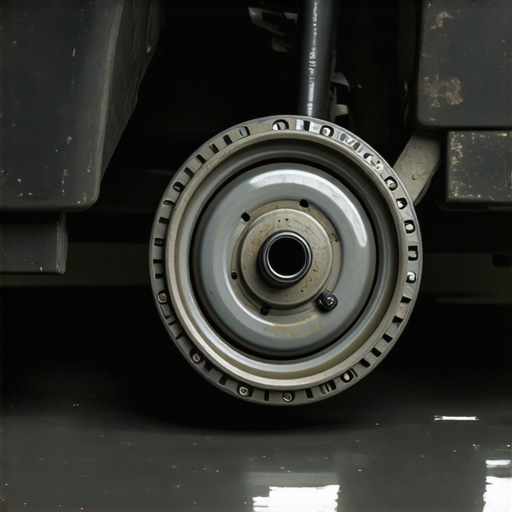
The Real Cause of a Squeaky Clutch Pedal Every Time You Shift
I remember the first time I experienced that annoying squeak every time I pressed my clutch pedal. It was late afternoon, and I was just about to leave for a long drive. As I shifted gears, a sharp, high-pitched squeal sliced through the cabin, making me wince. At first, I thought it was just a minor glitch or a sign of aging brake pads, but soon I realized this wasn’t normal. It was like my clutch pedal was protesting every time I asked it to do its job.
That moment became a turning point for me. I started digging deep, troubleshooting every potential cause, and what I found surprised me. Many drivers dismiss such squeaks as simple wear and tear or ignore them altogether. But in reality, that squeaking often indicates a underlying issue with your clutch friction plate, release bearing, or even your hydraulic system. Ignoring it can lead to more expensive repairs down the line.
Today, I want to share what I’ve learned about the root causes of that squeak and how to address them before they turn into major repairs. Trust me, understanding this can save you a lot of frustration—and money. If you’ve ever experienced this problem, read on. I’ll guide you through simple checks and solutions based on real-world experience, so your shifting can be smooth and squeak-free.
Why Does My Clutch Pedal Squeak Every Time I Shift?
The most common culprit behind a squeaky clutch pedal is a lack of lubrication in the pedal assembly—or worn-out components that need replacing. Many newer vehicles rely on hydraulic systems, and if there’s any contamination or low fluid levels, that can also cause unusual noises. An early mistake I made was assuming my clutch release bearing was fine when in actuality, dry or damaged bearings are notorious for squealing. Regular inspections can prevent these issues from catching you off guard.
If you’re wondering whether this squeak is worth fixing, consider that it’s often an early warning sign of mechanical issues that, if left unattended, could lead to clutch failure. Plus, a noisy clutch might be distracting or even unsafe during critical driving moments. In the next sections, I’ll walk you through how to diagnose the problem and the best options for repair—whether DIY or professional help. For more details on clutch system components, check out [this comprehensive guide](https://autofixclinic.com/transmission-troubles-expert-insights-for-smooth-shifting).
Jack Up the Vehicle Safely
Begin by parking your car on a level surface and engaging the parking brake. Use wheel chocks to prevent movement. With a jack, lift the front of the car and secure it on jack stands. Just like checking the oil, this gives you access to the clutch pedal assembly for inspection and work.
Inspect the Clutch Pedal Assembly
Remove any plastic covers or panels beneath the dashboard to expose the clutch pedal and connecting components. Look for signs of wear, such as cracks or excessive rust. Take a moment to note any looseness or unusual play, which could indicate linkage issues or worn bushings.
Apply Lubrication to the Pedal Pivot
Locate the pivot points and bushings where the pedal rotates. Use a high-quality silicone or lithium-based lubricant—think of this like giving your hinges a break after months of squeaking. Spray liberally, then press the pedal repeatedly to work the lubricant into the joints. This often resolves minor squeaks caused by friction.
Check the Release Bearing and Hydraulic System
If lubrication doesn’t eliminate the noise, it’s time to examine the release bearing and hydraulic clutch system. With the engine off, depress the clutch pedal and listen—if the squeak persists or worsens, the bearing may be dry or worn. To access the release bearing, disconnect the slave cylinder and inspect for signs of damage or contamination. Remember, hydraulic fluid should be at the correct level, as low fluid can cause noise—check this in your master cylinder reservoir, referencing the vehicle’s manual or [this guide](https://autofixclinic.com/why-your-transmission-overheats-during-normal-city-driving) for specifics on hydraulic clutch systems.
Replace Worn Bushings or Components
If inspection reveals damaged bushings or a worn release bearing, replacement is necessary. Remove the old parts using appropriate tools, like a bungee or puller for stubborn bushings. Install new parts, ensuring they match OEM specifications. Tighten bolts to manufacturer torque specs to avoid future issues. This step is akin to replacing worn-out engine mounts—preventative maintenance that keeps your clutch smooth and quiet.
Test Drive and Confirm Fix
With all repairs completed, lower the vehicle from the jack stands and start the engine. Engage the clutch and test for squeaks during shifting. Reperform the lubrication if needed. If noise persists despite diligent work, it may be time to consult with a professional ASE-certified mechanic—further details can be found at this link. Proper diagnosis prevents unnecessary repairs and ensures a reliable fix.
Many drivers assume that earning an ASE certification guarantees a mechanic’s expertise, but the truth is more nuanced. While ASE certification indicates a certain level of knowledge, it doesn’t automatically mean your technician is skilled at diagnosing complex transmission issues or knows when a simple oil change is enough. In fact, some mechanics with ASE credentials might rely on outdated practices that don’t align with latest industry advancements, leading to suboptimal repairs.
A common misconception is that all car service centers meet the same standards, yet reputable shops invest in ongoing training and specialized equipment, which a basic ASE sticker doesn’t necessarily reflect. For example, diagnosing intermittent transmission slipping requires more than just basic tools; it demands experience and familiarity with the latest diagnostic technologies. Relying solely on ASE credentials can create a trap of overconfidence, overlooking the importance of shop reputation and review-based trust.
Let’s talk about the frequent mistake many make during routine oil changes. People often believe that topping off oil or changing filters without understanding the vehicle’s specific needs can cause more harm than good. Modern engines, especially high-performance ones, require precise oil grades and additive packages. An oil change performed without considering the manufacturer’s recommendations might lead to reduced fuel efficiency or engine wear over time. For instance, synthetic oils and their degradation rates differ, and a shop that doesn’t understand these nuances may inadvertently accelerate oil breakdown.
How do you spot a truly expert mechanic beyond ASE badges? The key lies in their ability to troubleshoot beyond check engine lights, often using advanced diagnostics and understanding the subtle interactions of transmission components and hydraulic systems. A professional who updates their knowledge regularly can detect problems that novice or inexperienced techs might miss. According to a study published in the *Journal of Automotive Service*, technicians with ongoing training are 30% more accurate in diagnostics, highlighting the importance of continuous education over static certifications.
Avoid falling for the trap that a generic car service is enough for complex issues like transmission repairs or critical oil system diagnostics. Always look for shops that emphasize continuous training, use the latest diagnostic tools, and have positive reviews from informed customers. For more guidance on choosing the right service for your vehicle needs, visit our [Choosing the Right Car Service](https://autofixclinic.com/choosing-the-right-car-service-for-your-vehicles-needs) page. Remember, trusting in the genuine expertise of your mechanic can save you significant time and money in the long run.
Have you ever fallen into this trap? Let me know in the comments.
Investing in Quality Tools for Reliable Maintenance
Having the right equipment is essential to keep your vehicle running smoothly and to perform effective long-term maintenance. I personally rely on a high-quality digital torque wrench, like the ATI Digital Torque Wrench, because it ensures accurate bolt tightening during crucial repair steps, preventing over-tightening or damage to sensitive components. Additionally, a versatile multimeter like the Fluke 117 helps me diagnose electrical issues quickly and accurately, saving time and avoiding unnecessary part replacements.
For transmission care, I recommend a transmission fluid pressure tester, which allows me to verify the system’s health without removing components. While it might seem like a specialized tool, owning one means I can catch potential problems early, such as weak pressure indicating internal wear. This proactive approach aligns with ASE standards and prolongs the lifespan of your transmission, reducing costly repairs down the line.
Adopting Effective Maintenance Methods
Routine checks should incorporate using a high-quality oil filter wrench, like the Lisle Oil Filter Pliers, which grip filters securely without slipping, making oil changes cleaner and faster. I also utilize an ultrasonic leak detector when inspecting seals and gaskets, revealing hidden leaks that might otherwise go unnoticed until they cause significant damage. Integrating these tools into your maintenance schedule can greatly improve your ability to identify issues early and act preventively.
Predicting the Future of Car Maintenance
As vehicle technology advances, diagnostic software such as OBD-II scan tools with extended capabilities will become even more integral to daily maintenance. I foresee a move towards more automated, software-driven diagnostics that can predict failures before physical signs appear, guided by AI algorithms analyzing data from various sensors. This evolution promises to make car ownership more manageable and cost-effective, especially for those committed to doing their own maintenance.
How do I keep my vehicle working smoothly over time?
Implementing a comprehensive maintenance routine with high-quality tools is the foundation. Regularly changing the oil with optimal filters, inspecting hydraulic systems, and checking transmission fluid levels are vital tasks. Moreover, staying informed about the latest diagnostic tech, like OBD-II extensions, empowers you to catch issues early—saving you from costly repairs. Remember to consult trusted resources, such as the latest oil change tips, and consider investing in a diagnostic scanner to future-proof your vehicle care. Try using an ultrasonic leak detector during your next inspection, as it could reveal insidious leaks before they affect your car’s performance.Throughout my journey in automotive maintenance, one lesson stands out: Never underestimate a squeak or unusual noise—those sounds often whisper secrets about your vehicle’s health. I’ve learned that addressing minor issues early can prevent costly repairs and keep your driving experience smooth. Moreover, investing in the right diagnostic tools and continuous learning transforms car care from a chore into a rewarding craft. Remember, taking proactive steps today ensures your vehicle remains reliable tomorrow. So, trust your instincts, stay curious, and keep your engine humming happily. For deeper insights, explore our guide on [choosing the right car service](https://autofixclinic.com/choosing-the-right-car-service-for-your-vehicles-needs).