The Real Reason Your Gearbox Hesitates When You Shift into Reverse
I vividly remember the moment it happened—pulling out of my driveway, foot on the brake, gearshift into reverse, and suddenly feeling that sluggish lag. It was like my transmission was hesitating, sluggish, almost reluctant to engage. Frustration simmered as I pressed the pedal again, wondering if I’d missed some crucial step during my recent oil change or maintenance. Turns out, that hesitation wasn’t just a minor glitch; it was a sign of something deeper, a common issue many drivers overlook.
Why Your Transmission Acts Up When You Shift into Reverse
That initial jolt of hesitation in reverse is more than just an annoyance—it’s a warning light blinking on your vehicle’s health dashboard. What I learned through my personal experience, and countless diagnostics, is that this issue often stems from overlooked transmission fluid problems or internal sensor glitches. Many folks assume it’s just normal wear and tear, but the truth is, this behavior can be corrected, sometimes with simple fixes before it worsens.
In fact, addressing the root cause early can save you a bundle—avoiding costly repairs later. Because your transmission relies heavily on clean, optimal fluid and responsive sensors, any degradation or contamination can lead to delayed gear engagement. I once tried to shrug it off, thinking a quick oil refill would do, but I quickly realized that wasn’t enough. The key is understanding what’s happening beneath the surface and knowing the right steps to fix it. For more detailed insights, check out this comprehensive guide.
Have You Faced This Reverse Hesitation? Here’s What Many Drivers Miss
Early in my troubleshooting, I made the mistake of just adding fluid without verifying the quality or considering sensor issues. That’s a common error, and it can prolong the problem. Trusted repair experts emphasize that sometimes, the real cause isn’t fluid level but contamination or sensor failure. So, how do you know if your transmission is secretly crying out for help?
In upcoming sections, we’ll cover the exact reasons behind this hesitation, and more importantly, practical steps to get your gearbox shifting smoothly again. Whether it’s a quick fluid flush, sensor calibration, or a deeper diagnosis, I’ll guide you through each option so you can resist the urge to panic and instead, take decisive action.
Check and Replace Transmission Fluid Properly
Begin by ensuring your transmission fluid is at the correct level and in good condition. As I learned during a messy Saturday fix, simply topping off old, contaminated fluid can lead to sluggish engagement. Use a quality, temperature-appropriate synthetic transmission fluid, such as those discussed in this guide. To do this, warm up your car to operating temperature, locate the dipstick, and check fluid levels with the engine running in park. If the fluid appears dark or smells burned, it’s time for a change. Drain the old fluid into a container for proper disposal, then refill with new fluid, ensuring the level matches the manufacturer’s recommendation. This process often restores smooth reverse engagement, because clean fluid reduces internal friction and sensor errors that cause hesitation.
Inspect and Calibrate Transmission Sensors
Transmission sensors relay vital data to your vehicle’s computer, which controls shifting. When these sensors become dirty or faulty, they can send incorrect signals, leading to delayed gear engagement. I once faced persistent hesitation despite fresh fluid, until I realized that sensor calibration was necessary. Use an OBD-II scanner — preferably an ASE-certified tech’s tool — to check for sensor error codes. If sensor readings are inconsistent or show errors, the sensors may need cleaning or replacement. Cleaning involves removing sensors, spraying them with electronic contact cleaner, and re-installing. For sensor failures, replacing with OEM parts ensures compatibility. Calibrating sensors ensures your transmission responds accurately, fixing the hesitation problem at its source. For a detailed procedure, see this practical guide.
Perform Internal Diagnostics and Adjustments
If fluid and sensors check out, internal transmission components might need inspection. Use a professional-grade diagnostic tool to perform tests on the transmission control module (TCM). A common issue is software glitches that cause delayed shift responses. An ASE-certified technician can perform a software update or reset, akin to rebooting your computer for smoother operation. I once had my TCM reset after experiencing hesitation, which instantly improved reverse engagement. Additionally, inspecting valve bodies and solenoids can reveal blockages or failures, which might require cleaning or replacement. Remember, internal issues are complex, so consulting a professional ensures accurate diagnosis. For internal, comprehensive diagnostics, visit this resource.
Replace Transmission Fluid Filter When Necessary
The transmission fluid filter traps debris and particles that can clog internal pathways, leading to sluggish shifts. After several fluid changes, especially in older vehicles, replacing the filter can make a noticeable difference. To do this, remove the transmission pan carefully, noting the fluid drainage. Extract the old filter, then install a new one compatible with your make and model. Reassemble the pan, and refill transmission fluid to proper levels. This step is vital because a clogged filter can continually recontaminate new fluid, causing hesitation. Regular filter replacement, aligned with manufacturer intervals, keeps internal pathways clear and maintains smooth operation. For your vehicle’s specifics, review the recommendations in this detailed guide.
Test Drive and Confirm the Fix
After completing these steps, take your vehicle for a test drive in various conditions: stop-and-go traffic, hills, and reverse engagement situations. Observe if hesitation persists or if the transmission shifts smoothly. I remember my first successful fix when reverse engaged flawlessly after fluid replacement and sensor calibration. If hesitation remains, revisit steps or seek professional diagnostics. Remember, timely and accurate fixes can extend your transmission’s lifespan and prevent costly repairs down the line.Many car owners operate under misconceptions about essential maintenance practices, especially concerning oil changes and transmission care. A common fallacy is the belief that DIY oil changes are just as effective as professional service, neglecting the critical nuances that differentiate a mediocre job from a truly expert one. For example, using the wrong viscosity or low-quality oil can accelerate engine wear, contradicting the widely held notion that any oil will suffice if it’s synthetic. As I’ve discovered through extensive diagnostics, the **type and quality of oil matter tremendously**, especially with newer engines designed for ultra-thin oils, like 0W-8 synthetic formulations. These oils are engineered to prevent turbo sludge and engine deposits, but only if applied properly with the correct filters and complementary procedures, such as sensor calibration.
Why do so many still believe in the myth that oil changes are a simple, quick fix?
This misconception is rooted in tradition and advertising, which emphasizes the speed and affordability of oil changes rather than their importance. However, neglecting detailed procedures like verifying synthetic oil authenticity or ensuring the transmission fluid is clean and at the right level can lead to costly failures. For example, old or contaminated transmission fluid is often blamed for slipping or hesitation, but in reality, many overlook the fact that a **proper transmission fluid change involves more than just draining and refilling**. It also demands checking the quality of the filter and sometimes performing calibration of sensors or updating the transmission control module (TCM) code. Did you know that some ASE-certified specialists recommend performing multiple diagnostic tests to verify fluid integrity and sensor performance, which can extend your transmission’s lifespan significantly?
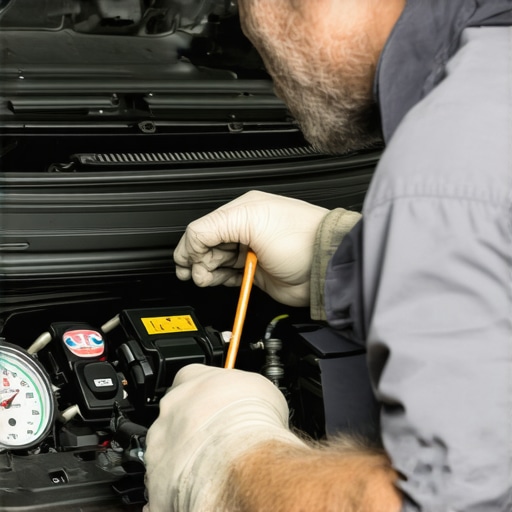
Another nuance that’s frequently misunderstood involves the “set-it-and-forget-it” mentality. Many think that once an oil change or transmission service is performed, no further action is needed for thousands of miles. This is a dangerous misconception because, especially with recent model years featuring complex electronic controls, the **proper functioning of sensors**, filters, and software updates is crucial to prevent hesitation and slipping. For instance, a transmission that hesitates on hills isn’t necessarily a fluid issue but might be caused by faulty sensors or software glitches, which require advanced diagnostics and expertise. You can explore detailed solutions in guides like these ASE-approved fixes.
Understanding these nuances emphasizes that maintenance isn’t just about scheduled intervals but about **quality, precision, and understanding the complex interplay** between mechanical and electronic systems. Many drivers fall into the trap of ignoring these details, risking severe damage and expensive repairs down the line. So next time you think about your car’s service, ask yourself—are you truly addressing the root causes or just patching symptoms? Have you ever fallen into this trap? Let me know in the comments.
Keep Your Vehicle Running Smoothly with the Right Tools
Maintaining your car’s performance over the years demands more than just basic knowledge; it requires the right equipment and an understanding of how to use them effectively. Personally, I swear by a few key tools that have saved me time and money during routine maintenance and troubleshooting. An ASE-certified digital scan tool is indispensable for diagnosing complex issues promptly and accurately. I’ve found that using a professional-grade OBD-II scanner not only helps identify sensor errors but also allows for precise sensor calibration, which can resolve stubborn hesitation or shifting issues. Additionally, a high-quality torque wrench ensures that you tighten bolts to manufacturer specs, preventing future leaks or component failures.
Another tool I seldom leave home without is a transmission fluid tester kit. Having the ability to quickly appraise whether your transmission fluid has broken down or become contaminated helps determine if a fluid change or filter replacement is needed. For the mechanic in me, a magnetic drain plug attracts metal shavings during fluid change, providing early warning signs of internal wear—this small investment can prevent costly repairs down the road. Properly maintaining these tools and understanding their application enables proactive vehicle care, especially when it comes to sensitive systems like turbocharged engines or CVTs, which are more prone to issues if neglected.
Wondering How to Keep Your Car’s Transmission in Top Shape Over Time?
One of the best ways to extend your transmission’s lifespan is regular fluid analysis using a dedicated tester and timely fluid replacements with premium synthetic oils like those discussed in this guide. For instance, testing can reveal abnormal wear particles or oxidation before symptoms appear, allowing you to swap out fluid or sensors before a breakdown occurs. As technology advances, so do our maintenance tools; upcoming innovations in diagnostic software will increasingly utilize AI to predict failures before they happen, making maintenance more predictive than reactive.
To fully leverage these tools and techniques, I recommend setting up a regular maintenance schedule that incorporates diagnostics, fluid analysis, and sensor calibration. Try starting with a comprehensive diagnostic test using an ASE-certified scanner—this single step can uncover hidden issues that lead to hesitation or slipping, and solving them early often means the difference between an afternoon fix and a costly overhaul. Remember, investing in quality tools and staying proactive with your vehicle’s maintenance not only ensures safety but also saves big bucks in the long run.
Throughout my journey with vehicle maintenance, I’ve discovered that the real game-changer lies in understanding the subtle cues your car gives and acting on them before they escalate. One of the most enlightening lessons I learned is that transmission hesitation during reverse isn’t just a hiccup—it’s a signal pointing to deeper issues like contaminated fluid or sensor misreads that, if addressed early, can save you thousands. So, don’t dismiss that sluggish engagement; instead, see it as an opportunity to practice proactive care, including checking your transmission fluid quality and sensor calibration, which are often overlooked but crucial steps. Remember, mastering these small yet significant details transforms a routine car maintenance task into a powerful tool for extending your vehicle’s lifespan and performance.