It was a chilly Saturday morning when I first heard that unsettling metallic rhythm coming from my car: a rhythmic clunking that seemed to grow louder with every bump in the road. At first, I thought it was just the road or maybe a loose tool in my trunk. But as I slowed down and the noise persisted, a sinking feeling settled in. This wasn’t normal, and I knew I had to dig deeper. That moment was a real eye-opener because I realized how easy it is to overlook these subtle signs until they become a full-blown problem.
Why That Rhythmic Clunking Deserves Your Attention
,
Start with a Comprehensive Inspection
Before diving into repairs or maintenance, perform a thorough visual inspection of your vehicle. Look for obvious issues like fluid leaks, worn belts, or damaged hoses. Use a flashlight to check under the car and around crucial components. This initial step helps you identify areas that need immediate attention and prevents wasting time on unnecessary fixes.
Check and Change Transmission Fluid
Transmission fluid is vital for smooth gear shifts. To inspect it, locate the transmission dipstick (if accessible), and check the fluid’s color and level. If it appears dark or smells burnt, it’s time for a change. Proper transmission fluid maintenance is linked to transmission health and steady performance. Remember, replacing it before problems escalate can save you costly repairs later. Consult your vehicle’s service manual or an ASE [certified](https://autofixclinic.com/what-does-an-ase-certification-mean-for-your-cars-maintenance) technician for guidance.
Replace Oil and Oil Filter Regularly
Oil lubricates engine parts, prevents overheating, and minimizes wear. According to top oil change tips, changing your oil every 3,000 to 5,000 miles guarantees engine longevity. Use the right grade recommended by your manufacturer. When replacing the oil filter, choose OEM (original equipment manufacturer) filters, as they fit better and last longer, aligning with ASE technician standards.
Inspect Brake System for Safety
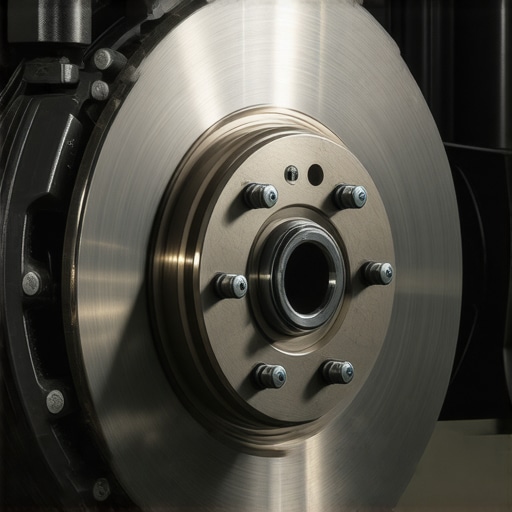
Brake components are your vehicle’s safety backbone. Check for uneven wear on pads, responsiveness, and brake fluid clarity. Contaminated brake fluid can impair braking performance and cause spongy pedal feel. If the fluid appears discolored or contains debris, it’s time for a flush. Regular brake maintenance helps prevent costly repairs and ensures safety on the road.
Maintain Tire Condition and Pressure
Proper tire pressure enhances fuel efficiency and handling. Use a reliable gauge to check pressure when tires are cold, and adjust to recommended PSI listed in your owner’s manual. Examine tread depth and look for uneven wear, which may indicate alignment issues or suspension problems. Remember, tire rotation every 6,000 to 8,000 miles prolongs tire life and improves ride quality.
Perform Regular Battery Checks
Batteries can be tricky; corrosion, age, or heat can cause unexpected failures. Visually inspect terminals for corrosion and clean them with a mixture of baking soda and water. For a more precise check, use a multimeter or have the voltage tested during a routine service. Replacing an aging battery before it dies prevents disruptions, especially before winter travel. Learn how to safely jump-start your vehicle in this guide.
Schedule Professional Inspections
While DIY checks are helpful, routine ASE-certified professional inspections ensure that no hidden issues slip through. A qualified mechanic can diagnose subtle problems in the transmission, cooling system, or suspension that might go unnoticed otherwise. Regular professional maintenance aligns with the best practices outlined in fleet management insights and contributes to vehicle longevity.
When it comes to maintaining your vehicle, many drivers rely on common wisdom and surface-level checks. But in my experience, the real pitfalls are often rooted in misunderstood nuances. For example, many believe that a clean transmission fluid means your transmission is healthy, but experts point out that fluid’s color alone isn’t a foolproof indicator of condition. According to industry professionals, even bright red transmission fluid can be contaminated or degraded without showing obvious signs, underscoring the importance of regular professional diagnostics instead of just visual inspections.
Are All ASE Certifications Created Equal in Detecting Subtle Issues?
Despite their prestige, not all ASE-certified technicians possess the same level of expertise in diagnosing complex transmission problems. A study from Automotive Service Association indicates that ongoing training and specialization significantly influence diagnostic accuracy. Many vehicle owners assume that a badge guarantees top-tier knowledge, but in reality, some ASE-certified mechanics excel only in specific areas. It’s crucial to understand their certifications’ scope and ask targeted questions or seek specialists when facing persistent issues. Accurate diagnostics enable timely interventions, saving money and preventing extensive repairs.
Moreover, I rely on a digital multimeter with high precision and a temperature probe. This helps me verify battery health, sensor outputs, and electrical connections. When combined with a digital oil tester, I can assess the oil’s condition beyond visual cues, ensuring that the lubricant’s viscosity and additives are still effective—especially crucial if you’re considering synthetic blends. Regular monitoring with these tools aligns with best practices for oil maintenance and prevents unnoticed degradation.
How do I maintain transmission health over time?
One method I recommend is scheduling professional transmission diagnostics periodically, even if your car seems fine. ASE-certified technicians utilize advanced tools like transmission fluid analyzers and coupling dynamometers to detect issues early. In fact, experts recommend transmission fluid analysis every 30,000 to 60,000 miles to catch contamination or wear before symptoms become severe. Incorporating routine diagnostics and maintenance with trusted equipment ensures your transmission remains responsive and extends its lifespan.
Looking ahead, the future of vehicle maintenance is headed toward smart diagnostics. Integration with onboard computers and AI-driven analysis will allow real-time alerts directly to your device. To prepare for this, I recommend investing in tools compatible with such technology now, ensuring you’re ready when your vehicle communicates issues proactively. In the meantime, try calibrating your existing tools quarterly to maintain their accuracy and trustworthiness.
Remember, combining precise equipment with consistent professional inspections forms the backbone of reliable vehicle maintenance. Don’t neglect your transmission or oil system—these are the heartbeats of your car’s longevity. For comprehensive guidance, consider consulting certified experts and adopting advanced diagnostic techniques today.
BlueDriver OBD-II scanner and a high-precision multimeter help me catch problems early. These tools empower me to act swiftly, saving money and extending my vehicle’s life. I’ve found that proper equipment bridges the gap between guesswork and precise maintenance, making all the difference.
Stepping Back and Smiling at My Progress
Mastering proper transmission maintenance and understanding the nuances of ASE certification have been eye-opening. Realizing how small issues, like contaminated oil or overlooked fluid changes, can ripple into major problems inspired me to stay vigilant. Embracing continuous learning and leveraging trusted resources ensure that I treat my vehicle with the care it deserves—keeping me safe and confident on the road.
Have you ever pressed the brake pedal in reverse, only to be greeted by an annoying squeal that vanishes the moment you move forward? I remember the first time it happened to me—standing there, frustrated, trying to figure out if I was actually missing some weird mechanic trick. Turns out, it’s more common than you…
It was late last Saturday afternoon when I first noticed something odd about my car—my brake lights were glaring at me even though my foot was nowhere near the pedal. I remembered the times I had taken my car in for a quick oil change or transmission check, never expecting that something as simple as…
It was a morning like any other, but as I pulled out of my driveway, I felt that familiar nudge to the right. No matter how many times I had the wheels aligned, my car stubbornly refused to stay centered. I remember thinking, “Did I just waste my money?” That lightbulb moment made me realize:…
It was a chilly morning, and I was in a rush. As I hit the brakes to stop at that familiar red light, I felt a strange, almost squealing sensation from the pedal. My heart sank. I had just replaced my brake pads, but they seemed louder and less responsive than before. That lightbulb moment…
One morning, I backed out of my driveway only to be greeted with a loud thump and a feeling that my car was suddenly less stable. My heart sank. I knew immediately something was wrong—my suspension was acting up. Turns out, I was dealing with a leak in my struts, but I had no idea…
Bright and early on a Saturday morning, I found myself crawling slowly over a familiar speed bump near my house. Suddenly, that unmistakable squeak erupted from beneath my car—loud enough to make me wince. In that moment, it hit me: I had been ignoring that squeal for weeks, convincing myself it was just a minor…

. <br />Another common mistake is assuming that high-mileage oil is unnecessary if the engine seems to run smoothly. However, as engines age, they require a thicker, more robust oil to maintain proper lubrication. Using the wrong type or neglecting regular oil changes accelerates wear and can cause unexpected breakdowns. To learn about the benefits of choosing suitable oil, visit [this guide](https://autofixclinic.com/why-your-car-synthetic-oil-is-turning-black-faster-than-usual-2).<br />In addition, many rely solely on DIY checks for critical components, trusting visual clues over diagnostic tools. While visual inspections are helpful, they can’t detect internal wear or subtle signs of impending failure. Diagnostic scans and professional evaluations reveal issues like failing torque converters or slipping clutches before they escalate, avoiding costly repairs down the line. Knowing when to shift from DIY to professional help is vital—don’t wait for a warning light or a breakdown. <br />Ultimately, understanding these hidden nuances and avoiding common myths can save you money, extend your vehicle’s life, and ensure safety. The key is to stay informed, ask the right questions, and trust specialists for complex diagnostics. Have you ever fallen into this trap? Let me know in the comments.</p><h2>Investing in the Right Equipment for Long-Term Success</h2><p>Maintaining your vehicle’s performance over time requires more than just basic knowledge—it’s about using the right tools that provide accurate diagnostics and reliable results. One of my personal go-to devices is the <strong>OBD-II scanner</strong>. I prefer the <em>BlueDriver Professional OBD-II Scanner</em> because it offers comprehensive live data, reads advanced codes, and integrates seamlessly with my smartphone via a dedicated app. This setup allows me to quickly identify transmission issues or pending oil change alerts without visiting a mechanic. <a href=) Accurate diagnostics enable timely interventions, saving money and preventing extensive repairs.
Accurate diagnostics enable timely interventions, saving money and preventing extensive repairs. BlueDriver OBD-II scanner and a high-precision multimeter help me catch problems early. These tools empower me to act swiftly, saving money and extending my vehicle’s life. I’ve found that proper equipment bridges the gap between guesswork and precise maintenance, making all the difference.