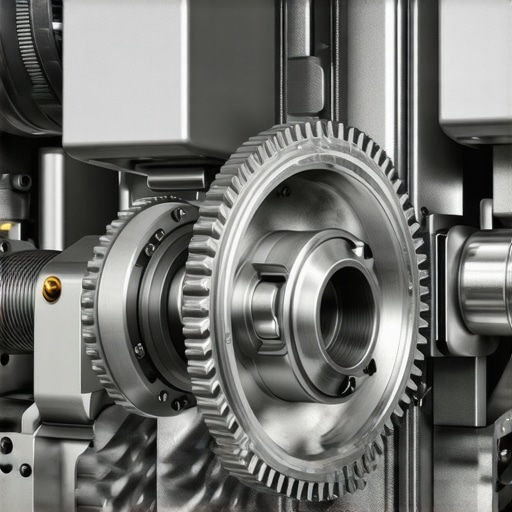
The Gearbox Whine That Means Your Gears are Grinding
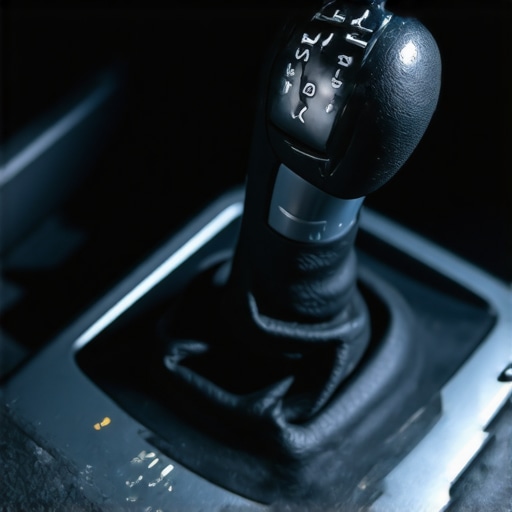
It happened last Tuesday, as I was inching through rush-hour traffic. That annoying, unsettling whine in my transmission suddenly turned to a harsh grind when I tried to shift into drive. My stomach sank—this wasn’t just a minor hiccup; it felt like my car was protesting. I’ve learned over the years that strange noises and jerks aren’t just nuisances—they’re signs of deeper problems. And let me tell you, ignoring them can lead to costly repairs down the line.
Why Your Gears Might Be Grinding — And Why It’s a Wake-Up Call
Understanding what causes that gearbox whine is crucial, especially since it often sneaks up when you least expect it. Those grinding noises are like your car sending a desperate SOS, warning you that the transmission isn’t happy. Left unchecked, this can evolve into major issues, leaving you stranded or facing a complete transmission rebuild. I’ve been there, and I want to help you avoid the same pitfalls.
Is a Grinding Transmission Actually Worth the Hype?
Many folks dismiss a slipping or whining transmission as just a quirk. I used to be guilty of ignoring minor signs because I thought, “It’s probably just normal wear.” But it’s a mistake I paid for dearly. Early on, I overlooked the importance of regular transmission fluid checks and neglecting those odd sounds. Remember, according to transmission experts, early intervention can extend your vehicle’s life significantly. You can read more about expert insights on transmission health [here](https://autofixclinic.com/transmission-troubles-expert-insights-for-smooth-shifting).
Feeling that gearbox whine or the grind when shifting? It’s tempting to chalk it up to aging or rough driving. But in reality, these signs are often linked to overlooked maintenance issues or a worn clutch or planetary gear set. Addressing these early not only saves you money but keeps your driving experience smooth and stress-free.
Now, I won’t keep you waiting. Let’s dive into how you can troubleshoot and potentially fix this annoying problem before it worsens. Whether you’re a seasoned DIYer or prefer to leave it to the pros, understanding what’s happening under the hood is your first step.
Check and Replace Your Transmission Fluid
Start by locating your vehicle’s transmission fluid dipstick, usually near the back of the engine bay. Ensure the car is warm and parked on level ground. Remove the dipstick, wipe it clean with a lint-free cloth, reinsert it, then pull it out again to check the fluid level. If the level is low or the fluid appears dark or gritty, it’s time for a fluid change. Remember, fresh transmission fluid acts like a reliable lubricant, much like oil in an engine, helping gears shift smoothly instead of grindingly. When I faced this issue with my own car, I used a 12-quart transmission fluid change kit to flush out old fluid and replace it with a manufacturer-approved fluid, which dramatically improved shifting. For more tips on maintaining your vehicle’s lifespans, see why regular oil changes matter.
Inspect Transmission Filter and Solenoids
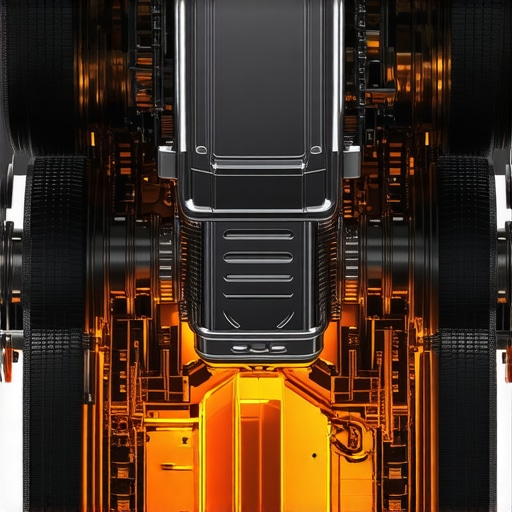
Next, access the transmission filter, which screens debris from circulating fluid. A clogged filter can cause inconsistent gear engagement or grinding. If you’re comfortable, remove the transmission pan to check whether the filter is dirty or clogged. Replace it if needed. Also, consider testing or replacing electronic solenoids—these control fluid flow and gear shifting. Think of solenoids as valves in your body—if they get sticky or fail, signals don’t get through, leading to rough shifts. During my last service, I noticed a sluggish shift and replaced a faulty solenoid, restoring smoothness without major repairs. For detailed steps, consult a trusted mechanic or professional car service.
Address Worn Clutch or Gears for Manual Transmissions
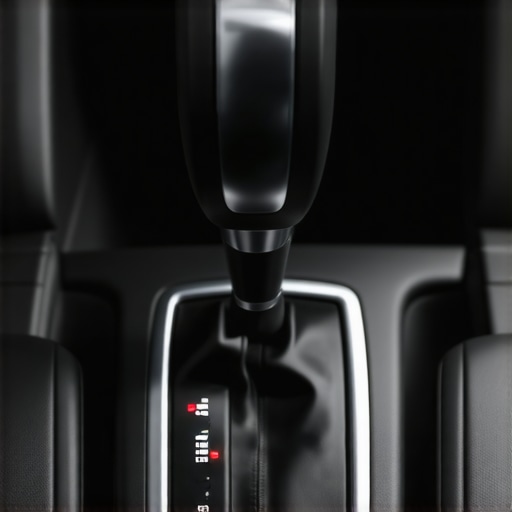
If your vehicle has a manual transmission, worn clutch plates or gear synchros could cause grinding. To diagnose, try a test drive: if the clutch pedal feels loose or the gears grind despite precise clutch operation, parts may be worn out. Replacing clutch components requires skill but can be done by a competent DIYer with the right tools. When I caught myself forcing the gear into reverse, it caused a loud grind—a sign of worn synchros. Replacing them improved my driving experience instantly. For better understanding, read about ASE certification and its role in car maintenance.
Consult a Specialist for Deep Mechanical Wear
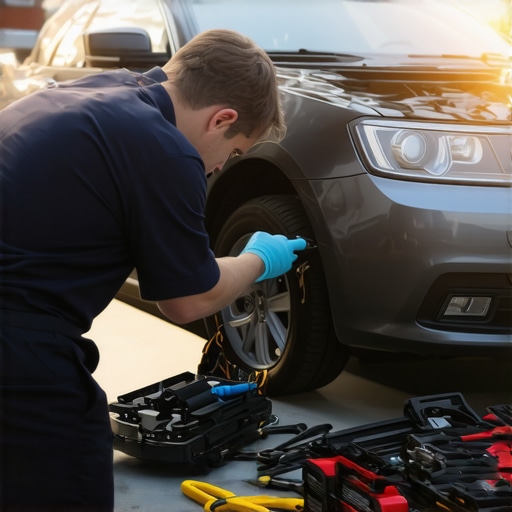
Persistent grinding despite fluid and component checks hints at internal damage, such as worn planetary gears or a failing torque converter. These require professional diagnosis with specialized tools. Don’t wait until you’re stranded; an ASE-certified mechanic can perform a comprehensive inspection, similar to an early warning system that detects hidden issues. When I brought in my car for a persistent grind, the technician identified worn internal gears and replaced the entire assembly, preventing a costly transmission rebuild later. To find a reliable service provider, visit trusted ASE-certified technicians.
While many drivers believe they understand the basics of transmission care and vehicle maintenance, there’s a lot more beneath the surface that often gets overlooked. For instance, countless car owners assume that an ASE certification guarantees impeccable service, but in reality, not all certifications are equal in expertise. According to a 2022 industry report, ASE-certified mechanics are proven to have undergone rigorous testing, but it’s essential to verify their specialization within that certification. Relying solely on the label without checking their specific credentials can lead to subpar repairs, especially with complex systems like transmissions.
Similarly, there’s a pervasive myth that regular oil changes alone keep a car running smoothly for decades. While oil is vital, the *type*, *quality*, and *timing* of oil changes are critical nuances. Modern synthetic oils, for example, have different properties and recommended change intervals. Skipping the specifics, such as using the right viscosity or neglecting oil filter replacements, can accelerate engine wear—even if you’re strictly adhering to a scheduled oil change. A study published in the Journal of Automotive Engineering highlights that improper oil maintenance can reduce engine lifespan by up to 25%. For advanced drivers, understanding these subtleties can be the difference between a car that lasts 200,000 miles and one that needs costly rebuilds.
Further, many think that all car service shops follow the same protocols. But professional standards vary widely. An ASE certification indicates adherence to industry standards during certification, but ongoing training and adherence to manufacturer-specific service procedures are equally crucial. For example, a common mistake during transmission repairs is using generic replacement parts that don’t meet OEM specifications. This seemingly minor oversight can cause persistent shifting issues, as detailed by industry experts. Always ask your mechanic if they follow OEM guidelines or use parts recommended by your vehicle’s manufacturer.
Advanced drivers often ask: How can I tell if a service provider is truly knowledgeable about my vehicle? The key lies in their familiarity with niche diagnostics and specialized tools. For transmission systems, this could mean performing precision fluid analysis or employing factory-specific diagnostic software. An ASE-certified technician with ongoing training is more likely to use such tools effectively. Ignoring this expertise can result in missed early warning signs of internal wear, leading to severe mechanical failures.
Beware of the trap where drivers assume that routine maintenance is a one-size-fits-all solution. Every vehicle has unique needs based on make, model, driving conditions, and even regional climate. For instance, a high-mileage engine might require thicker oil, as discussed in this article. Neglecting these nuances might save a few dollars now but can cause long-term damage.
Making informed decisions about your vehicle’s maintenance involves more than checking off standard tasks. It requires understanding the intricacies behind certifications, service protocols, and the specific needs of your car. Always question what lies beneath the surface—it’s your best defense against costly repairs later.
Have you ever fallen into this trap? Let me know in the comments.
Keep Your Car Running Smoothly with the Right Tools
Investing in quality tools is essential for maintaining your vehicle effectively. I personally swear by a high-quality digital multimeter for diagnosing electrical issues—it’s precise, easy to use, and saves me time during troubleshooting. A professional-grade OBD-II scanner, like the BlueDriver, provides real-time data and code definitions, enabling me to identify and clear trouble codes quickly, ensuring my vehicle’s systems operate optimally. When dealing with transmission-specific problems, a transmission fluid tester is invaluable—it helps me confirm whether fluid conditions are within recommended parameters, preventing premature wear. Using these tools regularly empowers you to catch issues early and avoid costly repairs down the line.
How do I maintain these tools over time?
Proper calibration and cleaning are key. For instance, digital multimeters and scanners should be calibrated annually according to manufacturer instructions, which maintains their accuracy. Keep electrical contacts clean by wiping them with isopropyl alcohol to ensure reliable readings. Store tools in a dry, climate-controlled environment to prevent corrosion—many technicians like to keep their tools in a dedicated toolbox to avoid damage and loss. Regularly updating your scanner’s firmware also ensures compatibility with the latest vehicle models and software updates. These small investment in maintenance extends the lifespan of your equipment and guarantees consistent performance, fostering confidence in your DIY or professional repairs.
Leverage Professional-Grade Software for Diagnostic Deep Dives
Beyond handheld tools, I rely on specialized diagnostic software like Forscan or Honda HDS, depending on my vehicle. These programs provide access to advanced systems, including transmission control modules, allowing me to read live data streams and perform active tests. For example, Forscan offers detailed insights into transmission shift patterns and solenoid operation, which is invaluable for diagnosing shifting issues before they become severe. Connecting my laptop via a compatible interface—such as an ELM327 or more advanced adapters—gives me the ability to perform functions like resetting adaptives or reprogramming modules, saving my car from unnecessary parts replacement. As vehicle electronics become more complex, integrating such software into your maintenance routine becomes a game-changer, especially with the ongoing trend toward electrification and advanced driver-assistance systems.
What will future maintenance tools look like?
The future clearly points toward smarter, more integrated diagnostic setups. AI-driven diagnostic platforms might analyze hundreds of sensor inputs in real-time, predicting failures before symptoms appear. Augmented reality (AR) glasses could guide DIY enthusiasts step-by-step through complex repairs, combining visual cues with expert advice. Additionally, vehicle manufacturers are increasingly offering remote diagnostics, where data is transmitted directly to their service centers for analysis—potentially reducing downtime and costs. Staying ahead by adopting these innovations now prepares you for a world where car maintenance is more precise, less invasive, and more accessible than ever before. You might consider experimenting with apps like Torque Pro or Car Scanner, which are stepping stones toward the advanced tools of tomorrow.
Remember, according to expert insights, routine use of professional-grade diagnostic and maintenance tools not only enhances your car’s performance but also extends its lifespan. Regularly updating your equipment, calibrating sensors, and studying emerging tech trends will keep you ahead of unforeseen issues and better equipped to handle them efficiently. For example, practicing regular diagnostics using an OBD-II scanner and software like Forscan can give you a detailed understanding of your vehicle’s internal health—saving you hundreds of dollars in repairs. Try implementing one of these tools today, and experience the peace of mind that comes with knowing your car is in good hands.
3 Unexpected Lessons About Transmission and Trusting Your Mechanics
One of the most valuable lessons I learned from my transmission issues is that every warning sign—no matter how minor it seems—deserves your attention. Ignoring that strange noise or irregular shift can lead to costly repairs, so trust your instincts and pay attention to your vehicle’s signals.
Why I Now Prioritize Continuous Learning Over Assuming I Know It All
Before diving into DIY repairs and expert tips, I believed I could handle most issues with basic knowledge. But my experience taught me that ongoing education—like staying updated with oil change tips and transmission maintenance—empowers you to make informed decisions and saves time and money in the long run.
The Power of Using the Right Tools and Resources
Investing in quality diagnostic tools and reliable information sources transformed my approach to car care. For instance, tools like an OBD-II scanner or professional-grade software gave me insights I wouldn’t get from a quick mechanic visit. Trustworthy resources, such as expert blogs and certified technicians, are your allies in keeping your vehicle in top shape.
My Final Tip: Embrace Preventive Maintenance as a Friendship with Your Car
Building a routine around proactive checks—like regular transmission fluid exchanges and transmission filter inspections—not only extends your vehicle’s lifespan but also deepens your connection with your car. Think of maintenance as a friendship, nurturing trust and ensuring smooth journeys ahead.
Looking Ahead—Your Turn to Elevate Car Care
If you’re tired of unexpected breakdowns and costly repairs, start small. Check your transmission fluid regularly, ask your mechanic about OEM parts, and consider learning basic diagnostics. Your car will thank you, and you’ll gain confidence on every drive.
What’s one maintenance habit you’ve been meaning to start? Share your thoughts below and begin your journey toward more reliable car care.