Why Your Brake Pedal Vibrates at Highway Speeds
Ever been cruising down the highway, feeling perfectly relaxed, when suddenly your brake pedal starts to shake like a washing machine on spin cycle? I remember the first time it happened to me—initially brushed it off as just some road debris or a trivial glitch. But as the vibration grew more intense, it dawned on me that something was seriously off with my car. That lightbulb moment made me realize how unsettling—and potentially dangerous—it can be to ignore brake pedal vibrations at high speeds.
What’s Behind That Shaking Brake Pedal?
Is It Time to Worry?
Most drivers, including myself early on, tend to dismiss brake vibrations as minor or temporary. But the truth is, this issue often signals underlying problems that, if left unaddressed, can compromise your safety. Vibrations at highway speeds usually point to issues like warped rotors or uneven brake pads—problems that require immediate attention. My mistake was thinking I could ignore it and hope it would go away, but I learned the hard way that these symptoms don’t resolve on their own. Regular inspections and timely repairs are vital.
If you’ve experienced a similar vibration while braking at high speeds, you’re not alone. Many drivers face this unsettling issue, and getting it sorted out can save you money and, more importantly, prevent accidents. In fact, a study by the National Highway Traffic Safety Administration indicates that brake-related issues are a common factor in highway incidents—underlining why understanding and addressing vibrations is so crucial.
In the sections ahead, I’ll guide you through the common causes of brake pedal vibrations and how you can diagnose and fix them without breaking the bank. Whether you’re a DIY enthusiast or prefer professional help, knowing what to look for empowers you to keep your vehicle safe and roadworthy.
Inspect Your Brake System Carefully
Elevate the Vehicle and Remove the Wheels
Start by safely raising your car using a jack and secure it with jack stands, then remove the wheels to access the brake components. This is where I once made a mistake by skipping proper lifting — I ended up with a loose wheel during a test drive, which could have been dangerous. Properly securing your vehicle prevents accidents and gives you clear access to inspect the rotors and pads thoroughly.
Check for Warped Rotors
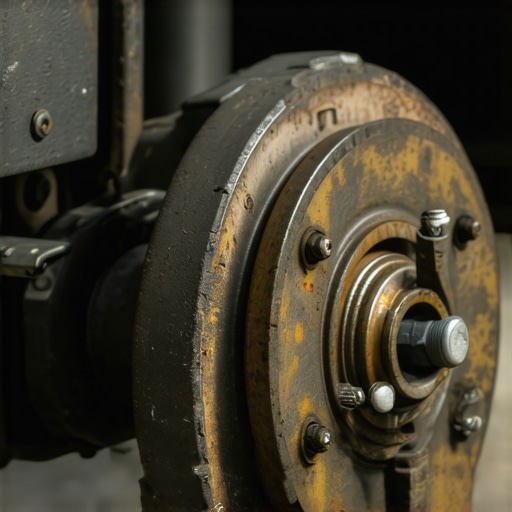
Spin the rotors by hand and look for signs of uneven surface or visible warping, which often causes vibrations. If you notice grooves or cracks, the rotors likely need replacement or resurfacing. I once replaced my warped rotors with new ones, and the difference was instant — smooth braking without any shake. Remember, warped rotors are a common culprit and can be caused by overheating or heavy braking, especially in mountainous areas.
Address Uneven Brake Pads and Calipers
Inspect Brake Pad Thickness and Wear
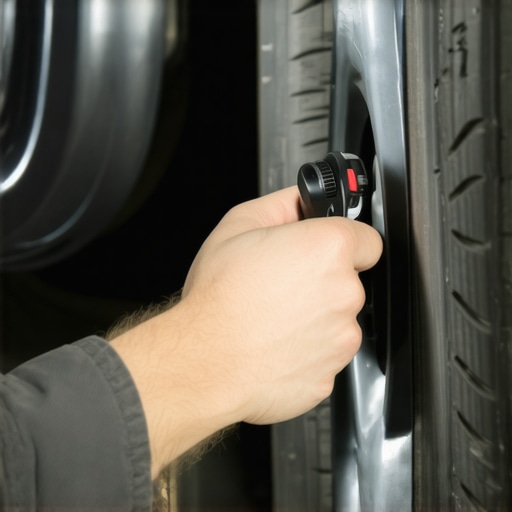
Examine the brake pads through the wheel openings for uneven wear. Worn or uneven pads can create vibrations. In my experience, uneven pad wear was due to caliper piston sticking, which I fixed by cleaning and lubricating the caliper slide pins—improving braking feel and eliminating shaking.
Test Caliper Functionality
Observe if one brake caliper is sticking or not retracting properly. This can cause uneven pressure, leading to vibrations. A quick test involves gently applying the brake and feeling for pulsing or sticking. If calipers are faulty, replacing or rebuilding them restores even pressure and stability during braking.
Bleed the Brake System to Remove Air Bubbles
Air in the brake lines can cause sponginess and vibrations. Use a brake bleeder kit to pump out air, following your vehicle’s specific procedure. During my last brake service, bleeding the system eliminated minor vibrations caused by air pockets—an often-overlooked step with significant impact. Regular brake fluid replacement also prevents contamination that can introduce air or moisture, which you can learn more about in this oil change guide.
Replace or Resurface Warped Components
If rotors or pads are badly worn or warped, replacing them is essential. Opt for high-quality replacement parts; I chose OEM components for lasting performance. Resurfacing rotors is a temporary fix but perfect if the damage isn’t excessive. Always verify with a professional if you’re unsure—many ASE certified technicians can help you determine the best course of action.
Test Drive and Final Inspection
After repairs, carefully test drive at highway speeds to ensure the vibrations are gone. Pay attention to any pulsing or noise, and re-inspect the wheels for heat buildup—excessive heat indicates ongoing issues. Regular maintenance like oil changes (check out these tips) and brake system inspections keeps vibrations minimal and prolongs your brake’s lifespan. If problems persist, consult a professional to prevent further damage or safety risks.
When it comes to vehicle care, many car owners assume they know the essentials—like regular oil changes or trusting that ASE certification guarantees flawless service. But lurking beneath common beliefs are nuanced misconceptions and advanced pitfalls that can cause costly damage if overlooked. As an expert who’s delved into transmission issues and certified maintenance standards, I want to shed light on these often-missed details that can save you both money and safety.
One widespread myth is that the most critical aspect of transmission longevity is simply regular fluid changes. While this is true to an extent, many overlook the importance of the quality and timing of those changes. Modern metallic additives in synthetic transmission fluids can create a false sense of security, leading some to delay service. But ignoring the manufacturer’s recommended service intervals, especially for high-mileage vehicles, can result in sludge buildup, which hinders smooth shifting. Studies indicate that delayed transmission fluid replacements significantly increase repair costs, reinforcing the need for timely, quality maintenance.
Additionally, many believe that ASE certification is a guarantee of perfect service. However, ASE certification signifies competence but doesn’t replace proper diagnosis or tailored maintenance approaches. Even reputable shops might fall into the trap of applying generic fixes without addressing the specific quirks of your vehicle’s transmission or other systems. Always ask your service provider about their diagnostic process—don’t assume certification alone means they know your car inside out.
A common advanced mistake involves neglecting the subtleties of transmission fluid condition. It’s not simply about whether the fluid looks dirty but understanding its smell, viscosity, and presence of contaminants. A burnt smell or gritty feel indicates overheating or debris—crucial signs that demand prompt attention. Regular check-ups, especially for vehicles under heavy use or towing, are essential. External factors like regular oil changes interplay here; low-quality or neglected engine oil can transmit metal shavings into the transmission, accelerating wear.
From a broader perspective, many car owners underestimate the significance of auxiliary components, like the transmission cooler. A malfunctioning cooler won’t just cause overheating but can also trigger a cascade of issues affecting other systems. The dangerous trap here is assuming the cooler is functioning if the transmission fluid appears normal during a cursory check. Monitoring transmission temperature and inspecting cooler integrity during routine service can prevent catastrophic failures.
Finally, advanced drivers ask: How does the driving style influence transmission health beyond maintenance? Aggressive shifting, frequent brake-torque launches, or neglecting early signs of slipping can accelerate wear. Even high-quality fluids can’t compensate for poor driving habits. Educating oneself on optimal operation—like avoiding abrupt gear shifts or excessive transmission loads—can extend the lifespan significantly.
Remember, vehicle maintenance isn’t just about following schedules but understanding the nuanced behaviors and signs your car gives. Regular, quality service performed by ASE-certified technicians, combined with mindful driving and diagnostics, is the recipe for a reliable vehicle. For a deeper dive into transmission health or choosing the right service, visit our [dedicated maintenance guide](https://autofixclinic.com/choosing-the-right-car-service-for-your-vehicles-needs).
Have you ever fallen into this trap of neglecting transmission nuances? Let me know in the comments!
Keeping Your Transmission in Peak Condition
To ensure your transmission remains smooth and reliable, investing in the right tools and adopting systematic methods is crucial. One indispensable item I personally rely on is a high-quality transmission fluid test kit. Unlike basic dipstick checks, these kits allow me to analyze the fluid’s viscosity, smell, and presence of metal shavings, providing deeper insight into the health of my transmission. Regular testing, say every 30,000 miles, helps catch issues before they escalate, aligning with expert recommendations found here.
Beyond testing kits, I use an infrared thermometer during routine checks. Measuring the temperature of your transmission cooler lines while driving helps detect overheating issues early. If the temperature consistently exceeds manufacturer specifications, it signals the need for cooling system repairs or fluid changes. This proactive approach prevents costly repairs down the line and ensures the longevity of your transmission.
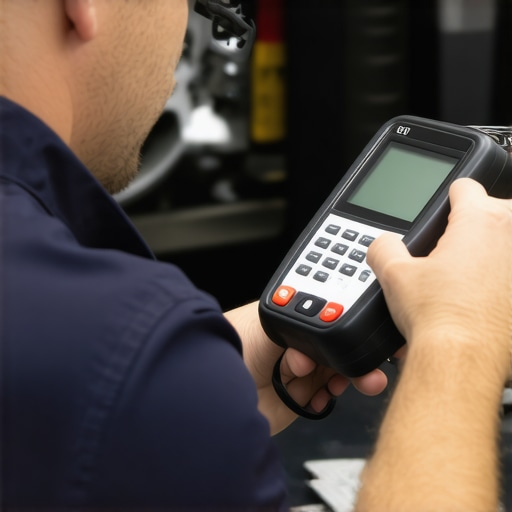
Another tool I highly recommend is a premium diagnostic scan tool capable of reading manufacturer-specific transmission codes. These devices go beyond generic OBD-II readers, providing detailed data on transmission parameter adjustments. Having this, I can run a comprehensive diagnostic myself, saving time and money, especially since many repairs can be avoided with early detection. Professional-grade scanners like the Autel MaxiSys or Snap-On Solus Ultra are my go-to choices for their depth of information and reliability.
How do I maintain transmission health over time?
Maintaining transmission health isn’t just about tools—it’s also about adopting a disciplined service routine. Regular transmission fluid changes, ideally every 30,000 to 60,000 miles depending on your vehicle, play a vital role. Use high-quality synthetic fluids recommended by your vehicle’s manufacturer, especially if your car is highly referenced for ASE-certified car service standards. Remember, synthetic oils resist breakdown better and can handle higher temperatures, which is especially beneficial for high-mileage vehicles or those used for towing. For more insights on oil quality, check out these tips.
Additionally, paying attention to symptoms like delayed shifting or slipping can save you from major repairs. When these signs appear, don’t delay—consult a professional who uses diagnostic tools to pinpoint issues quickly. As transmission issues often stem from minor causes such as worn seals or clogged filters, regular inspection of external components can prevent long-term damage.
Looking ahead, the future of transmission maintenance is poised to become more data-driven. With advancements in vehicle telematics and AI diagnostics, tools that can predict issues based on driving patterns will become the norm. Embracing such tech early will allow drivers to proactively manage their vehicle health, ultimately extending component lifespan and enhancing safety.
For those interested in staying ahead, I recommend trying a comprehensive transmission health check using a combination of a diagnostic scanner and temperature monitoring. These steps empower you with real-time data, making maintenance more precise. Remember, adopting a proactive stance and utilizing advanced tools can turn basic maintenance into a long-term investment in your vehicle’s performance.
Curious about the detailed diagnostics behind transmission issues? Read more about expert insights here and start incorporating these tools into your maintenance routine today.
The Hidden Gems I Discovered About Transmission Care That Changed My Approach
- One of the most eye-opening lessons was realizing that not all transmission issues are urgent; sometimes, small signs like minor slipping or delayed engagement are early warnings truly worth addressing before costly repairs.
- I learned to trust my diagnostic tools and combine them with my senses—listening for whining or feeling for unusual vibrations—this hands-on approach uncovered problems that routine checks missed.
- Engaging with specialized resources, such as expert articles and dedicated forums, helped me understand the subtleties of transmission health, emphasizing that consistent learning is key to proactive maintenance.
- My journey showed that investing in quality tools like a temperature monitor and advanced diagnostic scanners can prevent surprises, saving both time and money in the long run.
Tools and Resources That Gave Me Clarity and Confidence
- High-Quality Diagnostic Scan Tools: Devices like the Autel MaxiSys provide deep insights into transmission codes, enabling accurate troubleshooting and preventing misdiagnosis, which I personally vouch for.
- Infrared Thermometers: Measuring transmission cooler lines during different driving conditions helped me spot overheating issues early—an essential step often overlooked.
- Expert Literature and Blogs: Reading comprehensive guides and insights from trusted sources, such as the link here, kept me updated on best practices and emerging trends.
- Routine Inspection Checklists: Developing a standardized approach to inspecting fluid condition, looking for smell, viscosity, and debris, has been invaluable in maintaining transmission longevity.
Take Heart—Your Vehicle’s Future Is Bright
Embracing a proactive mindset about transmission maintenance, armed with the right tools and knowledge, transforms what can seem daunting into a manageable process. Every minor check and preventive step secures your driving experience and extends your vehicle’s lifespan. So, why not start today? Explore these resources, equip yourself, and enjoy the confidence that comes with well-maintained transmission health. Curious—what step will you take first to safeguard your transmission’s future? Share your plans below and join the community of informed drivers striving for smoother, safer rides.