Why Your Car Pulls to the Left During Hard Braking
It happened to me on a bitter winter evening. I was driving home after a long day at work, my nerves frayed, when suddenly, I felt my car lurching sharply to the left whenever I slammed the brakes. My heart raced—I thought I was about to lose control. That lightbulb moment made me realize something was seriously off, and I needed to get to the bottom of it before it turned into a real safety hazard.
Why Your Car Pulls to the Left During Hard Braking Is More Common Than You Think
Many drivers don’t notice this problem until it’s pointed out during a routine drive. But trust me, ignoring it can lead to uneven tire wear, compromised steering, and even brake failure over time. What I discovered early on was that a car pulling left isn’t just a minor annoyance—it’s often a sign that something in your braking system or suspension isn’t functioning properly.
One thing I overlooked at first was the importance of regular maintenance. I used to think that a quick oil change or ignoring that squealing sound wouldn’t hurt, but these small lapses can disguise bigger issues. According to the National Institute for Automotive Service Excellence (ASE), routine inspections can spot problems that might otherwise lead to dangerous driving conditions. It’s essential to recognize that your vehicle’s safety depends on preventive care.
Today, I’ll guide you through the common causes behind this frustrating issue, share mistakes I made early on, and help you avoid the pitfalls that could jeopardize your safety. If you’ve experienced a car pulling during braking, stick around because we’re about to sort out the root causes together—and get your car back to braking smoothly and safely.
Check and Replace Brake Components
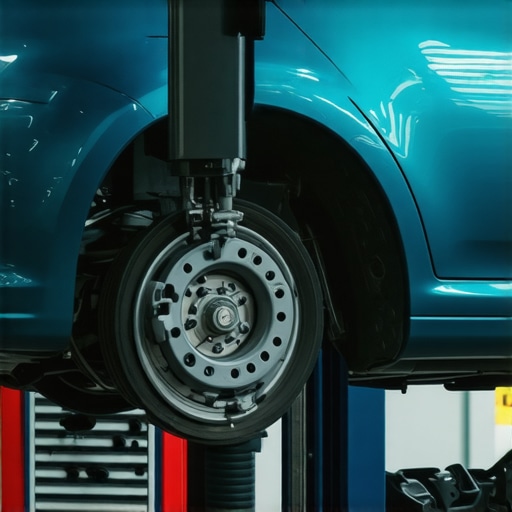
Start by inspecting your brake pads, rotors, and calipers. During my experience, I noticed uneven pad wear, which caused the vehicle to pull left. Using a jack, lift the car and remove the wheel to access these parts. Look for signs of uneven wear, cracks, or glazing. If the pads are uneven or the rotors are warped, replace them promptly. Consider an expert inspection to confirm if a brake service is needed—trust me, improper repairs can worsen the issue. Always opt for quality parts from reputable brands, and if you’re unsure, consult a certified mechanic. For detailed guidance on brake repairs, you might find this resource helpful: [here](https://autofixclinic.com/top-oil-change-tips-for-safe-driving-in-2025).
Assess Suspension and Wheel Alignment
Next, evaluate your suspension components, such as ball joints and tie rods, which can influence braking behavior. I once ignored suspension wear, which led to persistent pulling despite brake repairs. To do this, perform a visual check for excessive play or damage. If you notice uneven tire wear or a misaligned steering wheel, a wheel alignment might be necessary. Taking your car to a professional alignment service ensures precise results and longer tire life. This step is crucial because misalignment can cause uneven brake force distribution, making the car pull to one side again. Remember, regular alignment checks are essential, especially after bumps or accidents—more on that here: [choosing the right car service](https://autofixclinic.com/choosing-the-right-car-service-for-your-vehicles-needs).
Inspect and Maintain Hydraulic Systems
Hydraulic brake systems rely heavily on brake fluid to transmit force. I made a mistake by neglecting my brake fluid levels, which contributed to uneven braking. To check your brake fluid, locate the reservoir under the hood and examine the fluid level against the markings. If it’s low or contaminated, perform a flush and refill with the manufacturer-approved brake fluid—use a turkey baster or a special syringe to remove old fluid without making a mess. For a comprehensive understanding, see this guide: [how to check your transmission fluid without a dipstick](https://autofixclinic.com/how-to-check-your-transmission-fluid-without-a-dipstick). Keep in mind, contaminated fluid can cause inconsistent braking pressure, leading to pulling issues. A professional brake fluid service restores system integrity and safety.
Test and Confirm Repair Effectiveness
After completing repairs or replacements, always test your vehicle in a controlled environment. Gently apply brakes in a straight line and observe if the pull persists. I tested mine on an empty parking lot after fixing my brake calipers and was relieved to find my car brakes smoothly without pulling. If it still pulls, re-evaluate your work, or consider consulting an ASE-certified professional—these technicians have passed rigorous standards, as explained here: [what does an ASE certification mean?](https://autofixclinic.com/what-does-an-ase-certification-mean-for-your-cars-maintenance). Don’t rush this step; proper testing ensures your vehicle’s safety and yours. Remember, safety always comes first when dealing with brake repairs.Many car owners believe that as long as they follow basic maintenance routines, their vehicle will stay in perfect shape. However, amidst the sea of advice circulating online and in auto shops, several nuanced truths are often overlooked. Let’s dig deeper into some misconceptions that can cost you time, money, or even safety. One pervasive myth is that all oil changes are created equal. In reality, not all oils are suitable for every engine, and using too cheap or generic oil can lead to accelerated wear, especially in high-performance or turbocharged engines. The *benefit of understanding* oil viscosity ratings and additives becomes evident when considering long-term engine health. It’s worth consulting a professional or referencing top tips from [here](https://autofixclinic.com/top-oil-change-tips-for-safe-driving-in-2025). Another common mistake is assuming that ASE certification guarantees a technician’s expertise in every aspect of modern vehicles. While ASE certifies a technician’s knowledge, it doesn’t necessarily reflect ongoing training in emerging technologies like hybrid systems or advanced diagnostics. For example, an ASE-certified master mechanic might still lack specialized training in electric vehicle systems, which is critical nowadays. Make sure your technician’s skills match your vehicle’s needs by asking specific questions, as discussed [here](https://autofixclinic.com/what-does-an-ase-certification-mean-for-your-cars-maintenance). Regarding transmission repairs, many car owners don’t realize the difference between a simple fluid change and a full flush. A flush can dislodge deposits, but if done improperly, it may cause more harm than good—especially in older transmissions. There’s evidence suggesting that regular, correctly performed pan drops with fluid replacement often suffice for prolonging transmission life, as explained [here](https://autofixclinic.com/the-difference-between-a-transmission-flush-and-a-simple-pan-drop). This misunderstanding often leads to unnecessary or even damaging procedures. Now, consider the advanced question: How does the wear pattern on internal engine components influence maintenance decisions? While many focus on external indicators, subtle internal wear—such as piston ring scuffing or camshaft lobe pitting—can be telltale signs of neglect or manufacturing flaws. Recognizing these nuances requires experience and sometimes specialized diagnostics. An insightful study highlights that early internal wear can predict future failures, emphasizing the importance of regular, detailed inspections by knowledgeable technicians. To ensure you’re not falling into these traps, connect with a qualified mechanic at [here](https://autofixclinic.com/contact-us). Have you ever fallen into this trap? Let me know in the comments.Maintaining your vehicle’s performance over the years requires more than routine oil changes; it demands the right tools, precise methods, and a clear understanding of what keeps your car running smoothly. One must invest in quality diagnostic equipment to identify potential issues before they become costly repairs. For example, a professional-grade code scanner like the Autel Maxisys or the Snap-on MODIS can help you access engine control modules, read error codes, and monitor sensor data in real-time, enabling proactive maintenance. I personally rely on these tools because they allow me to catch problems early, saving time and money down the line. Additionally, investing in a good set of mechanic’s hand tools—such as ratchets, wrenches, and specialty sockets—ensures that DIY repairs are efficient and safe. When working on sensitive components like transmission or brakes, using high-quality lubricants from reputable brands is essential to prolong their lifespan. Switching to synthetic oils, especially in turbocharged or high-mileage engines, can significantly reduce wear and improve fuel economy, aligning with expert recommendations found [here](https://autofixclinic.com/why-regular-oil-changes-extend-your-cars-lifespan). Diagnostic software should be updated regularly to stay compatible with your vehicle’s latest firmware, which enhances accuracy during inspections. Looking ahead, I predict that telematics and smart car diagnostics will become even more integrated into routine maintenance routines, allowing real-time alerts for impending issues. How do I maintain my car’s transmission over time? The key is scheduled fluid changes—like the recommended transmission fluid flush—performed with specifically designed tools that prevent contamination. Using professional-grade equipment like a transmission cooler flush machine can remove stubborn deposits that simple drain-and-fill methods miss, extending transmission life significantly. I also regularly check for signs of slipping or shuddering, which indicate that my transmission may need attention before failure occurs. To stay ahead of potential problems, I make a habit of checking fluid levels and quality once every 30,000 miles, ensuring smooth shifting and avoiding costly repairs. Remember, the right tools and proactive approaches make all the difference in preserving your vehicle’s performance. Don’t hesitate to reach out to a certified professional—perhaps at this contact page—to get personalized insights on maintaining your specific make and model.
Lessons Only Experienced Car Owners Discover
One of the most valuable lessons I learned was that not all vehicle issues are immediately obvious. For instance, a slight vibration or strange smell during a routine drive could indicate underlying problems with your transmission or brake system. Recognizing these subtle signs early can save you from costly repairs and keep you safe on the road.
Another insight I gained is the importance of trusting certified professionals. An ASE certification doesn’t just look good on a shop door; it reflects a technician’s commitment to ongoing training and expertise in modern automotive tech. When my mechanic checked my cabin filter during a transmission service, it was a reminder that comprehensive maintenance extends beyond just fixing symptoms.
Additionally, I realized that DIY fixes are tempting but often insufficient for complex issues like wheel alignment or hydraulic system repairs. Investing in the right tools and knowledge, like precise diagnostic software, makes a significant difference in the longevity of your car’s transmission and overall performance.
Finally, understanding the specifics of recommended service intervals—such as fluid flushes or oil changes—can prevent premature wear. Regularly scheduled maintenance, tailored to your vehicle’s age and usage, is the cornerstone of reliable transportation and safety.