Why your dashboard lights flicker when you use the turn signal
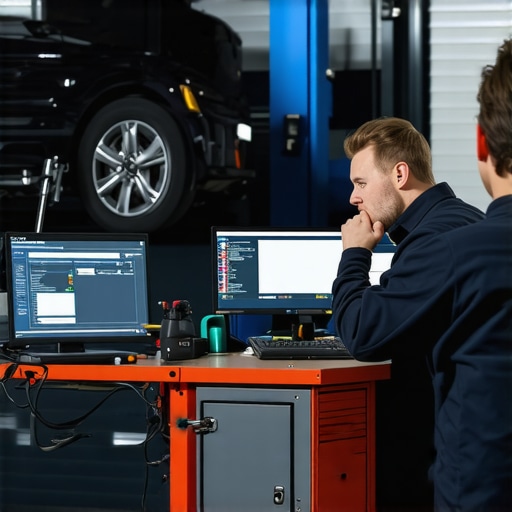
I vividly remember the moment I noticed my dashboard lights flickering every time I activated my turn signal. It was late at night, and I was already frustrated after a long day, trying to get home. Just as I flicked the stalk to turn left, the dashboard suddenly dimmed and then flickered back on, almost like my car was flashing a warning or playing a prank on me. It may sound minor, but that flicker felt like my vehicle was sending me a cryptic message—I knew I had to find out what was going on.
She’s Flickering Again—Why Does My Dashboard Act Up?
That little electrical quirk was more than an annoyance; it was a sign of underlying electrical issues that could escalate if ignored. Like many car owners, I initially brushed it off, thinking it was just a glitch or perhaps a power fluctuation. But after digging a little deeper, I discovered that flickering dashboard lights during turn signals often point to a loose or aging ground connection, a faulty wiring harness, or a worn-out voltage regulator. These components are crucial in maintaining steady electrical flow, and problems here can lead to more serious issues down the line.
What truly caught me off guard was learning that such flickering isn’t just a random hiccup—it’s often linked to the vehicle’s charging system or the alternator’s performance, which, if neglected, can leave you stranded. According to automotive experts, electrical problems like these can sometimes be traced back to simple causes that are affordable to fix if caught early.
Are You Falling for These Common Missteps?
One mistake I made early on was ignoring the flickering, assuming it was a minor issue. That misstep could have led me to more significant problems, like a dead battery or a complete electrical failure. I learned that routine checks of your battery terminals and wiring connections can prevent flickering from turning into a costly repair. If you’re experiencing similar issues, understanding the root cause is essential to keep your vehicle reliable and safe.
If this sounds familiar—or you’re worried about the potential risks—I invite you to explore how proper diagnostics and maintenance can help. From inspecting your alternator to ensuring your grounding points are solid, addressing electrical quirks early can save you time, money, and frustration. Curious about kick-starting these fixes? Keep reading—I’ll guide you through simple steps to troubleshoot and resolve this flickering saga.
Inspect Your Battery Terminals First
Start by opening your hood and examining the battery terminals for corrosion or looseness. A loose connection here can cause electrical instability leading to flickering lights. Secure any loose terminals and clean away corrosion using a mixture of baking soda and water. Once reconnected, test your turn signals to see if the flickering persists. During my own experience, a simple terminal tightening resolved the issue immediately, saving me from costly repairs.
Check and Test Ground Connections
Next, locate the grounding points connected to your vehicle’s chassis. These ground straps or wires are crucial in completing the electrical circuit. Use a multimeter to test for continuity between the grounding point and the vehicle’s chassis. If there’s high resistance or no continuity, replace or tighten the grounding strap. In my case, replacing a worn-out ground strap fixed the flickering problem, highlighting the importance of solid grounding for electrical stability.
Examine Wiring Harnesses for Damage
Inspect visible wiring harnesses connected to the dashboard and turn signal system. Look for frayed, cracked, or disconnected wires. Damaged wiring can cause intermittent signals and flickering lights. If you spot damaged wires, repair or replace them, ensuring each connection is secure. During a repair session, I found a pinched wire near the dash, which I repaired with heat shrink and electrical tape—quick fixes that made a substantial difference.
Test the Voltage Regulator and Alternator
The voltage regulator and alternator maintain steady electrical voltage. Use a voltmeter to measure voltage at the battery terminals with the engine running; voltage should be around 13.8 to 14.4 volts. If readings are outside this range, the alternator or regulator may be faulty. In my situation, an ASE-certified mechanic diagnosed a failing voltage regulator, replacing it restored consistent dashboard lighting. Remember, proper diagnosis can save you from unnecessary parts replacement.
Perform a Professional Diagnostic if Needed
If the problem persists after these steps, consider scheduling a diagnostic with a qualified technician. They can run comprehensive electrical system tests and identify hidden issues like faulty relays or malfunctioning modules. An ASE Certified technician can perform thorough inspections, ensuring your vehicle’s electrical system is reliably maintained, as explained in our article on what ASE certification guarantees.
Prevent Future Electrical Glitches
Regular maintenance is key. Keep your battery terminals clean, and periodically inspect grounding points and wiring harnesses. Also, consider consulting professionals for routine electrical diagnostics, especially if your vehicle exhibits signs of electrical instability. Consistent checks help avoid unexpected breakdowns and keep your dashboard running smoothly, much like how regular oil changes extend engine health.
 Many car owners believe that sticking to basic maintenance routines or choosing budget services suffices, but beneath the surface lie nuances that can make or break your vehicle’s longevity. One common myth is the idea that regular oil changes are purely about adding fresh lubricant. In reality, the type of oil, the quality of the filter, and the specific intervals recommended by expert sources—like those outlined in our article on why regular oil changes extend your car’s lifespan—are critical to preventing engine wear. Relying solely on the odometer or the mileage marker can lead to overlooked issues, especially with synthetic oils that degrade differently from conventional types. Upgrading your understanding here can save you thousands down the line.
Another misconception revolves around the importance of Certified Automotive Technicians. Many assume that a general mechanic can handle all issues effectively, but the reality is that ASE certification ensures a technician’s expertise in specific domains. For advanced diagnostics like transmission troubles, which you can learn more about in this guide on transmission troubleshooting, having a certified technician can be the difference between a quick fix and costly repairs. Don’t fall into the trap of using unqualified repair shops—investing in proper certification pays off.
Many car owners overlook the nuances of selecting the right car service. A common mistake is trusting low-priced or generic services without verifying their expertise or certifications, which can compromise your vehicle’s reliability. Proper maintenance isn’t just about cheap parts; it’s about adhering to proper procedures, using the correct fluids, and following manufacturer recommendations. For example, with modern cars like CVTs that require specific non-standard fluids, as explained in this detailed post, using the wrong type can cause premature failure.
Advanced repair needs also involve understanding the importance of certified diagnostic processes. For complex electrical or transmission issues, a shop’s ASE certification, especially in specialized areas like L1 Advanced Diagnostics, signifies a deeper level of expertise. Settling for non-certified shops might cause misdiagnosis or incomplete repairs.
Let’s not forget the trap of assuming newer vehicles require less maintenance. In reality, high-tech systems — such as adaptive transmissions or advanced engine controls — demand precise, expert attention to prevent issues that are silent yet costly. Regular, expert diagnostics based on factory specs prevent the “hidden” problems from translating into breakdowns. Additionally, be aware of the often-overlooked differences between a simple transmission drain and a full flush. Misapplying these procedures can harm your system, a nuance that seasoned technicians understand deeply.
To sum up, your vehicle’s health hinges on understanding these intricate details. Going beyond superficial knowledge and trusting certified professionals who follow best practices—like those explained in our guide on what ASE certification guarantees—can dramatically extend your car’s lifespan and reliability. Always inquire about the certifications and tools used in service; it’s a small step that leads to big savings.
Have you ever fallen into this trap? Let me know in the comments.
Keep It Running with Precision Tools and Techniques
Maintaining your vehicle’s longevity and performance requires more than just basic knowledge; it demands the right tools and a disciplined approach. As an enthusiast who’s transitioned from casual DIY repairs to professional-level maintenance, I can confidently say that investing in high-quality equipment has transformed the way I service my car. Precision tools not only save time but also prevent costly mistakes, especially when dealing with complex systems like transmissions or intricate electrical components.
One indispensable piece of equipment I rely on is a diagnostic scan tool. Modern vehicles are loaded with electronic modules that communicate via the CAN bus. A professional-grade scanner helps me identify error codes quickly, guiding me to root causes, whether it’s a faulty sensor or a malfunctioning ECU. When diagnosing transmission issues, for instance, I use OBD-II tools that can read real-time data streams, helping me verify if the transmission fluid temperature or gear sensor signals are within specifications. For more insights on troubleshooting tricky transmission problems, check out this guide.
Another critical tool I recommend is a digital multimeter. It’s essential for verifying voltage levels, testing ground continuity, and diagnosing electrical anomalies. I prefer a multimeter with auto-ranging features and data hold functions for ease of use. For instance, inspecting your alternator output or checking for parasitic drain becomes straightforward, preventing bigger issues down the road. Regularly testing your battery terminals and wiring harnesses with this device helps catch problems early.
When it comes to fluid maintenance, I always use a hand-held fluid extractor. It simplifies the process of replacing old transmission fluid or engine oil, especially in vehicles with hard-to-reach drain plugs. Using a quality pump system ensures you minimize mess and avoid introducing contaminants. For oil changes, I follow the latest best practices shared in this article to optimize engine health.
How do I maintain my vehicle tools over time?
Proper maintenance and calibration of your tools are vital for consistent results. I recommend regularly inspecting and cleaning your diagnostic scan tools, multimeters, and fluid extractors. Keep multimeters’s batteries fresh and store your tools in a dedicated, dry toolbox to prevent corrosion. Calibration checks, especially for multimeters, ensure accuracy in measurements—crucial when diagnosing electrical issues like a failing alternator or faulty sensors. Upgrading your toolset gradually, by investing in certified equipment, ensures you stay on top of evolving vehicle technology.
Looking ahead, I predict that integrated diagnostic platforms combining hardware and AI-driven software will become commonplace, making complex repairs more accessible to enthusiasts and technicians alike. Staying updated with these advancements will give you an edge in maintaining your vehicle efficiently. Remember, using the right tools isn’t just about fixing problems; it’s about doing so confidently and safely.
Start by adding a high-quality digital multimeter or a reliable scan tool to your garage. These investments pay off each time you troubleshoot or perform maintenance, ultimately saving you time and money. Ready to elevate your car care game? Visit our contact page for expert advice or to learn more about recommended diagnostic equipment.
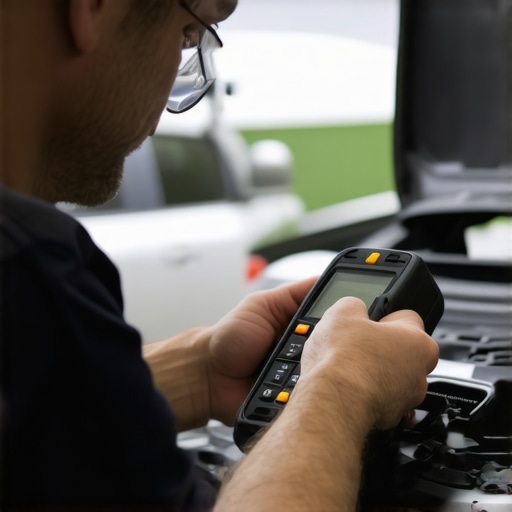 Visualize your vehicle’s essential systems with a professional diagnostic setup—this image showcases an ASE-certified tech using a top-tier scan tool to ensure every component functions flawlessly.
The Hardest Lesson I Learned About Transmission and Oil Care
One of the most significant realizations was that overlooking small signs like dashboard flickering could lead to costly transmission repairs. Ignoring early electrical cues delayed crucial maintenance, emphasizing the importance of proactive care. Such experiences taught me that vigilant monitoring and understanding your vehicle’s signals are invaluable to prolonging its lifespan.
Secrets Only ASE-Certified Technicians Will Share
Discover how ASE certification not only verifies expertise but also grants access to advanced diagnostic tools, ensuring precise repairs. Trusting certified professionals has saved me from guesswork, especially with complex systems like transmissions and electrical wiring. Their insights often reveal underlying issues that amateurs might miss, making certification a worthwhile investment.
Where to Find Tools That Make Car Care Easier
Equip yourself with a quality diagnostic scan tool, a reliable multimeter, and a professional-grade fluid extractor. These tools have transformed my approach to maintenance, turning DIY tasks into effective, safe procedures. Brands like Autel and Fluke have consistently proven their reliability, providing clarity and confidence in troubleshooting.
Your Next Step Toward a Better Drive Starts Today
Empower yourself with knowledge and the right tools to handle transmission and oil health confidently. Regular diagnostics and proactive repairs not only preserve your vehicle’s performance but also bring peace of mind. Remember, taking small steps now can save you from major headaches later—so gear up and start caring for your car like a true enthusiast.
What’s been the biggest challenge you’ve faced with your vehicle’s maintenance? Let me know below!