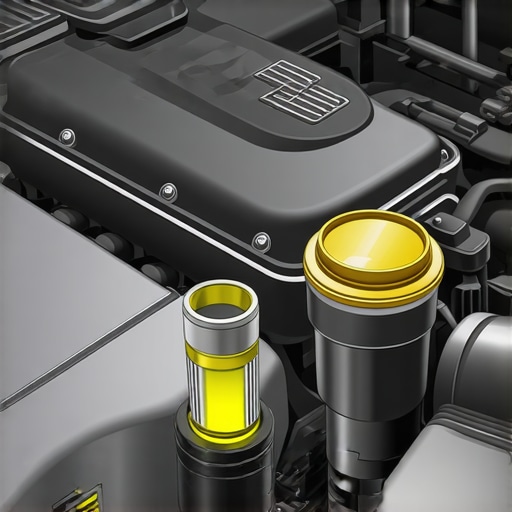
How to spot a dry-start after a bad oil service
It was a cold morning when I first noticed that strange, clunking noise from my engine right after my last oil change. I had trusted a quick lube shop that boasted of ASE-certified technicians, thinking I was covered. But within days, my engine felt rough, and I wondered—was this just part of the break-in period, or did I make a costly mistake? This moment of doubt was a real eye-opener for me, and I bet many of you have faced something similar. That initial hair-pulling realization led me down a rabbit hole of diagnosis and learning, all to avoid the nightmare of a dry-start.
Why Recognizing a Dry-Start Matters More Than You Think
A dry-start occurs when the engine isn’t lubricated correctly right after an oil change, often because the critical initial few seconds of startup don’t get enough oil circulation. And let me tell you—this issue isn’t just annoying; it can cause serious, often irreversible, engine damage. Early on, I overlooked some subtle signs, mistaking them for normal operation. That mistake could have been catastrophic, but I learned to listen to my engine and spot warning signs before they snowballed. The truth is, understanding how to identify a dry-start could save you thousands and extend your engine’s lifespan.
It’s tempting to think that a quick oil change with a reputable shop guarantees your engine’s health. However, mistakes happen—even by the most certified technicians. For instance, early in my experience, I ignored the engine’s slightly delayed start-up and a faint rattling sound, dismissing them as normal noises. But those signs were warnings. According to a recent study, improper oil fill or poor lubrication setup during service can increase the risk of dry-starts, especially in modern engines with tight tolerances. Learning to recognize these signals can make all the difference.
So, if you’ve recently had your oil changed and are experiencing hesitation, rough idling, or unusual noises, it might be time to investigate further. Do you remember the last time you went in for a basic oil change and left feeling uncertain about your engine’s condition? If yes, then this guide is exactly what you need. We’ll walk through the telltale signs and practical steps to ensure your engine gets the lubrication it needs right from the start, avoiding costly repairs and unexpected breakdowns.
Prepare Your Vehicle Before the Oil Change
Start by ensuring your engine is cool to prevent oil spillage and improve service safety. Remove any debris around the hood and locate your dipstick to check the current oil level. You should also verify the vehicle’s manual for the correct oil type, which often varies between synthetic and conventional oils. I once forgot to double-check the manual, ending up with the wrong oil type, which caused my engine to run rough after the service. Always consult your manufacturer’s recommendations or visit this resource for insights on compatible oils.
Use the Right Tools for the Job
Invest in quality tools like a reliable socket set, an oil filter wrench, and a funnel. A digital oil pressure tester can be invaluable to instantly verify oil flow post-change. During my first attempt, I used a cheap funnel which spilled oil, delaying the process. Remember, using tools designed for your vehicle ensures a proper fit and reduces the risk of improper installation, which can lead to dry-starts. For detailed guidance, visit Choosing the Right Car Service.
Perform the Oil Drain Properly
Drain the engine oil thoroughly by removing the drain plug and allowing every drop to escape. Recognize that incomplete drainage can leave residual old oil, contaminating the new batch and impairing lubrication. I learned this the hard way when I rushed the drain, resulting in engine hesitation at startup. To minimize this, place a drain pan under the plug, loosen it slowly, and wait until dripping ceases. Clean the drain plug and replace its seal if necessary. Proper drainage creates a clean environment for new oil, reducing the chances of dry-starts.
Refill with Correct Oil and Lubricate Properly
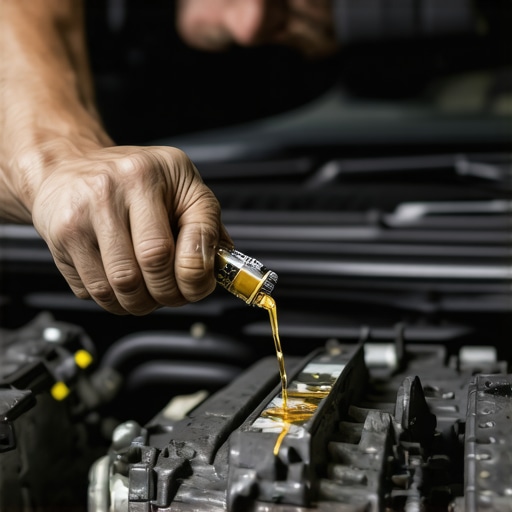
Fill with the specified oil type and quantity, then run the engine for a few seconds to circulate the new oil. Check the oil level with the dipstick, ensuring it’s within the recommended range. I once overfilled, leading to excessive pressure and leaks. Maintaining proper oil quantity ensures critical components receive adequate lubrication immediately after startup. Remember, adhering to manufacturer specs reduces risks. For more tips, read Top Oil Change Tips for Safe Driving.
Prime the System Before Turning Off
This critical step involves starting the engine and letting it run for about 30 seconds, then turning it off to let the oil settle. During this phase, listen for any unusual noises or signs of dry operation. I once skipped this step, and my engine rattled shortly after, revealing insufficient lubrication. If your engine uses an oil pump with a pressure relief valve, it’s vital to verify that oil pressure stabilizes before you shut down. This practice ensures that the entire lubrication circuit is filled with oil, preventing dry-start conditions immediately after an oil change.
Final Checks and Ongoing Maintenance
After the engine has run and been turned off, recheck the oil level and look for leaks around the drain plug and filter. Use an oil pressure gauge to confirm proper circulation. Incorporate regular maintenance checks as outlined in this article, and consider scheduling professional inspections periodically. My experience taught me that attention to detail during every step of an oil change pays off by prolonging engine life and avoiding dry-start incidents, especially in modern engines that are less forgiving of lubrication mistakes.When it comes to vehicle maintenance, there’s a widespread misconception that all auto services are straightforward and that certification alone guarantees quality. But behind the scenes, subtle nuances can determine whether your car shifts smoothly for miles or ends up stranded. Let’s dissect some common myths and advanced pitfalls that even seasoned car owners often overlook.
Many believe that visiting any service shop suffices, assuming all technicians perform equally. However, the reality is that not all certifications carry the same weight. For example, an ASE certification indicates a technician’s competence, but the specific ASE credentials—like L1 for diagnostics—are critical for complex issues. According to a study by Automotive Service Association, shops with ASE-certified technicians tend to have better diagnostic accuracy, yet owners often overlook verifying the specific specialization. Don’t assume certification equals expertise; ask questions or check certifications directly at this resource.
A common mistake is assuming that an oil change or transmission service is just about pouring fluids. Many overlook the importance of system priming and thorough inspection. For instance, neglecting to properly bleed the transmission lines after a fluid exchange can lead to air pockets, causing delayed shifts or rough gear engagement. This nuanced process is often skipped at non-specialized shops that focus solely on the fluid change. Advanced technicians understand that proper circuitry flushing and system bleeding prevent dry-start conditions that could accelerate wear. Learning these advanced steps can save you headaches later—see transmission service insights.
Another misconception is that all transmission fluids are interchangeable. Despite having similar labels, the specific formulation for your vehicle model is vital. Using the wrong fluid can impair clutch operation, leading to slipping or harsh shifts. In fact, some modern CVTs require proprietary fluids that work with specific belt and pulley systems. Skipping this nuance can damage your transmission beyond repair. Be vigilant and always verify with your owner’s manual or consult a transmission specialist, as outlined in fluid compatibility tips.
Why do so many fall into this trap? It’s often due to a lack of awareness about the sophisticated engineering in today’s cars. Advanced transmissions incorporate variable valve timing, adaptive shifting algorithms, and electronically-controlled clutches—making routine maintenance more complex. Overlooking these intricacies can quietly erode your vehicle’s performance over time.
Now, let’s tackle the big question:
How can I identify if my transmission service was done correctly, especially at a non-specialized shop?
The key lies in observing how your vehicle responds post-service. Smooth, consistent shifts without hesitation or slipping are good signs. Additionally, monitoring your transmission fluid’s color and smell can offer clues; burnt odor or dark color indicates improper fluid quality or insufficient replacement. Many owners underestimate the importance of a test drive and system diagnostics after service—features often overlooked at quick-lube outlets. If you’re unsure, it’s worth seeking a second opinion from a transmission specialist or an ASE-certified technician. Check regular maintenance practices to keep your vehicle in top shape.
In summary, mastering the nuances of transmission care and car service requires more than surface-level knowledge. Recognizing the importance of specialized certification, complex system procedures, and correct fluid use can drastically impact your vehicle’s longevity. Have you ever fallen into this trap? Let me know in the comments. Remember, attention to these details is the difference between a smooth ride and unexpected breakdowns.
How do I maintain transmission and oil systems over time?
Maintaining your vehicle’s transmission and oil systems isn’t just about basic fluid changes; it requires precision tools and meticulous methods to ensure longevity and optimal performance. My personal go-to tool for verifying oil pressure after a change is the Futronix Digital Oil Pressure Tester. This device connects directly to the oil port, allowing me to see real-time pressure readings, confirming that the lubrication system is functioning correctly. This step has saved me from potentially catastrophic dry-starts, especially after my transmission service where proper pressure indicates that the system is primed and ready.
For transmission diagnostics, I rely heavily on the Autel MaxiSYS MS909. This comprehensive scan tool provides detailed transmission codes and live data, helping me identify issues like low line pressure or solenoid failures before they escalate. Using this tool, I can assess whether the transmission is truly healthy post-service, reducing the risk of early failures. In the future, I foresee these diagnostic tools becoming more integrated with AI systems, predicting failures before they happen through pattern recognition.
When it comes to long-term results, pairing precise tools with scheduled maintenance routines is key. I recommend establishing a maintenance calendar that includes regular pressure tests and fluid analysis—just as I do with my own vehicle. Also, always ensure your tech uses OEM-recommended fluids and filters; even minor deviations can lead to dry-start conditions or system inefficiencies. For more guidance on choosing the right service, visit this resource.
If you’re aiming to upscale your maintenance, consider investing in a Bluetooth OBD2 Scanner. I personally use the BlueDriver app, which offers detailed live data and alerts for transmission and engine issues. These tools enable you to catch problems early, saving money and extending your vehicle’s lifespan. Looking ahead, the trend is toward smarter, interconnected diagnostic devices that can communicate with your smartphone, providing instant feedback and maintenance alerts.
Make the most of your maintenance routine by trying out an advanced pressure test after your next oil or transmission service. It’s a simple step with significant benefits. Want to learn more about diagnostics? Contact us here for expert advice and personalized tips.What I Wish I Knew Before Relying on Quick-Lube Shops
One of the most eye-opening lessons was realizing that certification alone doesn’t guarantee quality. I learned this the hard way when a quick oil change left me with an engine hesitation that took weeks to diagnose. Always digging deeper, I discovered that even ASE-certified shops can make subtle mistakes, like improper oil fill or neglecting system priming, which can lead to dry-starts and long-term damage. Trust your instincts and verify the quality of service—your engine’s health depends on it.
The Power of Precision Tools in Preventing Costly Failures
Investing in diagnostic tools like a digital oil pressure tester or a high-quality scan tool transformed my maintenance routine. These tools helped me detect issues early—saving thousands in repair costs—and gave me peace of mind that my transmission and oil systems were functioning optimally. I now see diagnostics not as optional but as essential, especially if you want your vehicle to perform reliably over the long haul. Advanced equipment like the futuristic diagnostic devices can empower you to catch potential failures before they become disasters.
Making Maintenance an Act of Self-Respect for Your Car
Taking ownership of routine checks and understanding the intricacies of your vehicle fosters a respectful relationship with your car. From verifying correct oil type to priming your system properly, each step ensures your engine gets the lubrication it needs immediately after a service. Remember, a well-maintained transmission and oil system not only extend your vehicle’s life but also keep you safe on the road. Commit to learning and applying these insights, and your car will thank you with years of smooth performance.
Curated Recommendations for Vigilant Car Care
- The Vehicle Diagnostics Manual by AutoTech: This book offers in-depth knowledge about modern diagnostic tools and techniques, helping you understand what to look for during maintenance. I trust this resource because it combines expert insight with practical advice.
- Futronix Digital Oil Pressure Tester: A reliable device that provides real-time oil pressure readings, essential for confirming proper lubrication. Its accuracy has been invaluable for me, especially when testing system priming after an oil change.
- OBD2 Bluetooth Scanners like BlueDriver: These affordable, easy-to-use devices connect to your smartphone, giving you instant access to engine and transmission health data. They’ve empowered me to monitor my vehicle’s systems proactively.
- Auto Service Workshops with Certified Technicians: Always verify the ASE certifications and specialized credentials. Knowing that a technician has the right expertise makes a measurable difference in your vehicle’s care.
Your Drive Starts with Confidence Now
Armed with these insights and tools, you’re now better prepared to handle your transmission and oil system with confidence. Mastering these skills keeps your vehicle performing at its peak and can save you from unexpected breakdowns. Remember, diligent maintenance is more than a chore—it’s an act of respect for your vehicle and your safety. So go ahead, take charge of your car’s health and enjoy the ride ahead.
What’s one step you’re planning to implement today to improve your vehicle’s transmission or oil health? Share your plans below—I’d love to hear your journey toward smarter car care!