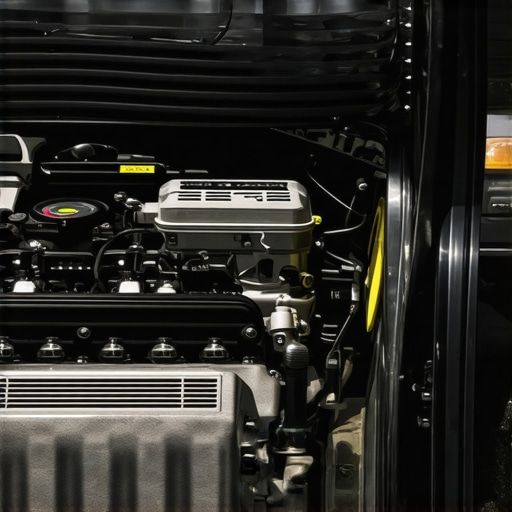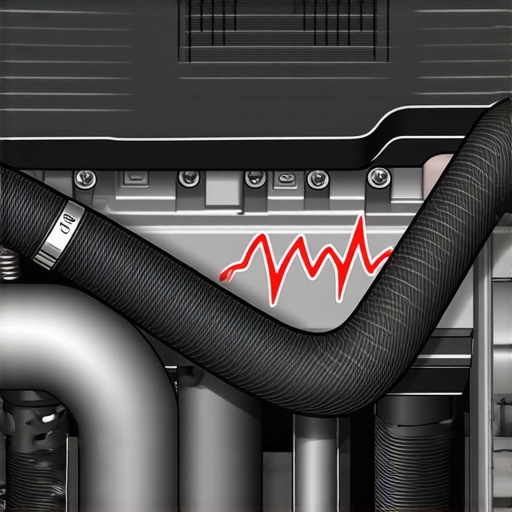
That faint whistling sound under your hood is a vacuum leak
It happened during a cold morning, as I turned the key and heard that unexpected, high-pitched whimper echoing from under the hood. At first, I brushed it off—probably just some loose hose or drafty air. But as days went on, that faint whistle became more persistent, almost like my engine was trying to tell me something. Believe me, I’ve been there—trust me, you’re not imagining it. That sound might seem minor, but it’s often a sign of a vacuum leak, a sneaky malfunction that can lead to bigger issues if left unaddressed.
The First Breakthrough in My Car Troubles
Early on, I made the classic mistake of ignoring the whistle, thinking it was just a minor inconvenience. Turns out, that was a costly move. What I didn’t realize then is how a vacuum leak can influence engine performance, fuel efficiency, and even emissions. When I finally took the time to diagnose it myself, I discovered that pinpointing the leak wasn’t as complicated as I thought—if you know what to listen for and where to look. That’s exactly what I want to share with you today: how to identify, understand, and fix that faint whistle before it turns into something more serious.
Will this problem really affect my car’s longevity?
I remember rushing to the nearest mechanic because I worried that ignoring this sound might damage my engine. Spoiler alert: I was right to be cautious. A vacuum leak can cause stalling, rough idling, and poor acceleration. More importantly, it can make your engine run lean—meaning it’s not getting enough air—and that can result in increased wear and tear, or even damage to your internal components. I learned this the hard way after some costly repairs. Early detection not only saves money but also keeps your vehicle running reliably. If you want to avoid the pitfalls I faced, stay tuned for practical advice on how to tackle it yourself. And if you find that your service needs a professional touch, don’t hesitate to [contact a trusted ASE-certified technician](https://autofixclinic.com/contact-us).
Now, let’s dig into how you can spot that telltale whistle and get to the root of the problem—quick, easy, and without breaking the bank.
Locate the Source with Sensor Listening
Start your diagnosis with a simple but effective method: use a mechanic’s stethoscope or a length of rubber hose as a makeshift stethoscope. With the engine running, carefully listen around the intake manifold, vacuum hoses, and intake boots for a hissing sound. I once used a rubber tube to trace the leak under the hood of my sedan, which pinpointed a small cracked vacuum hose that was causing the whistling. Replacing that hose immediately restored smooth engine operation.
Visual Inspection for Cracks and Disconnections
Switch off the engine and look for obvious signs of damage—cracks, disconnected hoses, or loose fittings. Pay special attention to aged rubber components that can dry out and crack over time. During my first DIY attempt, I found a disconnected vacuum line near the intake manifold, which was a quick fix. Ensure all connections are tight and hoses are free of damage before proceeding.
Use Soapy Water to Detect Leaks
If you haven’t located the leak yet, spray a mixture of soap and water along suspect hoses and fittings. Watch for bubbling, which indicates escaping air. I did this on an older vehicle, spraying along the intake manifold and hoses. The bubbling revealed a tiny crack in a vacuum hose that was otherwise hidden from sight. This method is safe, inexpensive, and effective for pinpointing elusive leaks.
Listen for Changes in Engine Response
After spraying soapy water or tightening fittings, start the engine again. An improvement—such as a smoother idle—signifies you’ve found the source. Conversely, if the whistling persists, continue inspecting other hoses or engine components. I learned this firsthand when adjusting a loose hose clamp, which immediately eliminated the whistle and improved engine performance.
Check the Engine Control Unit (ECU) Codes
If you have access to an OBD-II scanner, connect it and check for codes related to vacuum leaks or lean conditions. Modern scanners can alert you to issues that are not visually apparent. I once used an OBD-II scanner to confirm a suspected leak, which helped me target my repair accurately and save time.
Replace Damaged Components
Once you’ve identified the faulty part—be it a cracked hose or a worn gasket—replace it with OEM-quality parts. Make sure to verify compatibility and quality to prevent recurring issues. After replacing a damaged intake gasket, I made a point to use high-quality replacements, avoiding cheap parts that often fail prematurely.
Prevent Future Vacuum Leaks with Regular Checks
Routine visual inspections during oil changes or other maintenance help catch small issues before they escalate. Also, consider replacing aging hoses proactively, especially if your vehicle is over 100,000 miles. Regular checks reduce the risk of engine performance problems and save money in the long run, as emphasized in regular oil change tips.
When it comes to vehicle care, many drivers rely on common beliefs that, surprisingly, can lead them astray. A prevalent misconception is that simply changing your oil regularly suffices for optimal engine health. While routine oil changes are crucial, the type of oil you choose and the timing of filter replacements often get overlooked. For example, many assume that synthetic oil automatically lasts longer without considering your driving habits or manufacturer recommendations. According to automotive expert Mark Phillips, neglecting to follow a manufacturer-specific oil change interval can accelerate engine wear, even when using high-quality synthetic oil. To truly maximize your engine’s lifespan, it’s essential to understand the nuances and adapt maintenance schedules accordingly.
Another area riddled with myths is transmission care. There’s a widespread belief that transmission fluid doesn’t require changing unless there’s an evident problem. In reality, Transmission fluid degrades over time, losing its lubricating and cooling efficiency, which can cause costly repairs down the line. Experts from auto repair emphasize that regular transmission service, including fluid replacement, is vital even if your vehicle seems to shift smoothly. Overlooking this can lead to transmission failures that might have been preventable with proactive maintenance.
Now, let’s address some advanced misconceptions that trip up even seasoned car owners. One common mistake involves the scope of ASE certification. Many think that an ASE-certified technician guarantees perfect repairs, but in practice, it indicates a technician’s competence in specific areas of auto repair, not an infallible guarantee of quality. As explained in this article, verifying a technician’s specialization and experience relevant to your vehicle’s needs is equally important.
Furthermore, the idea that all car services are interchangeable is another dangerous misconception. Skipping regular professional maintenance or opting for the cheapest service can result in overlooked issues or subpar repairs. Routine vehicle inspections and service by certified technicians help identify problems early—saving money and preventing breakdowns.
Are you aware of the hidden pitfalls that can sabotage your vehicle’s longevity? From choosing the right type of oil to understanding the scope of ASE certifications, proper knowledge can make a significant difference. Don’t fall into these common traps. Want expert help to tailor your car maintenance plan? Contact us today and ensure your vehicle gets the care it deserves. Have you ever fallen into this trap? Let me know in the comments.Maintaining your vehicle over its lifespan requires more than just basic knowledge; it demands precision tools, reliable software, and a systematic approach to ensure longevity. One of my go-to tools is the automotive code scanner, like the Autel MaxiCOM, which provides comprehensive diagnostics beyond the standard OBD-II interface. I personally use this device because it allows me to pinpoint issues like transmission faults or sensor malfunctions quickly, saving me both time and money. In addition, a quality digital multimeter, such as the Fluke 87V, is invaluable for electrical troubleshooting, especially when verifying sensor signals or checking circuit continuity. Regularly updating your vehicle’s repair manual app, such as Mitchell 1, ensures you have access to the latest service procedures and technical service bulletins, which is crucial for complex repairs like transmission rebuilds or high-mileage oil system refreshes. Looking ahead, I predict an increasing integration of AI-driven diagnostic software that will predict failures before they manifest, optimizing maintenance scheduling. How do I maintain transmission health over time? I recommend scheduling proactive fluid analysis using specialized testing kits, especially for vehicles with high mileage. Testing transmission fluid for contamination or wear patterns, like metal shavings, helps catch issues early—preventing costly repairs and ensuring smooth shifting. For instance, inspecting contamination levels regularly can alert you to internal wear that isn’t yet apparent through driving behavior. As detailed in automotive expert insights, such regular monitoring extends the life of your transmission and maintains optimal performance. Remember, utilizing certified tools and methods not only preserves your car’s value but also guarantees safety and reliability on the road. Try incorporating a professional-grade diagnostic scan into your routine; it might just reveal hidden issues before they escalate. For expert assistance or personalized advice, reach out to us and keep your vehicle in peak condition.
Top Secrets I Discovered About Trusting My Car’s Health
One lightbulb moment for me was realizing that small symptoms, like a faint whistle, can hide significant issues—and addressing them early saves money and prevents breakdowns. I’ve learned that DIY diagnostics, such as listening carefully around the engine, often reveal the root cause faster than waiting for a mechanic appointment.
Another lesson is the importance of using quality parts and tools—I once replaced a cracked vacuum hose with a cheap one, only to find it failed weeks later. Trusting reputable OEM parts and professional tools ensures longevity and peace of mind.
Finally, I’ve understood that regular checkups, like routine visual inspections and fluid analyses, are the best investment. They act as preventive medicine, catching problems before they escalate to costly repairs or breakdowns.
My Secret Arsenal for Keeping Vehicles in Peak Condition
I rely on diagnostic tools like the Autel MaxiCOM scanner to catch hidden issues early. A reliable digital multimeter, such as the Fluke 87V, helps when verifying sensor signals or electrical faults. For detailed procedures, I turn to trusted repair manuals like Mitchell 1 for the latest technical info. All these tools create a safety net, allowing me to stay ahead of potential problems and maintain my car’s health.
Personally, embracing continuous learning through online resources and industry insights has been invaluable. Starting with reputable sources such as automotive blogs, expert articles, and official manufacturer guidance has profoundly improved my maintenance knowledge—saving me time, hassle, and money.
Your Next Step to Better Car Care
Remember, vehicle maintenance isn’t just about ticking boxes—it’s about understanding your car’s unique needs and staying proactive. By applying the lessons I’ve shared and leveraging trusted tools, you can keep your vehicle running smoothly for years to come. Don’t wait for a whistle to turn into a costly repair—start taking preventive action today.
What small maintenance habit has made the biggest difference in your vehicle’s performance? Share your experience below!