Why Your Steering Wheel Doesn’t Return to Center After a Turn
Ever been in the middle of a tight turn, feeling confident behind the wheel, only to notice your steering wheel stubbornly sticking in its new position? That unsettling sensation of the wheel refusing to straighten out can turn a simple drive into a nerve-wracking experience. I remember the first time it happened to me—after a quick turn onto a side street, my steering wheel didn’t bounce back to center like it used to. Instead, it felt heavy and unresponsive, making me think I’d have to manually adjust it every time. It was a lightbulb moment that drove me to dig deeper into the causes behind this annoying issue.
Understanding Why Your Steering Wheel Gets Stuck After Turns
The truth is, a steering wheel that doesn’t return to center can originate from a variety of problems—ranging from simple misalignments to more serious suspension or steering component failures. Early on, I made the mistake of assuming it was just a misalignment that I could fix with a quick wheel balance, but as I learned, that’s only part of the story. The real causes often involve worn or damaged parts like the steering rack, tie rods, or power steering components. If you’ve experienced this, you probably wonder whether it’s a harmless quirk or a sign of an impending breakdown. The good news is, with a bit of knowledge, you can diagnose and address the issue before it becomes a costly repair.
According to industry experts, neglected steering problems can lead to uneven tire wear and even compromise your control on the road, increasing risk of accidents. Proper maintenance and timely repairs are essential. Want to know how to tell if your steering issues are minor or critical? Keep reading, because I’ll walk you through the common causes and how to fix them yourself—or when to seek professional help.
Is the Fix Really Worth the Trouble?
I’ll admit, I was skeptical at first—thinking, “It’s probably just a simple alignment thing.” But ignoring the problem can cost more in the long run, as I learned from my early mistakes. Skimping on repairs might seem tempting, but it’s a false economy that can leave you stranded or, worse, in an accident. Always consider consulting trusted resources, like this detailed guide on [why your steering feels loose and disconnected from the road](https://autofixclinic.com/why-your-steering-feels-loose-and-disconnected-from-the-road). That way, you’ll understand the importance of addressing even seemingly minor symptoms promptly.
If you’re tired of fighting with your steering wheel after turns or suspect something’s off, you’re not alone. Many drivers face this issue, and in the following sections, I’ll share practical steps to pinpoint the root causes and restore that confident, centered feel to your steering. Ready to take control? Let’s get started.
Inspect Your Steering Components
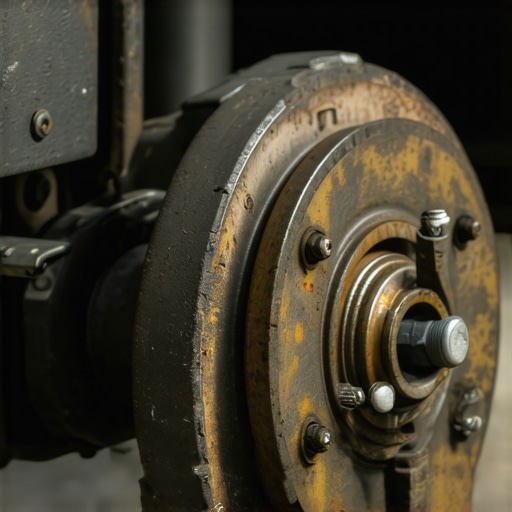
Start by visually examining your steering system for obvious problems. Park your car on a level surface, engage the parking brake, and turn off the engine. Remove the front wheels with a jack and jack stands for better access. Look for torn or leakingtie rod ends and worn ball joints—these are common culprits behind steering stiffness. Remember when I did this on my car, I found a cracked tie rod, which I replaced following a detailed tutorial, restoring my steering’s responsiveness.
Check Power Steering Fluid and Pump
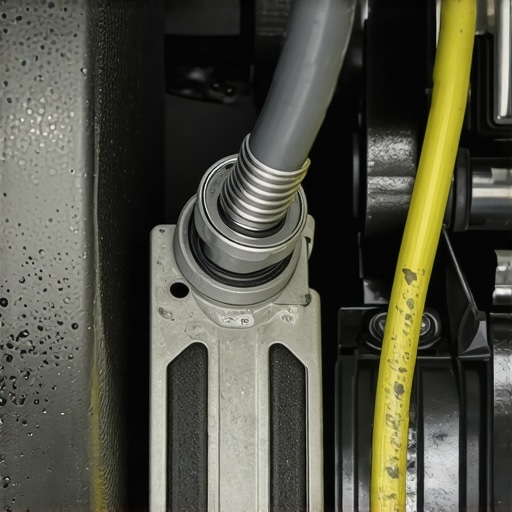
Locate your power steering reservoir; it’s often translucent with a cap labeled ‘Power Steering.’ Pull the dipstick or check for fluid level; if it’s low, top it up with manufacturer-specified fluid. Inspect for leaks around the pump, hoses, and rack. A whining noise or a stiff wheel may indicate a failing pump. I once experienced this when my pump’s bearing wore out; replacing it saved me from costly repairs later. If fluid is dirty or smells burnt, consider a flush, as old fluid can cause poor steering response and damage components. For maintenance tips, see how to diagnose steering issues.
Assess Steering Rack and Pinion
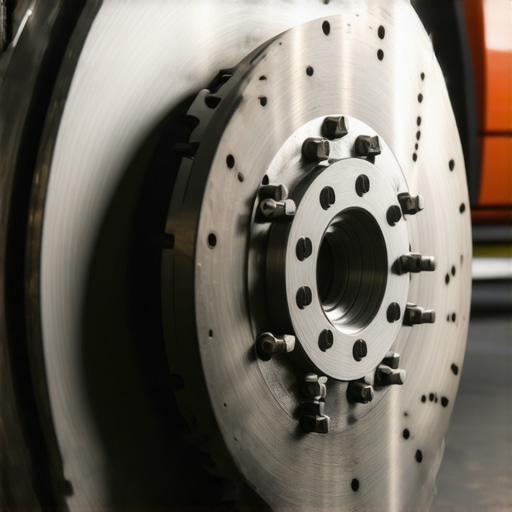
The rack and pinion translate your steering wheel’s motion into wheel movement. To test it, gently turn the wheel from lock to lock while the engine is running; listen for unusual noises or resistance. If the wheel tightens or sticks during turns, the rack may be damaged or misaligned. I once applied a lubricant to the rack’s seals, which temporarily eased the stiffness, buying me time before a professional rebuild. If you suspect a faulty rack, it’s best to consult an ASE-certified technician, as this component is critical to safe handling.
Perform a Wheel Alignment and Suspension Check
Misaligned wheels can cause steering to stick after turns. Schedule a professional alignment to correct angles like camber and caster. Also, examine your suspension parts—struts, control arms, and bushings—for wear or damage. I learned this the hard way when uneven tire wear and stiff steering coincided; alignment and suspension repairs restored normal function. Wearing out these parts is typical over time, so regular checks can prevent this issue from worsening.
Test and Confirm Repairs
After completing inspections and repairs, reassemble everything and start the engine. Turn the steering wheel fully left and right to ensure smooth motion without sticking. Drive the vehicle in a safe area to observe responsiveness. If the wheel still sticks, double-check your work or consider having a professional examine your vehicle. Remember, routine maintenance such as lubricating joints and replacing worn components helps prevent future problems. For advanced diagnostics, skilled ASE techs employ specific tools and techniques, like the specialized diagnostic tools.
When it comes to vehicle maintenance, many drivers rely heavily on generic advice like “get an oil change every 3,000 miles” or “use the same ASE-certified shop every time.” While these recommendations are broadly accurate, they often overlook the crucial nuances that can make or break your car’s long-term health. Let’s dig deeper into what most people misunderstand and how embracing these subtleties can save you money and headaches.
Challenging the Myths Surrounding Car Service and Oil Changes
One common myth is that all oil is created equal. In reality, choosing the right oil grade and type—synthetic, semi-synthetic, or conventional—depends heavily on your vehicle’s specific needs. Modern engines, especially GDI (Gasoline Direct Injection) variants, benefit significantly from full synthetic oils, which provide better lubrication and reduce sludge buildup. Relying on just the cheapest oil or sticking to outdated interval schedules without regard to driving conditions can accelerate engine wear. Studies from the ASTM reveal that prolonged use of inferior oils directly correlates with increased engine deposits and reduced lifespan.
Another misconception involves ASE certification. While an ASE badge indicates a technician has passed certain exams, it doesn’t guarantee expertise in every area. For complex issues like transmission diagnostics or hybrid system repairs, advanced certifications like ASE L1 or specific manufacturer training are essential. An ASE-certified tech without specialized training might perform routine tasks proficiently but could miss critical subtleties in modern, sophisticated drivetrain systems.
Beware the Oversimplified Approach to Transmission Maintenance
Many believe that sticking to a simple fluid flush schedule is enough for transmission longevity. However, *here’s the oops factor*: some transmissions, such as CVTs or dual-clutch units, require specific fluids and procedures that standard changes can’t replicate. Inappropriate fluid types or neglecting the manufacturer’s service intervals—especially in high-mileage or fleet vehicles—can cause early failure. An analysis by the Vehicle Maintenance Council shows that improper transmission servicing accounts for a significant portion of unexpected failures, costing owners thousands.
For example, using regular automatic transmission fluid (ATF) in a CVT can result in slipping, overheating, and damage. It’s essential to consult your vehicle’s manual or trusted expertise to determine the correct maintenance protocols.
What Does a Proper, Nuanced Oil Change Look Like?
Beyond just draining and refilling, a nuanced oil change involves inspecting and replacing related components—like the oil filter, drain plug gasket, and checking for coolant leaks or sludge accumulation. It’s also a prime opportunity to examine engine seals and perform a complete system diagnostic if unusual engine noises or performance drops accompany routine service.
Failing to consider these details can lead to overlooked issues that subtly degrade your engine’s health over time. For instance, neglecting to replace a worn oil filter may cause oil starvation, resulting in premature bearing failure. Moreover, some shops push synthetic oils but neglect essential procedures like oil pan gasket replacement or thorough system flushing, which can cause internal deposits or contamination.
Active Steps to Guard Against Maintenance Traps
Here’s the takeaway: never settle for generic schedules or assume all shops are equally qualified. Regularly review your vehicle’s manual, seek out certified service providers with specialized training, and ask about proper procedures—especially for complex systems like transmissions or hybrids. For tricky electrical issues or ghost problems, a shop with an ASE L1 certification and access to advanced diagnostic tools, like the specialized diagnostic equipment, is your best bet.
Have you ever fallen into this trap? Let me know in the comments, and share your experiences with nuanced automotive care. Remember, understanding the subtleties in maintenance not only extends your vehicle’s life but also safeguards your safety on the road.
Keeping It Working: My Essential Tools for Car Care
Over the years, I’ve refined my toolbox with equipment that stands the test of time and complex diagnostics. For anyone serious about maintaining their vehicle, investing in the right tools is crucial. I personally rely on a high-quality OBD-II scanner like the Autel MaxiCOM MK808. It’s versatile, covering everything from engine diagnostics to transmission codes, making it invaluable for pinpointing issues like a slipping transmission or unusual engine behavior. Regularly consulting advanced diagnostic tools like this has helped me catch problems early, saving thousands in repairs.
Another must-have is a torque spec wrench. For things like wheel lug nuts or tightening engine mounts, accurate torque application prevents damage and ensures safety. I’ve found that calibrated torque wrenches prevent over-tightening that can warp components or strip threads, especially during critical tasks such as replacing your radiator fan assembly.
For detailed suspension work or examining worn bushings and rods, a mechanic’s pry bar set with multiple sizes is perfect. It gives leverage and access to stubborn components without risking damage. I prefer models with a comfortable grip and forged steel construction, ensuring durability through frequent use.
Embracing Long-Term Maintenance Strategies
Investing in quality tools isn’t just about fixing today’s problem—it’s about setting a foundation for long-term vehicle health. For example, regular inspections with the aforementioned tools help you spot issues like loose steering components or fluid leaks before they escalate. This proactive approach reduces downtime and keeps your vehicle running smoothly without costly surprises.
Looking ahead, I predict that the integration of AI-driven diagnostic software and mobile apps will revolutionize how we perform maintenance. Imagine pinpointing a transmission issue with your smartphone and receiving step-by-step guidance, even diagnosing complex problems like ghost electrical issues with tools similar to the specialized diagnostic equipment used by ASE-certified technicians. Adapting to these technological advances will make DIY maintenance more accessible and precise.
Question: How can I maintain my tools over time to ensure accuracy?
Maintaining your tools is essential for ongoing reliability. Regularly calibrate your torque wrenches and calibrate or update your diagnostic software to ensure readings remain accurate. Keep tools clean, store them in a dry place, and follow manufacturer guidelines for calibration cycles. Doing so preserves their precision and extends their lifespan, enabling you to troubleshoot complex issues confidently.
For example, misreading diagnostic codes can lead to unnecessary repairs or missed problems. Learning how to maintain your tools properly—like checking the calibration date on your torque wrench—can make all the difference in maintaining your vehicle’s health for years to come.
Start by trying out a meticulous calibration of your torque wrench this weekend or updating your diagnostic software—these small but impactful steps will elevate your DIY game and keep your car running reliably.

What I Wish I Knew When I Started Maintaining My Car’s Heart
One of the most valuable lessons I’ve learned is that paying attention to the subtle signals your car gives can prevent costly repairs down the line. Early on, I ignored small vibrations or strange noises, believing they’d resolve on their own. But over time, these tiny signs revealed bigger issues like worn-out transmission components or neglected fluid changes. Trust your instincts and tackle problems early—it’s a lesson that saved me from major breakdowns.
Another insight is that not all ASE certifications are created equal. I used to think that an ASE badge was a guarantee of complete expertise, but after some disappointing experiences, I realized that specialized certifications or experience in certain systems matter more. When seeking help, ask if technicians have specific training for complex electrical issues or hybrid systems—these areas often require more niche expertise.
Finally, I discovered that a proactive approach—regular diagnostics and maintenance—is far more effective than reacting to failures. Using tools like a quality diagnostic scanner can reveal lurking problems before they escalate. Consistent oil changes with the proper procedure and understanding your vehicle’s unique needs keep your car running smoothly and safely for years.