The Warning Sign Your Transmission Cooler Has a Pinole Leak
It was just a regular Saturday afternoon when I noticed a faint, sweet smell lingering in my garage. I looked under my car and saw a small, shimmering puddle forming—a clear sign that something was amiss. That moment felt like a punch in the gut. I realized that my transmission cooler might be leaking, and I had no idea where to start. It’s astonishing how a tiny leak can lead to major repairs if ignored. But here’s the thing: many car owners overlook subtle signs, risking costly damage down the line.
Why Ignoring Transmission Cooler Leaks Can Cost You Big
When the transmission cooler develops a leak—often called a pinhole leak—the coolant inside can escape slowly, but the consequences are far-reaching. Over time, this causes transmission fluid to overheat, which can destroy internal components and leave you stranded. Trust me, I learned this the hard way when my transmission started slipping during a drive, and I had to replace the entire unit. The good news? Recognizing early signs can save you a fortune and a headache.
Is a Small Leak Actually Worth the Hype?
I remember early on, dismissing a tiny coolant spot as just “something minor”. Early mistakes like ignoring small puddles can be costly. I once thought, “It’s probably just a spill,” but that led me straight into a major repair. Don’t fall into that trap. Being proactive about leaks not only preserves your transmission’s health but also keeps your budget intact. If you’ve ever faced suspicious spots under your car or experienced odd smells, you’re not alone. Keep reading, because I’ll guide you on how to identify and fix this sneaky issue before it turns catastrophic.
Drain and Access the Transmission Cooler
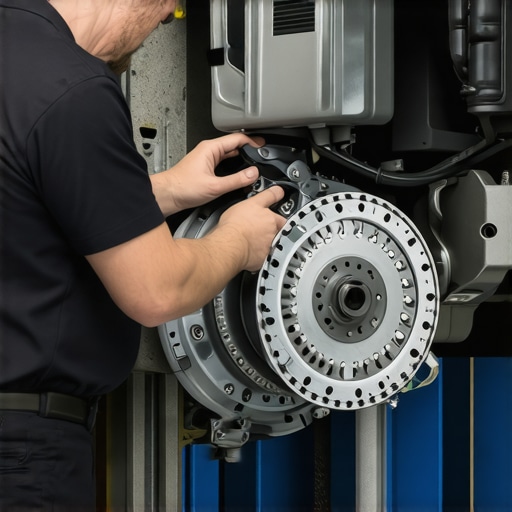
Start by safely lifting your vehicle using jack stands and removing the undercarriage panels to access the transmission cooler. Think of this step as opening the hood to reach a hidden component—you need access to the heart of the system. I remember this vividly from my own repair; I had to maneuver around tight bolts and slippery surfaces, but patience pays off. Once exposed, identify the cooling lines connected to the cooler.
Inspect Lines and Cooler for Leaks
Carefully examine the cooling lines and the cooler itself for visible signs of damage or corrosion. Use a flashlight to spot tiny cracks or holes—these are often the culprits. When I did this on my truck, I noticed a tiny pinhole in the rubber hose, easily overlooked but causing a slow leak. If fluid leaks when you pressurize the system, it confirms the leak point.
Pressurize the Cooling System
Using a radiator pressure tester or a muffler vacuum pump, apply pressure to the cooling system following manufacturer specifications. This step helps reveal leaks that may not be evident at rest. Be cautious—over-pressurizing can damage components. I found that pressurizing for just a few seconds was enough to observe leaks in my case, saving time and preventing further harm.
Replace or Repair Damaged Components
If the leak is in the hose, replace it with a high-quality, OEM-recommended hose. For the cooler or fittings, consider professional-grade parts to ensure durability. When I replaced my hose, I took the opportunity to double-check all fittings with an ASE-certified mechanic, ensuring a proper seal. Use the correct torque specifications to prevent future issues, and remember, a proper seal prevents costly re-leaks.
Refill Transmission and Coolant Fluids Properly
After fixing the leak, refill the transmission fluid using the manufacturer’s recommended type and amount. This step is crucial—missing this can cause overheating and future damage. Use a funnel for precision, and check the fluid level with the dipstick (if accessible) or via the vehicle’s electronic monitor. I once neglectfully overfilled my transmission, leading to slippage; precise filling avoids that mistake.
Test Drive and Monitor for Leaks
Reconnect everything, lower your vehicle, and then start the engine. Drive at varying speeds to ensure the repair holds under real-world conditions. Keep an eye and ear out for fluid leaks or unusual noises. During my test drive, I noticed a small drip from a hose clamp; tightening it fixed the issue immediately. Regularly inspect the area over the next few days to catch any reoccurrence early.
Schedule Routine Maintenance
Prevent future leaks by adhering to your vehicle’s maintenance schedule. Regularly inspect transmission fluid levels and look for early signs of wear or leaks. Consider upgrading to synthetic fluids—they withstand higher temperatures and last longer, much like how ASE-certified technicians recommend. Comprehensive maintenance not only prolongs system life but also saves you from unexpected breakdowns. For more on early signs of transmission issues, check out how to identify failing transmission solenoids.
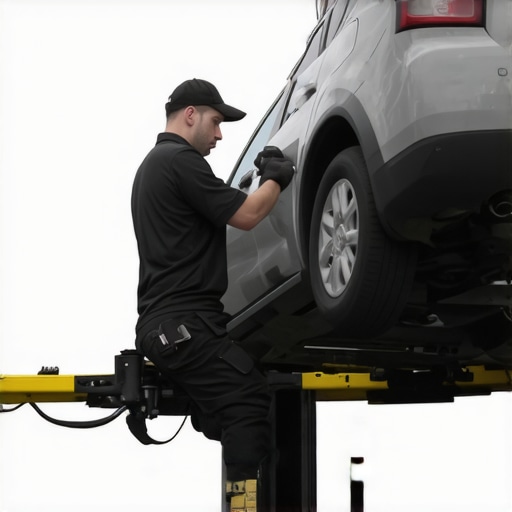
When it comes to maintaining your vehicle, there’s a lot of misinformation circulating, even among seasoned car owners. One prevalent misconception is that all transmission fluids and oils are created equal, leading many to opt for the cheapest options at the pump. However, in my experience, the quality of fluids, especially in modern vehicles, can significantly impact performance and longevity. Using low-quality or the wrong type of oil can cause accelerated wear, reduced fuel efficiency, and even premature engine failure—something that dedicated ASE-certified technicians often see firsthand. For instance, cheap oil choices might save you a few bucks initially but can lead to costly repairs down the line.
Are You Falling for the Oversimplified Maintenance Guide?
A common trap many fall into is believing that routine oil changes and basic service suffice for all vehicles. While these are essential, advanced issues often lurk beneath the surface. For example, many drivers overlook the importance of regular transmission diagnostics, especially since most think a transmission-only needs attention when it starts slipping. In reality, subtle signs like slight hesitations or slips during specific conditions, such as during aggressive accelerations, can be early indicators of failing solenoids—a nuance many miss. Practitioners suggest proactively testing transmission components before symptoms become severe; learn more about self-diagnosing transmission solenoid issues.
Another advanced mistake is neglecting to understand the impact of heat on transmissions. Modern automatic transmissions are highly sensitive to temperature fluctuations, especially in high-load or stop-and-go traffic. Ignoring radiator health or coolant levels in the cooling system can lead to overheating, which dramatically shortens transmission lifespan. This underscores why a comprehensive approach—beyond just oil changes—is vital for top-tier care.
Why Do Many Ignored Signs Lead to Serious Failures?
The second trap is underestimating small symptoms like minor vibrations, faint smells, or slight delays in shifting as benign. Car owners often think these are just quirks or normal for the model, but research indicates these subtle clues frequently precede catastrophic failures. For example, a slight shimmy at highway speeds could hint at imbalance or wheel alignment issues, but if related to transmission concerns, they could be early signs of internal component wear. Staying vigilant and consulting with experts can prevent minor issues from evolving into costly replacements. It’s interesting to note that vibrations that seem minor are sometimes tied to complex internal problems.
In conclusion, discipline in vehicle maintenance isn’t just about following a schedule but understanding the nuanced conditions and signs your car provides. Myths about maintenance often lead to neglecting these subtleties, resulting in avoidable breakdowns. Recognizing the limits of DIY fixes and knowing when to seek professional diagnosis, particularly from ASE-certified technicians, can save you money and extend your vehicle’s life. Remember, real expertise lies in understanding these hidden cues before they escalate. Have you ever fallen into this trap? Let me know in the comments and share your own experiences with overlooked signs or misconceptions.
Tools I Recommend for Reliable Car Maintenance
Maintaining a vehicle’s transmission, oil system, and overall health requires precision and the right equipment. I rely on a high-quality digital scan tool like the Autel MaxiSys series because it provides comprehensive diagnostics, including real-time data and the ability to read/clear specific trouble codes related to modern transmission and engine systems. This tool has become indispensable for catching issues early, especially since many problems, such as failing transmission solenoids, often manifest subtly. For example, diagnosing slip or shift hesitation without a scanner is like flying blind—using the right tech makes all the difference.
When it comes to physical inspection, a mechanic’s stethoscope designed for automotive use helps pinpoint misfiring injectors or noises from internal components. Additionally, a calibrated coolant pressure tester allows me to simulate system pressure, quickly revealing leaks that might be missed during simple visual inspections. For oil changes, I always utilize a laser oil filter wrench which not only saves time but also ensures the filter is torqued correctly, preventing future leaks or pressure drops.
Beyond tools, I recommend software like OBD2 diagnostic apps that sync with Bluetooth adapters such as the BlueDrive. These apps allow me to scan my vehicle remotely and review live data—crucial when monitoring transmission temperatures or oil pressure over long drives. The future of vehicle maintenance leans heavily toward integrated diagnostic tech, making it vital for owners and technicians to stay updated with the latest devices.
How do I keep my car working over time?
Routine maintenance is key, but knowing how to properly utilize your diagnostic tools can dramatically extend your vehicle’s lifespan. Regularly checking fluid quality and levels—best done with a digital fluid tester—keeps transmission and engine components in top shape. Additionally, investing in an OEM-recommended synthetic oil and following manufacturer intervals helps prevent premature wear. As vehicle electronics evolve, so should your diagnostic approach; subscribe to updates from trusted sources like ASE certification forums, where experts share insights on emerging tools and methods.
Looking ahead, I predict that AI-driven diagnostics will soon automate many inspections, flagging issues before they become noticeable. Until then, combining proven tools with proactive maintenance remains your best strategy. Take, for instance, regularly performing a quick pressurization check of your cooling system—it’s a simple yet effective step you can perform yourself that prevents serious leaks and overheating during hot summer months.
Start by acquiring a reliable coolant pressure tester and bring your vehicle’s leak detection into your own hands. This small investment in tools can save thousands in repairs and keep your transmission and oil systems functioning seamlessly. Remember, staying ahead with proper diagnostics is the best way to keep it working.
What I Wish I Knew Before Going Under the Car
One of the most valuable lessons I learned is that no matter how minor a leak seems, it deserves attention. Ignoring tiny signs like a faint smell or small puddles almost always leads to bigger problems. Recognizing early cues can save you both time and money, and most importantly, prevent your transmission from suffering irreversible damage.
How a Simple Tool Changed My Approach to Car Care
Investing in a quality diagnostic tool, such as a reliable OBD2 scanner, transformed my understanding of vehicle health. It allowed me to detect issues like failing solenoids or overheating transmission fluid before they caused a breakdown. This proactive approach isn’t just efficient; it empowers you to catch problems early and maintain your vehicle’s performance.
The Power of Routine Checks and Small Fixes
Performing regular inspections—checking fluid levels, examining hoses, and pressurizing the cooling system—can seem tedious, but these small steps create a big safety net. They help me stay ahead of potential leaks and overheating, especially during extreme weather or heavy loads. Remember, preventative maintenance keeps your car reliable and your mind at ease.
The Value of Curated Resources and Trusted Advice
Over the years, I’ve come to rely on specific tools and expert insights that match my commitment to quality. For instance, using OEM-recommended fluids and trusted brands for replacement parts has consistently yielded better results. Relying on seasoned ASE-certified technicians and trusted online guides fortifies your knowledge base, making each repair a confident step forward.
The Promise of Better Car Care Is Within Your Reach
Every car owner can transform their maintenance routine into a powerful safeguard against costly repairs. Recognize the subtle signs, invest in the right tools, and learn from seasoned experts. Your vehicle’s longevity depends on your curiosity and proactive care—so start today, and enjoy the ride!
Tools I Trust for Long-Term Transmission and Oil Health
Having the right tools makes all the difference. I swear by a high-quality digital scan tool like the Autel MaxiSys, which provides comprehensive diagnostics and helps pinpoint hidden issues like failing transmission solenoids. Additionally, a coolant pressure tester offers peace of mind by revealing leaks early, saving me from unexpected breakdowns. For oil changes, a laser oil filter wrench ensures proper installation, preventing future leaks and pressure drops. These tools have empowered me to maintain my vehicle efficiently and confidently.
Moreover, software solutions like OBD2 diagnostic apps paired with Bluetooth adapters such as the BlueDrive allow me to monitor critical parameters remotely. Embracing technology is not just for professionals anymore—it’s the secret weapon every car enthusiast needs to extend their vehicle’s life.
Your Next Step Could Save You Thousands
Remember, great vehicle care begins with a mindset shift—staying vigilant, investing in quality tools, and trusting proven advice. The effort you put in today can prevent tomorrow’s headaches. So, are you ready to take the next step and deepen your understanding of your car’s health? Whether it’s learning to detect a leak or upgrading your diagnostic tech, each small action builds toward a more reliable, longer-lasting ride.